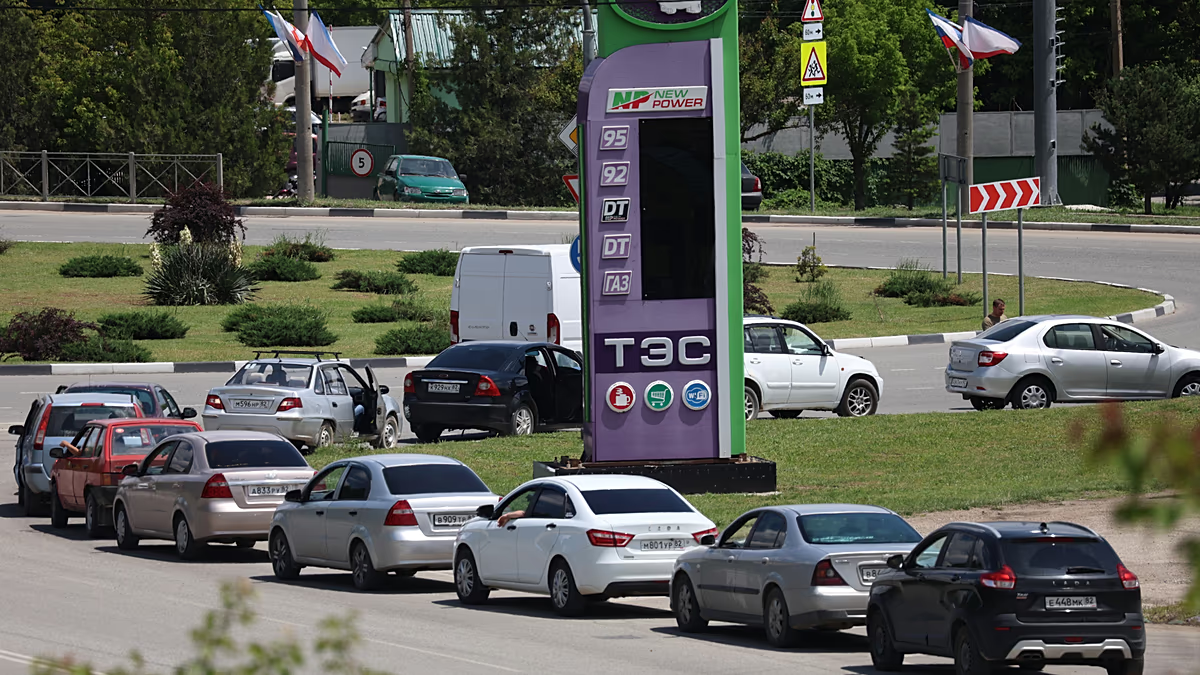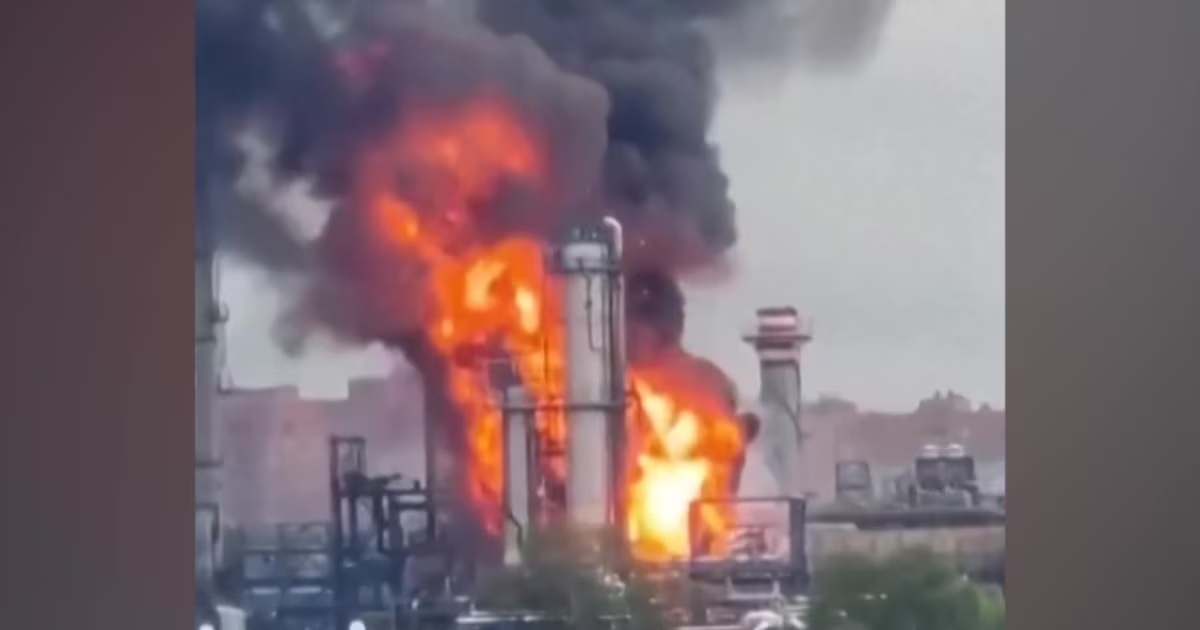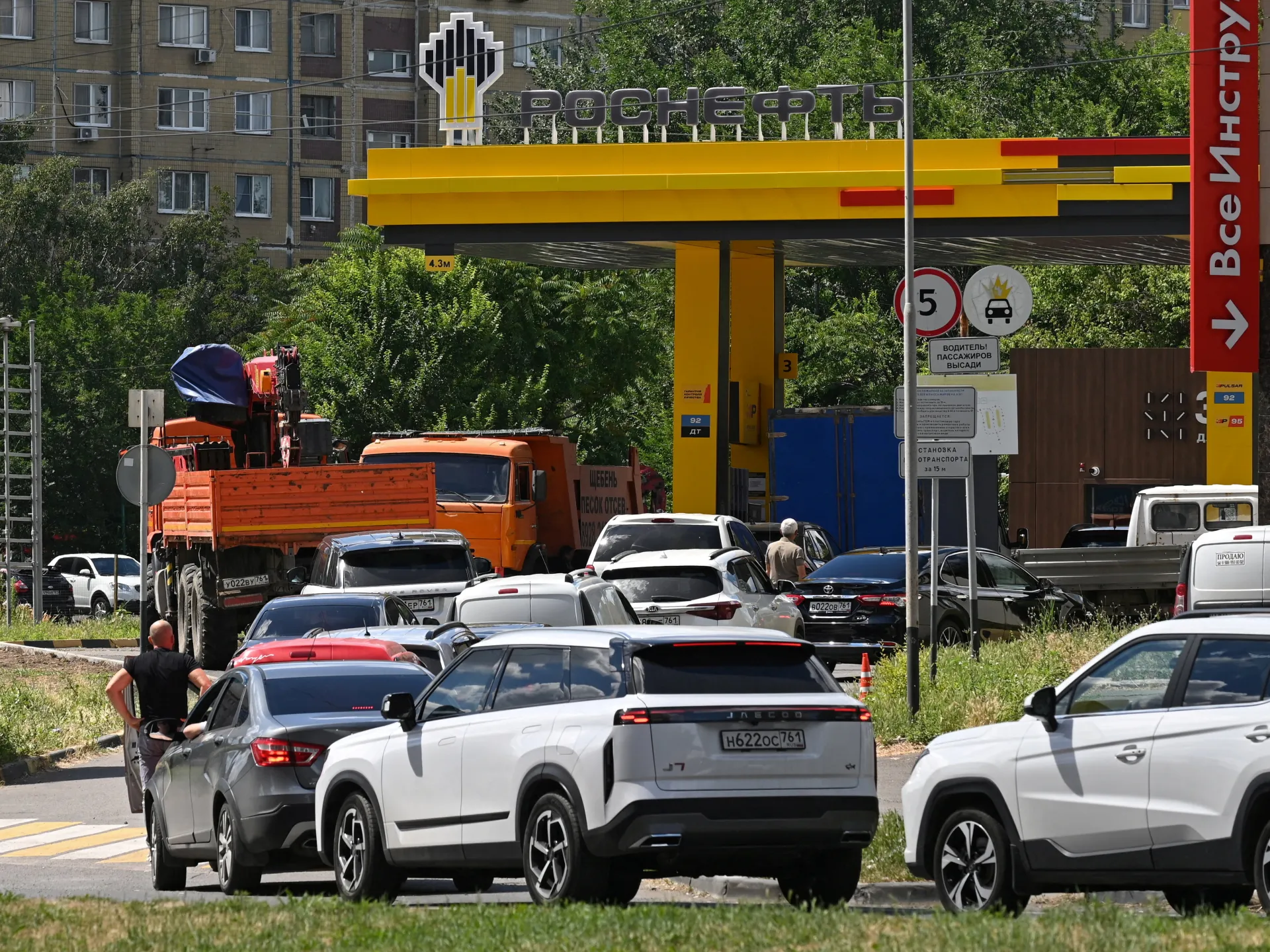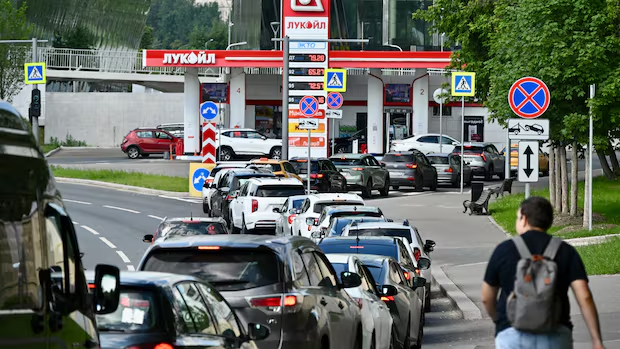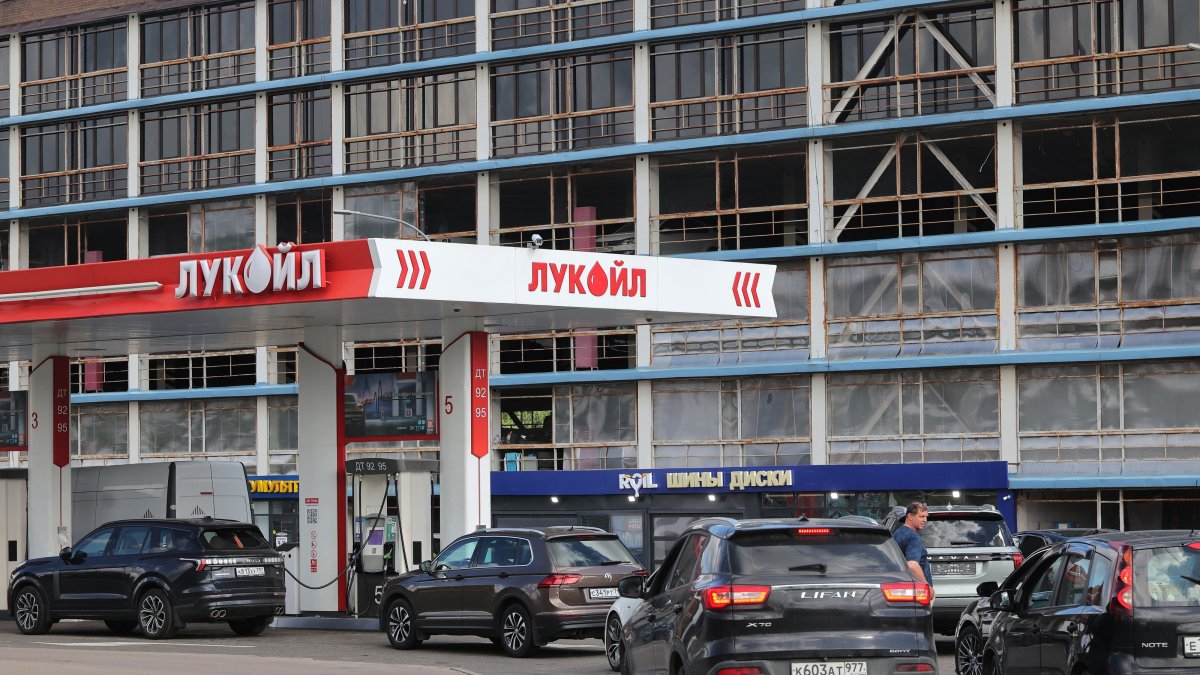
Reports showing fuel shortages in Crimea and rationing measures implemented in some regions are reminiscent of excitable reporting from last year that Russia was suffering a critical fuel shortage. The actual picture is less catastrophic, but requires the Kremlin to consider acting to prevent a bigger problem.The issue originates in disruption of logistics in territories located within roughly 250 kilometers of the front line, primarily Crimea and other Russian-occupied regions of Ukraine. The acute fuel shortages in this zone are primarily due to drone strikes on fuel trucks, storage facilities and transportation infrastructure — and only to a limited extent to the decline in fuel production nationwide.In recent weeks, Ukrainian attacks in this area have intensified significantly and it remains unclear whether Russian air defenses will be able to respond effectively. This kind of arms race always evolves with mixed success, but in this war the advantage has more often remained on the side of strike capabilities. This situation has already contributed to a sharp decline in tourist flows to Crimea, threatening to disrupt economic activity on the peninsula.From an economic perspective, Russian authorities have two possible responses. First, they could resume rail shipments of fuel across the Crimean Bridge over the Kerch Strait, which were largely curtailed due to concerns that a strike on a freight train could seriously damage the bridge itself.Second, they could liberalize fuel prices in affected regions, since the risks and costs of transporting fuel to Crimea and other vulnerable regions have increased dramatically, making deliveries considerably less attractive from a commercial standpoint. A twofold or threefold increase in fuel prices would simultaneously reduce demand and create stronger incentives for suppliers to deliver fuel despite elevated risks. Such a policy, however, would require a political decision by the Kremlin.
Russia’s Fuel Shortages Are Manageable. But the Kremlin’s Options Are Shrinking. - The Moscow Times
Opinion | Reports showing fuel shortages in Crimea and rationing measures implemented in some regions are reminiscent of excitable reporting from last year that Russia was suffering a critical fuel shortage.
1,398 words~6 min read