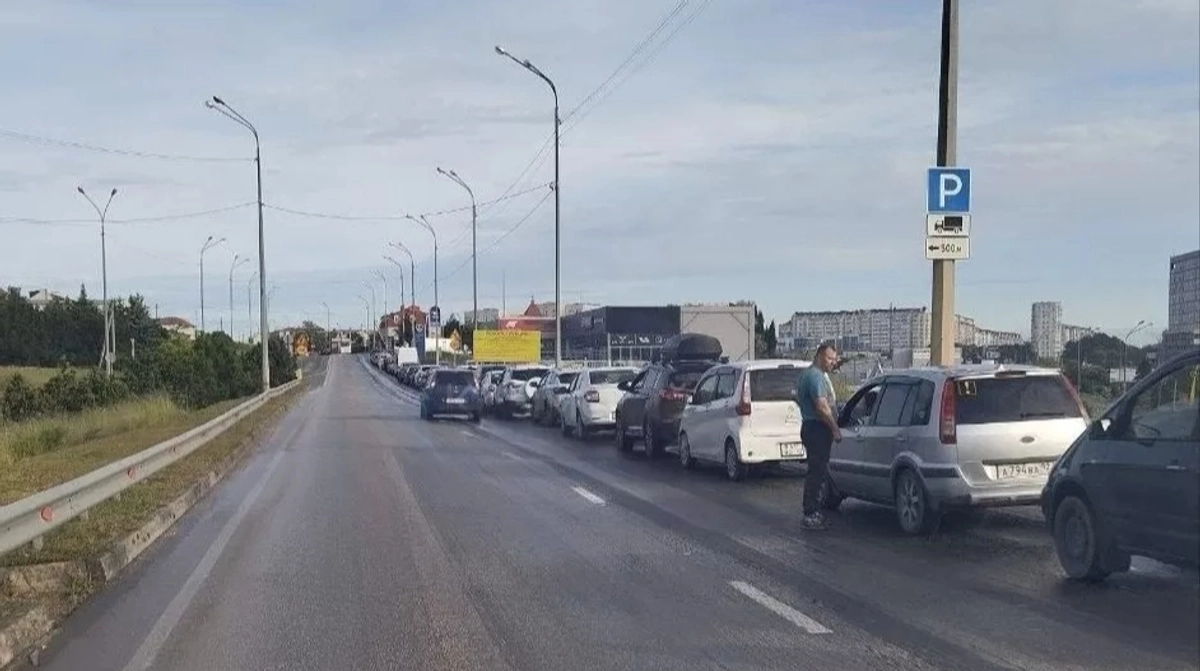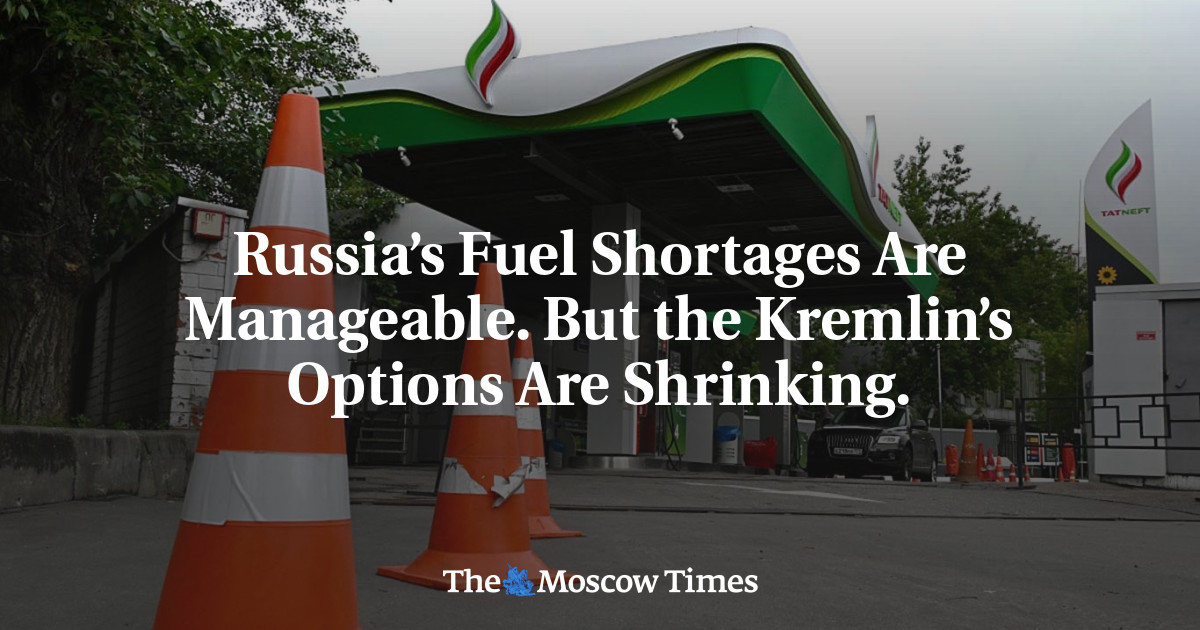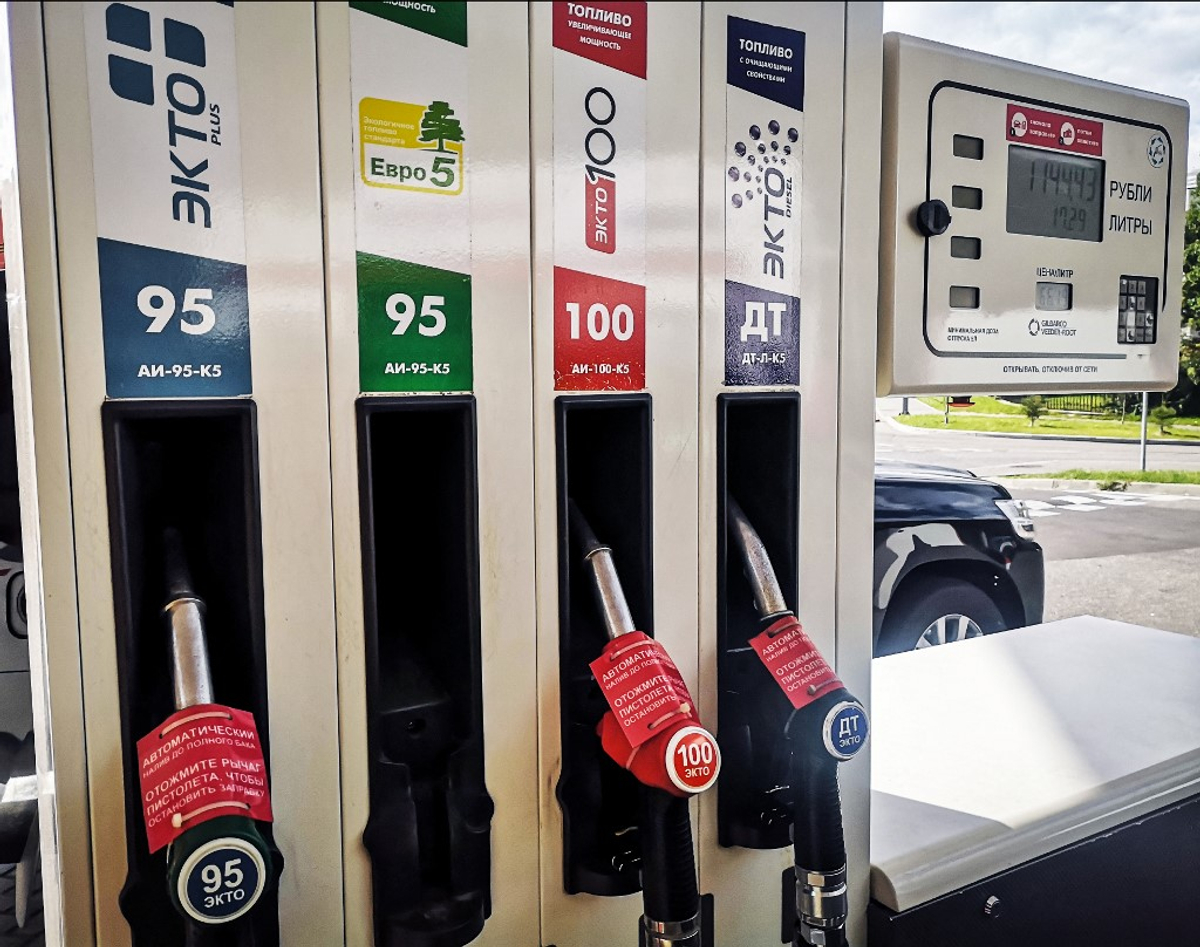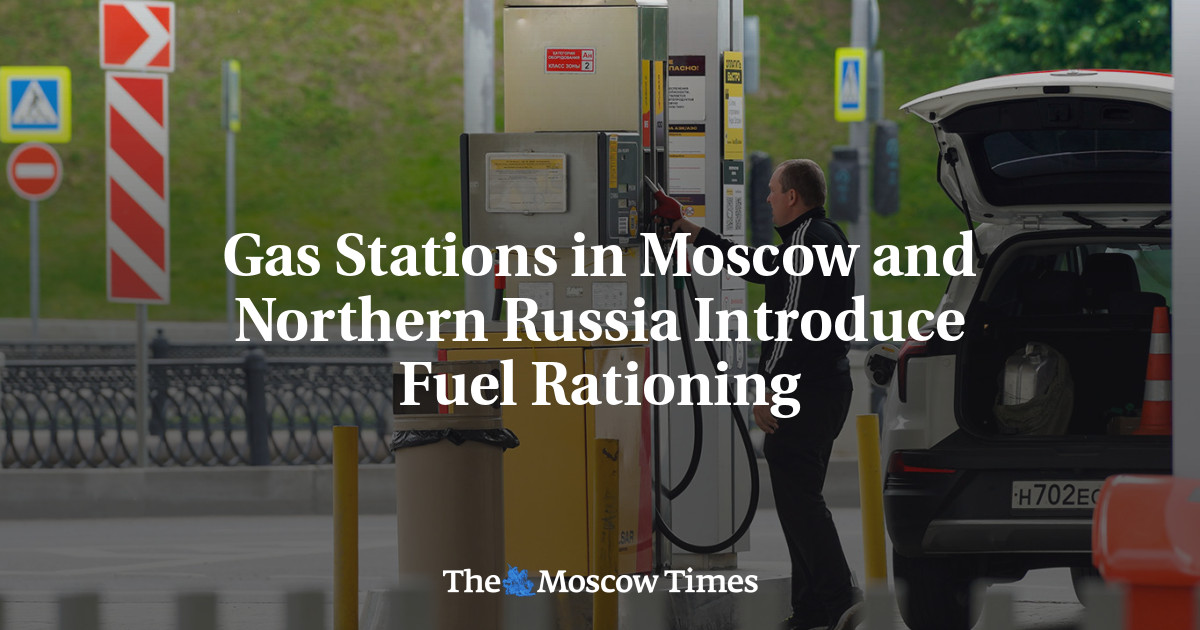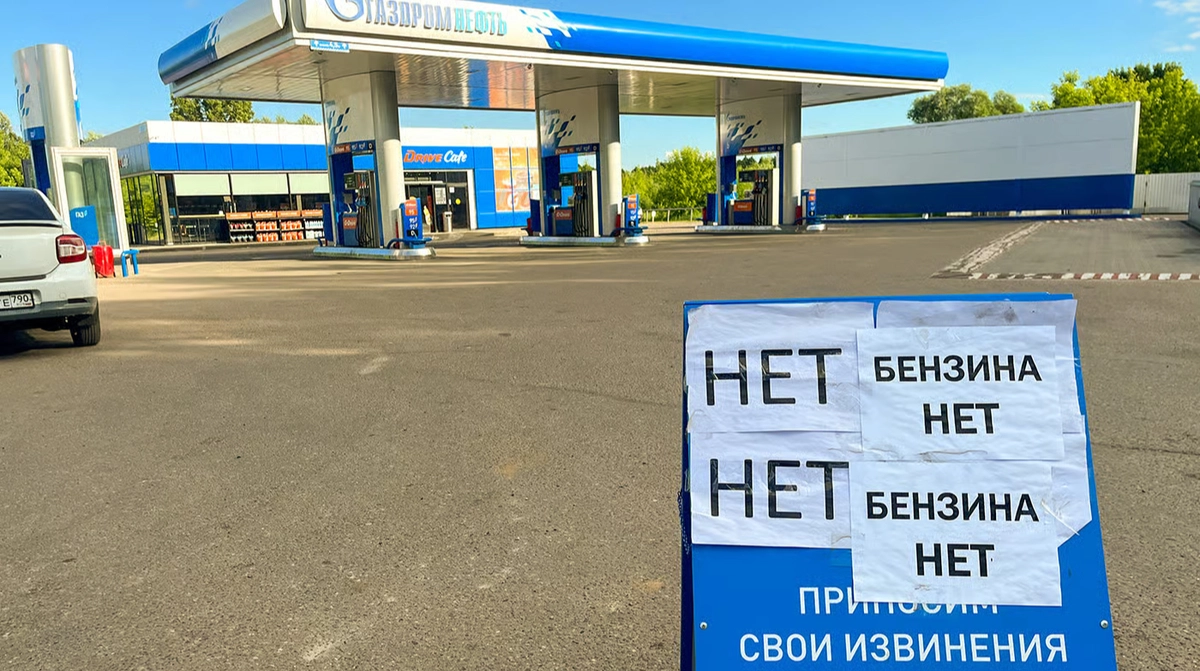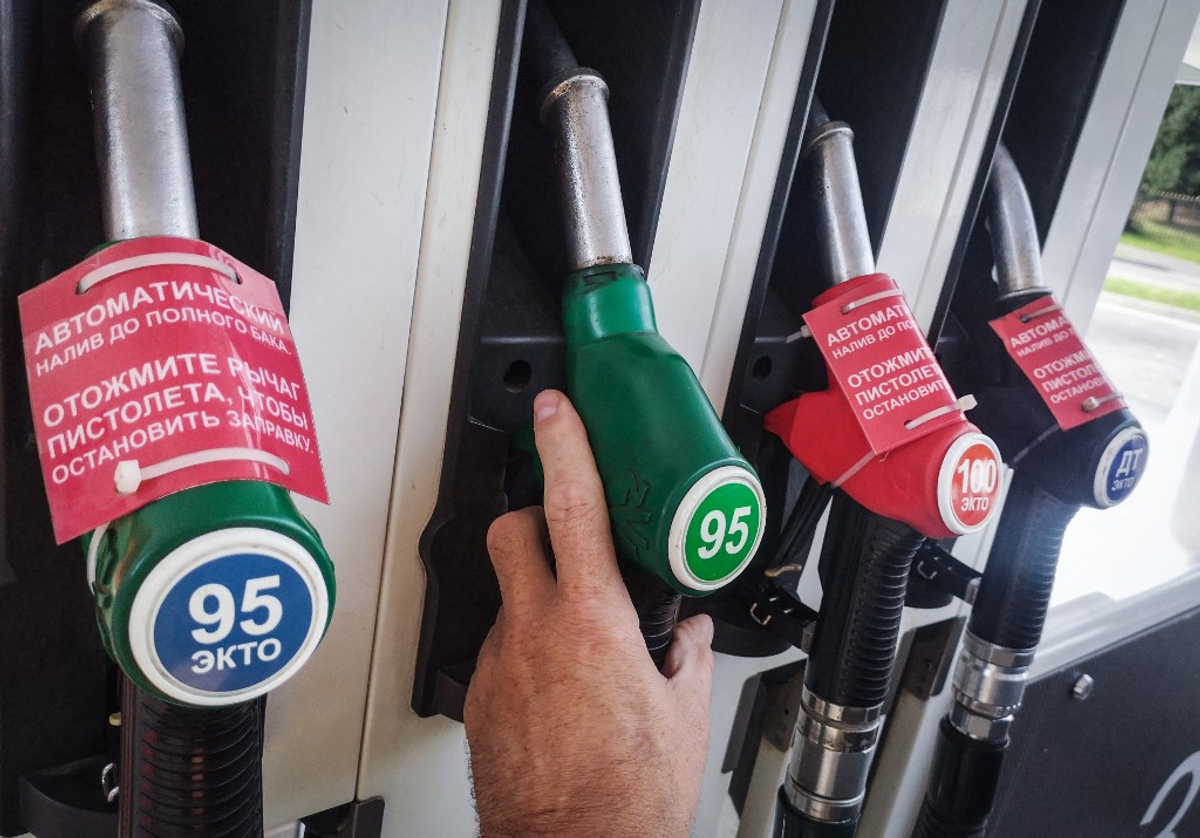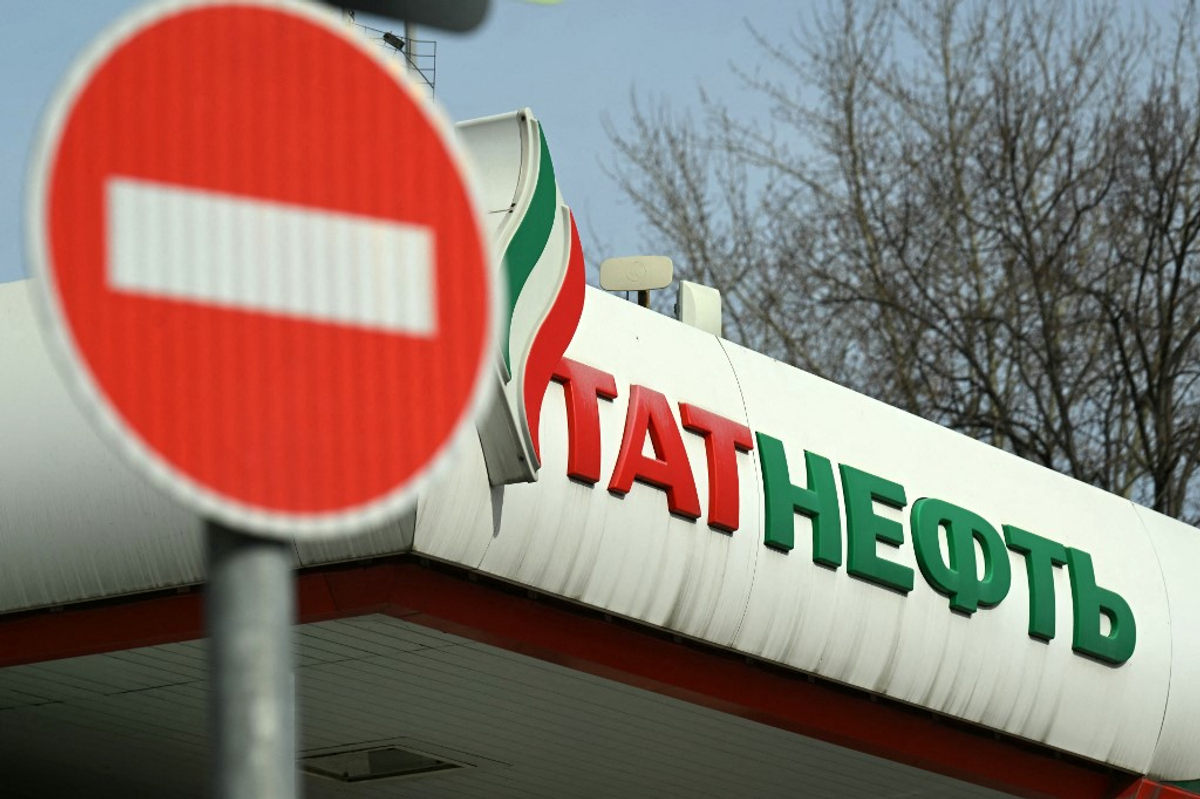
A domestic fuel deficit has forced Russia’s largest oil networks to implement rationing protocols on automotive fuel across its primary economic hubs, including Moscow and St. Petersburg, Novaya Gazeta reported. The Tatneft lockdown and regional caps Major retail gas station chains began capping the volume of fuel permitted per customer. The most severe restrictions have been documented across the entire retail network operated by Tatneft.JOIN US ON TELEGRAMFollow our coverage of the war on the @Kyivpost_official. In the capital city of Moscow, Tatneft stations are refusing to dispense more than 20 liters of AI-92 and AI-95 gasoline, alongside a limit of 40 liters of diesel fuel per vehicle. Rather than treating this as a localized logistics bottleneck, Tatneft corporate management has extended these exact 20-liter and 40-liter restrictions across every single Russian region where the company maintains a retail presence. The rationing has blanketed other major networks and metropolitan areas. In St. Petersburg, Tatneft implemented identical 20-liter gasoline and 40-liter diesel limits, prompting the St. Petersburg Committee on Energy to issue a statement attempting to soothe mounting public anxiety by claiming that “the prerequisites for a shortage of fuel resources are entirely absent.” Meanwhile, at Moscow’s mega-chains, state-controlled Rosneft capped total sales at 90 liters per vehicle or canister, while Lukoil introduced a ceiling permitting no more than 100 liters of gasoline or diesel fuel per single printed receipt.
The Empty Pump: Russian Cities Enforce Strict Fuel Rationing Following Refinery Blows
A fuel crisis has hit Russia’s political and economic heartlands, with retail networks in Moscow and St. Petersburg enforcing caps on gasoline and diesel sales.
TL;DRAI
Ukraine's 16 May drone attacks destroyed 10 Russian refineries, forcing nationwide fuel rationing—Tatneft capped 20L gasoline, 40L diesel per vehicle. The cascading losses and Kremlin export bans reveal how precision targeting on critical infrastructure reshapes energy security and market leverage.
634 words~3 min read