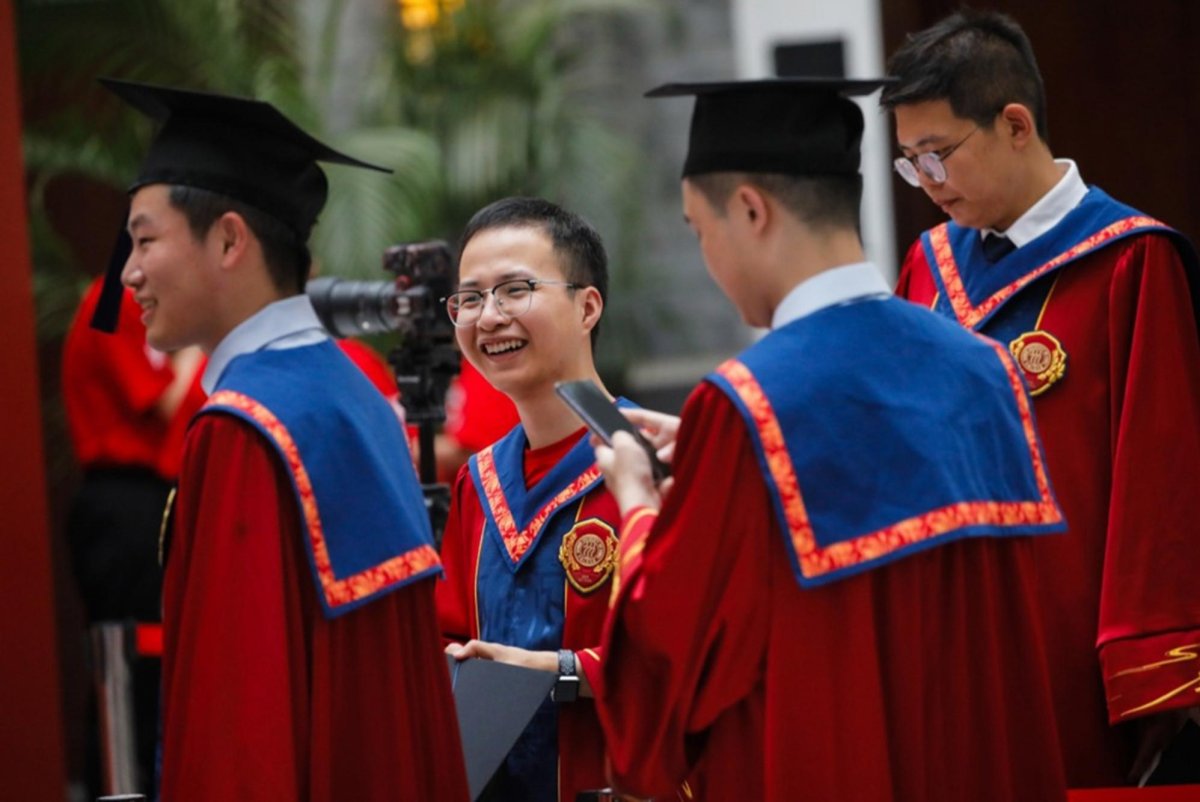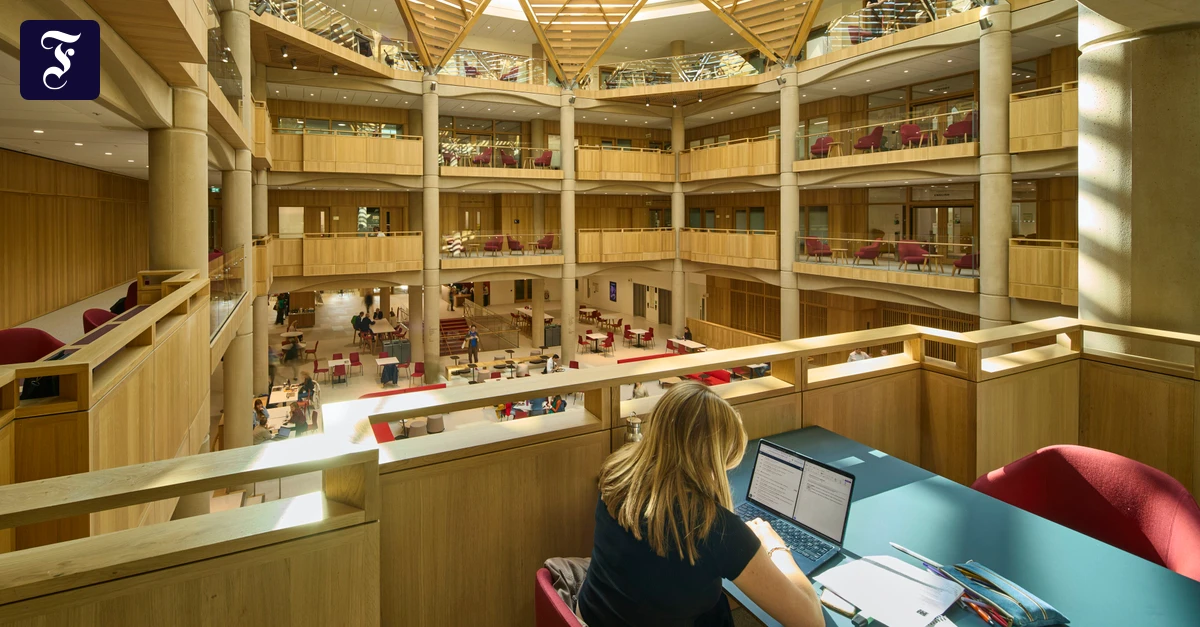
Some Chinese students and families have become increasingly sceptical about the value of a UK master’s degree. Compared with programmes in the US, Australia and Canada, UK master’s courses are typically completed in just one year, leading some to question whether there is sufficient time for teaching, research and the development of deeper subject knowledge. In addition, relatively accessible entry requirements for some programmes have raised concerns among Chinese families and employers about the quality and prestige of certain UK master’s degrees.
UK universities’ reliance on income from international students is well known – and around one-fifth of the total revenue from that source is accounted for by students from China. Unsurprisingly, then, their steep decline is causing a lot of concern – particularly given increasing visa rejection rates from other major source countries.
In a 2025 survey by the British Universities International Liaison Association, 80 per cent of institutions reported a decline in postgraduate applications from China, with an average drop of about 17 per cent.
But why is this happening? And is the trend likely to endure?
For many years, UK master’s degrees, in particular, held strong appeal for Chinese students and families. Their one-year duration was seen as efficient and cost-effective compared with longer programmes elsewhere, particularly in the US, while still carrying strong international prestige. Degrees from Russell Group and other high-ranked universities, in particular, were widely viewed as a route to career advancement and a means of reinforcing middle-class status.