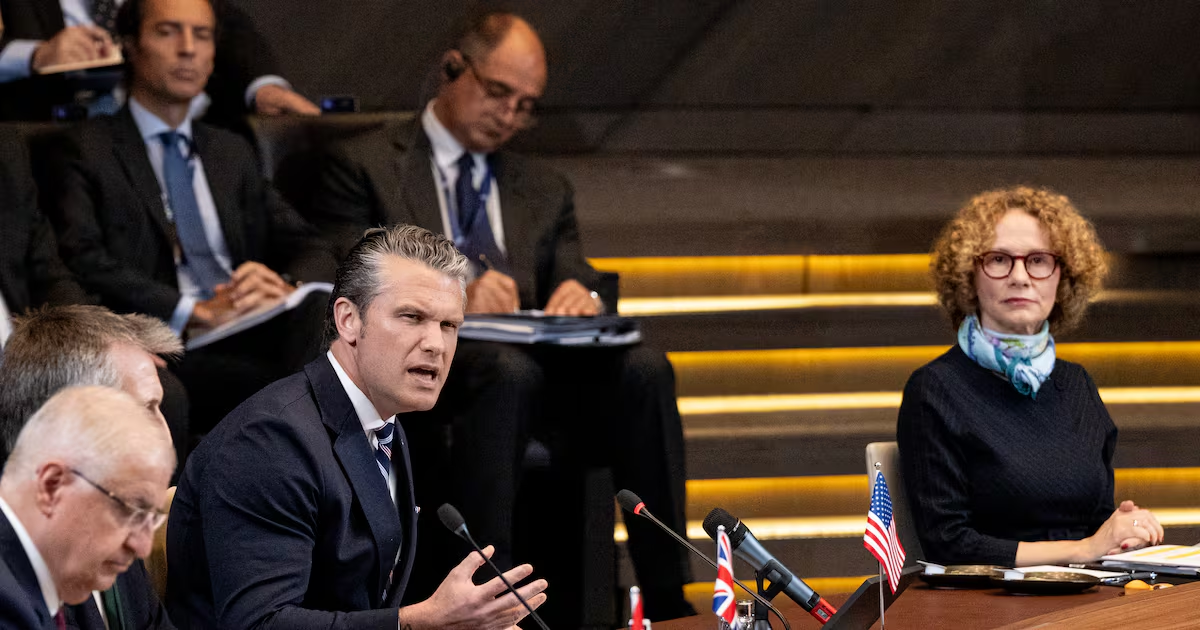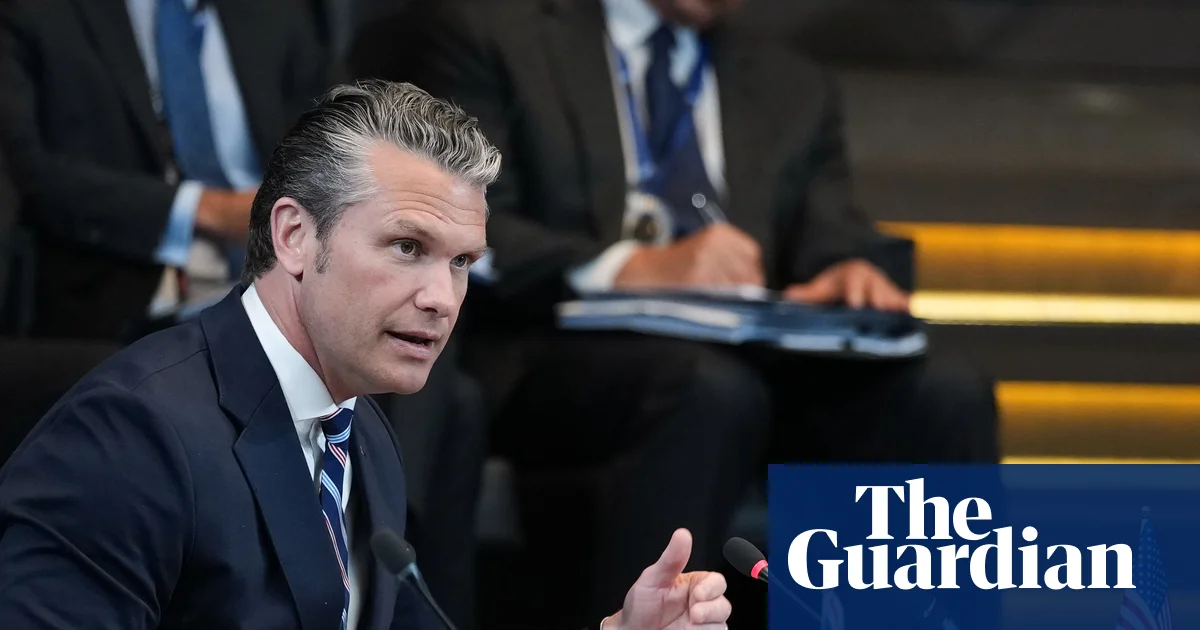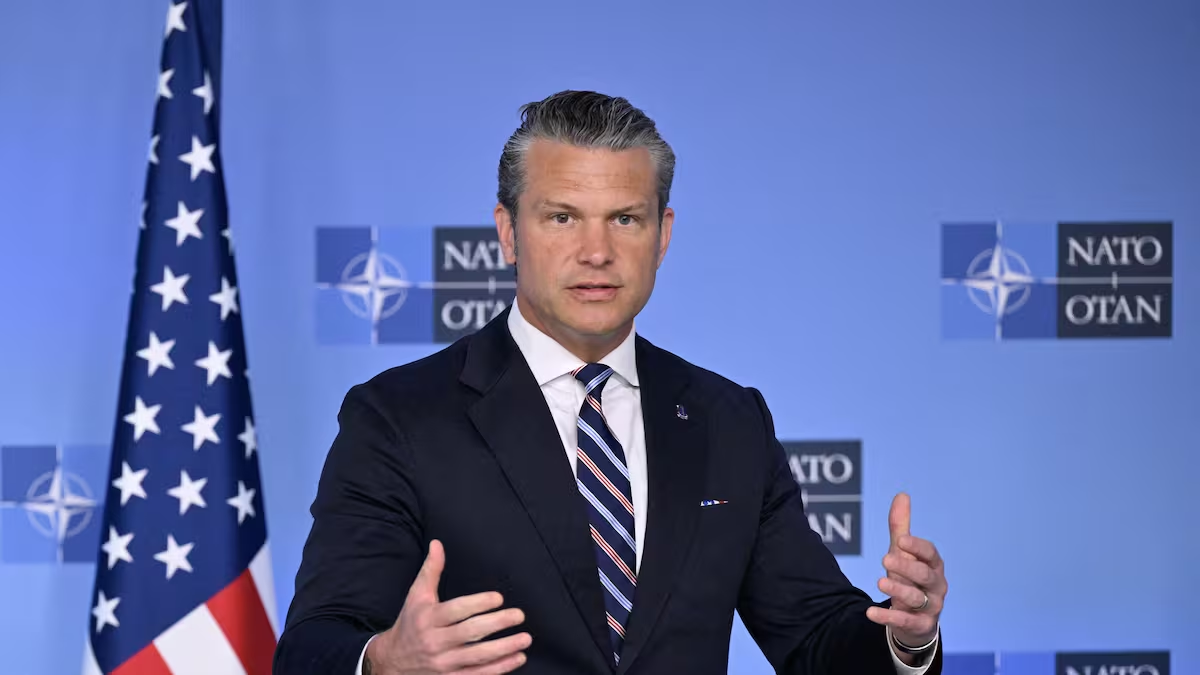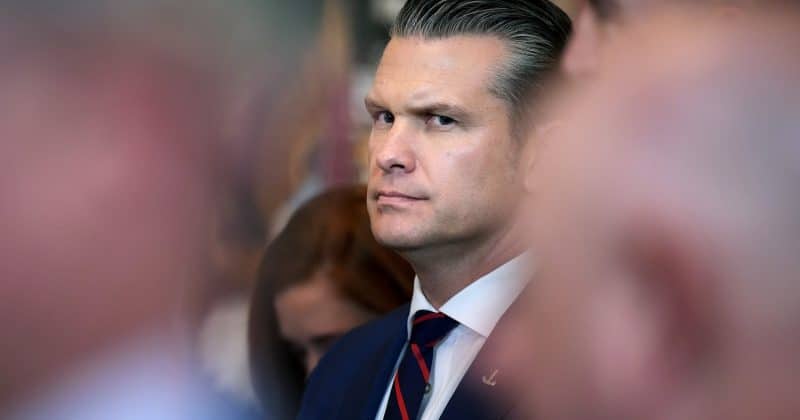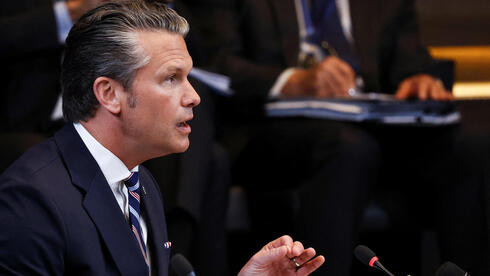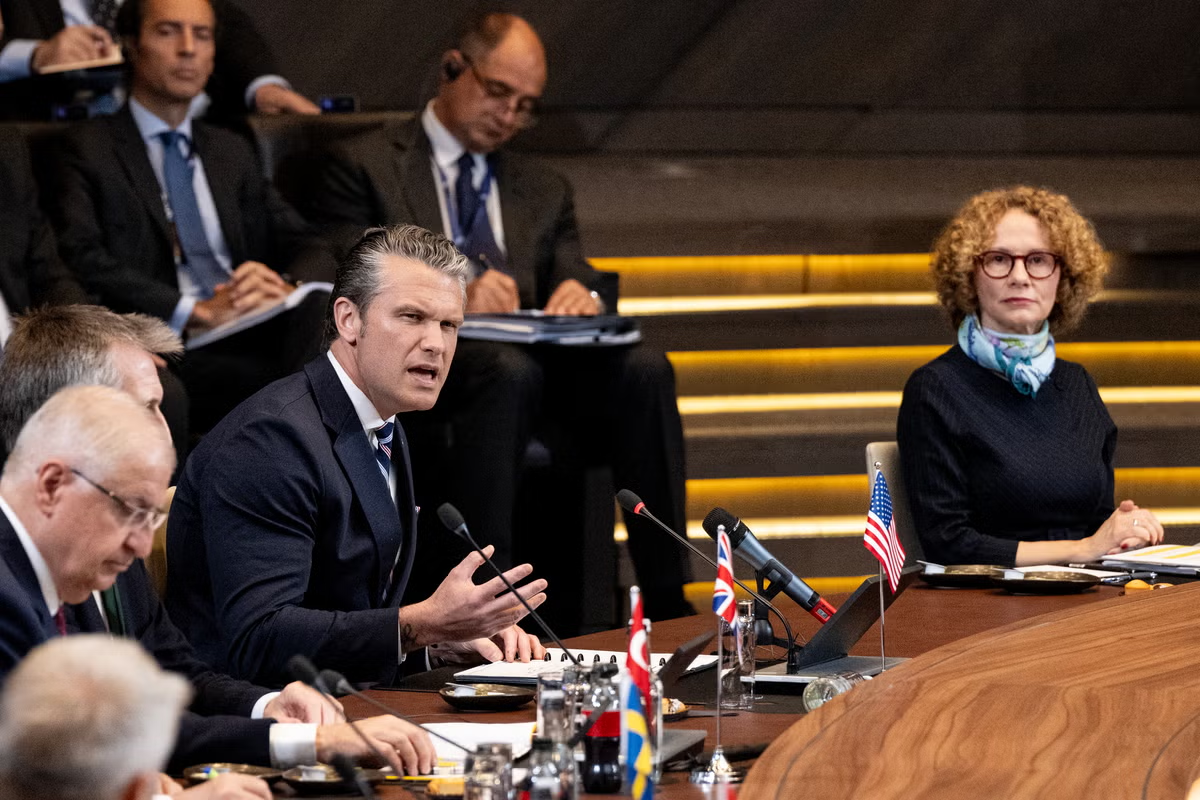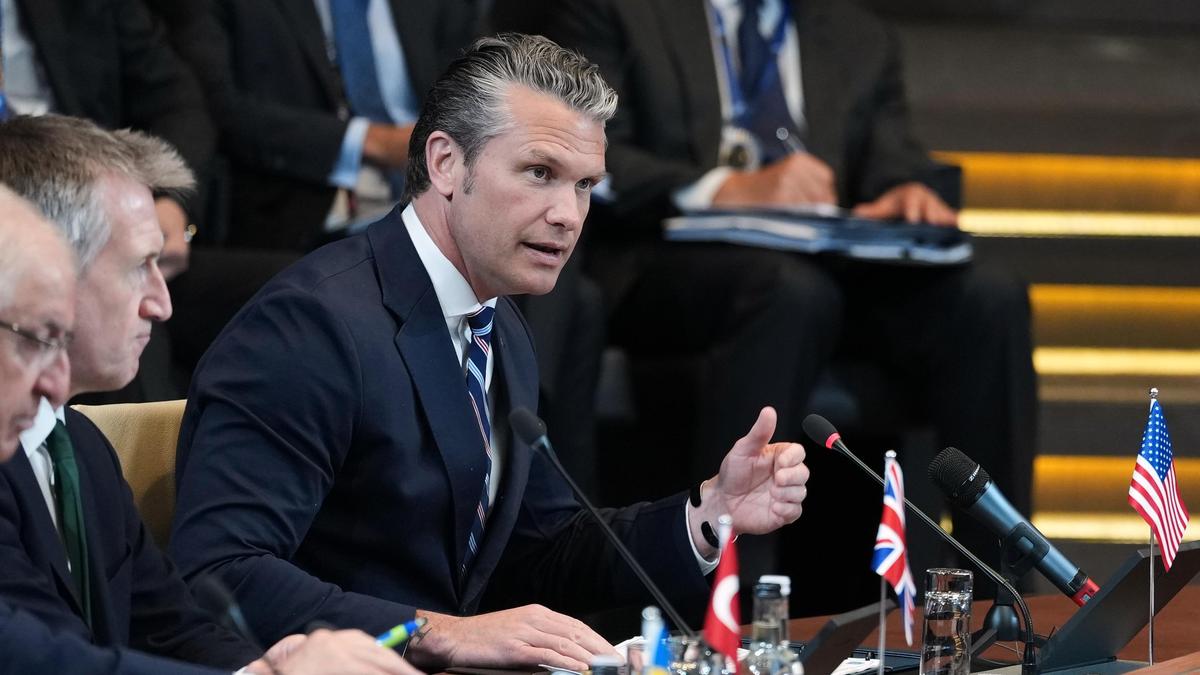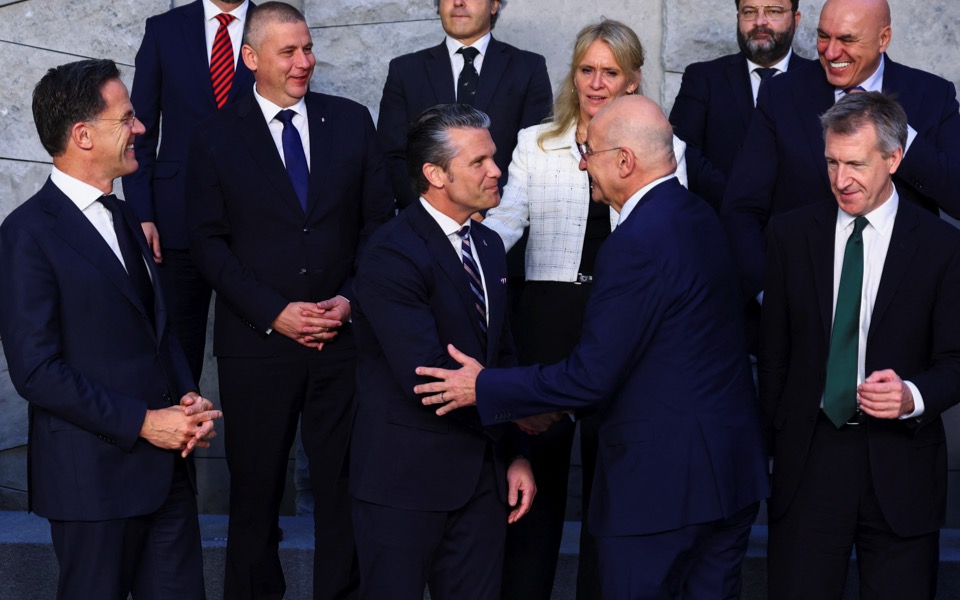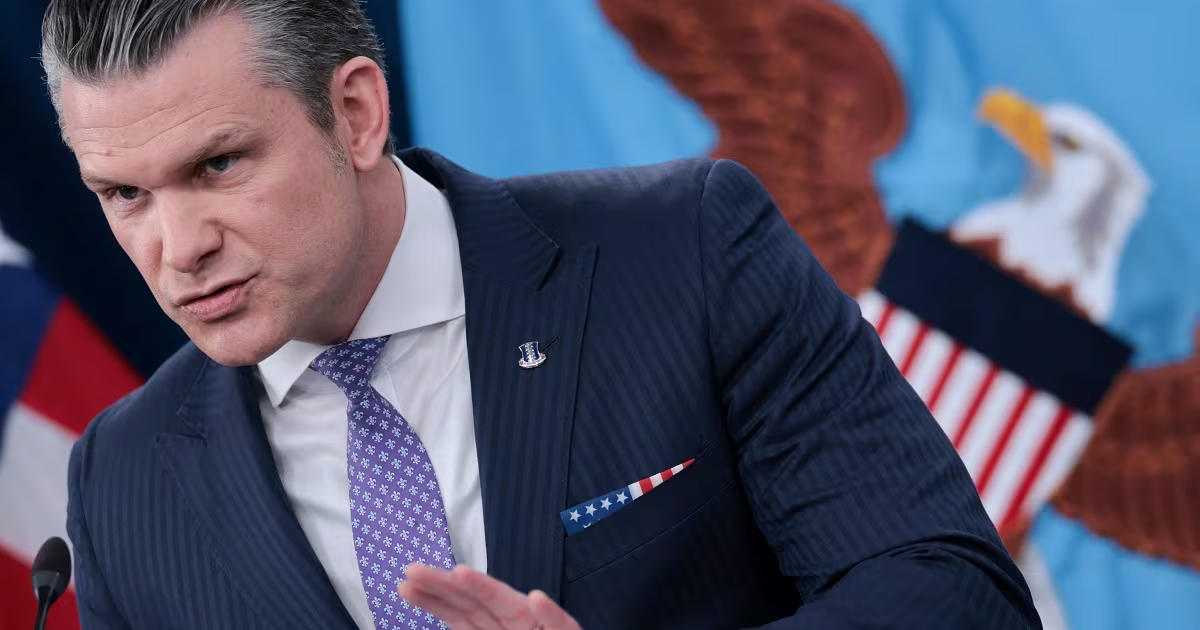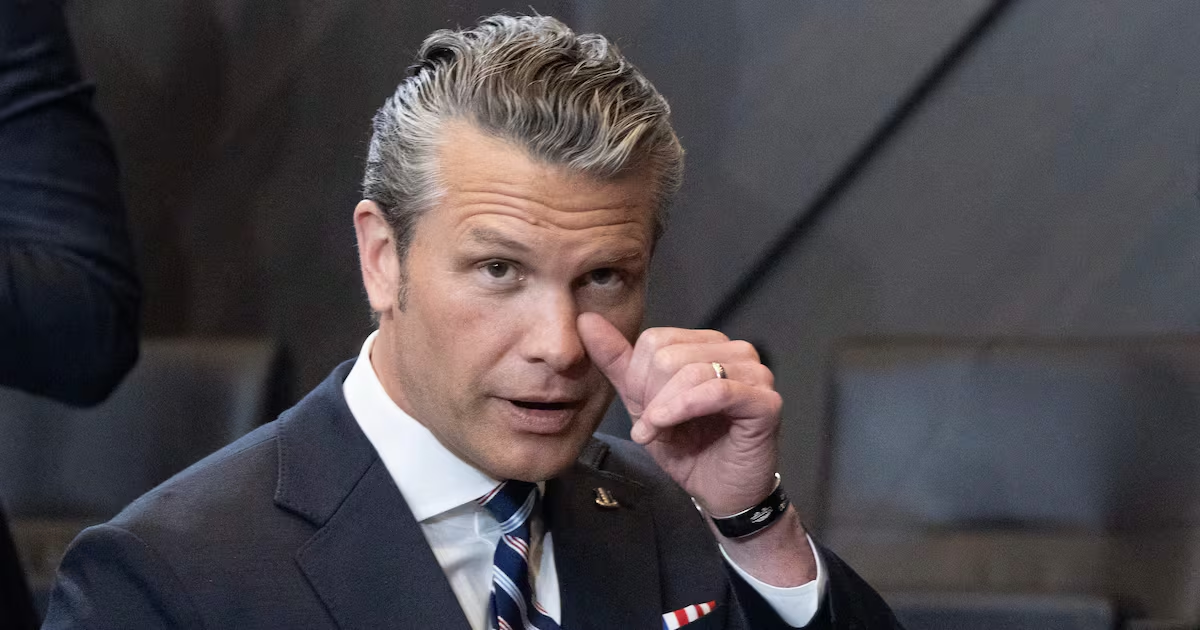
Deepening divisions emerged within Nato after US Defence Secretary Pete Hegseth warned that Washington could withhold alliance financial contributions if “free riding” states fail to meet defence spending commitments, The Pentagon chief also announced a sweeping six-month review of US troop deployments across Europe during a meeting of Nato defence ministers in Brussels on Thursday.There has been considerable tension this year with President Donald Trump's administration over Europe's perceived lack of support during the Iran war and over his threatened annexation of Greenland. British paratroopers training close to the Russia border in Finland. PAInfoWhile his defence secretary stopped short of explicitly threatening troop reductions, he made clear that the exercise would examine how Europe could assume a larger role in its own defence.“Make no mistake about it, this will be a real review,” he said. “It will be designed to ensure that Nato is moving fast and irreversibly toward Europe leading, stepping up to take primary responsibility for the defence of Europe.”The Pentagon chief also said countries failing to meet agreed spending goals would be challenged more aggressively by Washington signalling it will press nations who fail to step up both publicly and privately.The remarks are likely to deepen concerns among allies already uneasy about the future scale of the US military commitment to Europe with Washington’s focus now more on the Pacific and Middle East. Any reduction in troops will have to be done in consultation with Congress as under National Defence Authorisation Act the Pentagon is restricted from reducing troop levels in Europe below 76,000 for more than 45 days.Fragmentation warningEurope’s “major task” was to “maintain close working relations with our biggest ally, United States,” Poland’s Foreign Minister Radosław Sikorski told the Royal United Services Institute on Thursday. “Europe needs a durable relationship with United States but the terms of that relationship are changing.” He warned of “western world fragmentation” in the relationship with diverging views on whether Russia or China were the biggest long-term threats. Washington needed Europe “to become stronger so that America is not forced to carry every burden in every theatre” but the US also needed Europe to combat China’s technology advances.“This is not charity, it's a shared interest,” he said, adding that European states have significantly increased defence spending, reaching 380 billion euros last year. Nato Secretary General Mark Rutte acknowledged that a reduction in America’s contribution to the alliance was already under way, adding that European allies needed to accelerate efforts to fill capability gaps and boost military spending.Pete Hegseth and NATO Secretary General Mark Rutte. ReutersInfoAt the same meeting, Belgium sought to demonstrate its commitment to Nato collective defence by offering additional military assets, including more F-16 fighter jets and MQ-9B drones.Mr Hegseth’s pointed message highlighted persistent disagreements within the alliance. Several European governments have increased defence budgets since Russia’s full-scale invasion of Ukraine in 2022, but Washington argues that too many still remain overly reliant on America.The British government moved quickly to back the American review with Downing Street stating it would allow allies to “plan and sequence the shift as part of greater European burden-sharing”.A Number 10 spokeswoman said Prime Minister Keir Starmer had consistently argued that Europe must play a bigger role within Nato and stressed Britain’s own defence credentials, despite the former defence secretary John Healey resigning last week over lack of funding for the armed forces.Britain also unveiled a major new package of military assistance for Ukraine worth £752 million. The new Defence Secretary Dan Jarvis announced that the funding would provide 150,000 Ukrainian-produced drones by the end of the year as well as more than 350 air-defence missiles and radar systems.The package includes Lightweight Multirole Missiles and ground-based radar systems scheduled for delivery by the end of 2026.The announcement follows a series of recent British measures aimed at increasing pressure on Moscow, including new sanctions, energy support for Kyiv and seizing an oil tanker belonging to Russia’s shadow fleet.
Nato rift deepens as Hegseth warns allies over defence 'free riders' | The National
Pentagon chief warns as US launches major review of American military numbers
654 words~3 min read