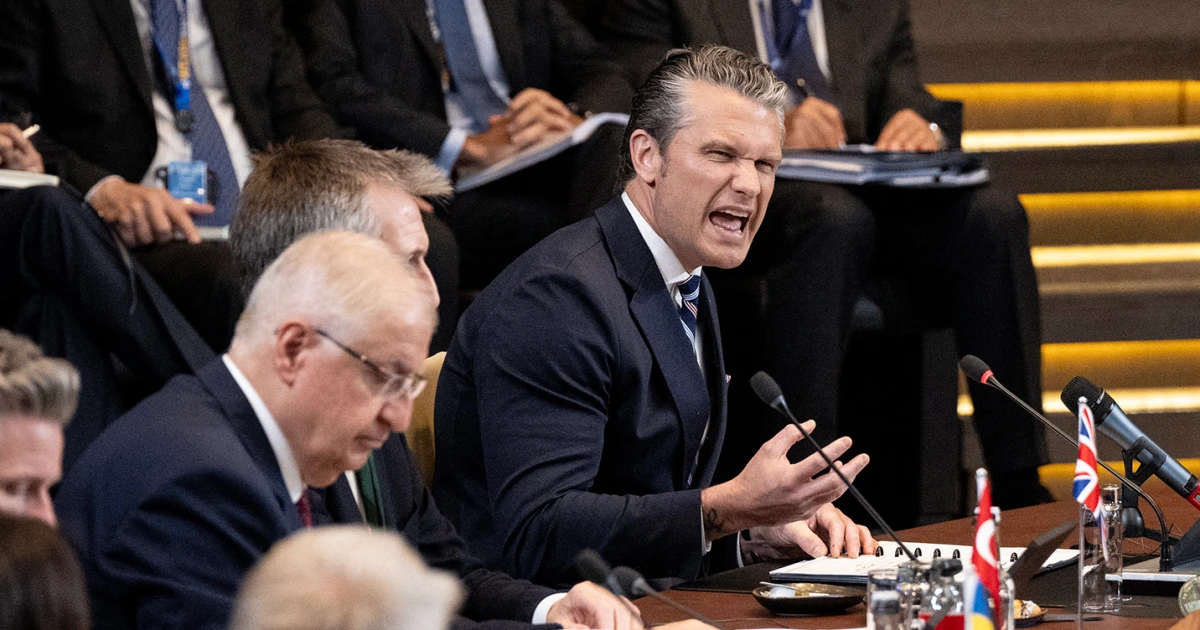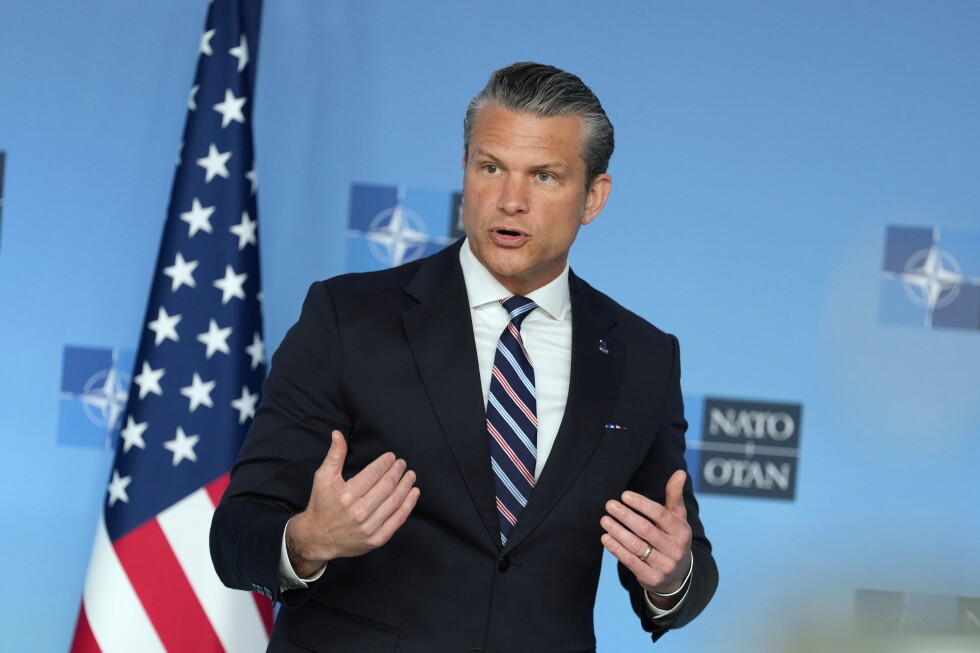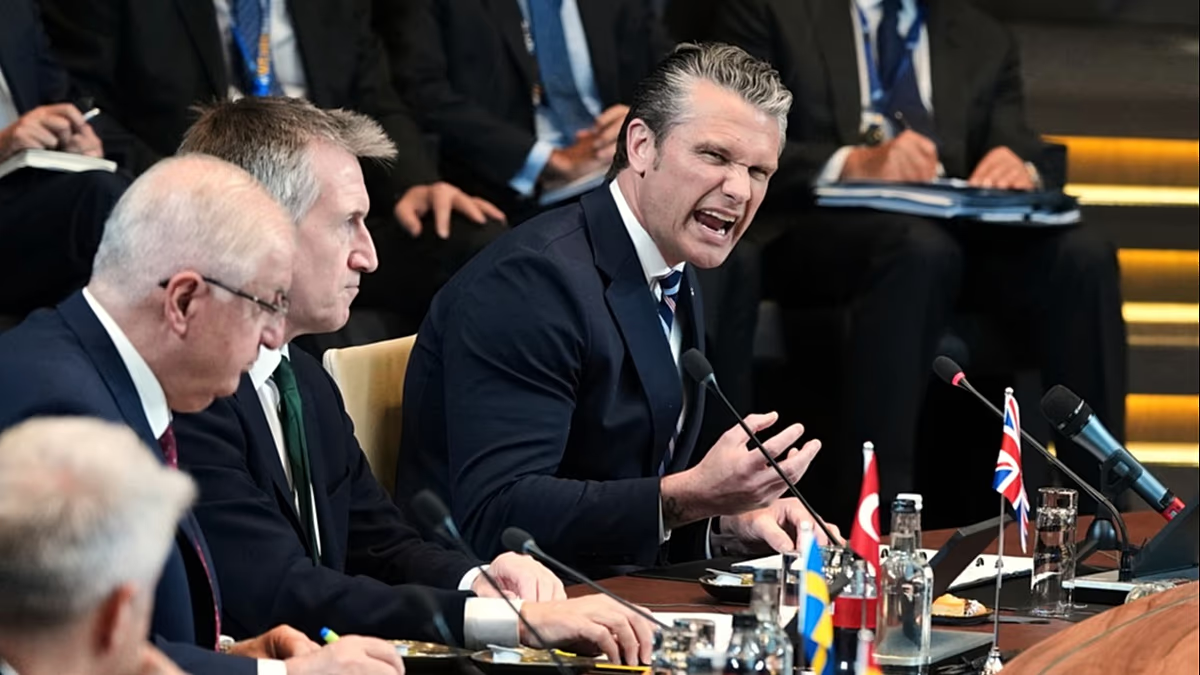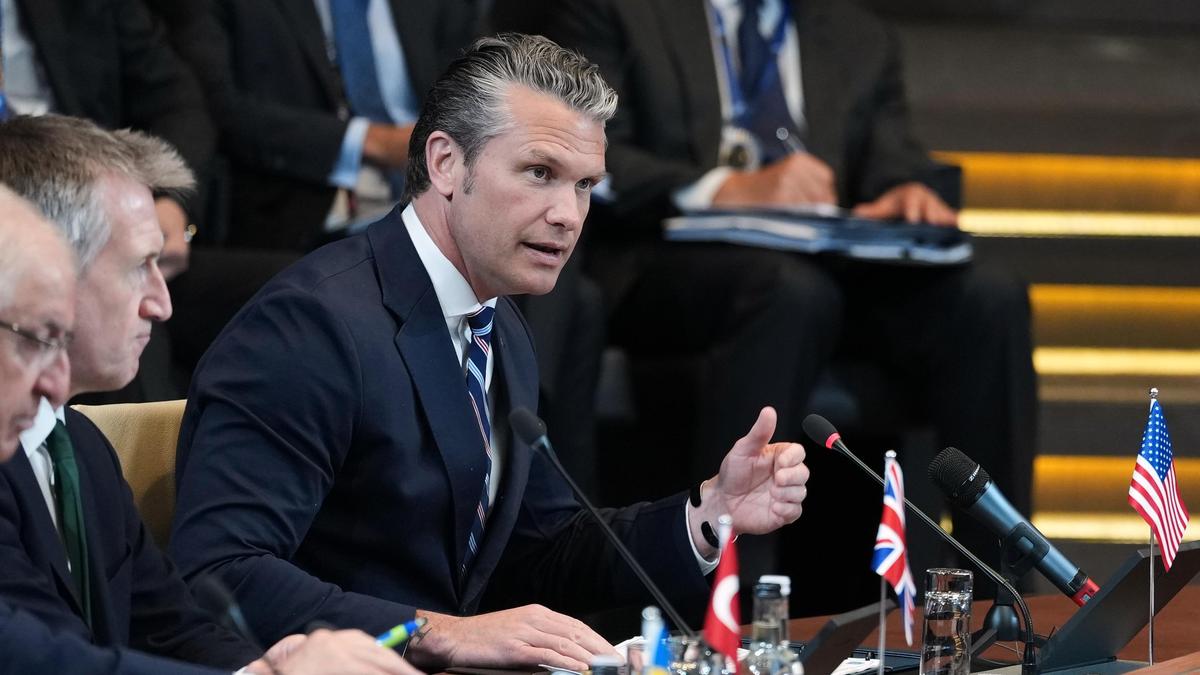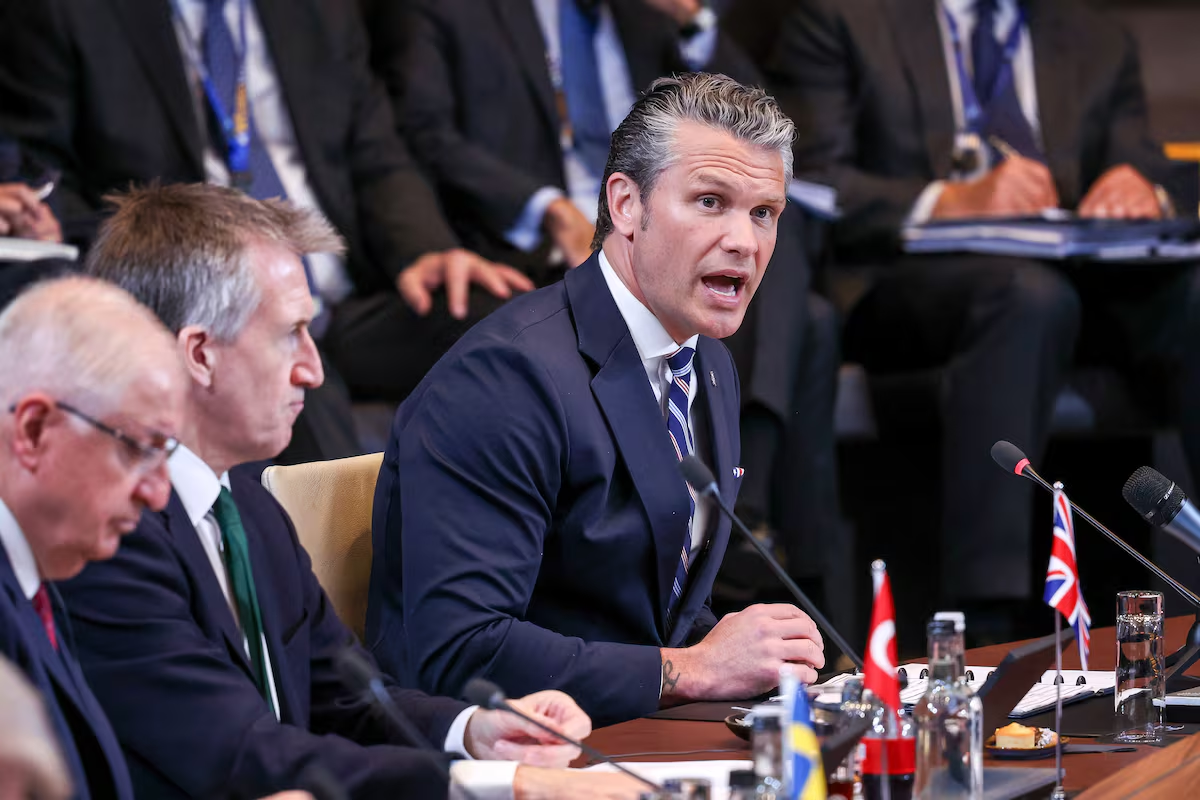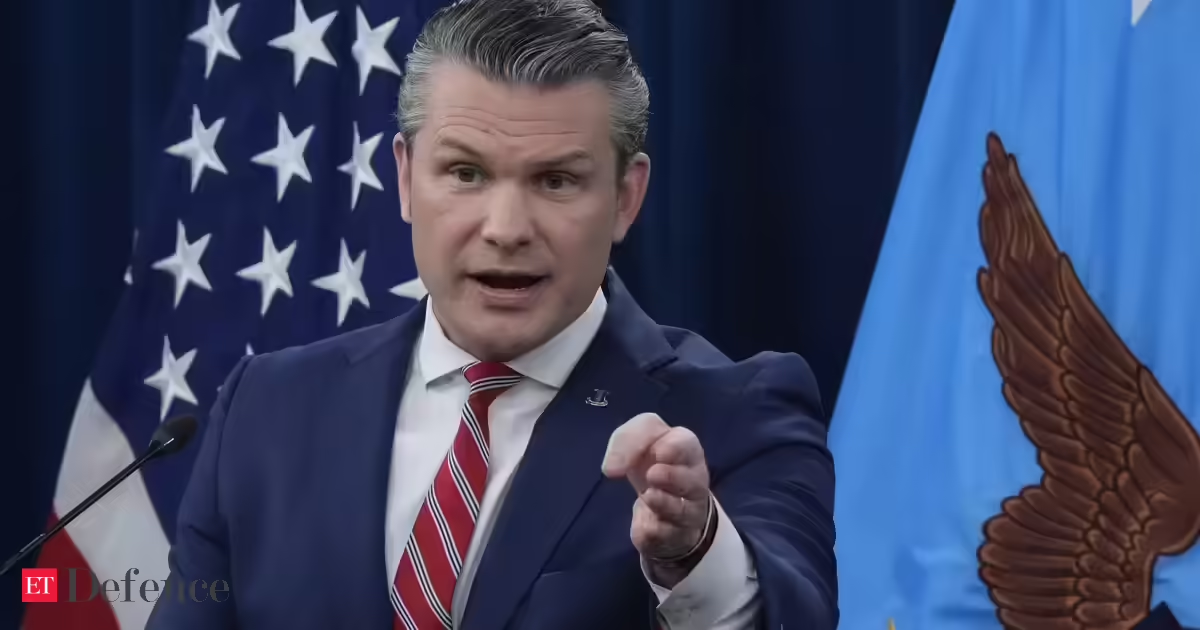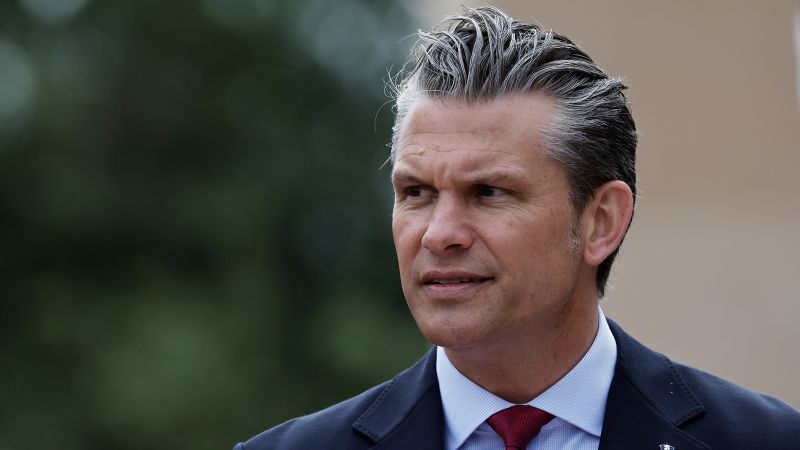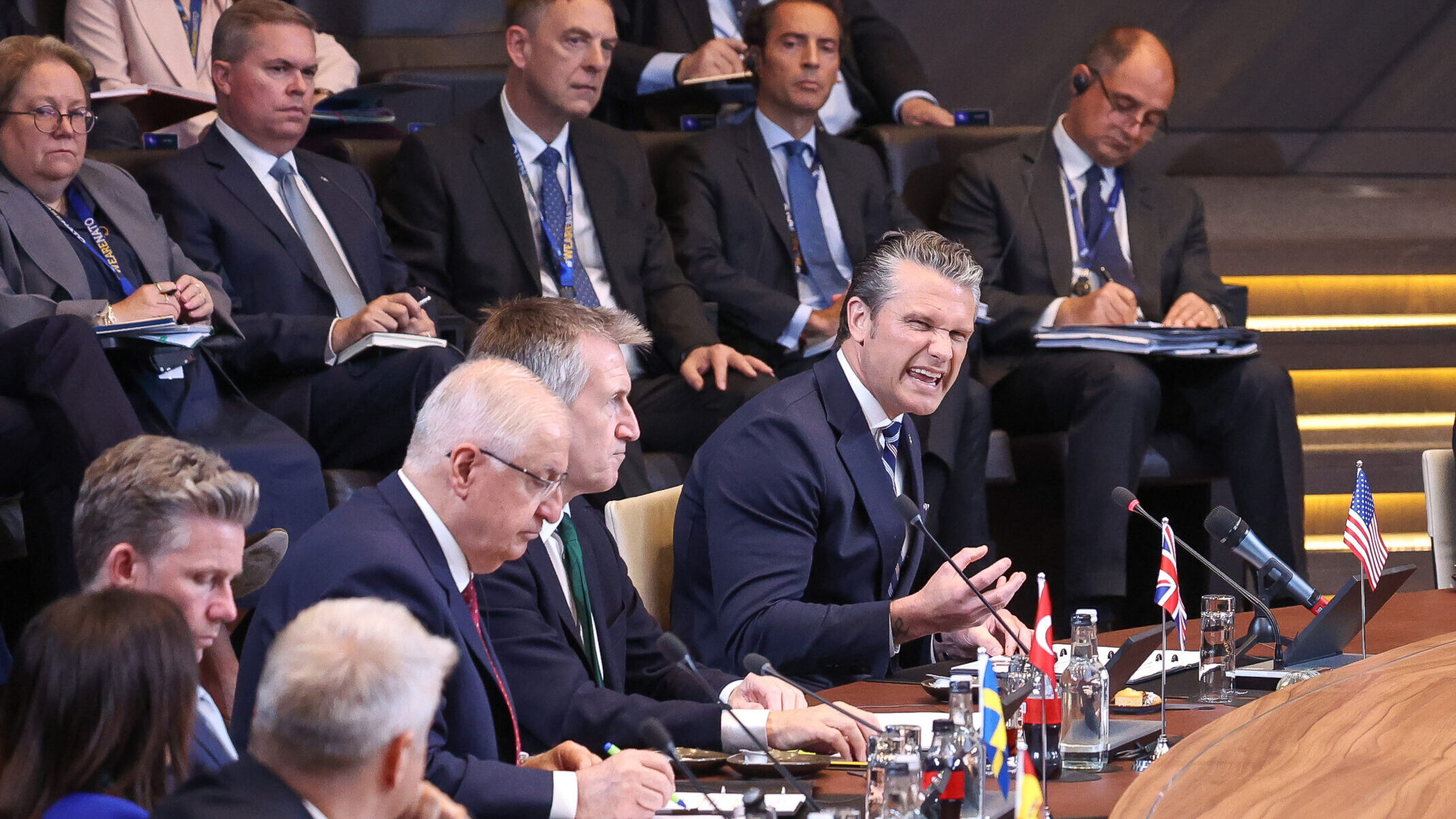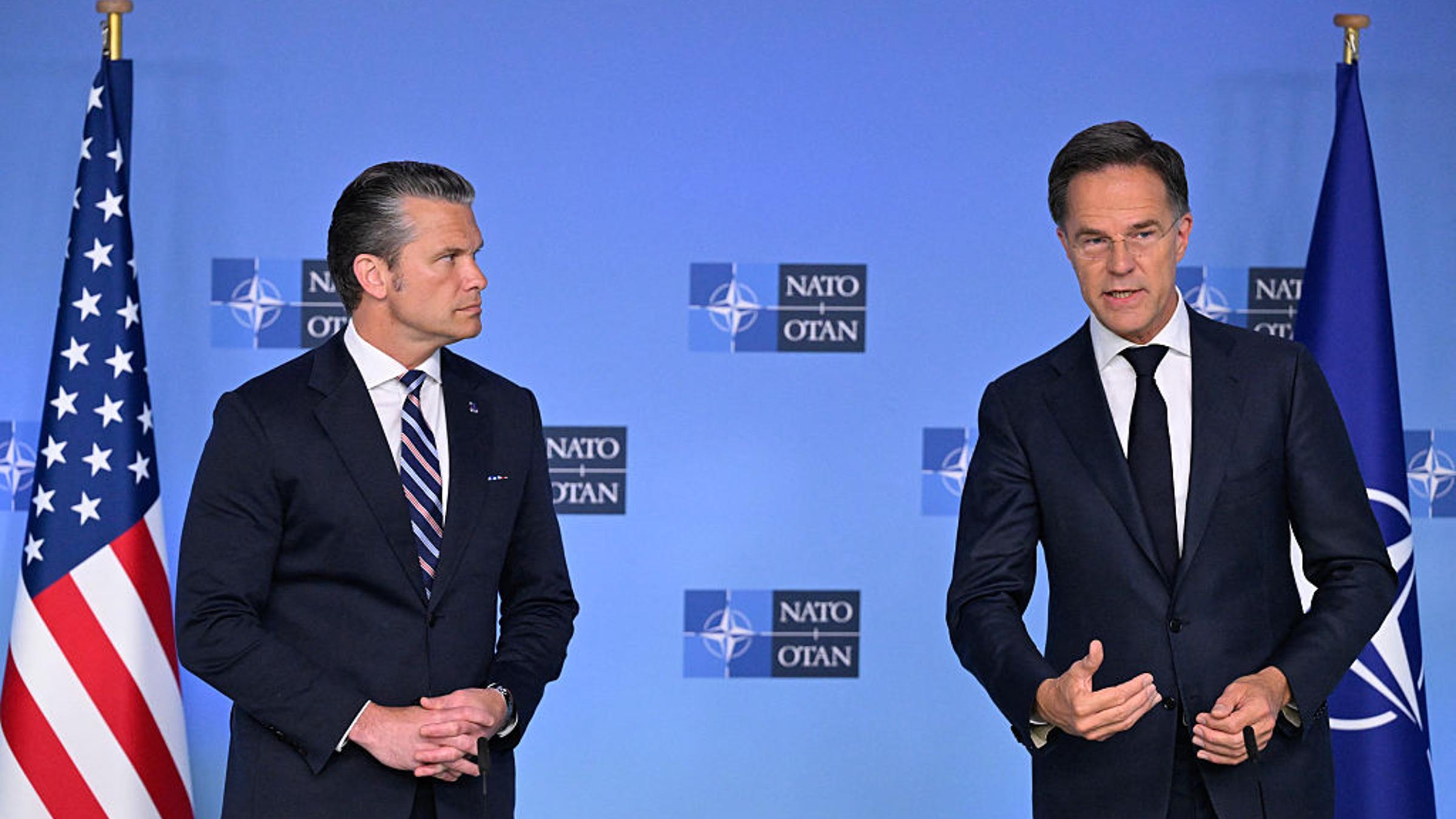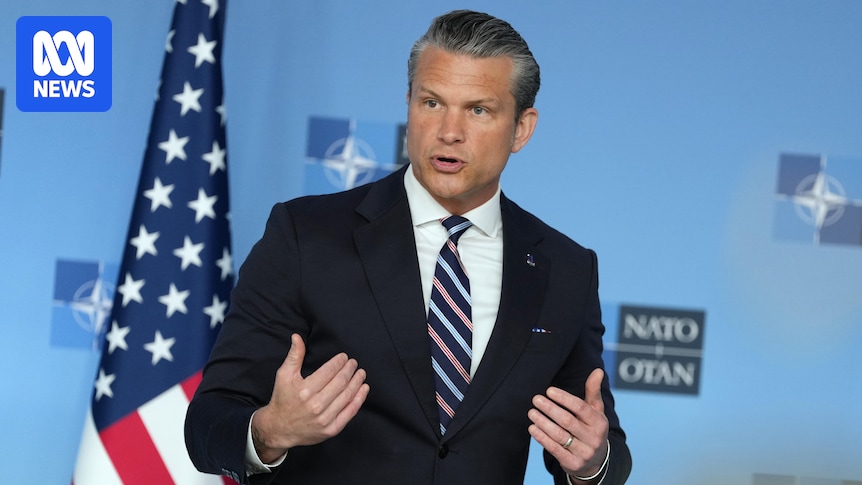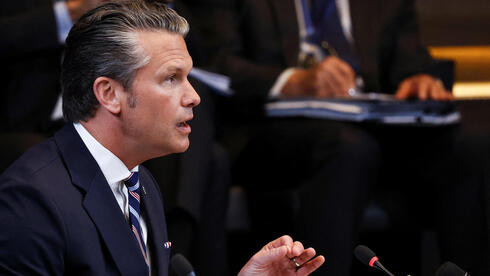
Pentagon chief told NATO ministers in Brussels that Washington’s future posture on the continent will depend on how quickly Europe assumes greater responsibility for its own defense, while also criticizing allies over spending, migration policies and refusal to support US operations against IranU.S. Defense Secretary Pete Hegseth used a meeting of NATO defense ministers in Brussels on Thursday to deliver a sharp rebuke to Washington’s allies, announcing a six-month Pentagon review of American forces in Europe whose outcome, he said, would depend on how quickly European countries take greater responsibility for their own defense.“This will be a real review. It will be designed to ensure that NATO is moving fast and irreversibly toward Europe leading, stepping up to take primary responsibility for the defense of Europe,” Hegseth told his counterparts.3 View gallery (Photo: REUTERS/Stoyan Nenov)The remarks marked one of the Trump administration’s bluntest warnings yet to the 32-member alliance. Hegseth said the administration wants a reboot of NATO into what he called “NATO 3.0,” arguing that the alliance must become capable of deterring threats with real military power rather than relying on U.S. guarantees. He said NATO had become “a paper tiger and a one-way street,” adding: “No more.”President Donald Trump has long accused NATO allies of relying too heavily on American military spending while failing to invest enough in their own defense. Under pressure from Washington, and against the backdrop of Russia’s war in Ukraine, many NATO members have increased defense budgets, with the alliance now pushing members toward a 5% of GDP defense-spending target. Some countries are moving closer to that goal, while others remain far behind or have resisted the demand.Hegseth said Washington would tie its own contributions to the pace of allied spending increases. “Where other allies do not spend with urgency, our dues, contributions will go down. NATO will be a two-way street,” he said.The U.S. defense secretary also argued that Europe was never meant to depend so heavily on American power. He said the United States is now trying to push NATO toward a model in which Europe takes primary responsibility for the continent’s conventional defense, while Washington remains a strong ally. “Europe can and must take primary responsibility for its conventional defense as it pledged at The Hague Summit,” he said.Hegseth also used the meeting to criticize NATO countries that refused to allow the U.S. to use European bases and airspace for operations against Iran, calling the refusal “shameful.”He said too many allies “said no, or tried to drown us in arcane legal debates, or criticized us publicly for doing what they aren’t prepared or able to do themselves.”3 View gallery (Photo: Omar Havana/Getty Images)“These allies, they put America’s sons and daughters, our sons and daughters, at risk by denying them the predictable access, basing and overflight that never should have been in question at all,” Hegseth said.His comments came weeks after the Trump administration told allies that the U.S. would no longer automatically provide certain warships and aircraft if a NATO member came under attack, according to AP. European allies and Canada are now working to determine how to fill those gaps.Under Article 5 of NATO’s founding treaty, an attack on one member is considered an attack on all. The clause does not legally require each member to provide military support, but for decades the working assumption was that many allies would do so if it were invoked.Hegseth also echoed broader Trump administration criticism of European domestic policy, attacking allies over migration, gender equality and climate priorities. “Instead of tanks and fighters and air defenses, the focus has been on gender equity and climate change and defense austerity. Europe’s borders flew wide open, welfare states expanded, defense budgets cratered. Along with Europe’s belief in itself and its civilization,” he said.AP noted that Hegseth’s comments largely mischaracterized current European policy. European NATO allies and Canada have launched what the agency described as an unprecedented effort to expand defense spending and strengthen their armed forces. NATO Secretary-General Mark Rutte said Thursday that they spent $90 billion more on defense last year, a 20% increase over 2024. AP also noted that while Europe accepted large numbers of migrants and asylum seekers more than a decade ago, most countries have since tightened border controls.3 View gallery (Photo: U.S. Navy/Handout via REUTERS)The confrontation in Brussels underscored the widening gap between Washington and several NATO allies over burden-sharing, Iran and the future of U.S. military commitments in Europe. The Trump administration says it needs more flexibility to plan for possible simultaneous conflicts, including a potential confrontation with China in the Indo-Pacific, and wants Europe to take on more of the conventional defense burden on its own continent.For NATO, the message from Washington was unmistakable: the U.S. force presence in Europe, long treated as a foundation of the alliance’s deterrence posture, is no longer guaranteed in its current form. Hegseth framed the coming review as a test of whether European allies are moving quickly enough from dependence on American power toward what the Trump administration sees as a more balanced, and more demanding, alliance.
Hegseth lashes out at NATO allies, announces review of US forces in Europe
Pentagon chief told NATO ministers in Brussels that Washington’s future posture on the continent will depend on how quickly Europe assumes greater responsibility for its own defense, while also criticizing allies over spending, migration policies and refusal to support US operations against Iran
845 words~4 min read