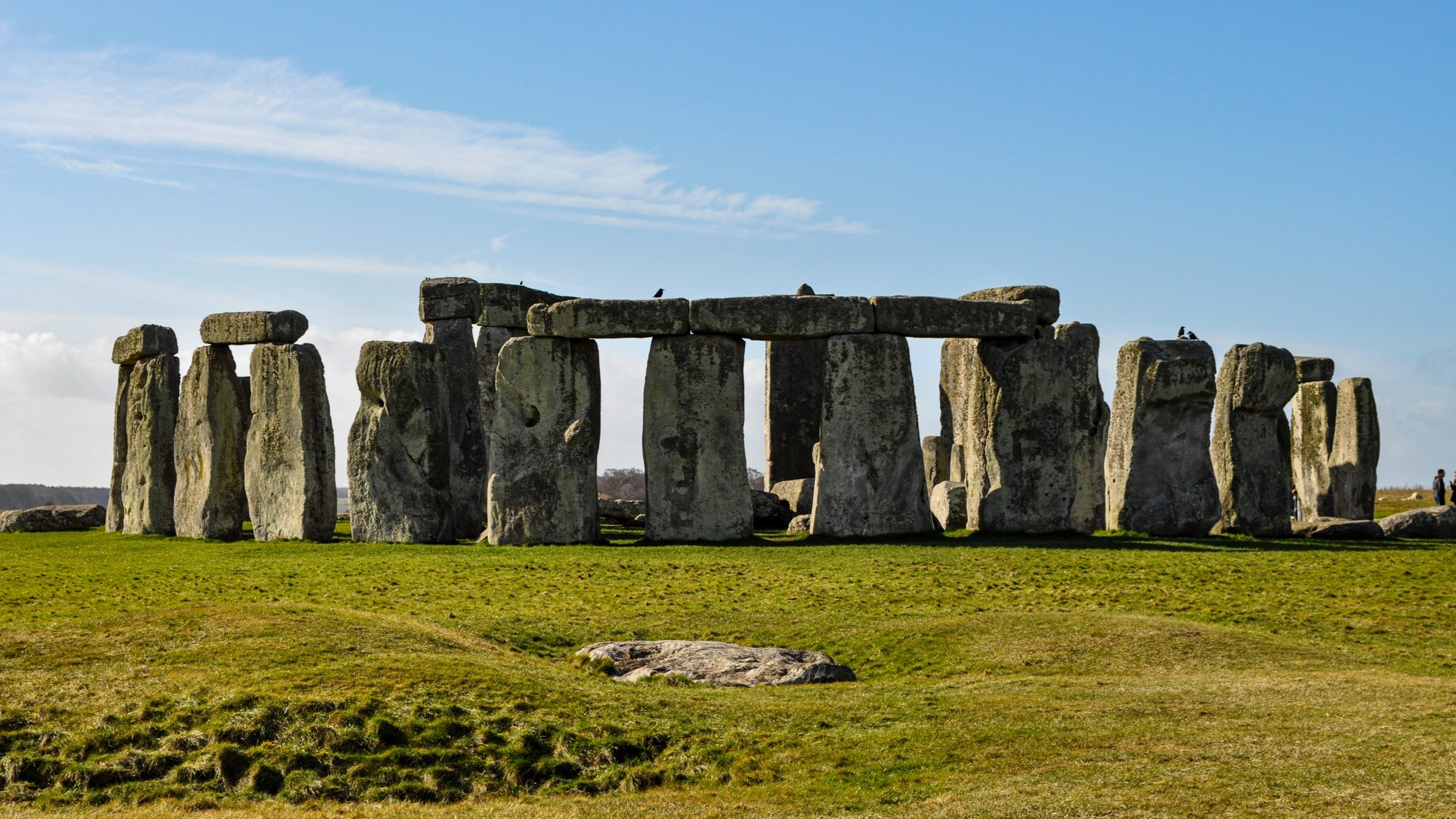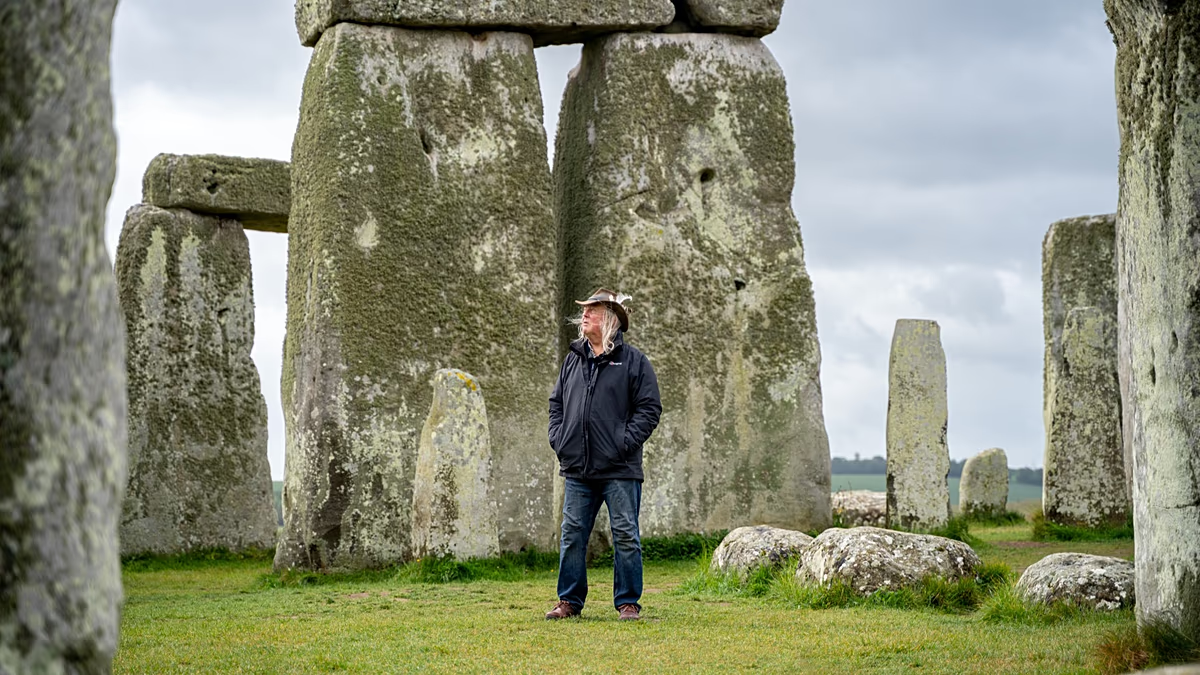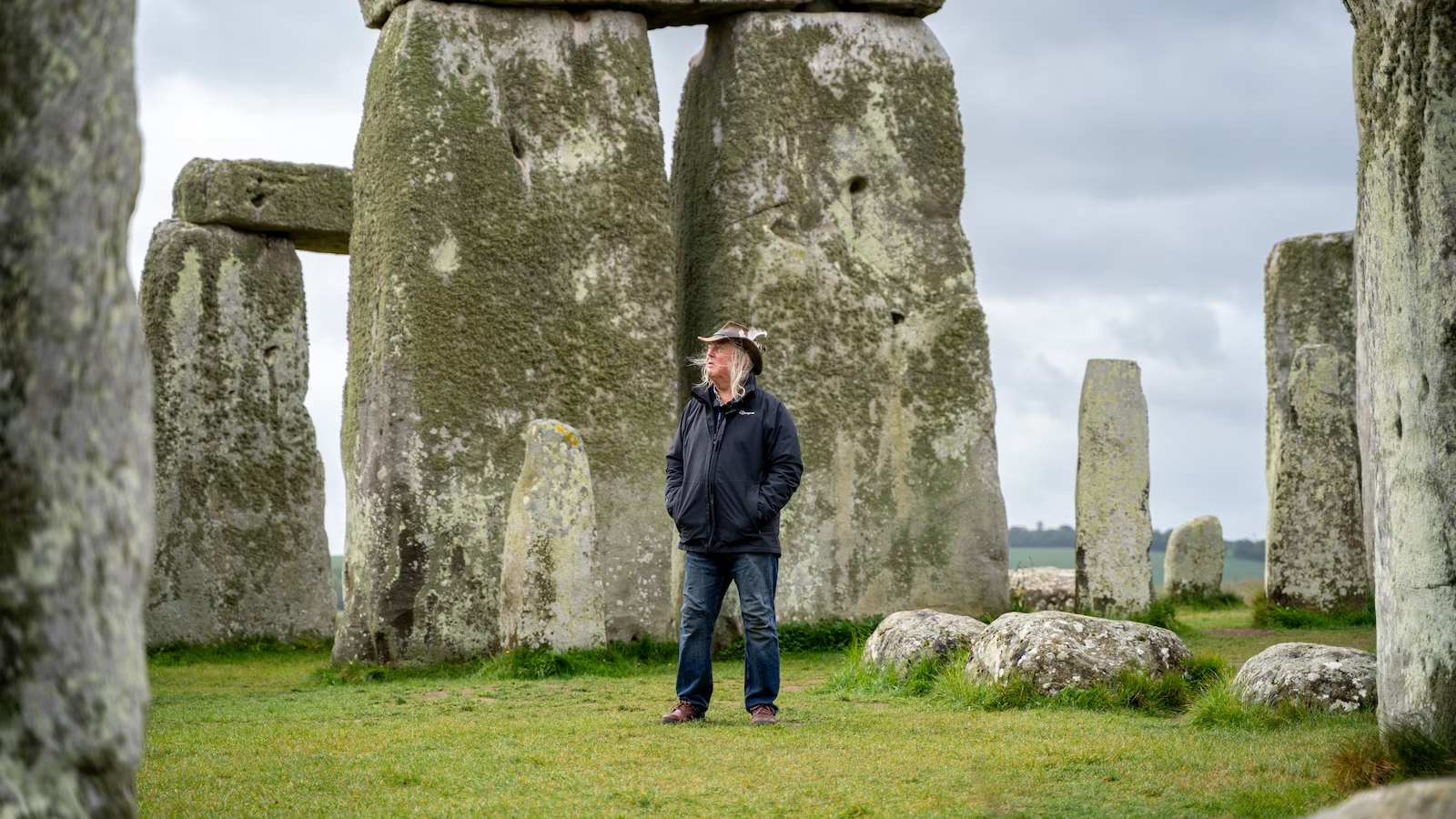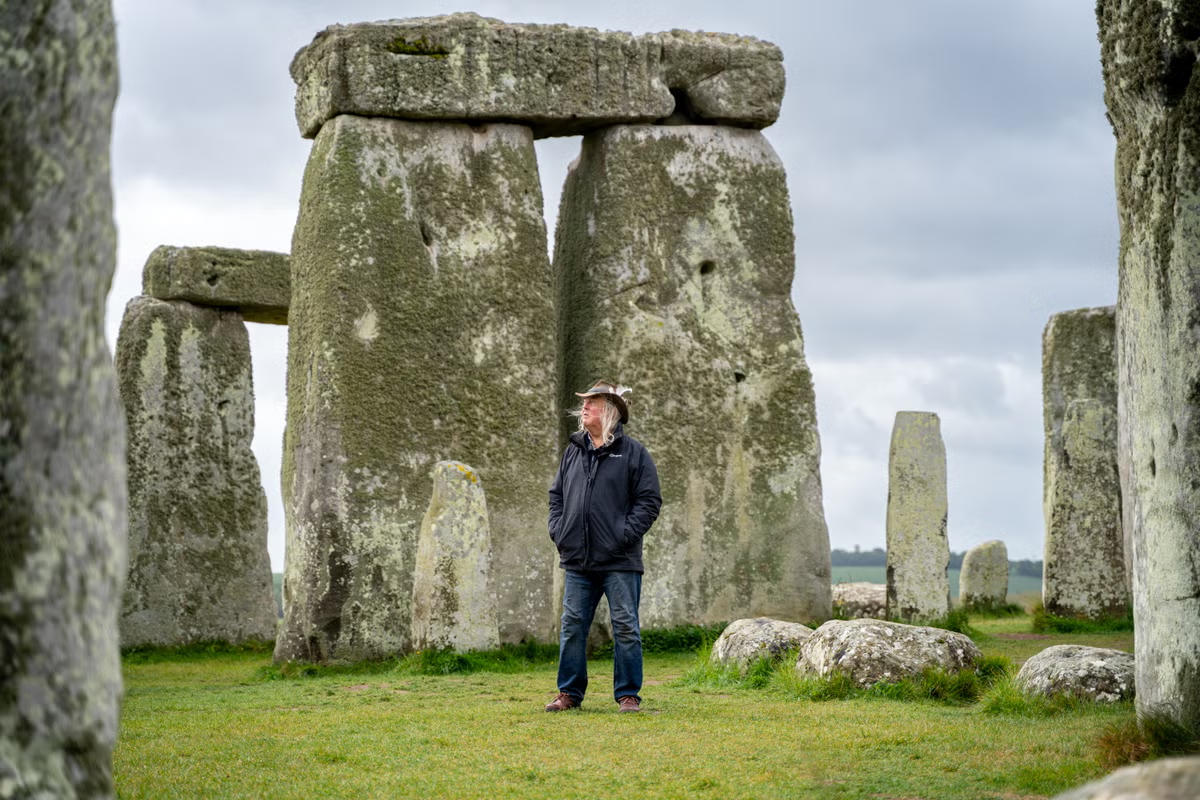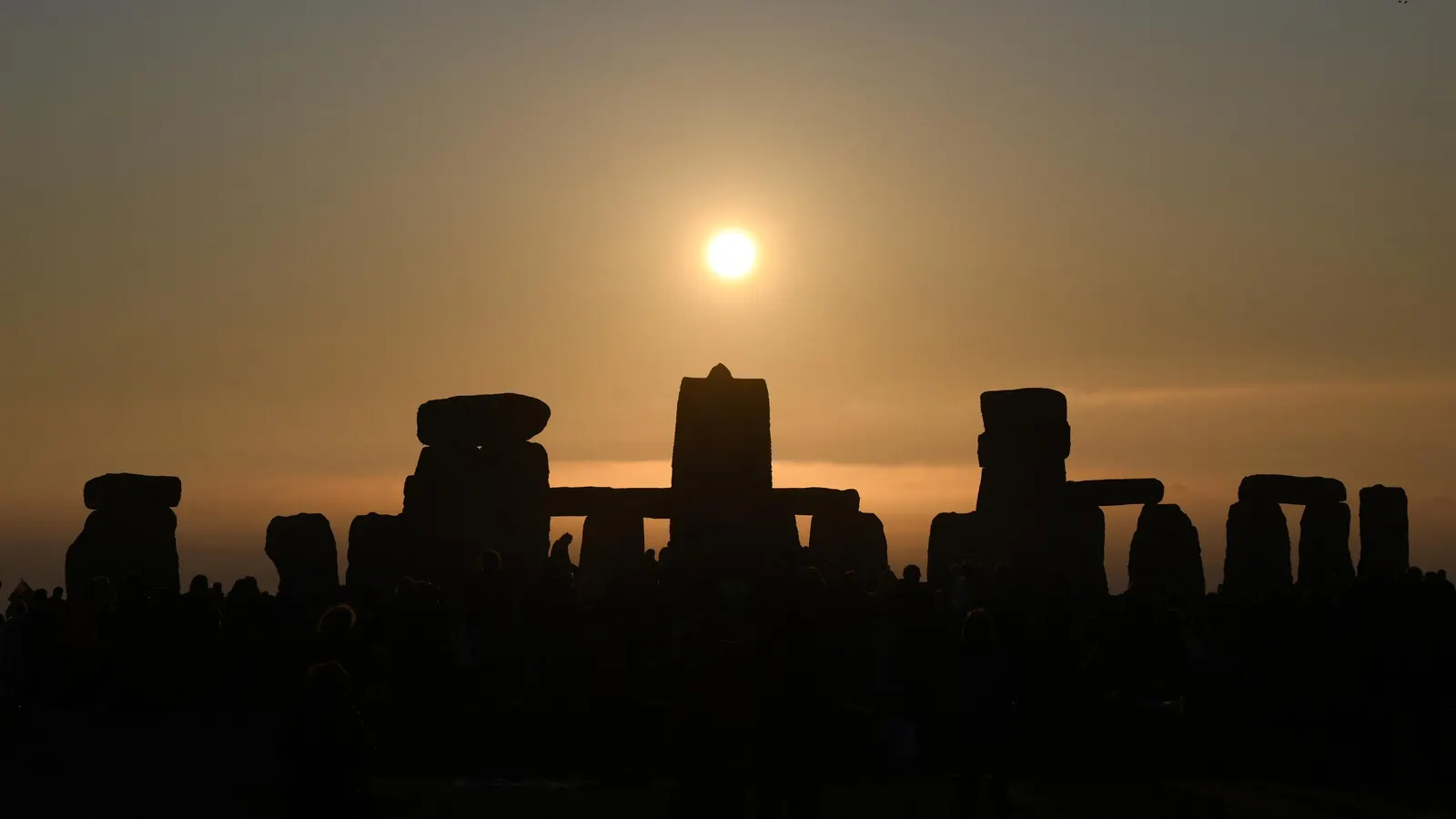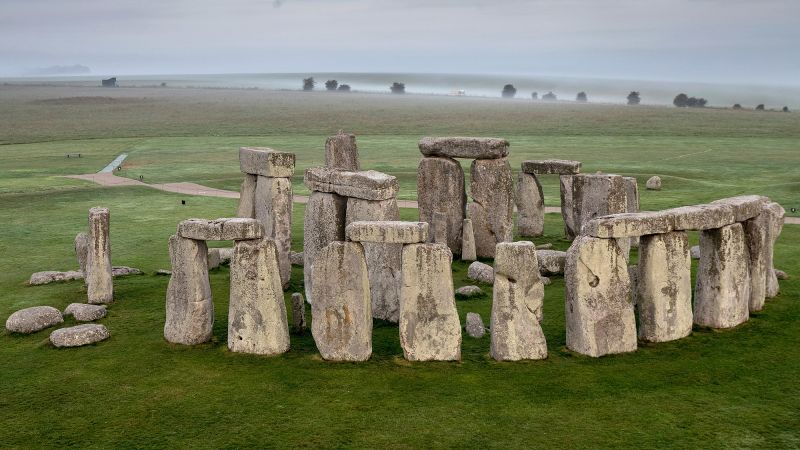
A 5,000-year-old structure discovered in southwest England may have been a prototype for the development of Stonehenge, according to archaeologists.
The structure, which consisted of two wooden poles placed 120 meters (394 feet) apart, would have lined up with the rising sun at summer solstice and the setting sun at winter solstice, the same alignment as the stones at Stonehenge, according to a statement released on Thursday from Wessex Archaeology, a British company that provides archaeological services.
A team led by archaeologist Phil Harding used radiocarbon dating techniques to ascertain that the wooden poles would have been placed into pits 5,000 years ago.
This is around the same time that the first earthworks at Stonehenge were built, while the famous stones weren’t put in place until 500 years later.
“The sun was incredibly important to these prehistoric communities, and they could plot and record its midsummer rising to a high degree of accuracy,” said Harding in the statement.