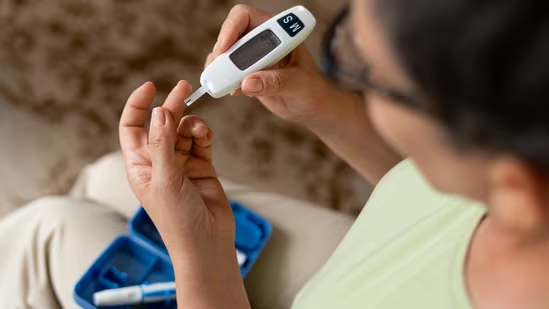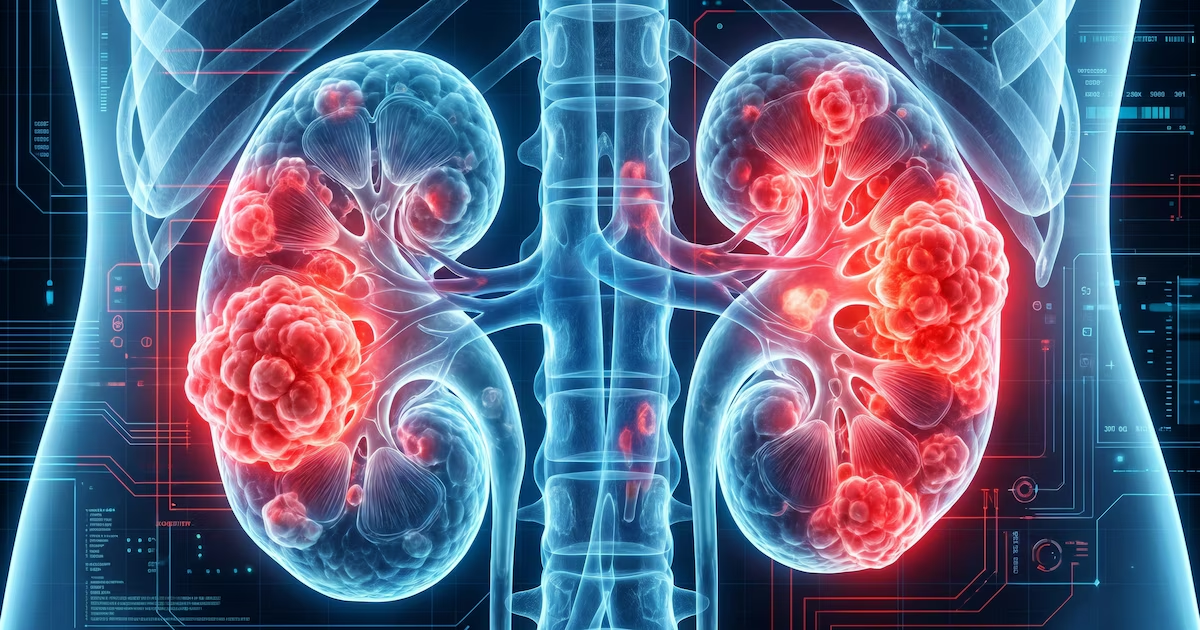
Kidney cancer often develops silently, making early detection difficult. Dr Ankit Jain explains the risk factors, warning signs and treatment options to know. Kidney cancer can be particularly difficult to detect in its early stages because symptoms often do not appear until the disease has progressed. According to Dr Ankit Jain, Senior Consultant, Medical Oncology, Indraprastha Apollo Hospitals, New Delhi, the kidneys can continue to function normally even when a tumour is present. (Also read: From 50°C heat to flash floods: Mental health expert explains how ‘climate anxiety’ is lingering in people’s minds )Dr. Jain highlights the importance of lifestyle in kidney cancer risk and treatment options. (Shutterstock)“Kidney cancer frequently goes unnoticed in its early stages because the kidneys can continue functioning normally despite the presence of a tumour. As a result, many cases are discovered incidentally during routine health check-ups or imaging tests performed for unrelated medical concerns,” said Dr Jain in an interview with HT Lifestyle.Lifestyle factors play a major roleWhile some individuals may have a genetic predisposition to kidney cancer, Dr Jain noted that most risk factors are linked to lifestyle habits and underlying health conditions.“Modern lifestyles characterised by tobacco use, excess body weight, physical inactivity and poor metabolic health are contributing to a growing burden of chronic diseases, including kidney cancer. Understanding these risk factors can help people make informed decisions about their long-term health,” he explained.According to Dr Jain, key risk factors for kidney cancer include:Tobacco useObesity and excess body weightHigh blood pressureDiabetes and metabolic syndromeChronic kidney diseaseLong-term dialysisFamily history of kidney cancerExposure to certain industrial chemicalsHe also highlighted the important connection between metabolic health and cancer risk.“An often-overlooked aspect of kidney cancer risk is metabolic health. Conditions such as obesity, diabetes and hypertension frequently occur together and can create a state of chronic low-grade inflammation within the body. Over time, these metabolic disturbances may influence cellular processes associated with cancer development,” said Dr Jain.Kidney cancer is often difficult to detect early due to the kidneys' ability to function despite tumors. (Pexels )Warning signs that should not be ignoredAlthough kidney cancer may not cause symptoms initially, certain signs warrant medical attention. “People should be aware of warning signs such as blood in the urine, persistent pain in the side or lower back, unexplained weight loss, ongoing fatigue and loss of appetite. While these symptoms can occur due to a variety of conditions, persistent or unexplained changes should always be evaluated by a healthcare professional,” Dr Jain advised.Early detection remains crucialCurrently, there is no routine screening programme for kidney cancer in the general population. However, some high-risk groups may benefit from regular monitoring.“There is currently no standard screening programme for kidney cancer. However, individuals with a strong family history of the disease, chronic kidney disease or long-term dialysis dependence may benefit from periodic evaluation. Many kidney tumours are detected incidentally through abdominal ultrasound, while CT scans and MRI are used to investigate suspicious findings further,” said Dr Jain.He emphasised that early diagnosis can significantly improve treatment outcomes. “Early detection is particularly important because treatment outcomes are generally more favourable when the disease is diagnosed at an earlier stage,” he added.Treatment strategies for kidney cancer vary by stage, with surgery being primary for localized tumors. (Unsplash)Advances in treatment optionsTreatment strategies depend on the stage and extent of the cancer. For localised disease, surgery remains the primary approach. “Localised kidney tumours are often managed with kidney-preserving surgery, including minimally invasive and robotic-assisted procedures. For advanced disease, targeted therapies and immunotherapy have significantly expanded treatment options and improved outcomes for many patients,” said Dr Jain.While treatment advances continue to improve survival and quality of life, Dr Jain stressed that prevention and awareness remain essential. “Maintaining a healthy lifestyle, recognising potential warning signs and seeking timely medical evaluation remain among the most effective ways to protect kidney health and improve outcomes,” he concluded.Note to readers: This article is for informational purposes only and not a substitute for professional medical advice. Always seek the advice of your doctor with any questions about a medical condition.Akanksha Agnihotri is a lifestyle journalist with over 3 years of experience. She is a psychology graduate and holds a postgraduate diploma in Radio and Television Journalism from the Indian Institute of Mass Communication, Delhi, where she graduated as a gold medalist. Originally from Bhopal, the beautiful capital of Madhya Pradesh, she draws inspiration from the city’s rich cultural heritage and layered storytelling traditions that subtly shape her narrative voice.
Why is kidney cancer often detected late? Oncologist shares early warning symptoms, risk factors and treatment options
Kidney cancer often develops silently, making early detection difficult. Dr Ankit Jain explains the risk factors, warning signs and treatment options to know. | Health
967 words~4 min read