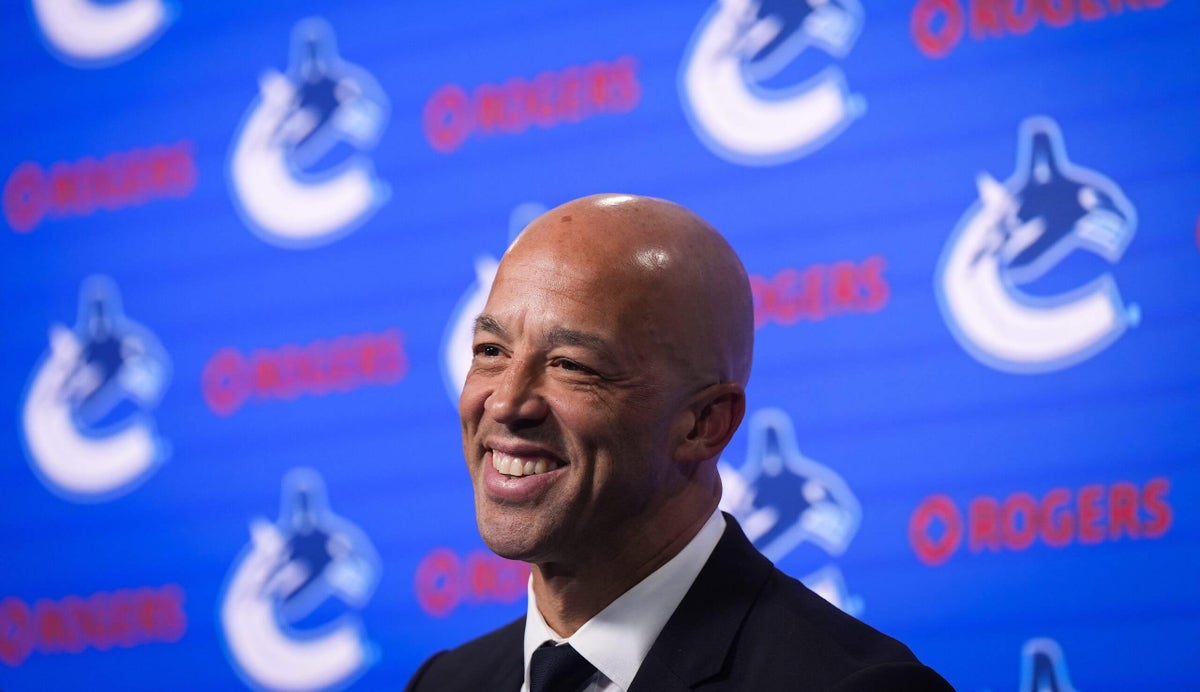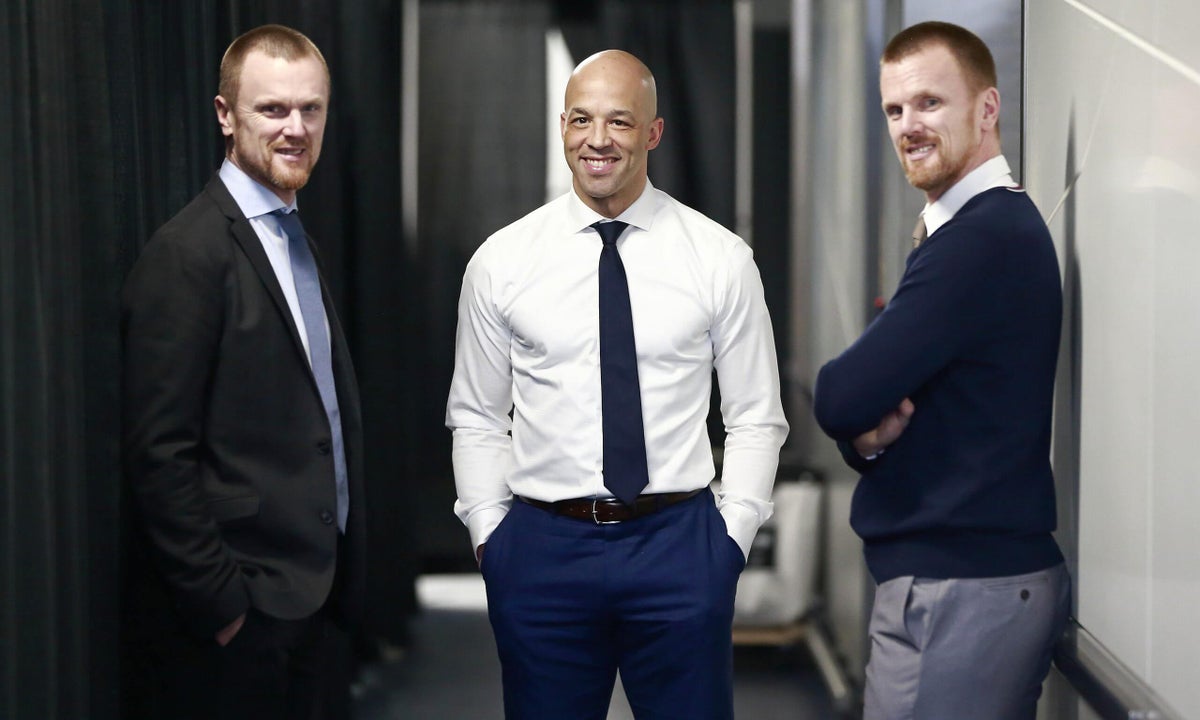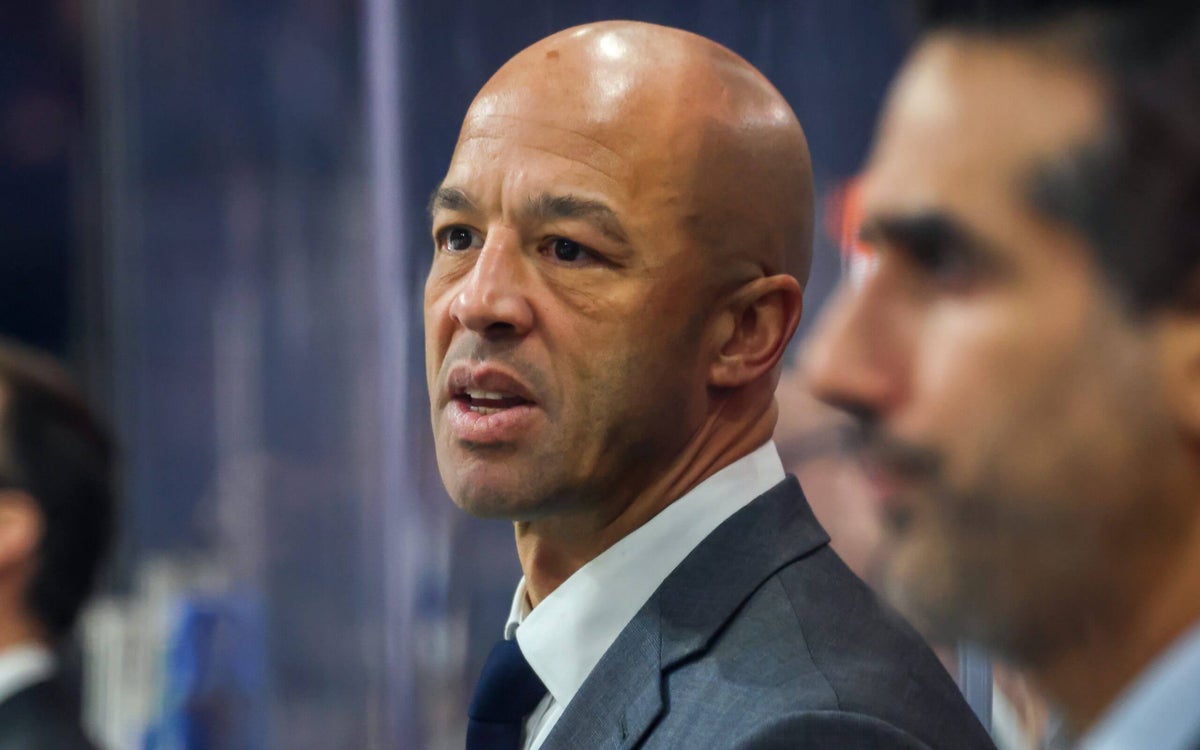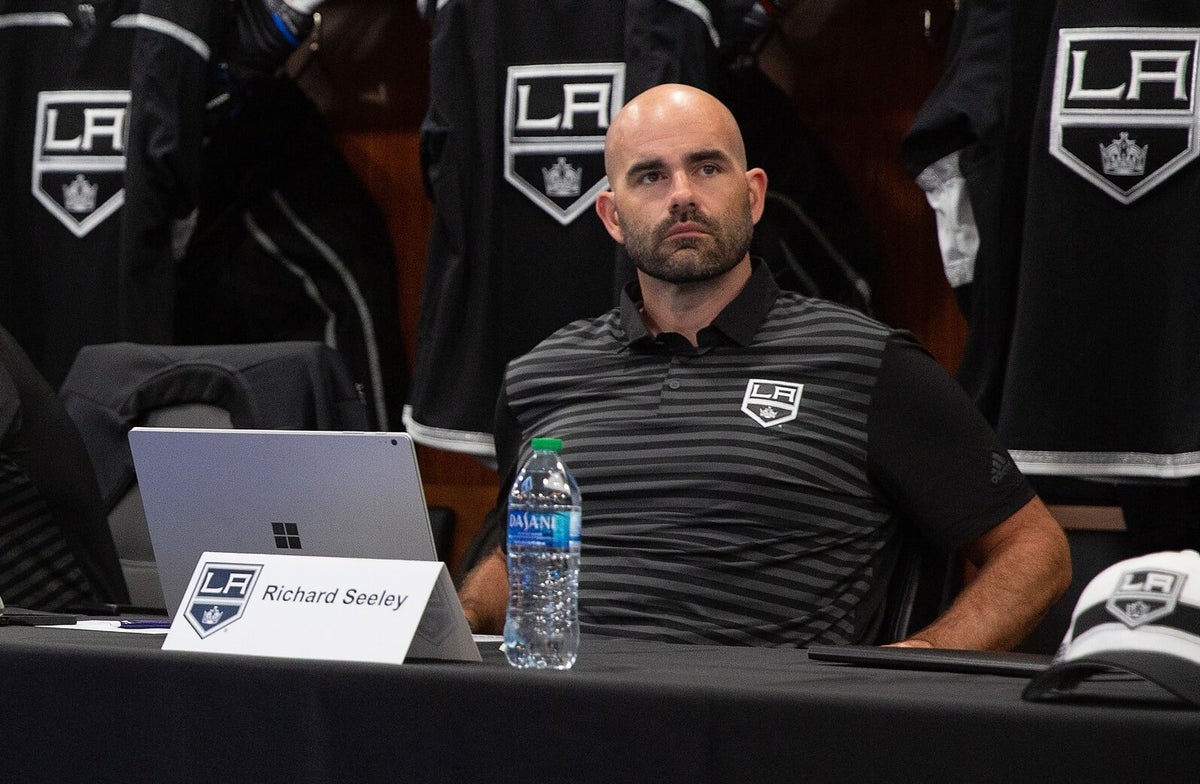
New Vancouver Canucks assistant general manager and Abbotsford Canucks general manager Richard Seeley is a local product.Hailing from Powell River, B.C., Seeley’s joining the Canucks is a homecoming.“Growing up in British Columbia and being in Powell River, you really get the sense of how important this team is to Vancouver and to the province as a whole,” Seeley told The Athletic on Wednesday afternoon. “You understand the kind of impact this team can have on and off the ice.“Having some of that understanding of the local nuances in my background, it’s good, and it’s exciting.”Seeley returns home to B.C. following over a decade working with the Los Angeles Kings, first as a head coach and general manager of the ECHL Manchester Monarchs, and then as the general manager of the AHL Ontario Reign for the past eight seasons.A Powell River Paper Kings player during his BCHL days, Seeley had a 15-year pro career as a defenceman. While he never worked his way up to the NHL as a player, Seeley spent 15 years playing in the AHL and Europe.Is Viggo Bjorck the best center in the NHL Draft?Corey Pronman, Scott Wheeler and moreNow he’s been tasked with helping to launch a rebuild in his home province, and understandably, he’s thrilled for the challenge.“I have family in the area, and I have a very supportive wife, and we all grew up watching the Canucks, and it doesn’t work without having that family buy in. So there’s a lot of excitement there. For sure, it means a little bit more …“I’m excited to come in and help support Ryan and his staff here. What we all want now is to have a long run and go about winning Stanley Cups here in Vancouver.”On Wednesday, Seeley took a moment to chat about implementing analytics in decision-making in the AHL, the central importance of player development and the lessons he took from having a front-row seat to the Kings’ rebuild in the earlier part of this decade.Note: The following conversation has been edited for length and readability.Richard, over the course of your American League management career, when did you first cross paths with Ryan Johnson and how would you characterize your relationship prior to the past week when you came to work for the Vancouver Canucks?Ryan and I probably connected about five or six years ago. Obviously, our teams competed against one another, and we’d see each other at the rink or at AHL league meetings. Ryan and I have a mutual friend, a former teammate of mine, and when I introduced myself to Ryan, I led with that.After that, we’d chat here and there, the odd time if we were looking at player transactions, or looking at potential fits for younger players. So we kept talking along the way.More than that, I always really respected the teams that Ryan put together down in Abbotsford.In those dealings, did you have a sense that there was some overlap in symmetry in how you and Johnson thought about the game?In a sense, yeah. We always competed against each other, and I’d often lose a player or two to Ryan. And probably vice versa, too.I came to really respect his eye for players, and the way his teams looked, competed, prioritizing leadership and had similar recruiting models. So there were some similarities for sure, and I admired some of the work he did from a distance.You mentioned your supportive wife, and there are certain things you can tell from a guy’s hockey card statistics. And one thing I can tell from your hockey career is that you definitely have a supportive wife.You had a long career in the American League and wore the “C” for multiple franchises. When you reflect on how your playing career has informed how you manage a team, and how you coached a team previously, how have you been able to apply what you learned as a player in how you manage today?Yeah, I’ve got a couple stops.I had a lot of great teammates. Spend the last little bit in Europe. Primarily with Los Angeles, the first five years I spent in their organization in the American League after getting drafted. It was fun, and I picked up some great life experiences, that’s for sure.I think it just gives you a lens. It makes it a little bit easier to relate to some of the challenges that players have, since you’ve often experienced similar things in the past.It goes to the human element, you’re just able to talk through it and have an understanding of what they’re going through and be supportive. You want to give players confidence, but you also have to have firm conversations with them at times. In that part, especially, I think my time as a player has been invaluable.This is true for everybody, no matter what their background is. Everyone has a different lens to help them understand where they are now. For me, having been a player and been part of a team and having an understanding of how some of the successful teams I was part of operated, it’s been valuable to me. Then, going through, playing a lot of games in the American League level, too, I think it’s helped me relate to the players.
Meet Canucks’ new AGM: Why Richard Seeley came home, using analytics, more
On Wednesday, Seeley took a moment to chat with The Athletic about joining the Canucks front office.
2,509 words~11 min read