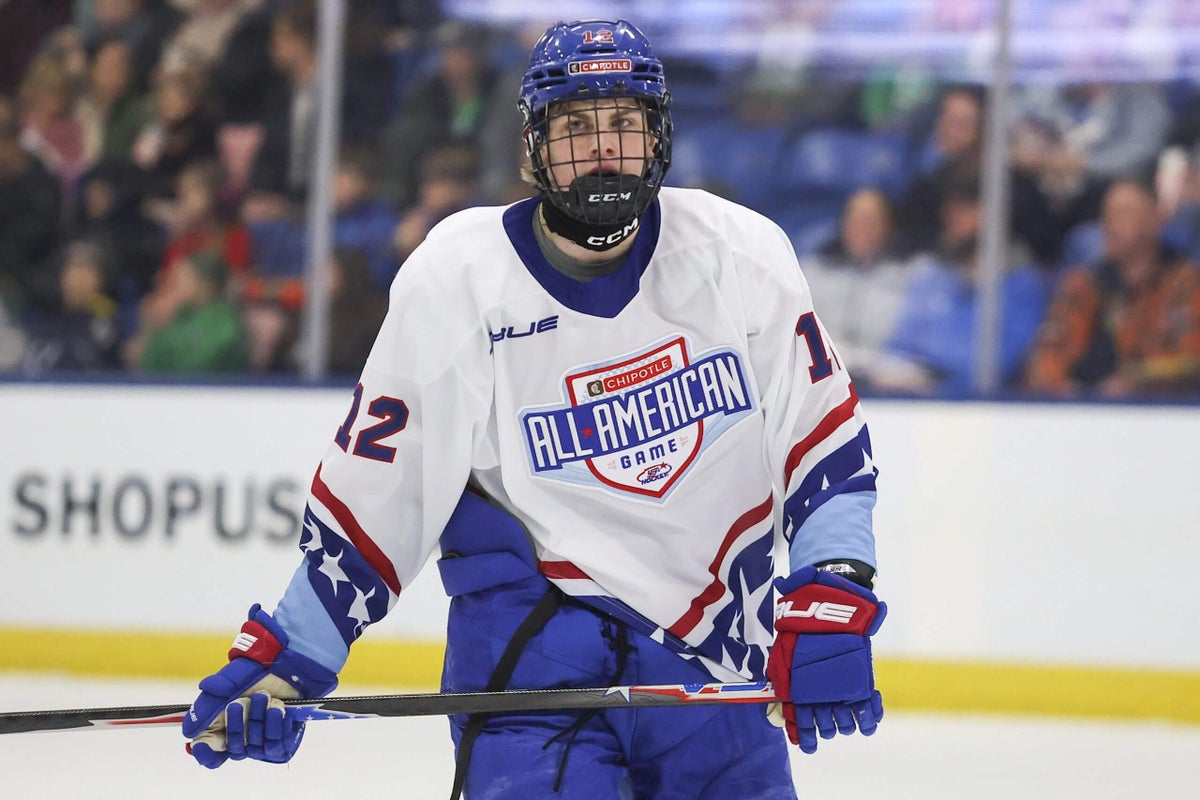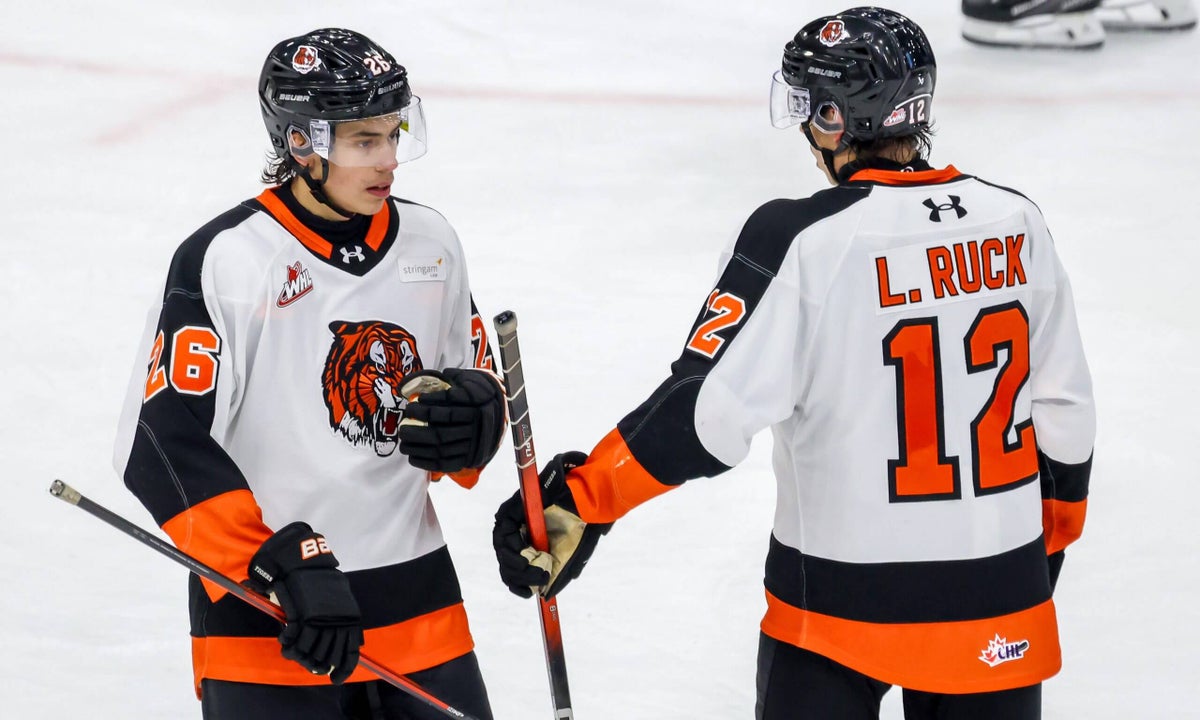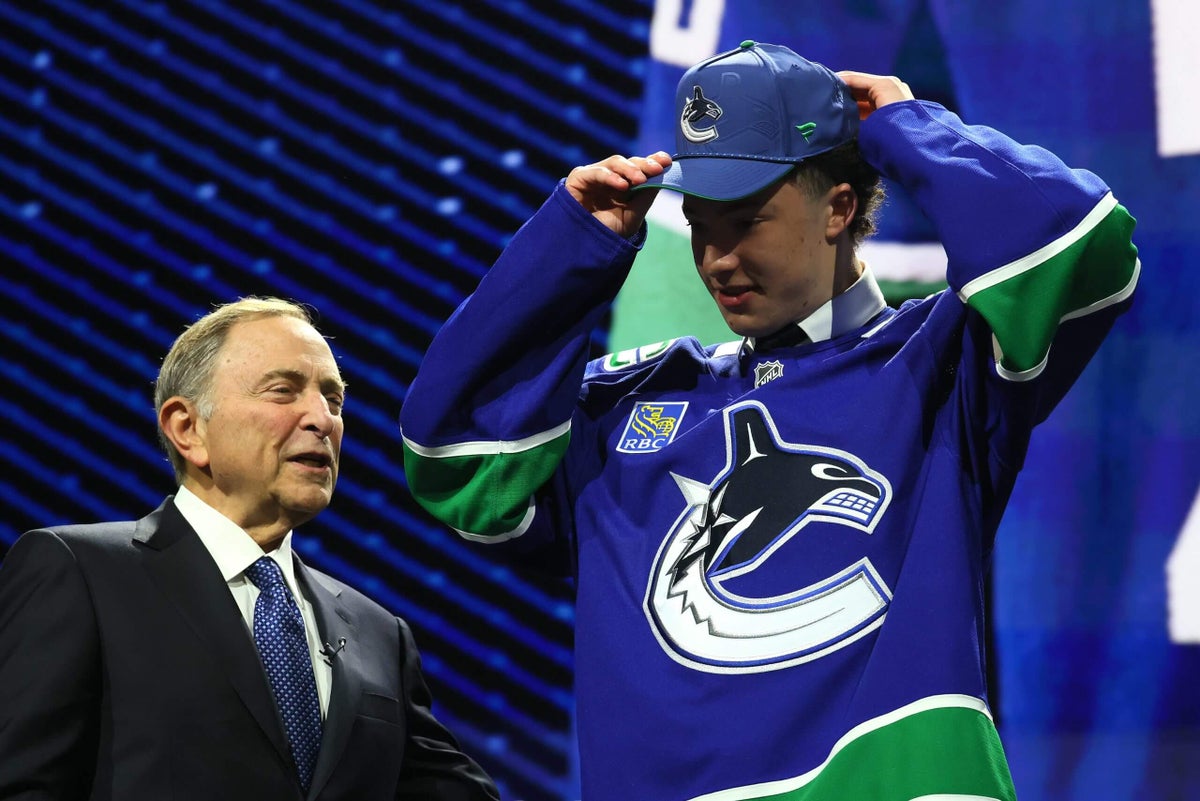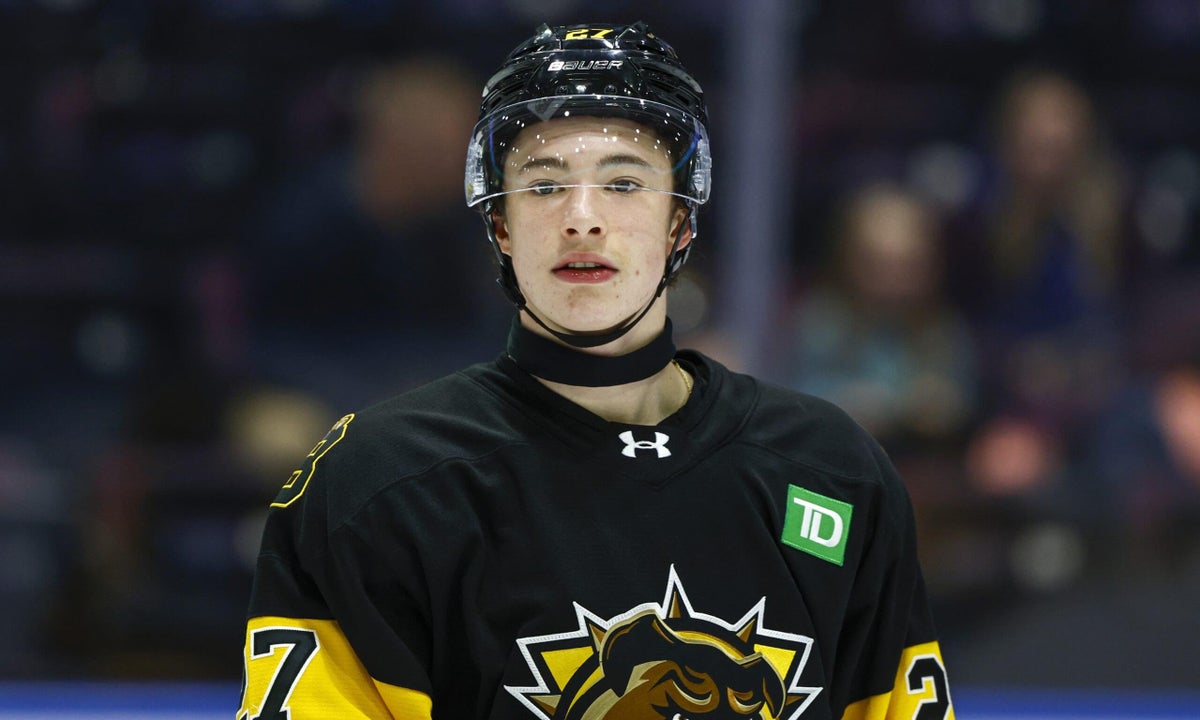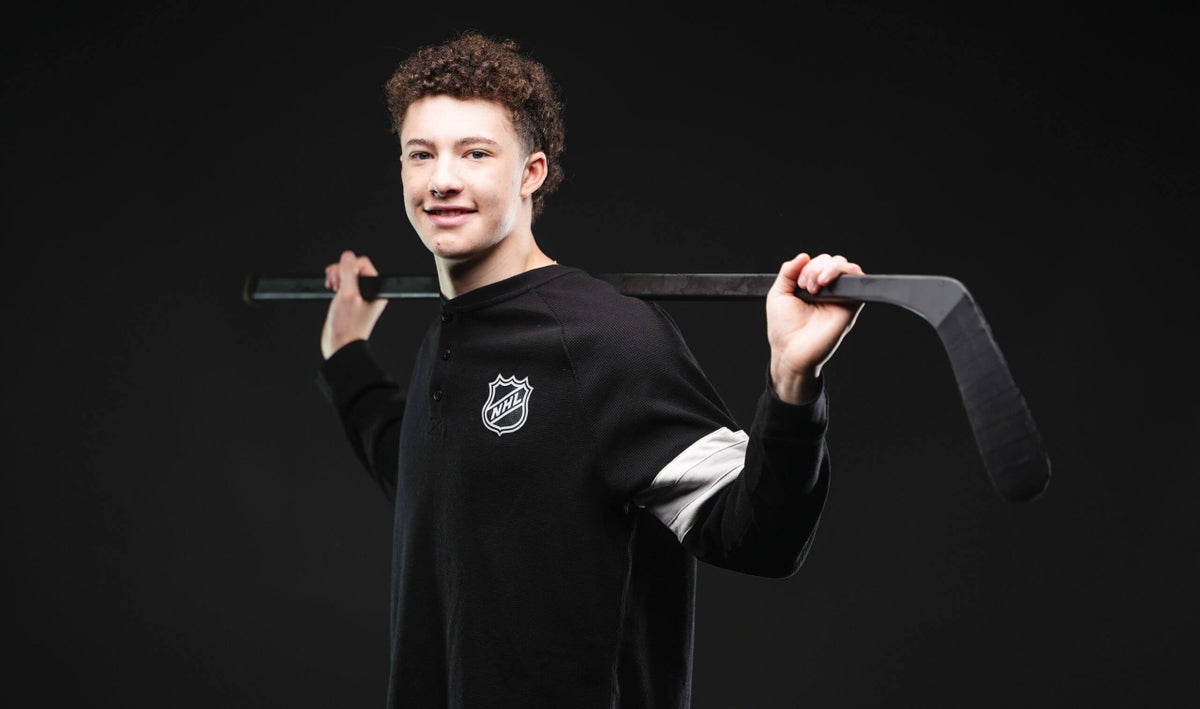
BUFFALO, N.Y. — Despite all the changes at the top of their hockey operations department over the past month, the Vancouver Canucks brought a larger contingent of management personnel to the NHL Scouting Combine in Buffalo, N.Y., than they have in previous years.Obviously, some of the various responsibilities and makeup of this new-look Canucks front office structure are a work in progress as the Sedins and Ryan Johnson era gets started. One thing, however, is certain: the importance of the 2026 NHL Draft for the future of this franchise is absolutely enormous.“It’s a huge draft for us,” Canucks assistant general manager Cammi Granato told The Athletic on Saturday. “We haven’t been at the top of the order like this, and we haven’t had this many picks. We had more people attending, and we’ve had big changes here.“Moving forward, we’re in a rebuild, and hopefully we’ll have multiple picks again. We’re thorough every year, but the importance this year is amplified, and we really wanted to be dialled in.”Let’s wrap up our coverage from the combine by emptying our notebook on Caleb Malhotra and sharing some observations from Saturday’s combine testing day.“The sorest loser in the family”There was a lot of interest in Caleb Malhotra from media folks gathered in Buffalo, and a lot of that interest was family-focused.Obviously, Caleb Malhotra’s father, Manny Malhotra, was named Canucks head coach last week and was formally introduced at a news conference on Thursday morning in Vancouver. The next day, on Friday afternoon, Caleb was in a news conference environment in advance of the combine’s athletic testing, handling a variety of pointed questions about his reaction to his father’s new job and how he’d view the possibility of playing for him if the Canucks were to select Caleb with the No. 3 pick.My prevailing thought in observing Caleb handle all of these questions as he worked through the media portion of combine week is that the situation feels largely unfair to him.We’re talking about a high-end draft prospect in his own right. He’s his own player and person.Being in those news conference environments and scrums, it often seemed like Caleb’s accomplishments, his game and who he is as a person and a player, were a secondary matter. So many of the questions were focused instead on Manny.At the combine, the draft-eligible players in question are often keen to make a positive impression. Demonstrating that you can represent yourself professionally in a media environment is part of that, but I thought Caleb did an especially impressive, polished job, especially given the repeated nature of the questions he was asked.During his lengthy scrum following his athletic testing, for example, Caleb had handled about six consecutive questions about Manny. So I piped up, and noted how frequently he’d been asked about his dad, and instead turned the conversation to his uncles — Canadian basketball legend Steve Nash, and former professional soccer player Martin Nash — and asked Caleb about how growing up in a family of competitors had shaped him as a person.“It’s a big part of who I am, and it’s been a big part of my upbringing,” Caleb answered. “I’m very grateful to have been around competitors (my whole life) and to have learned how to work.“I don’t think a lot of people have that instilled in them, but I’ve been lucky enough to have that in my family and around (me) for my entire life. It’s a big part of who I am, how I compete on the ice, and in the gym, and how seriously I take the off-ice ritual.”Does having that sort of upbringing impact how intense and competitive silly things like mini sticks and games night at the Malhotra household are?“Yeah, even just playing little games, cards, whatever it is,” Caleb said. “My younger brothers are pretty good. Whenever they give me a challenge, I get pretty frustrated. My dad calls me the sorest loser in the family, so I guess I don’t take losing very well.“It’s very competitive in our household, competing with my little brother, my parents, and even my little sister at times. It’s always fun. It’s something that (I’ve been raised around) in my family.”Another thing that occurred to me as Caleb handled a variety of market-specific questions — “What do you remember about your dad’s time in Montreal?”; “Do you remember anything about the year your family spent in San Jose?; “You were born in Columbus, right? Do you have any memories of growing up in Ohio?” — is that Caleb must’ve lived through an unusually nomadic childhood, as the son of a journeyman NHL player.“Yeah, it’s not like a lot of guys (have experienced),” Caleb acknowledged when I put that question to him.“As a kid, you sort of see it as annoying. You don’t want to move and start up with a different school, different friends, different teams,” he reflected.“I kind of see now that it was a privilege at the same time. I had to learn to get along with different people, make new friends, start on new teams, so it helped my people schooled and I had to learn to play for different coaches and play with different guys.”The timing of Manny’s hiring in Vancouver and the uniqueness of the Canucks owning a pick in range to select Caleb made this week into something of a media circus for him. That he handled it with such maturity was impressive, and made it easy for me to understand why Caleb has been so frequently tagged with that “future captain” label by evaluators in the industry.He’s clearly thoughtful and composed. And in chatting informally with him briefly on Saturday, it was apparent too that he has a pretty wide variety of interests and hobbies outside of hockey.For now, it’s worth keeping in mind that, as interesting as the situation with the Canucks and his dad is, once the dust settles, whether Caleb is ultimately selected by the Canucks or not on draft day, he’ll have the opportunity to be defined by the player he becomes and the person that he is.Five Canucks-relevant combine testing observationsHere are five observations on the combine testing day itself, and some results that I think are worth noting with Vancouver’s draft day plans in mind.1. Canucks brass didn’t stick around for the testing events on SaturdayThat isn’t unusual among NHL general managers, nor is it unusual for head scouts. In discussing the importance of the testing with a variety of experienced evaluators, the prevailing sentiment is that observing testing is a part of some scouting directors’ process — usually because they want to get a sense of how these young men compete, more than anything — but even among those folks, it generally isn’t a critical component in building out a draft list, or evaluating amateur talent. Toronto Maple Leafs general manager John Chayka was there on Saturday, as was San Jose Sharks general manager Mike Grier. None of the other directors of amateur scouting or GMs for teams selecting in the top five were present on Saturday, however.The entire event is filmed for NHL teams to review after the fact in any event, which factored into the Canucks’ decision-making on whether or not to attend the testing on Saturday. Director of human performance Alex Trinca was present, as was the club’s strength and conditioning coach Mark Cesari.2. Caleb Malhotra has high-end athletic toolsThis isn’t a surprise. Malhotra’s athleticism shows through on tape when you watch his OHL shifts, but it was verified by standout performances in a variety of events — most notably his jumping ability, a proxy for skating power that teams weigh heavily, with top-10 scores in terms of his vertical and horizontal jumps and the force plate jump — on Saturday. Malhotra measured in at just under 6-foot-2 (6-foot-1 and three-quarters of an inch, a result which will be rounded up for official purposes), although it’s worth noting that listed height is one of the worst tools to utilize in evaluating hockey players. Usually, I complain about the hockey industry’s singular, obsessive focus on listed height to defend players of smaller stature who still seem to come out of board battles with the puck constantly and are immoveable forces at the net front, but it can negatively impact taller players like Malhotra, too. Malhotra, on tape, has such long limbs that his range as a forechecker and his ability to use his length to protect the puck play as if he were a 6-foot-3 or 6-foot-4 centre, even if he isn’t quite 6-foot-2.3. Ryan Lin’s athleticism should put size concerns to bedIt was a very good day for Vancouver Giants defender Ryan Lin, who measured in at 5-foot-11 and a quarter, or in other words, a quarter inch away from NHL teams rounding up and just calling him “6-feet tall.” For shorter defenders, the key separator is the ability to move, skate explosively and utilize those tools to avoid contact. It’s what separates Quinn Hughes from shorter defenders like Erik Brännström or Ty Smith in determining NHL-level outcomes. Generally speaking, the jumping events at the combine are dominated by the taller players with longer legs, but Lin’s results in the leaping events — including top-five finishes in both force plate jumps and top-15 finishes in the horizontal and vertical jump events — should put minds at ease, among those teams more preoccupied with athletic translatability in their evaluation process. Lin, clearly, is a very special athlete, in addition to having the high-end hockey IQ and standout production profile of a top-half of the first round calibre prospect.4. Ivar Stenberg’s decision not to test shouldn’t matterIt’s wild that Ivar Stenberg, less than a week removed from playing huge minutes and starring for Sweden’s senior men’s national team at the World Championship, even attended the combine in the first place. Historically, players whose season ended as late as Stenberg’s did wouldn’t even be at the combine in the ordinary course. That Stenberg declined to test, citing an illness he sustained after the World Championship, shouldn’t matter one iota in determining his draft stock. And it won’t.5. Don’t sleep on Matias Vanhanen I haven’t had the opportunity to really bang the drum for Everett Silvertips winger Matias Vanhanen, a probable late second-, early third-round pick, in this space yet. Given that Vanhanen was a standout in athletic testing on Saturday, however, I’ll take this opportunity to do so.Vanhanen, an 18-year-old player who’s a second-time draft-eligible prospect, had a pretty freakish showing on Saturday. He finished top-10 in the VO2 max, crushed the squats and the force plate tests and finished with a top-three vertical jump.That Vanhanen has high-end athleticism is notable because that doesn’t show through on tape. His game is slithery and far more dependent on anticipation and skill than it is on raw power. Vanhanen was the playmaker on a line with Carter Bear and Julius Miettinen, a trio that was the tip of the spear for the Silvertips’ high-octane offensive attack this season. His production is there, his hands are excellent, and while some in the industry question whether he’s a bit too perimeter-oriented, to my relatively untrained eye, he was very willing to go hard to the net and was solidly effective as a low-to-high passer out of the dirty areas of the ice.If Vanhanen were to slip to where Vancouver is picking with the 73rd pick on the second day of the draft, he would be a tremendous steal, in my opinion.
Canucks combine notes: Caleb Malhotra and 5 observations from prospect testing
Let's wrap up our coverage from the combine by emptying our notebook and share some observations from Saturday's combine testing day.
1,918 words~9 min read