Nearly 70 per cent of India’s policymakers, business leaders, academics and strategic experts believe India will emerge as a major global power within the next two decades
| Photo Credit:
Rawpixel
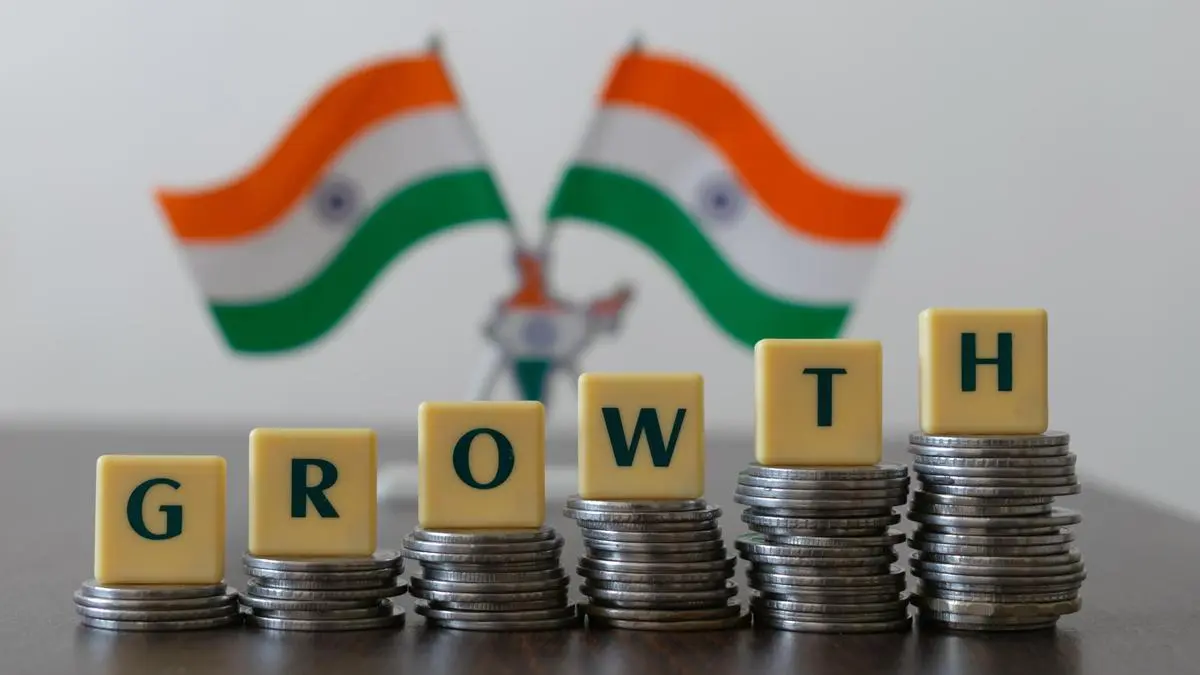
India is seen as an Emerging Global Power by Opinion Leader Survey with Strong Support for India-EU Trade PactNearly 70 per cent of India’s policymakers, business leaders, academics and strategic experts believe India will emerge as a major global power within the next two decades, while three out of four support an India-European Union Free Trade Agreement, according to a nationwide survey discussed at a high-level conclave in Bengaluru on Wednesday.The survey, titled “Navigating India’s Role: Perspectives on Security, Geopolitics and Trade,” was conducted by Rajneethi in association with the Friedrich Naumann Foundation for Freedom - India and Kalinga Kusum Foundation and involved 1,396 opinion leaders, policymakers, business executives, academics, media professionals and strategic experts across the country.The findings of the survey were discussed at a conference at the Shangri-La Bengaluru, titled ‘India’s Path to Global Power: What Roles India Seeks to Play in the World’, which was attended by several industry leaders, policymakers, diplomats and other experts.Domestic boostThe survey suggests that India’s global ambitions are closely tied to domestic development. While respondents expressed confidence in India’s economic growth and rise as a power, poverty alleviation and strategic autonomy emerged as the country’s foremost priorities.Approximately 44 per cent of respondents claimed that economic growth and trade partnerships should be the primary objective of India’s foreign policy, while 33 per cent claimed that India’s growing global influence should be leveraged to amplify domestic success. Rather than external security threats, respondents identified employment, education, poverty and pollution as more imperative concerns.US is tech powerThe study reflects a multifaceted approach towards global partnerships. While 89 per cent recognised the US as the world’s leading technological power, 80 per cent viewed Russia as India’s reliable, strategic partner. Furthermore, more than 90 per cent acknowledged China’s economic and technological strengths, despite regarding it as a key competitor.In fact, the EU emerged as one of India’s most promising long-term partners. Nearly 75 per cent of respondents supported an India-EU Free Trade Agreement and identified trade, technology, manufacturing, climate cooperation and innovation as the most promising areas for greater engagement.Among the several experts who partook in the conclave were former Rajya Sabha MP Rajeev Gowda, urban expert Ashwin Mahesh, Stefan Schott, Project Director of Friedrich Naumann Foundation India, and . S. Madheswaran, Adviser to Jain University. Rajeev Gowda praised Bengaluru’s extensive research and intellectual capital as it is fundamental for India’s growing role in global affairs. Stefan Schott additionally observed that India’s economic trajectory is making it inevitable to become the world’s third-largest economy by the end of the decade. Ashwin Mahesh expressed the need to reflect citizens’ aspirations, while Prof. S. Madheswaran remarked that the debate was no longer whether India would emerge, but “at what speed and on whose terms.”Published on June 18, 2026