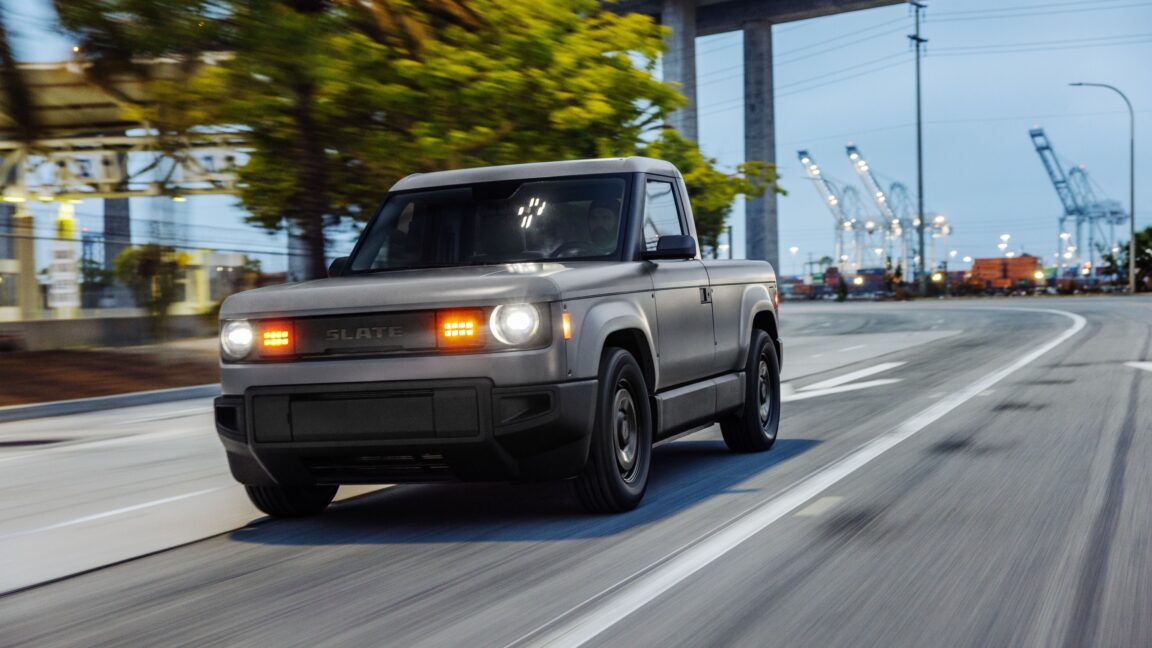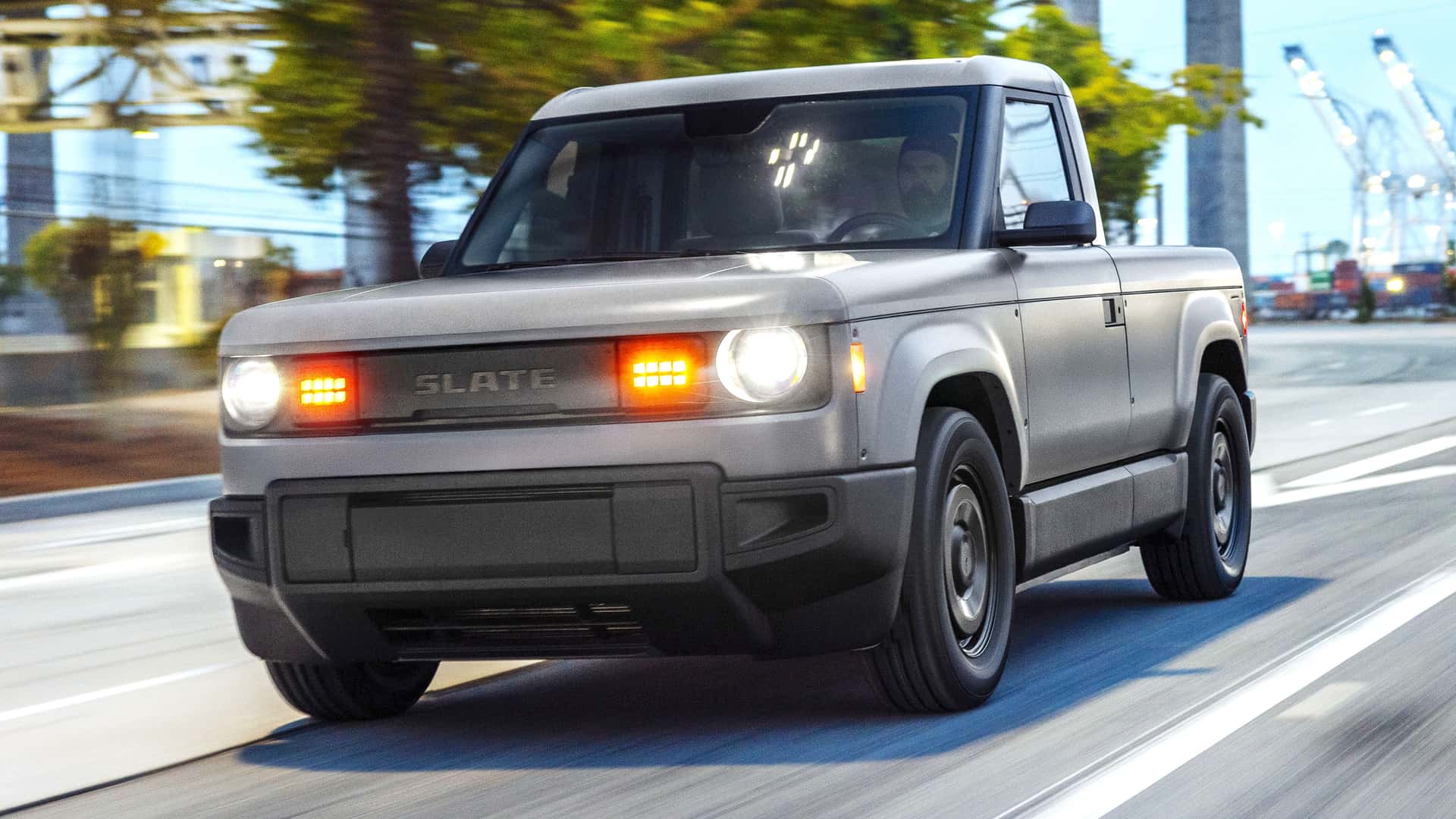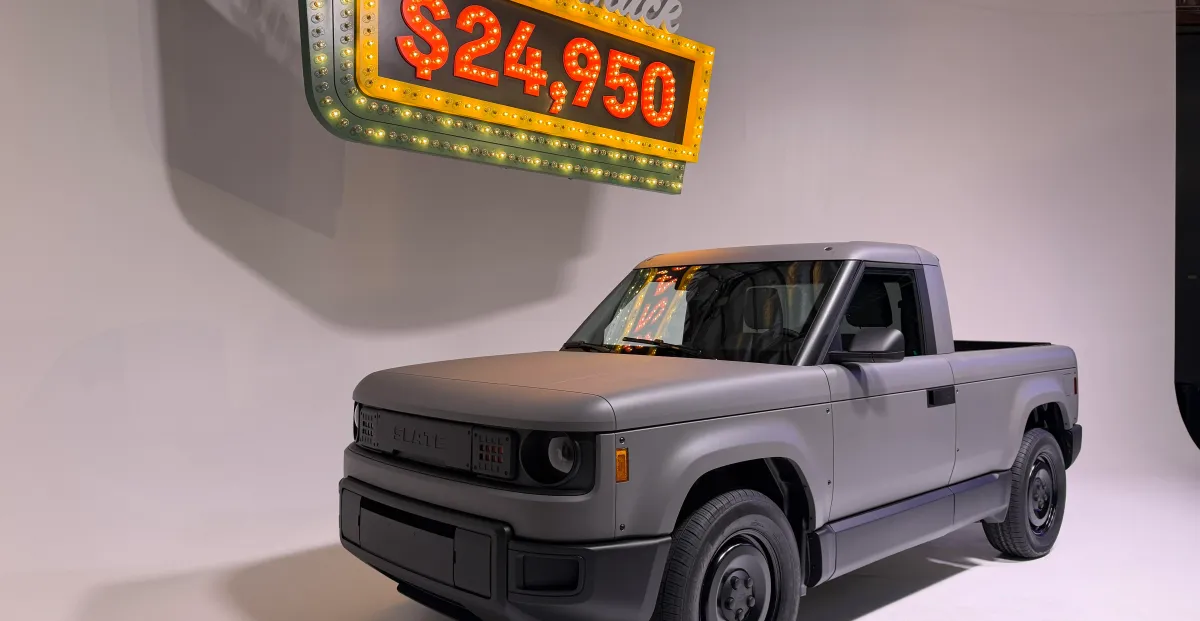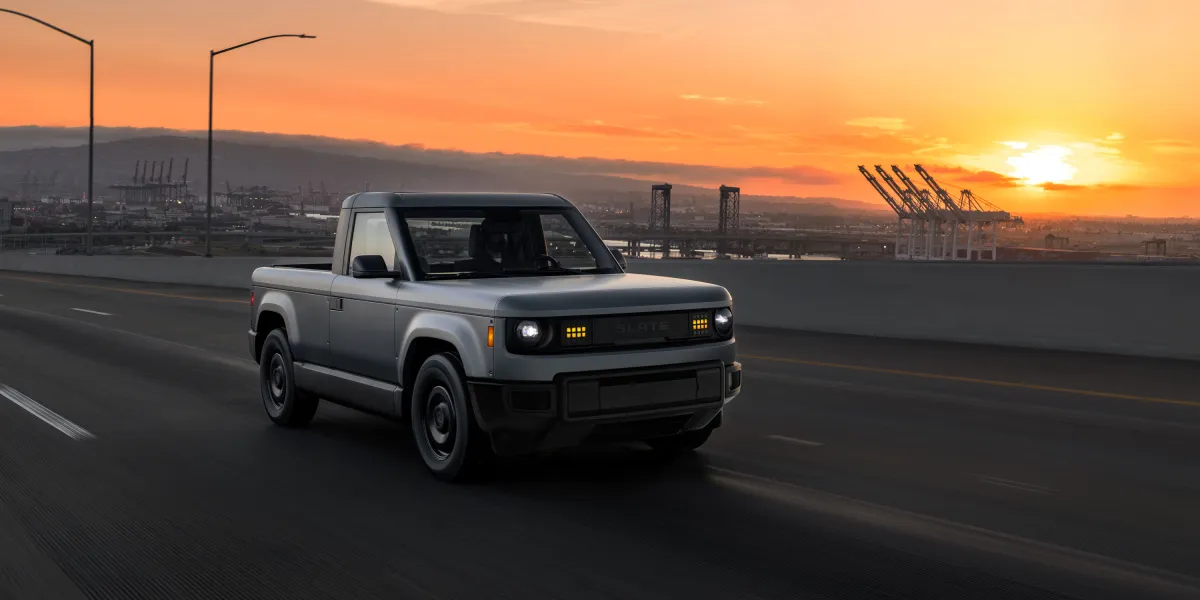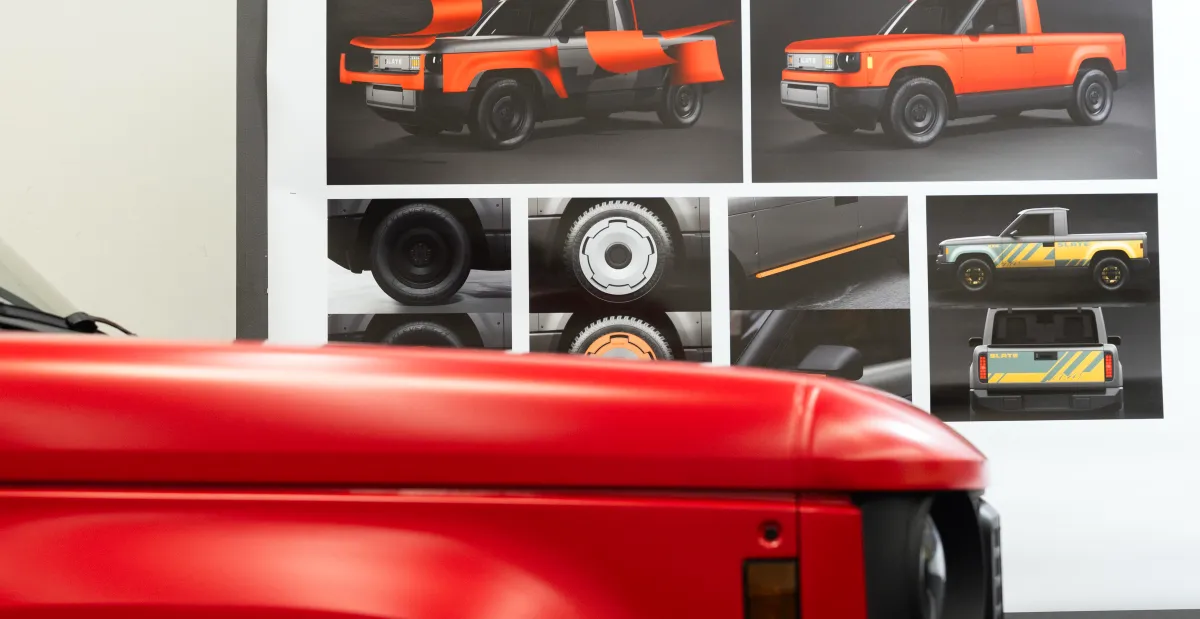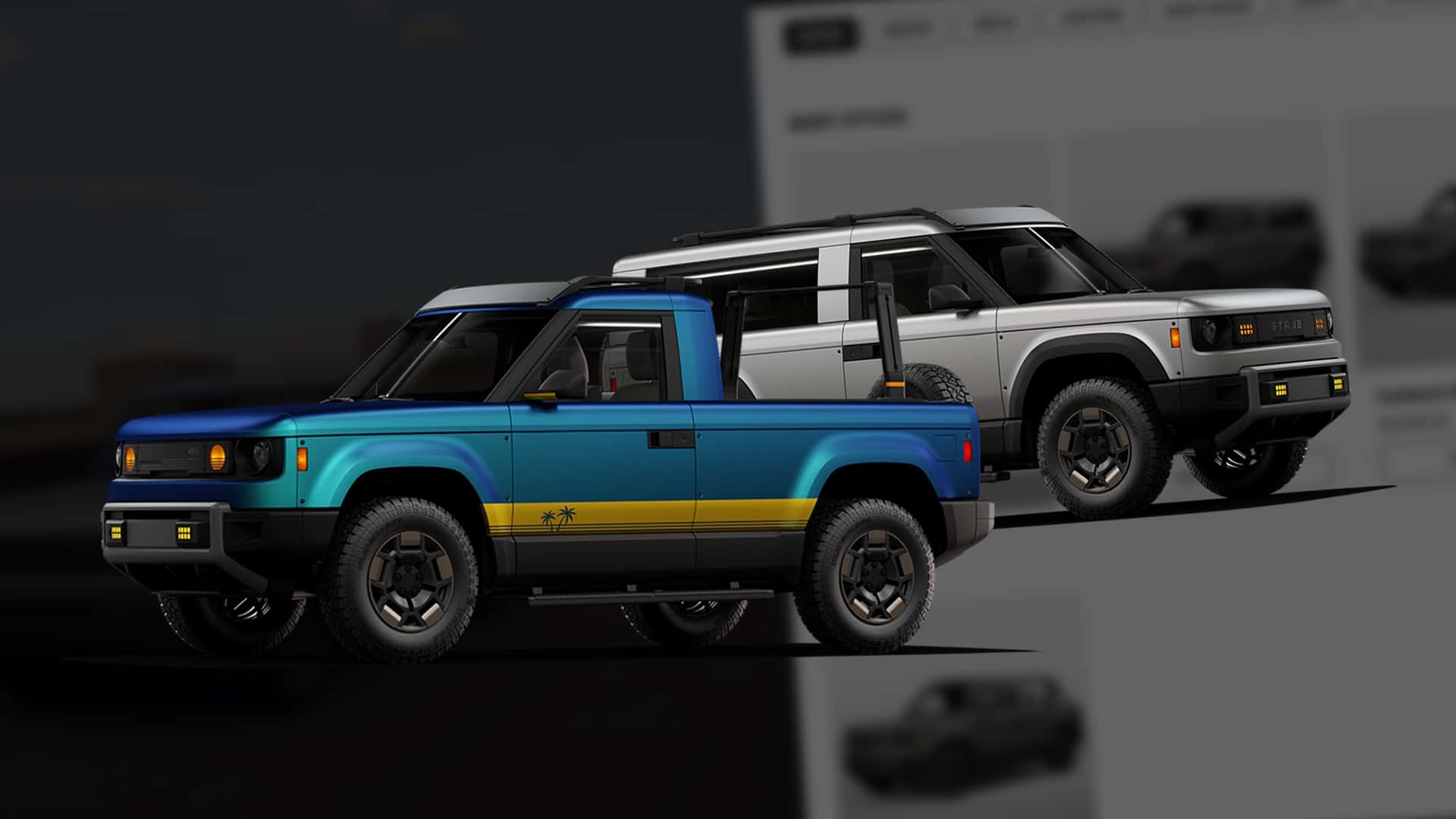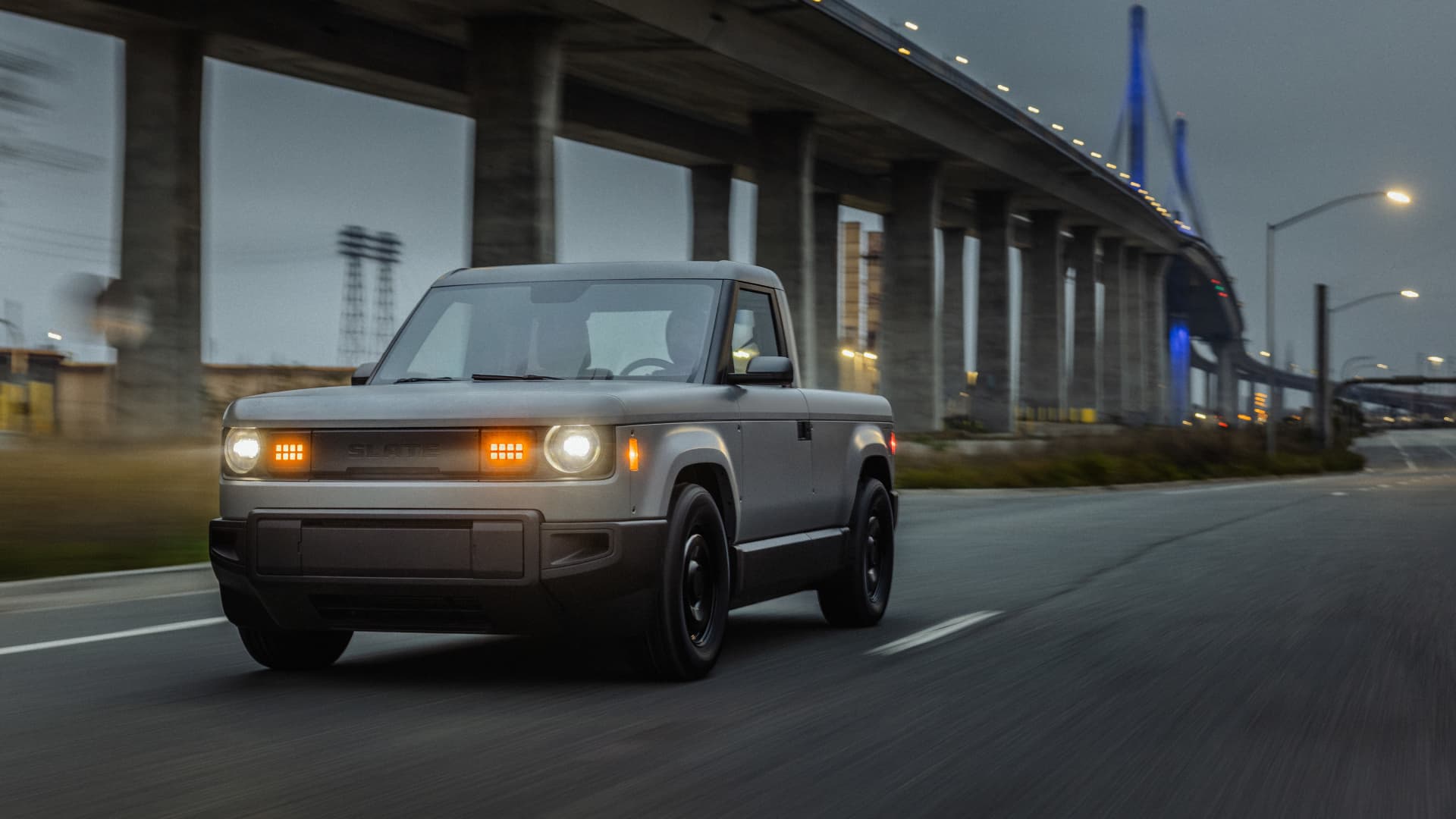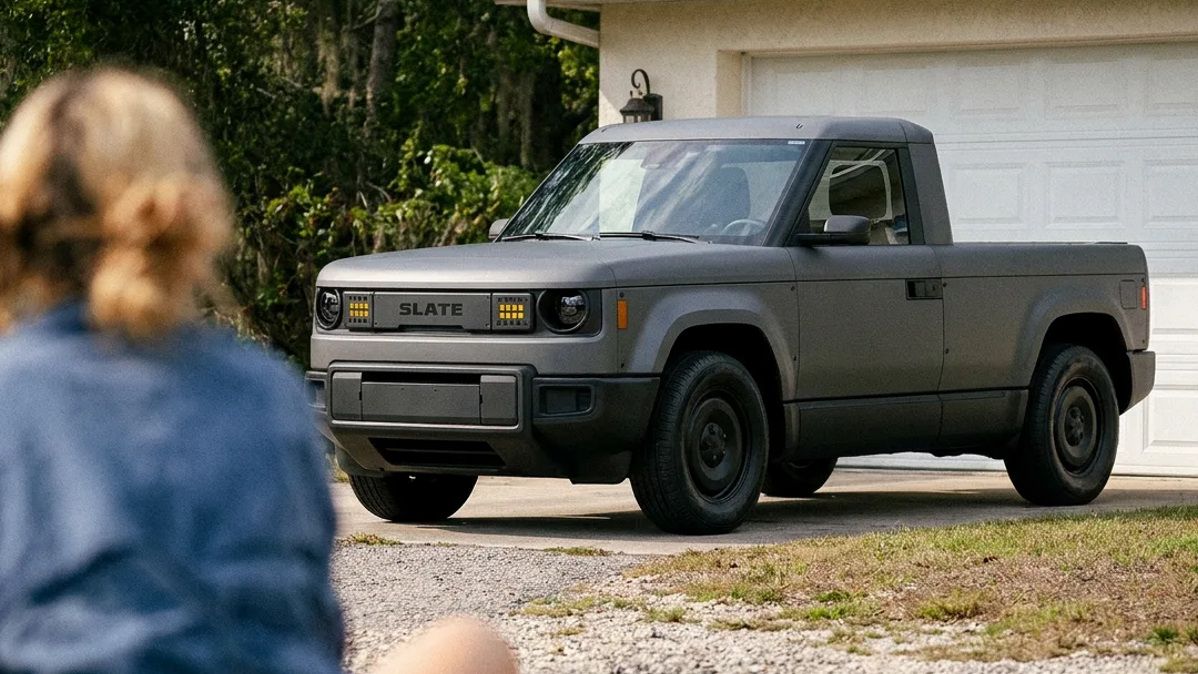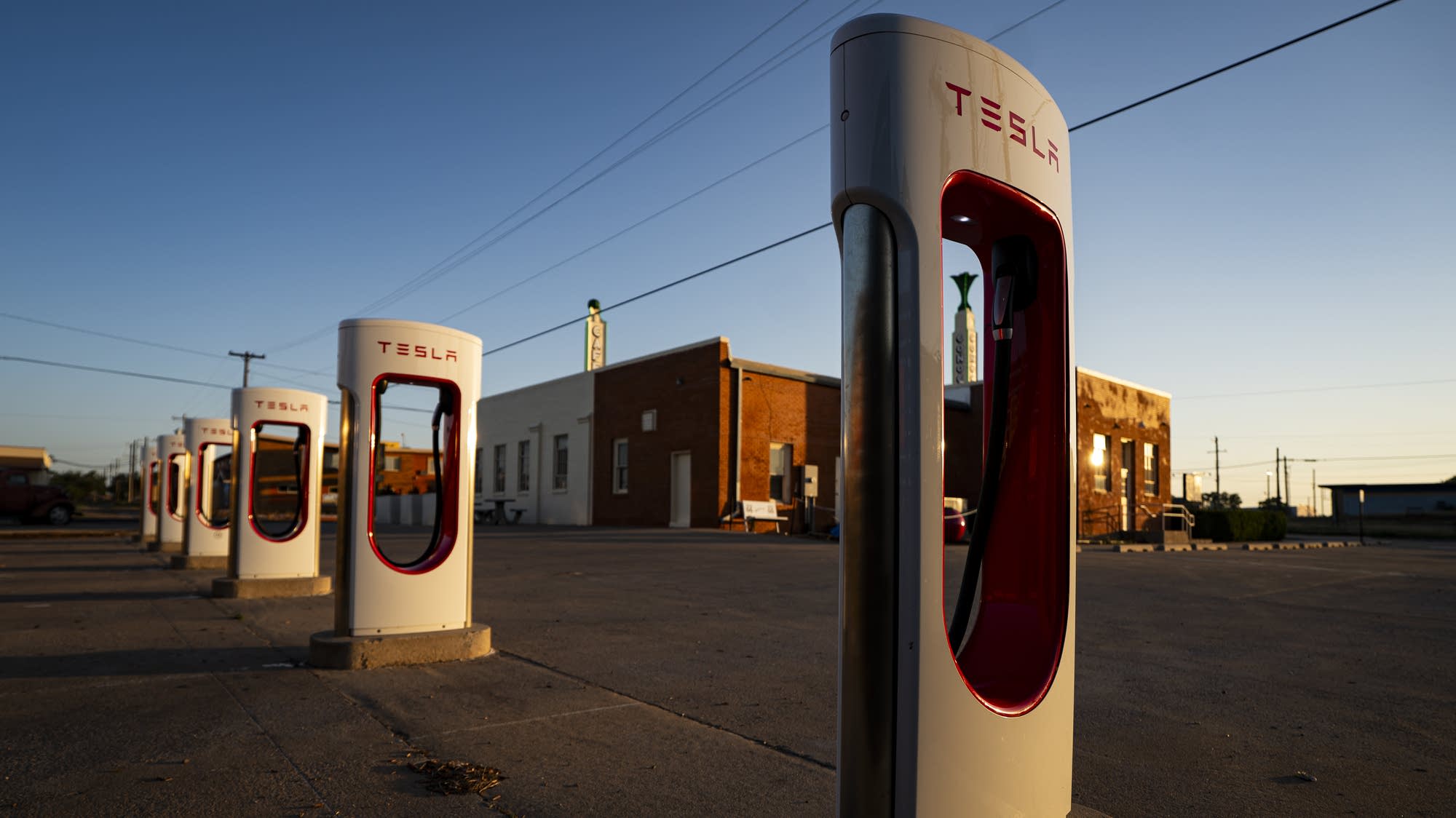
Next week, we’re going to learn how much the new electric Slate truck is going to cost. The somewhat rudimentary, Tonka truck-like frame is being touted for its simplicity and affordability. The base model doesn’t have a radio, speaker system, or power windows. Some of Slate’s marketing is geared toward rural and working people. But the reality is that driving EVs in those areas can still be a challenge. Mike Yin owns a few EV charging stations in Wyoming, and one of the roughly 3,000 EVs registered here.I asked him, “What does that look like for you driving around Wyoming?” and was met with a chuckle, because EV chargers here are sometimes hours apart.“It just requires a little bit more planning,” Yin said. “It'll take a little bit more of a detour.” Even with more rural charging stations, EVs aren’t always a great fit, per Robby DeGraff, manager of product and consumer insights with AutoPacific.“For your blue-collar workers that are depending on raising cattle or maybe harvesting things, you're gonna need an EV that does offer more capability,” he said.Battery range just isn't there yet, but DeGraff acknowledged that the Slate truck is slightly edging in that direction and could be geared toward “people that live in towns and want to run to the hardware store or go down to the beach and go surfing.”DeGraff added that before people start throwing hammers and surfboards into their new Slate trucks, it’ll have to be priced affordably — like under $30,000.
EVs are a tougher sell in rural America
The battery range for current EVs isn’t fantastic for rural areas, where charging stations are farther apart. The new Slate truck is slightly edging in the right direction.
249 words~1 min read