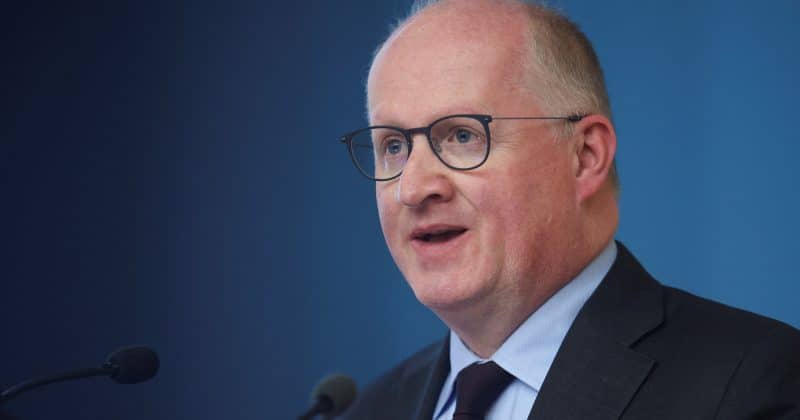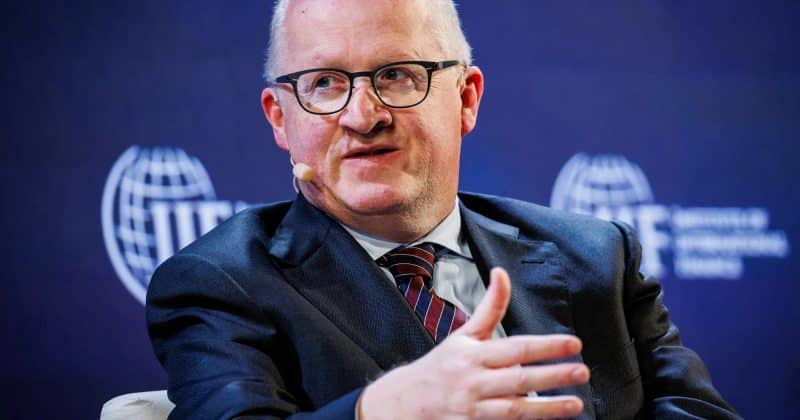
The European Central Bank’s chief economist, Philip R. Lane, is taking his case against privately issued stablecoins to one of finance’s bigger stages. His session at the Deutsche Bank Forum in London, scheduled for June 19, is set to cover monetary policy under uncertainty, the resilience of the financial system, private credit markets, and the increasingly uncomfortable question of what stablecoins mean for the euro.
The stablecoin problem, as the ECB sees it
In his 2025 remarks on the topic, Lane flagged several specific risks. Stablecoins, he argued, could disrupt traditional bank intermediation. If people park their money in stablecoins instead of bank deposits, banks have less capital to lend, and the ECB’s interest rate decisions become less effective at steering the economy.
Lane has also pointed to the competitive dynamics at play. The dominant stablecoins in circulation today are overwhelmingly dollar-denominated. A world where those tokens become the default digital payment rail in Europe would effectively outsource part of the eurozone’s monetary sovereignty to private American companies.
The digital euro as the answer