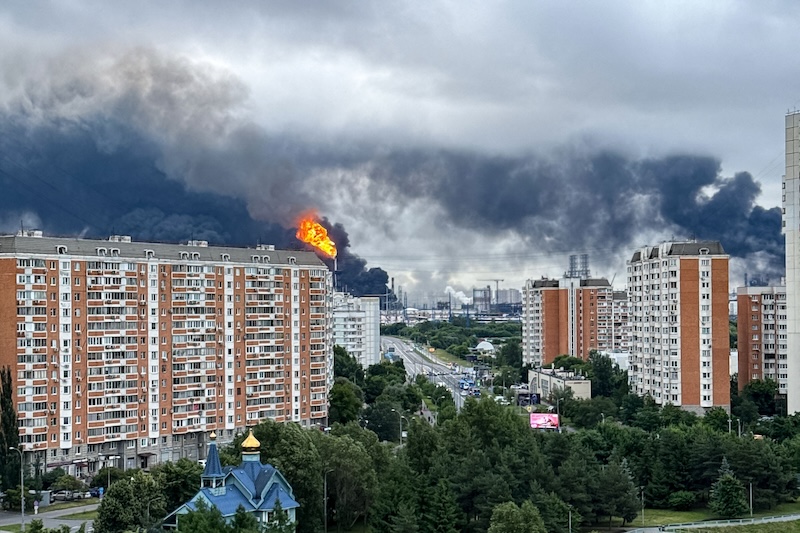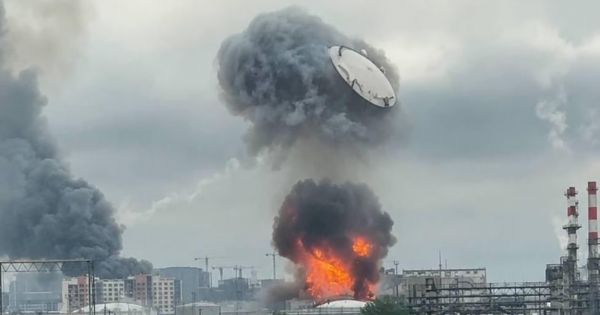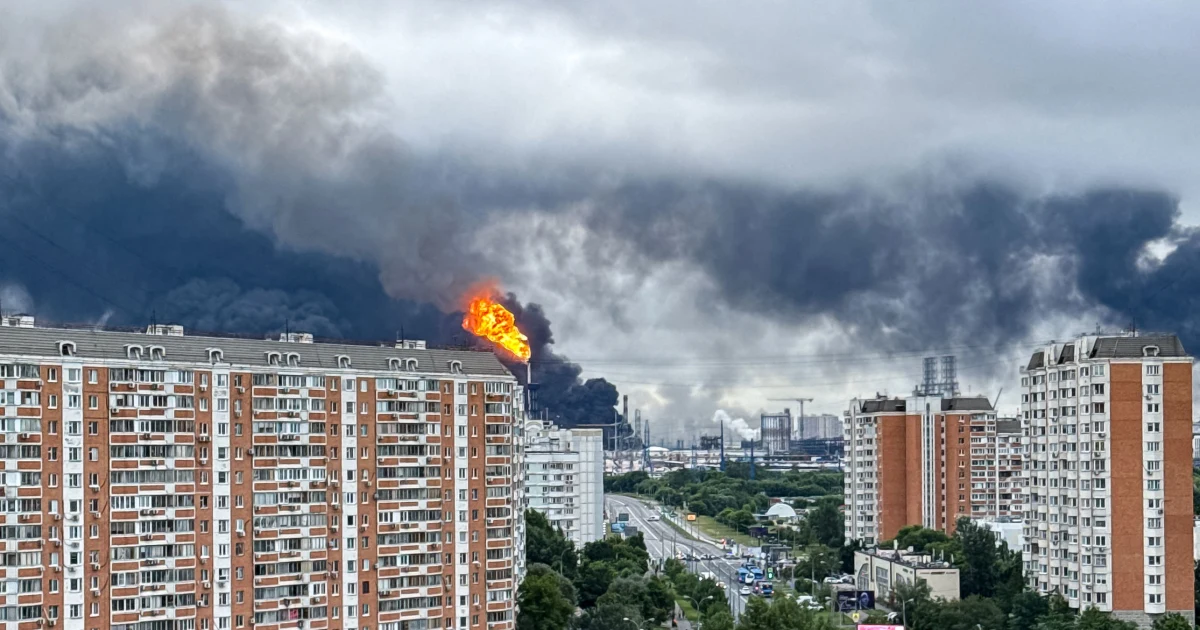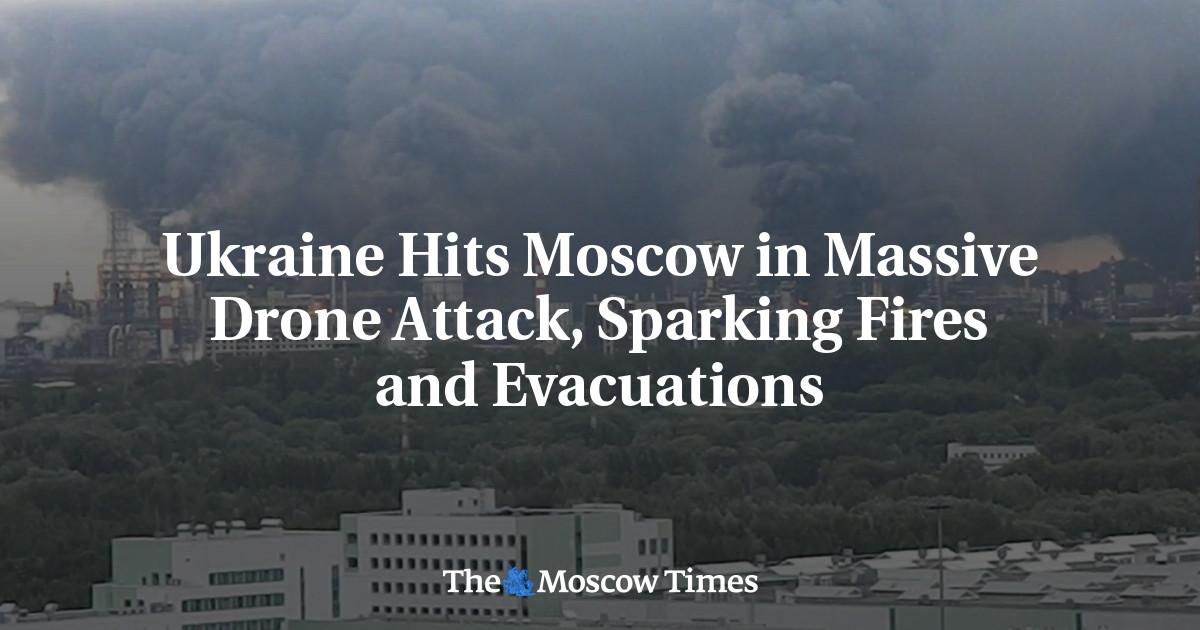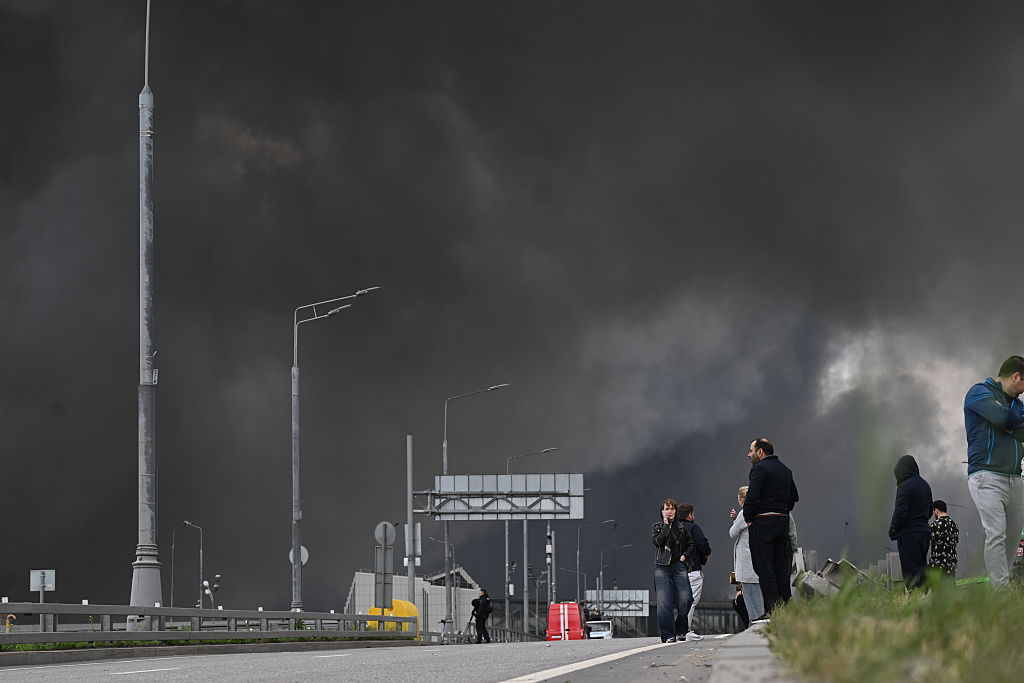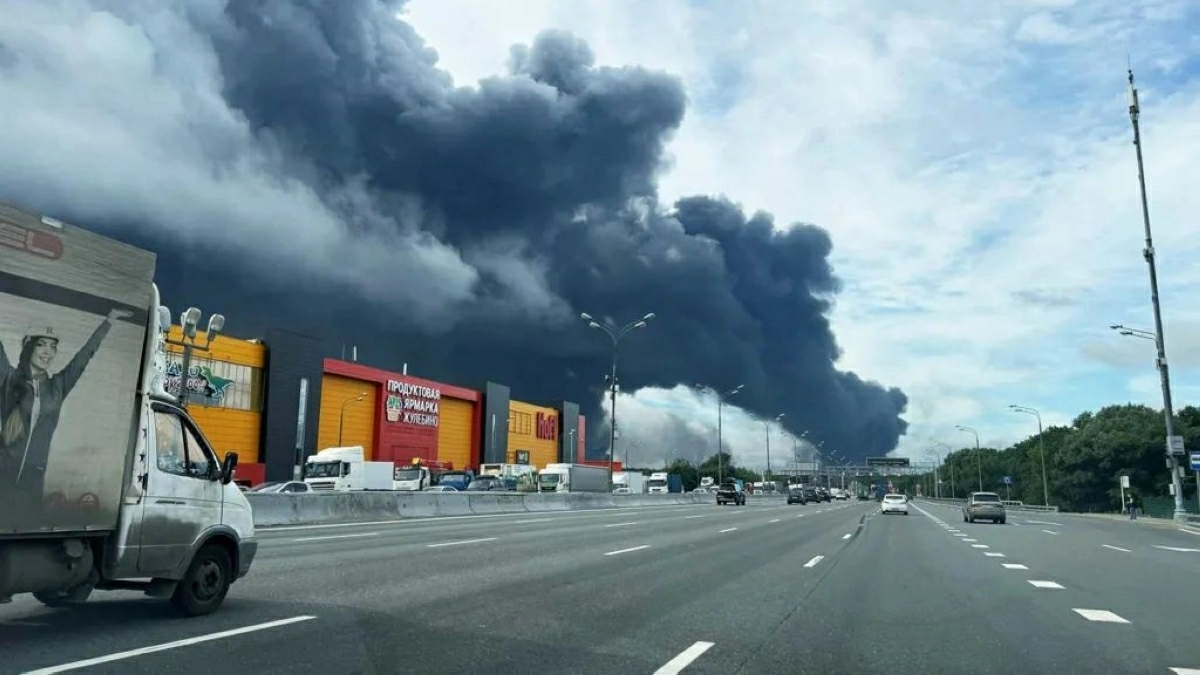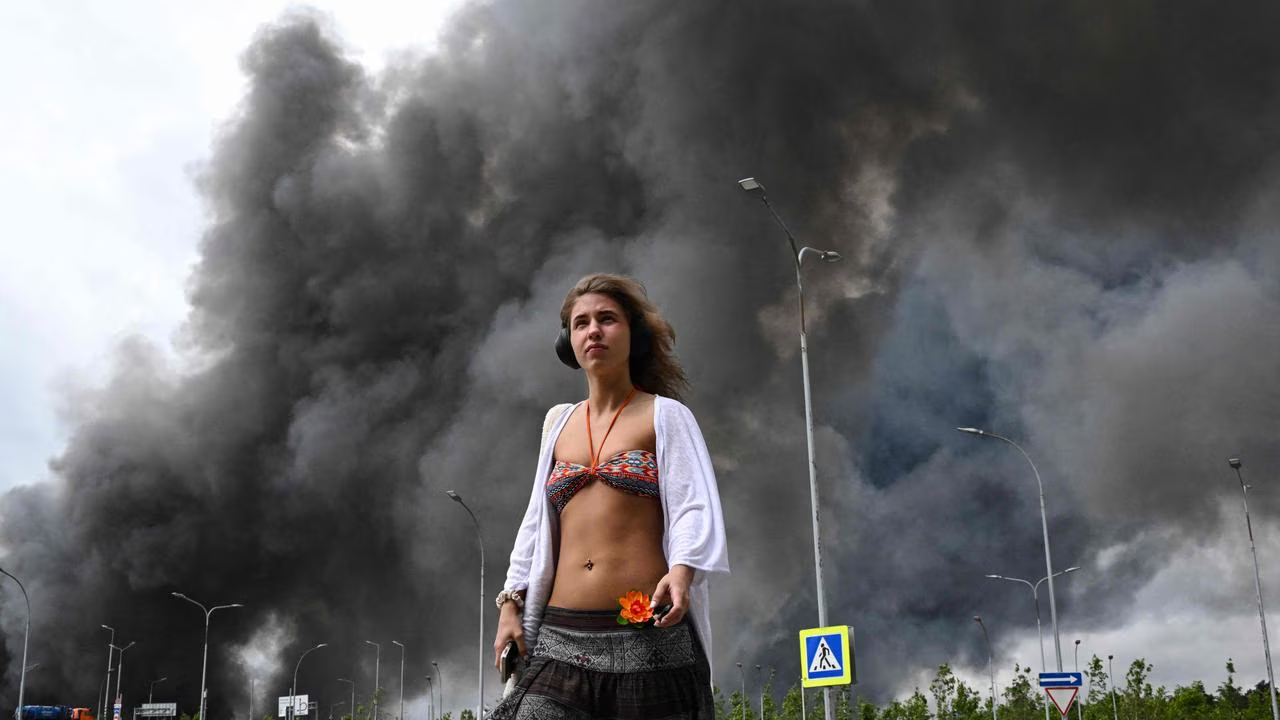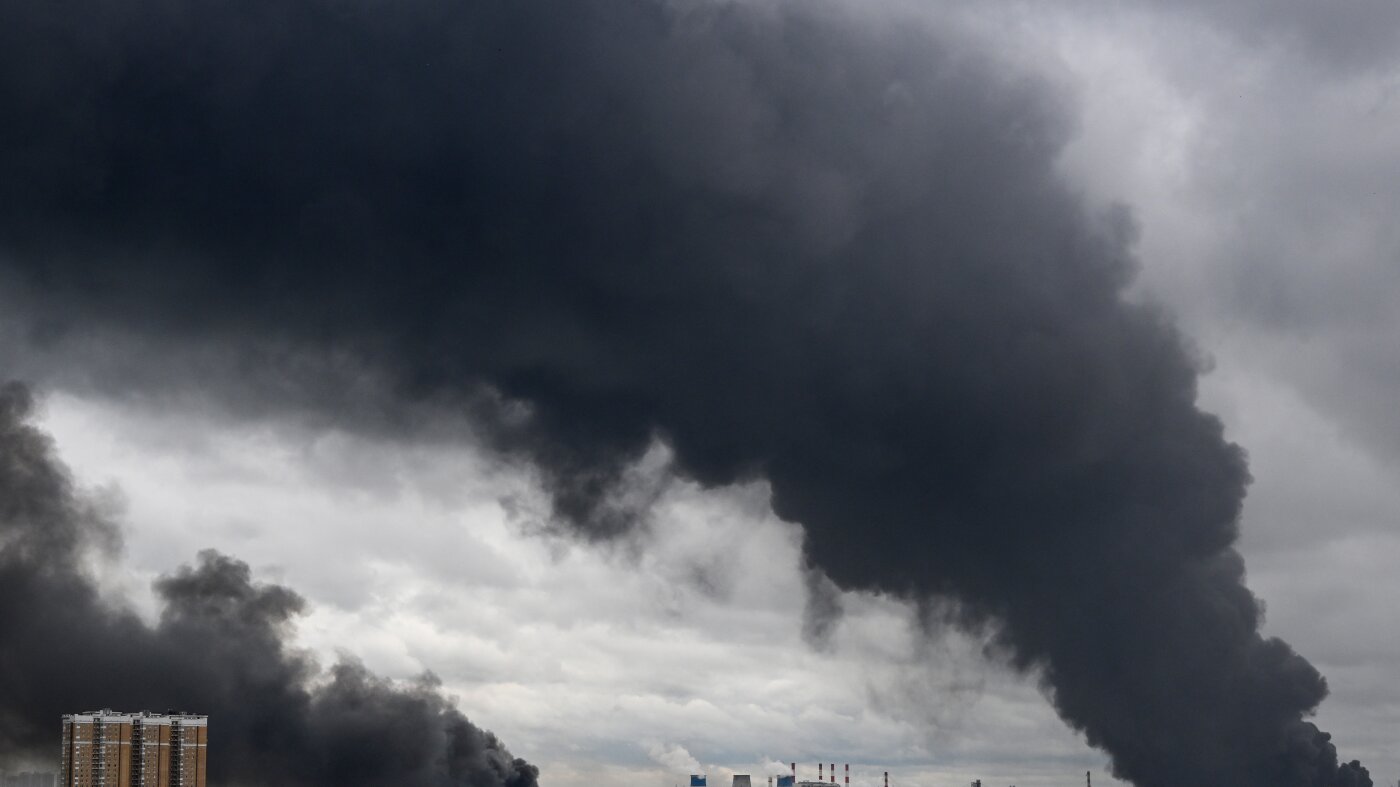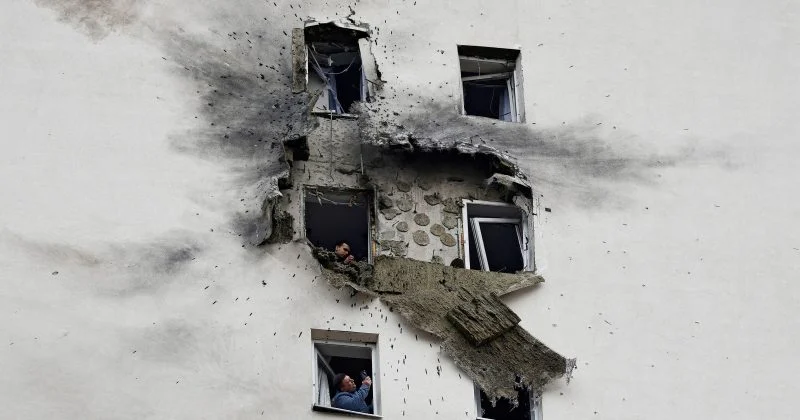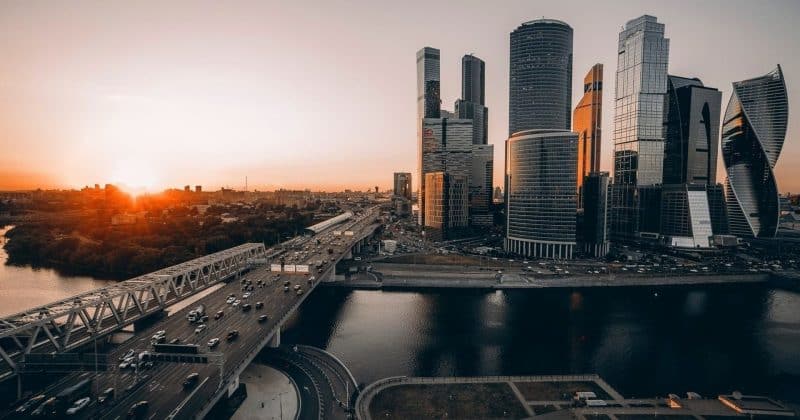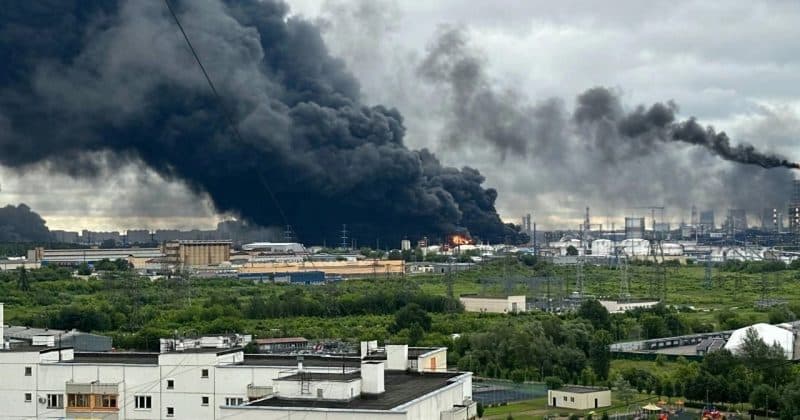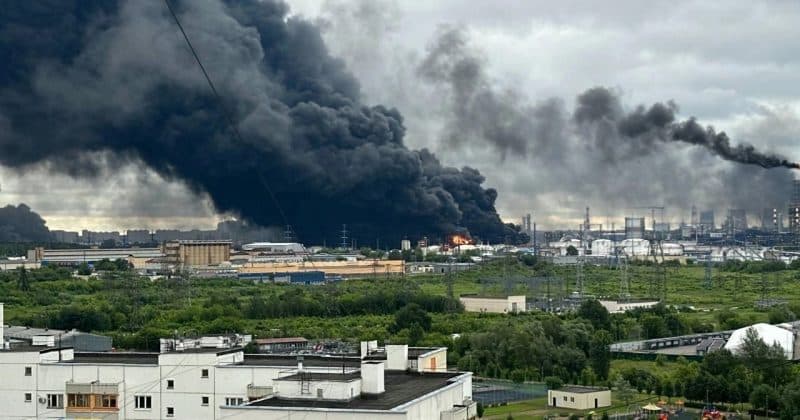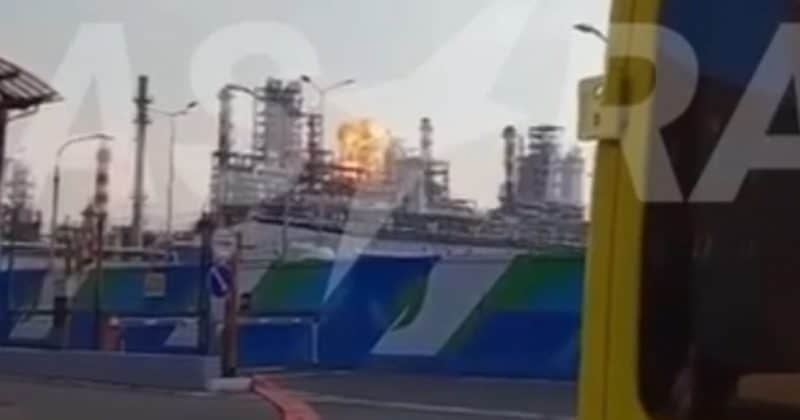
Ukraine hit the Moscow Oil Refinery with a wave of drones on June 18, marking the most significant attack on the Russian capital since the full-scale war began over four years ago. Black smoke billowed from the facility, which sits roughly 15 kilometers from the Kremlin, as fires broke out across the site.
The strike wasn’t a one-off. It followed a June 16 attack that had already damaged a facility responsible for 53% of the refinery’s processing capacity. Two hits in three days on the same target, managed by Gazprom Neft, processing over 11 million tons of oil annually.
What happened and why it matters
Moscow Mayor Sergei Sobyanin confirmed the strikes on the refinery. Russian defense reports claimed air defenses intercepted as many as 555 drones across different regions during the attacks, but enough got through to cause visible damage and halt operations at key units.
Ukrainian President Volodymyr Zelenskyy framed the operations as legitimate retaliation against ongoing Russian military aggression. The strategic logic is straightforward: hit the infrastructure that funds the war machine.