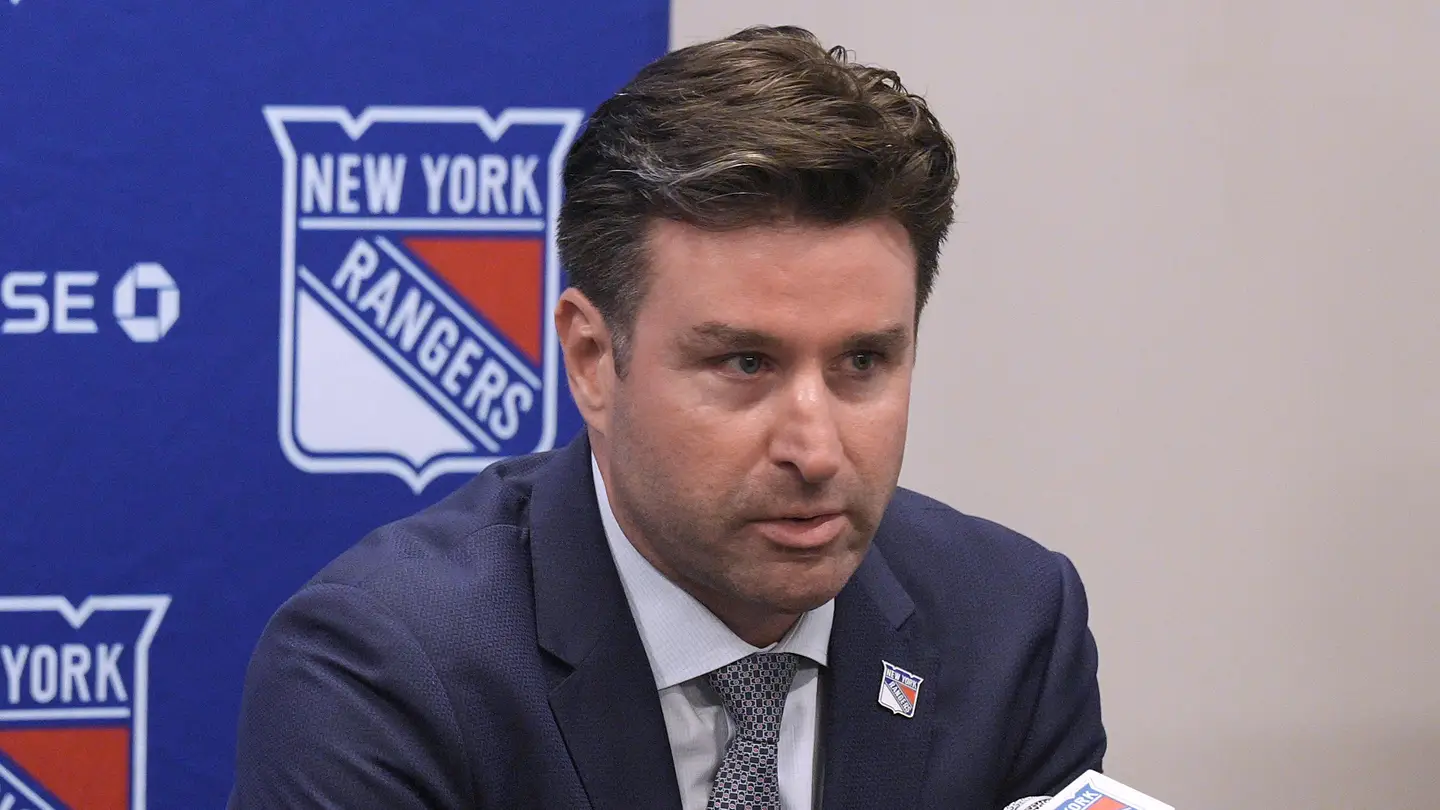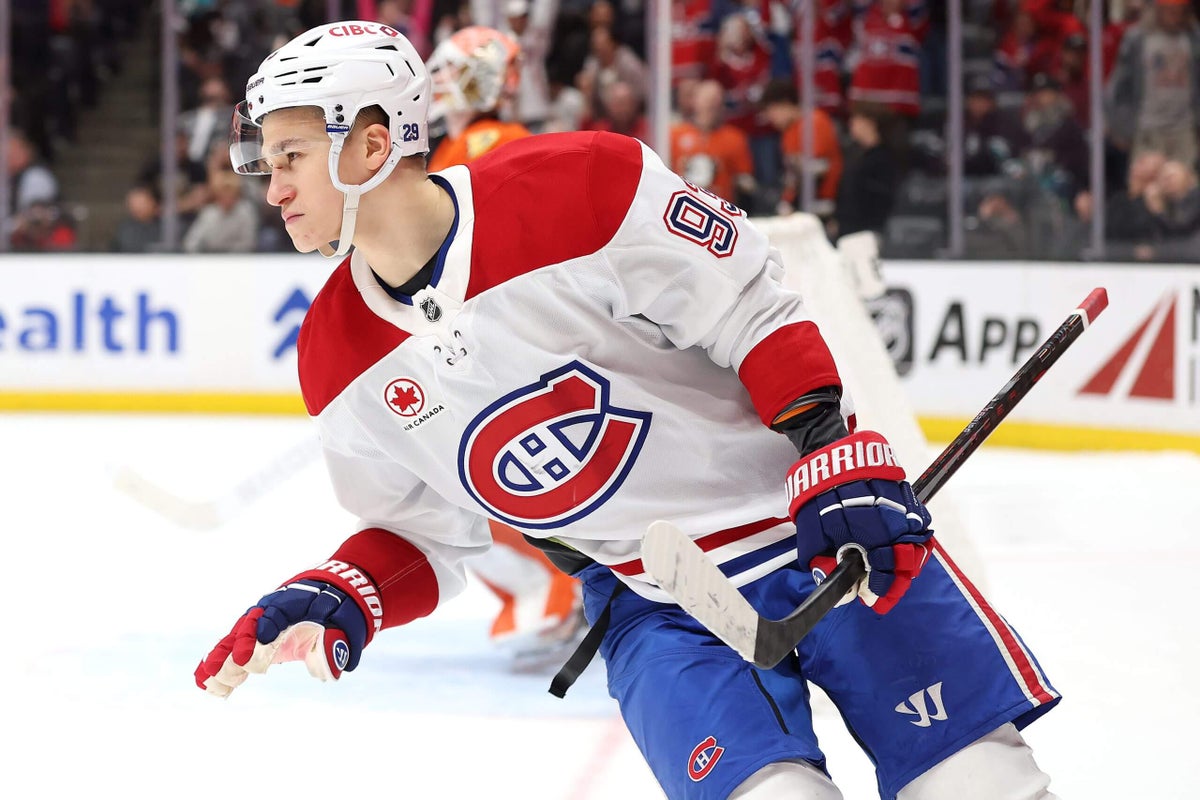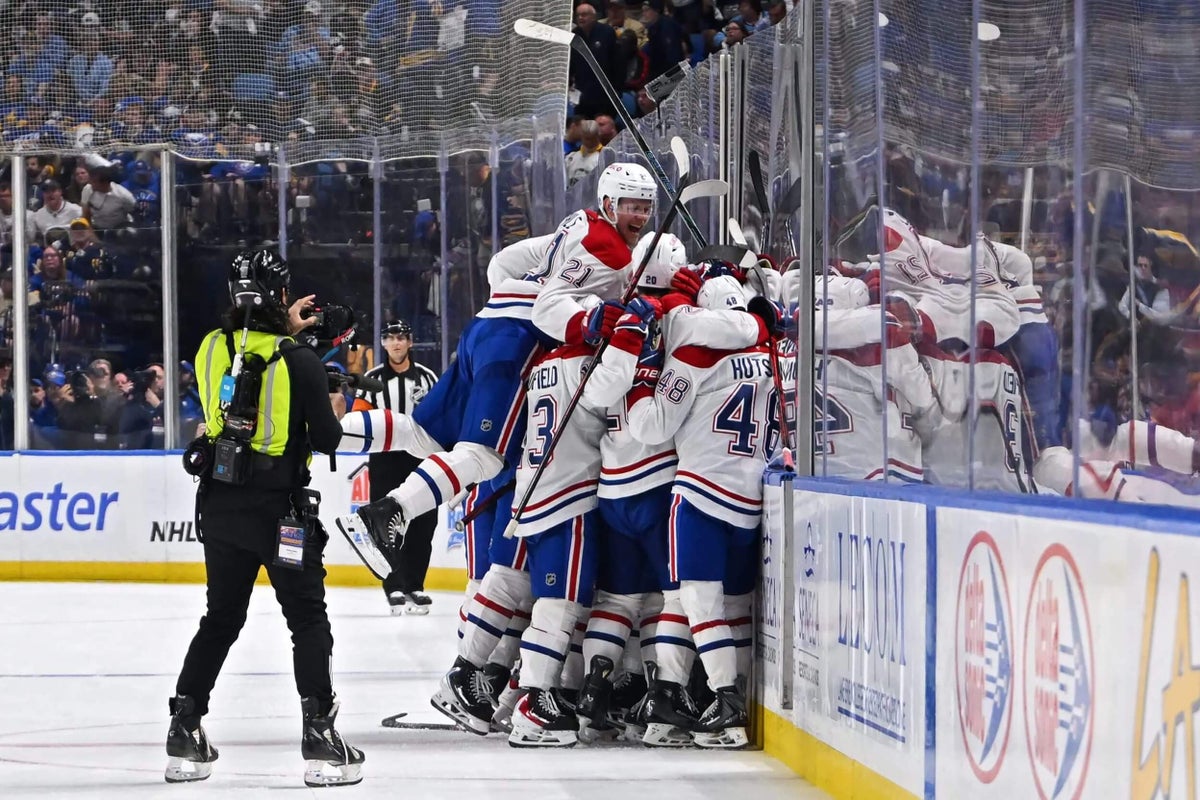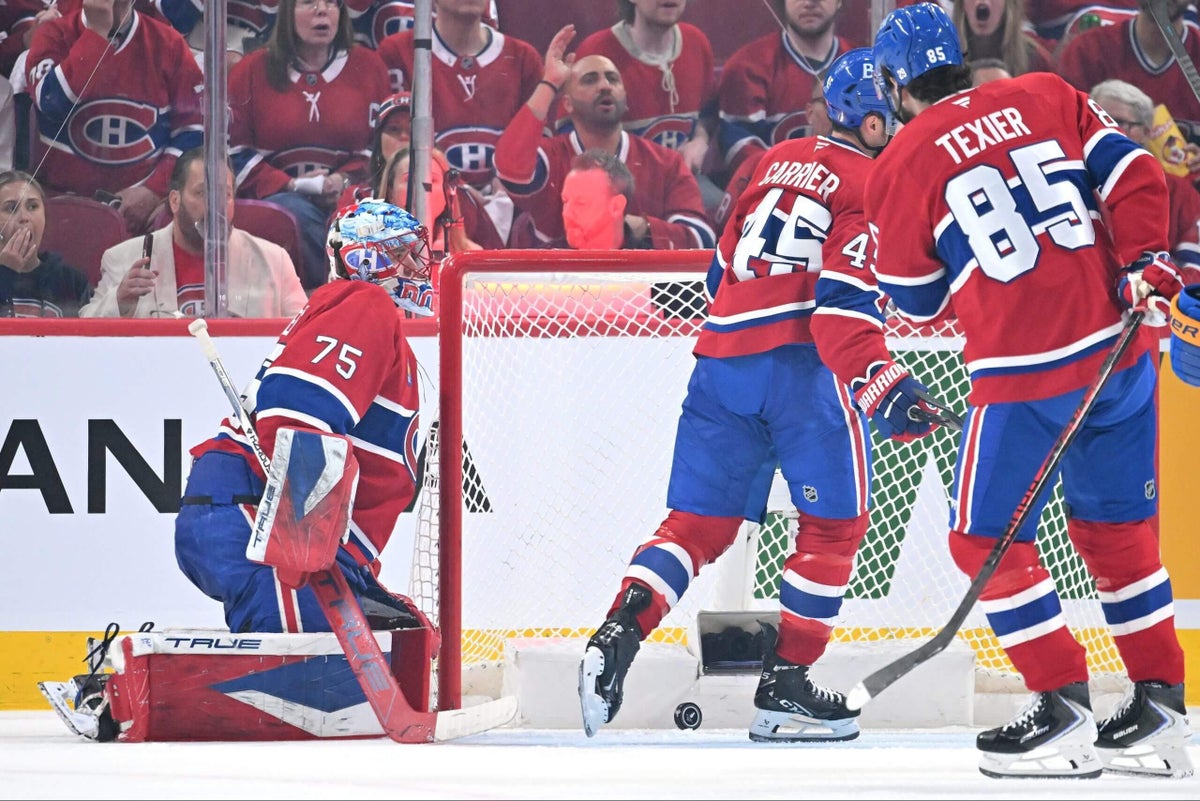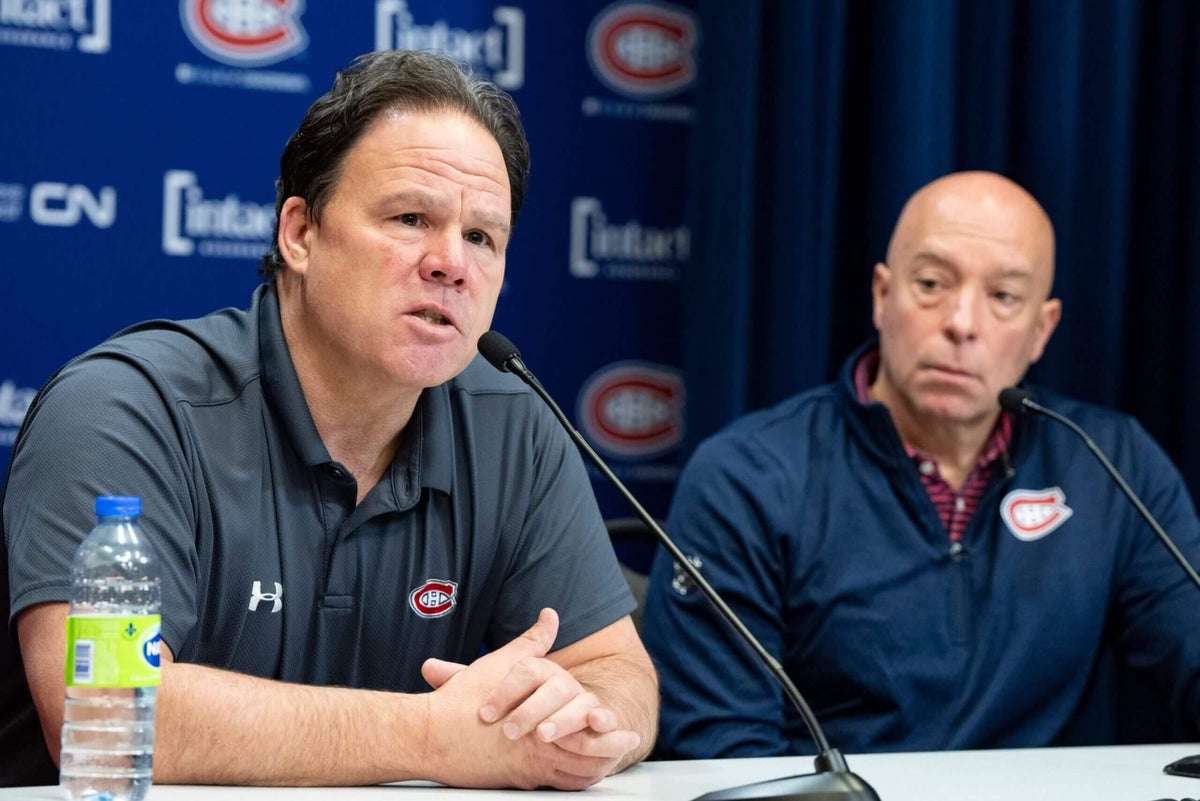
The Montreal Canadiens are coming off an extremely successful season, far beyond what anyone could have reasonably expected.Finishing sixth in the overall standings with 106 points and reaching the Eastern Conference final have created a sense in Montreal that the Canadiens are on the cusp of something great — that being one of the final four teams left standing this spring means they are perhaps one or two shrewd offseason moves away from becoming something special as soon as next season.Well, the offseason is here, and trades are being made. The window to make those trades is relatively short, essentially stretching from now to the first round of the NHL draft on June 26. The Canadiens are trying everything they can to find those one or two shrewd moves.But it is that perception of where the Canadiens are in their rebuild that will be critical to properly assess as they enter a trade window that the management team of Jeff Gorton and Kent Hughes has always tried to optimize. And coming out of the euphoria of three rounds of playoffs back into a lucid, cold reality will be a big part of nailing that assessment.For that, perhaps the Canadiens should be thankful to the Stanley Cup champion Carolina Hurricanes, because they provided a severe jolt of reality in dispatching the Canadiens in five games.These Canes were built differentShayna Goldman and Max Bultman“We lost,” Cole Caufield said a few days after the Canadiens’ elimination. “It wasn’t really that close.”There is some leftover bitterness from how he played in the playoffs buried in that assessment, but that doesn’t make it wrong. The Canadiens were not that close to reaching the Stanley Cup Final despite being one of the final four teams remaining. Failing to reach that stage next season would not reasonably be seen as a failure.This is the lens through which Canadiens management must view this offseason. Are there holes that need filling? Absolutely, and everyone knows what they are. The Canadiens could use a second-line centre, a second-line winger, some help on the right side of their defence and some size and compete in their bottom six up front.Do they all necessarily have to be filled this offseason? Absolutely not.“I expect we’re in this kind of a race next year, and the year after, and the year after as well,” Hughes said at the end of the season, two weeks ago. “So I certainly wouldn’t go into it thinking this year represents an opportunity to us that’s not going to exist in the future.”The influence of supply and demand on what you are aiming to do as an organization is a variable that is sometimes difficult to plan for. Thus far this offseason, particularly in the more than two weeks since Hughes uttered those words, it would appear the supply is not meeting the demand when it comes to the centre position, at least in terms of players who would be options for the Canadiens.Hughes has never been shy to say the Canadiens would be more than willing to overpay for the right player, but the key variable is it would have to be the right player. They would love to bring in someone such as New Jersey Devils centre and captain Nico Hischier, for example, but it seems like he will stay in New Jersey. Detroit Red Wings captain Dylan Larkin would be another great option, but he has full control of his situation with a no-trade clause, and Montreal is not among the teams he’s considering, at least not now.This is where the Canadiens’ reported deadline interest in Toronto Maple Leafs winger Matthew Knies comes in. The interest was very real and remains so with Knies still available for a trade at age 23, with five years left on a reasonable contract worth $7.75 million a year. If the supply of available centres is currently inadequate, there are potential top-six wingers floating around in trade talks, and the Canadiens are well-armed in assets to try to acquire one.If they were able to do that, whether it is Knies or someone else, it would make the thought of beginning next season with one of Alex Newhook or Oliver Kapanen centering the second line with Ivan Demidov far more palatable, because the ultimate goal is to strengthen the second line. Where that strength comes from is less important than the added strength itself, and the reality is both Newhook and Kapanen would likely look much better at centre with a strong option at left wing, not to mention how much organic improvement Demidov will benefit from.It is important to note the other relevant part of why Knies was and is so attractive to the Canadiens has to do with how well his age would fit with the current core. The Canadiens are not necessarily closed to the idea of adding veteran help, but if they are going to pay a big price, that help would need to help now and into the future.“Are we going to trade for a guy for one year that gives us a chance to be better and compete for a cup at the expense of some really important pieces of the future? Unlikely,” Hughes said at the end of the season. “Hopefully we can continue to do what we’ve done.”One example of a player who might be available for a trade is Boston Bruins centre Pavel Zacha, with one year left on his contract at age 29. A left shot to complement Nick Suzuki, strong in the faceoff circle and able to play on both special teams, Zacha would be a great fit. But the one year left on his contract would limit what the Canadiens would be willing to offer, and at age 29, the term Zacha might be seeking could be another hurdle.But he would be an example of a veteran the Canadiens would have interest in adding if a reasonable contract extension could be involved. Another is potential unrestricted free agent winger Mason Marchment, 31, but again, the term would be a major sticking point, though the advantage for the Canadiens in Marchment’s case is it would be a pure add with no asset cost aside from cap space.In both cases, or in any other similar cases, the sell from the Canadiens to accept a shorter term would be the winning environment they have created and how desirable a location Montreal showed itself to be in the playoffs.“I think it’s an opportunity for us,” Gorton said at the end of the season of the environment in Montreal. “To play that way and go on this run, I think our fans showed the rest of this league, the players in the league, how impressive of a place this is to play. And if you’re a National Hockey League player and you’re looking around, this would be a place I would think would be at the top of their list based on what we just showed them.”Based on how Gorton and Hughes have operated in the past, it is not difficult to identify how they will be building any trade package. Their top four prospects — assuming goaltender Jacob Fowler is no longer considered a prospect — are, in no particular order, defencemen David Reinbacher and Adam Engström and forwards Michael Hage and Alexander Zharovsky. None of them are untouchable, but it would take a serious needle-mover for the Canadiens to consider moving one of them. Knies would certainly qualify, but he is far from the only one. The Canadiens also have an overflow on defence, namely Arber Xhekaj (who needs a contract) and Jayden Struble, and last year’s trade for Noah Dobson made it clear they are not afraid to trade draft picks.But the thing about all of those trade assets is that all of them — except for this year’s draft picks — will still have trade value a year from now, and perhaps even more trade value.The key to this stage of the rebuild is seizing on the right opportunities when they arise, and having the ammunition available to seize on them. If that specific opportunity does not present itself this offseason, using up that ammunition on something that is less than ideal would not only represent an overpayment, but it would also limit the Canadiens’ ability to hit on a better opportunity a year from now.And the added reality of this stage of the rebuild is they don’t absolutely have to do something this offseason. Monitoring the continued development of their young core and their prospects for another year would not be the worst course of action.It would be difficult for Hughes to face the media after the first round of the draft next Friday having done nothing, but it would be defensible if none of the other moves made around the NHL would have made any sense for the Canadiens. And with everything that was gained this season to advance the rebuild, it would be difficult to say the Canadiens were failing to move the project forward.It would be the first offseason under Gorton and Hughes where the Canadiens did nothing significant. It might be the last offseason where they could reasonably defend that inaction.Here are a few more notes on what we’re hearing heading into the offseason:• On Kirby Dach: We’re told there have been no contract talks yet, but if need be, the Canadiens would not be opposed to giving him a qualifying offer by the deadline of June 30 if nothing else can be worked out. It is a $4 million offer, but the one-year term mitigates that risk for a player who has not yet reached his considerable potential.• On Brendan Gallagher: We are told the Canadiens are willing to do whatever will make him happiest in terms of finding a place for him to play, including a buyout if that facilitates the process for him. But there is a belief the Canadiens will not need to attach an asset to move Gallagher via trade, and Vancouver seems to be a realistic option.• There is a willingness on the Canadiens’ part to bring goaltender Sam Montembeault back to play out the final year of his contract. The organization has strong belief in both Jakub Dobeš and Jacob Fowler for the future, but one more year of Montembeault would allow Fowler to play more regularly in the AHL and would provide insurance in case Dobeš is unable to build on his tremendous rookie season.
What we’re hearing as the Canadiens embark on what may or may not be a critical offseason
Do the Canadiens absolutely need to make a major addition this offseason? It depends on their perspective of what this season meant.
1,748 words~8 min read