The bonds can be exchanged for 426.9 million shares at an initial conversion price of HK$36.70, about $4.68 a share, the level the stock must clear for the bet to pay off.
Lenovo marketed the deal at a conversion premium of 40% to 50% and priced it at 47.5%, near the top of that range. Landing at the upper end signals solid demand: a higher premium is better for the issuer, because it means less dilution for any given amount raised, and investors accepted it.
The rest is earmarked for on-market share buybacks and general corporate purposes. Buybacks alongside a convertible issue are a familiar pairing: they help offset the dilution the conversion would eventually cause, and they put a floor of demand under the stock at the moment new equity-linked paper hits the market. It is a structure designed to raise capital while managing the share count it implicitly expands.
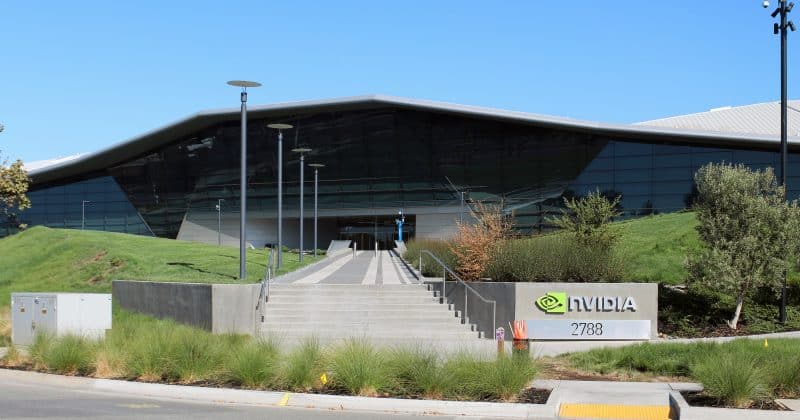
Underneath the financial engineering is the business the market is actually pricing. Lenovo has leaned hard into AI servers, the hardware that houses Nvidia’s accelerators and sits at the centre of the current server demand surge that has lifted rivals like Dell.
Lenovo is, in effect, monetising current optimism about its growth to lock in cost-free financing through 2033, a sensible move if the window is open and the cash can be put to work.