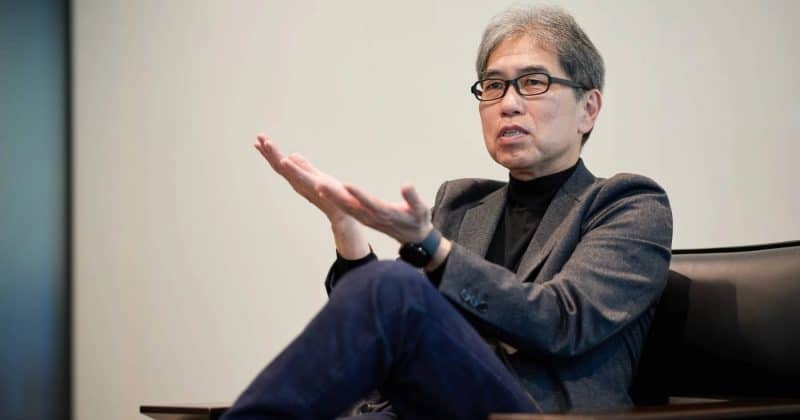
Resonac Holdings, the Japanese semiconductor materials company formerly known as Showa Denko, is riding one of the most consequential demand waves in the chip industry. CEO Hidehito Takahashi spoke at Bloomberg’s Look Ahead 2026 event in Tokyo about the company’s AI-driven growth trajectory and the geopolitical tightrope it’s walking with China.
For anyone tracking the AI hardware supply chain, Resonac is the kind of company that rarely makes headlines but quietly holds enormous leverage. The firm commands roughly 50% market share in non-conductive films used in High Bandwidth Memory chips, the exact components that power the GPUs training large language models and running inference workloads across data centers worldwide.
The invisible backbone of AI chips
Resonac’s non-conductive films are essential for HBM chips, which stack memory dies vertically to achieve the bandwidth that AI workloads demand. The company holds that 50% market share through a joint venture with SK Materials.
Beyond films, Resonac also produces liquid encapsulants, the materials that protect semiconductor packages from thermal stress. In June 2026, the Japan Patent Office upheld the company’s patent for a novel liquid encapsulant technology designed specifically for 2.5D semiconductor packages.