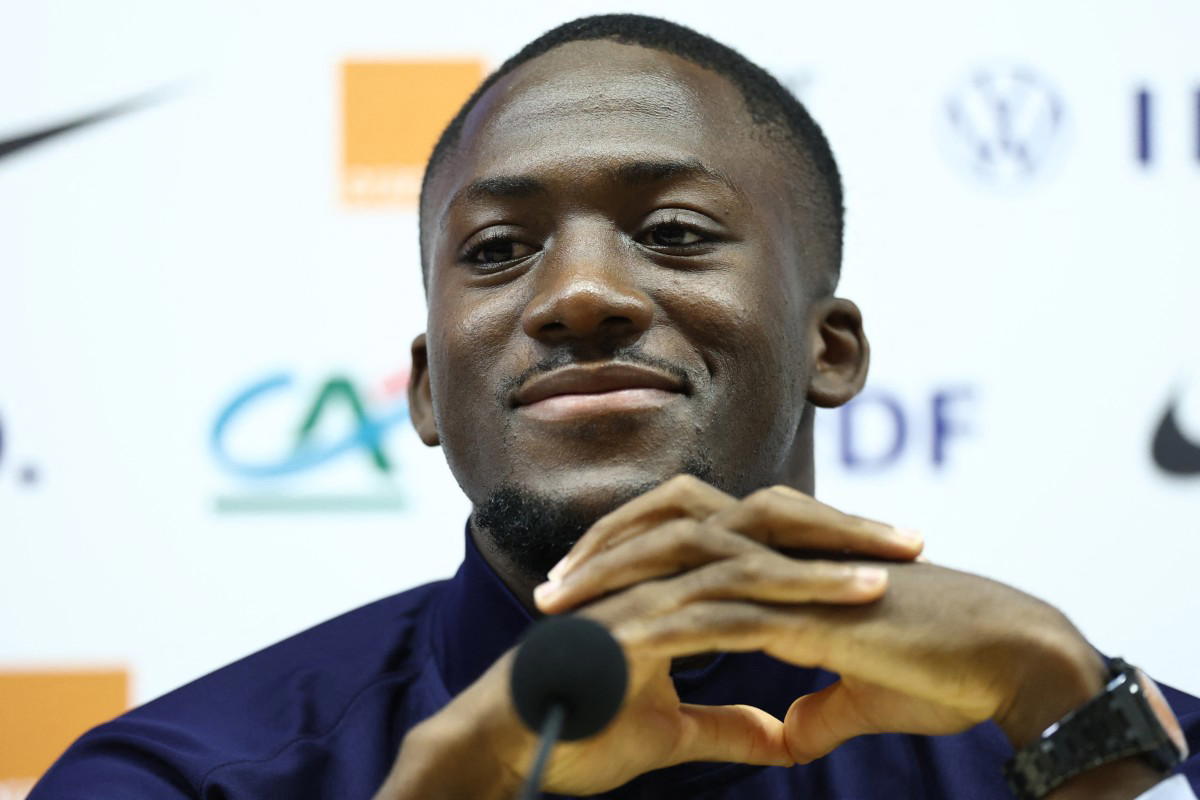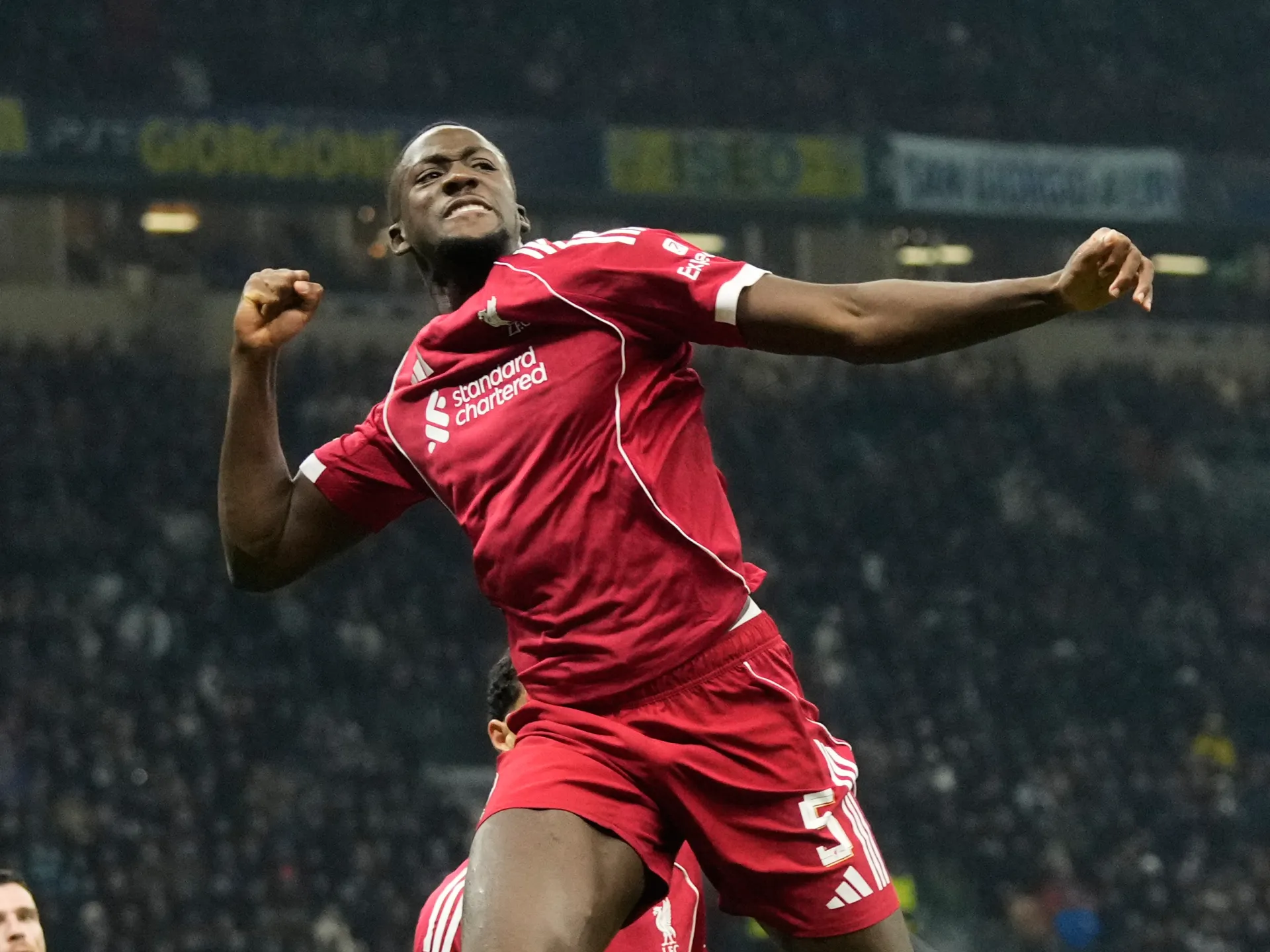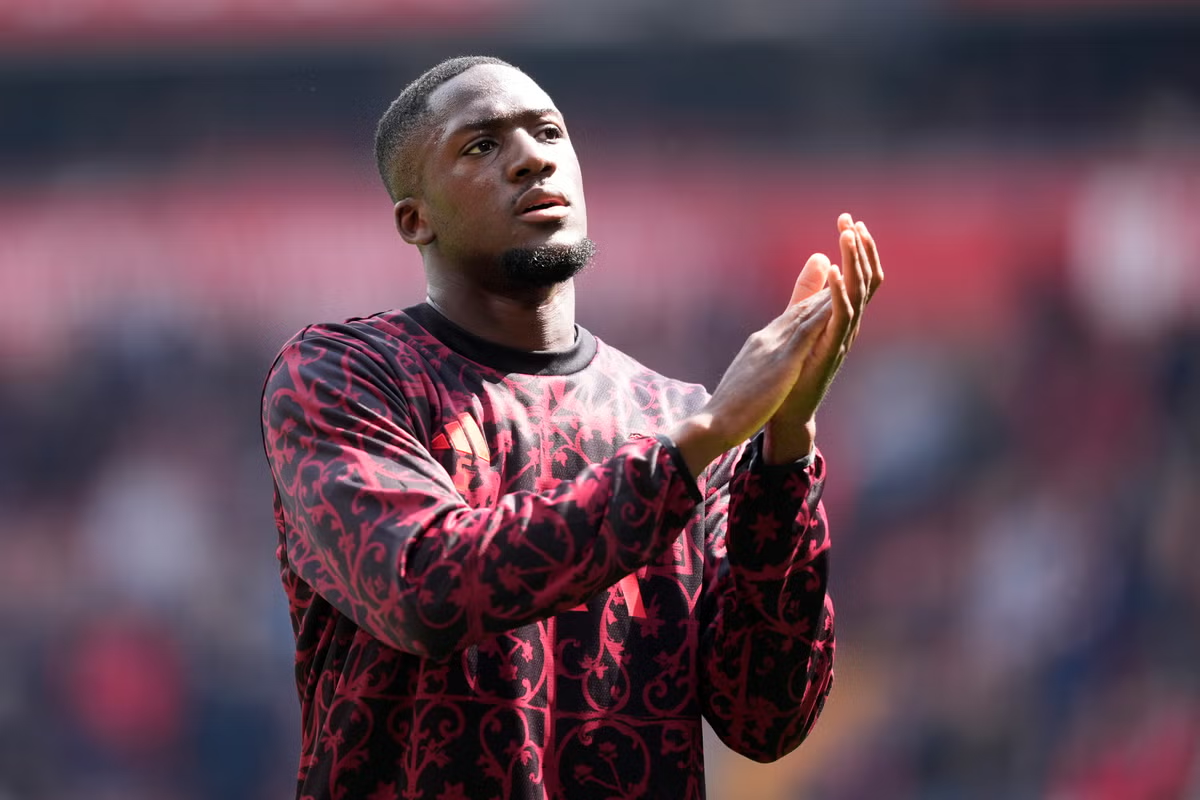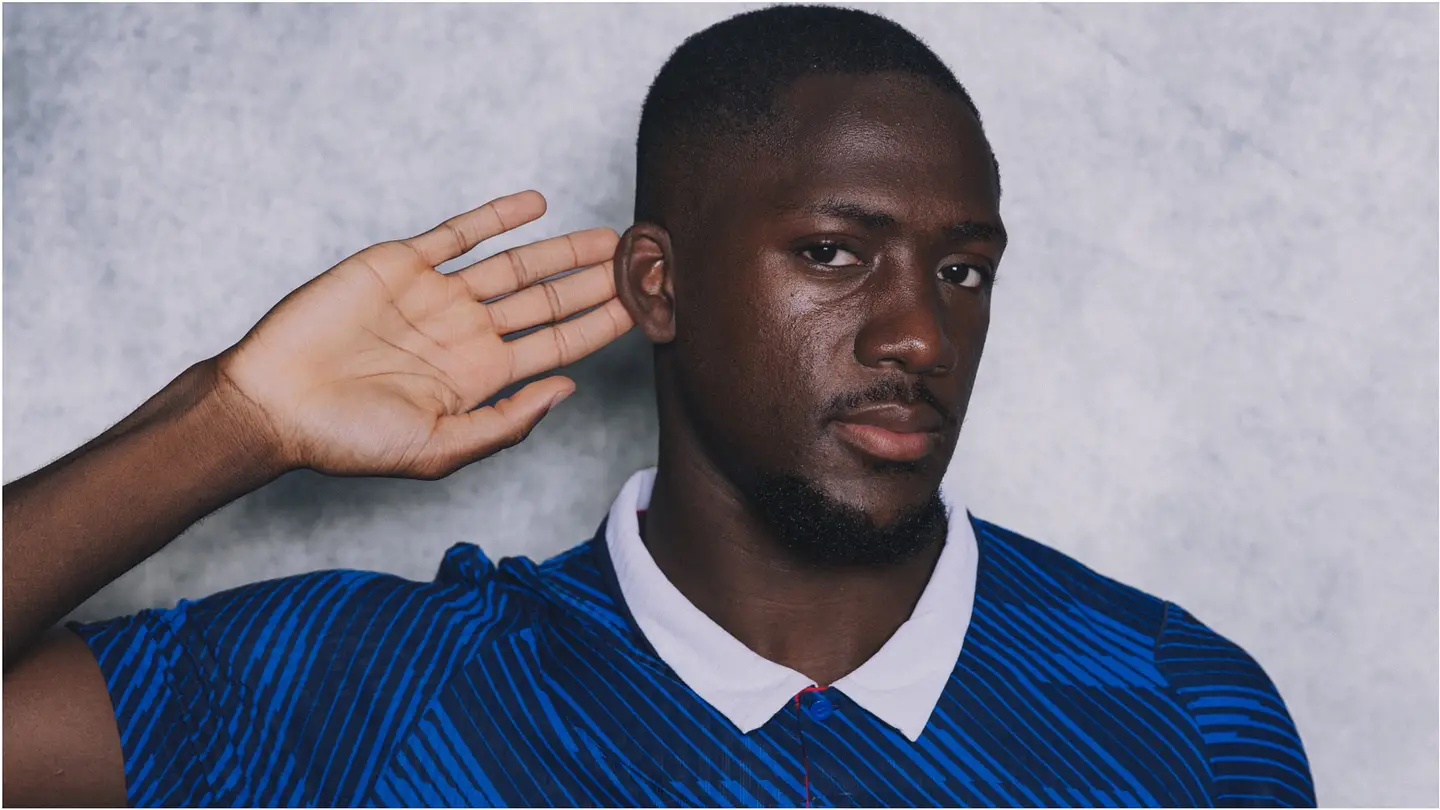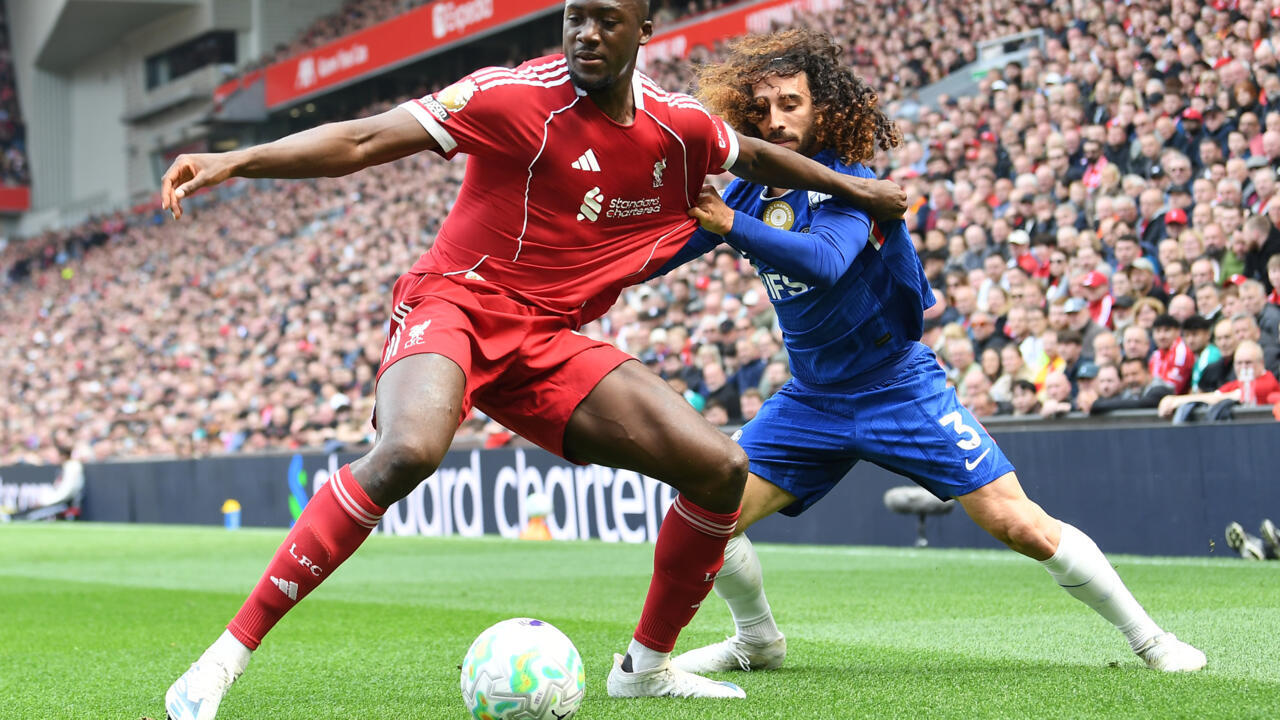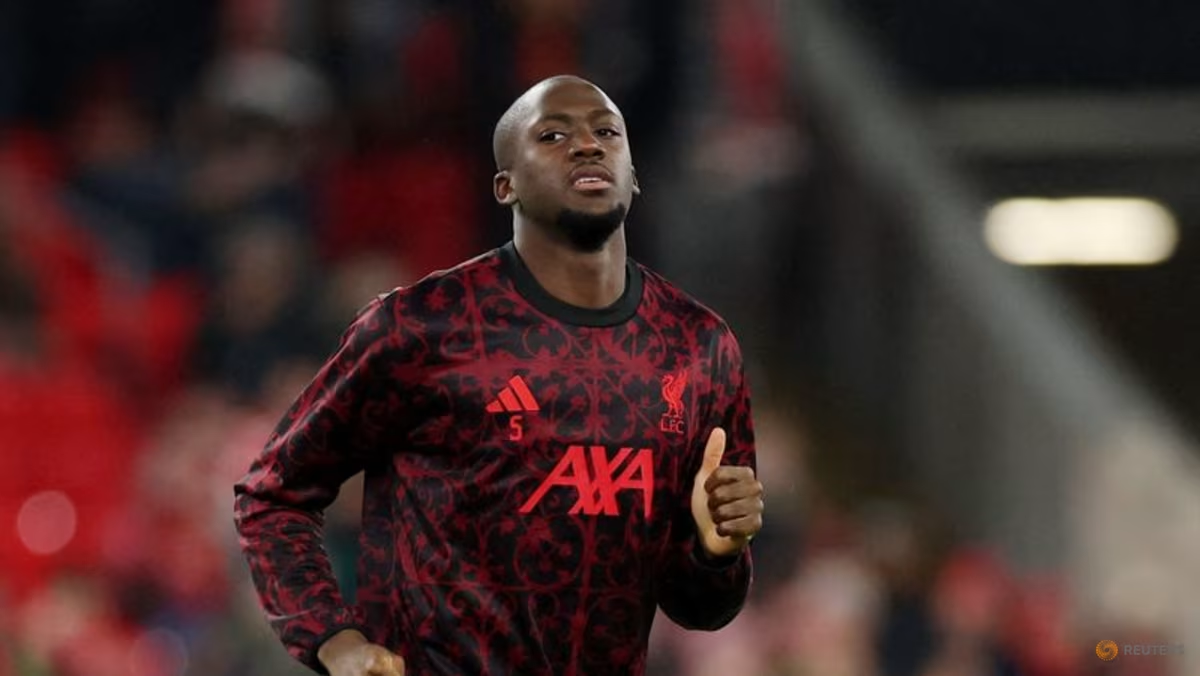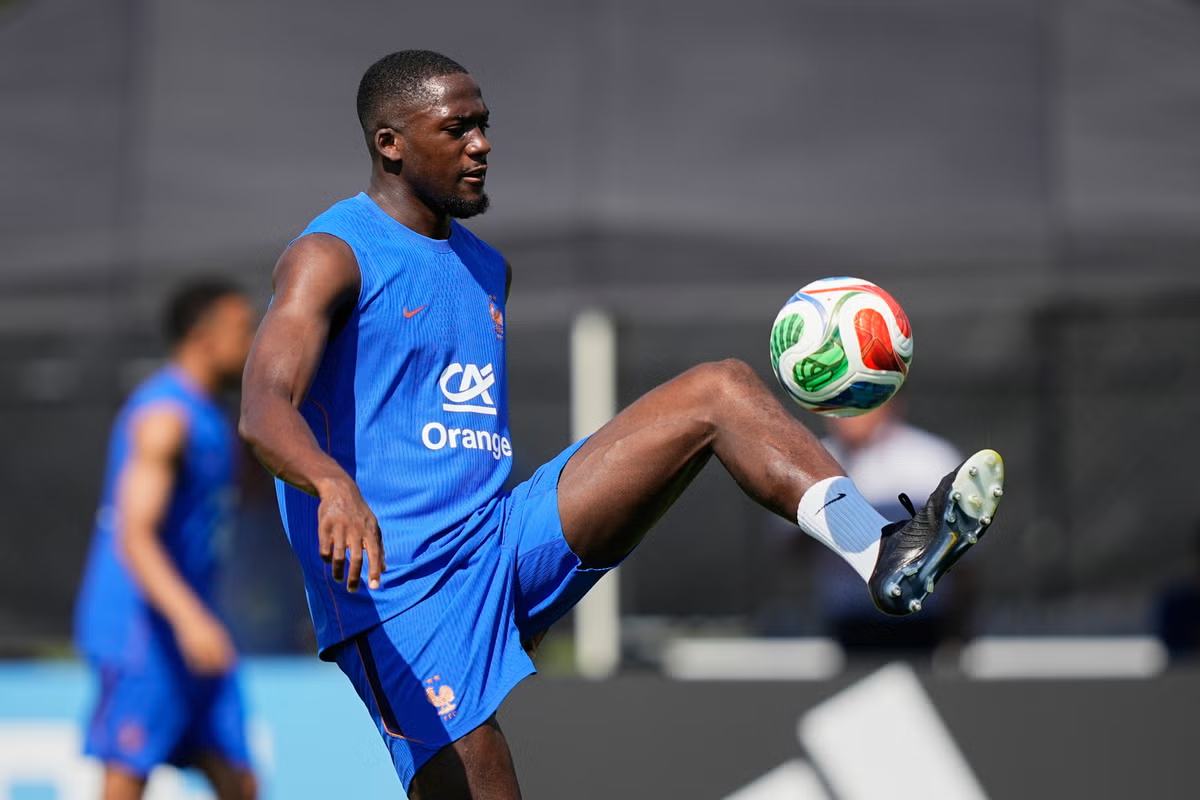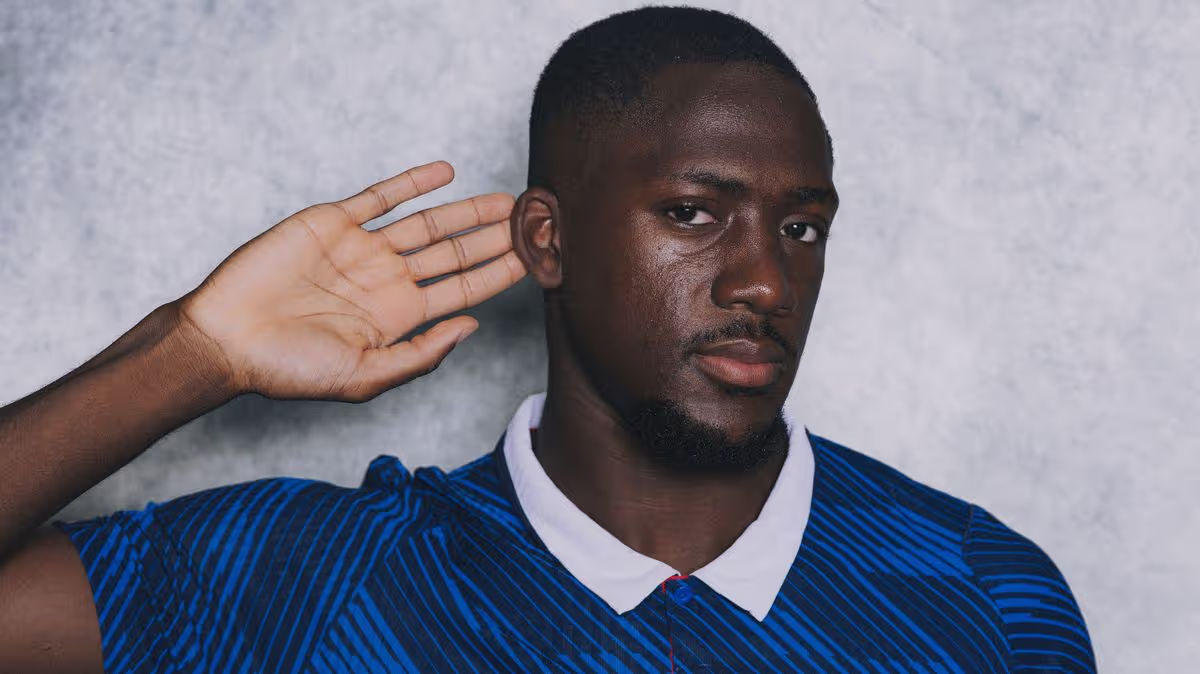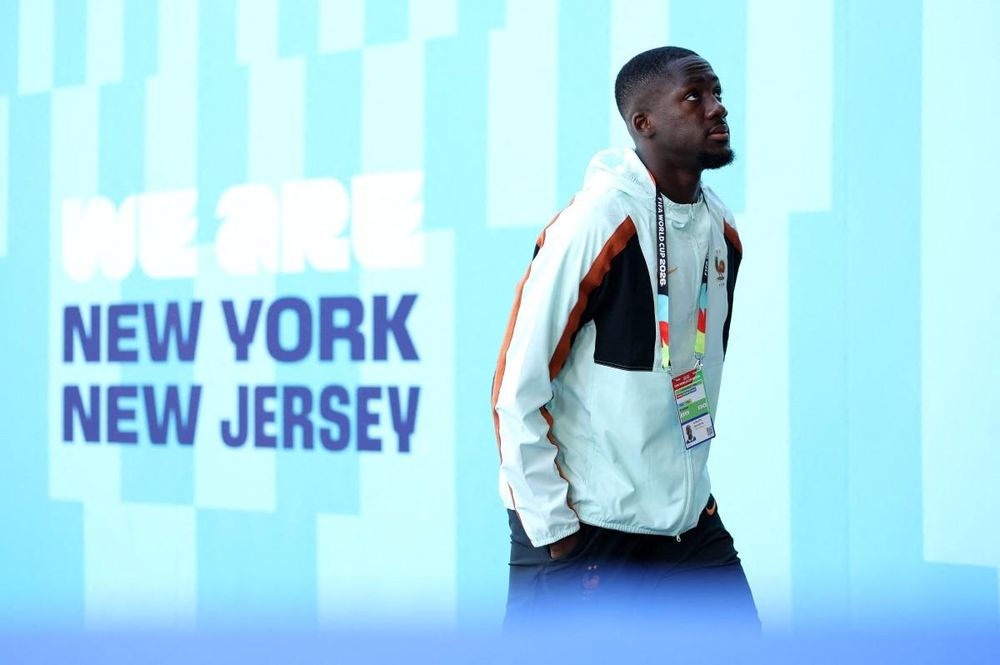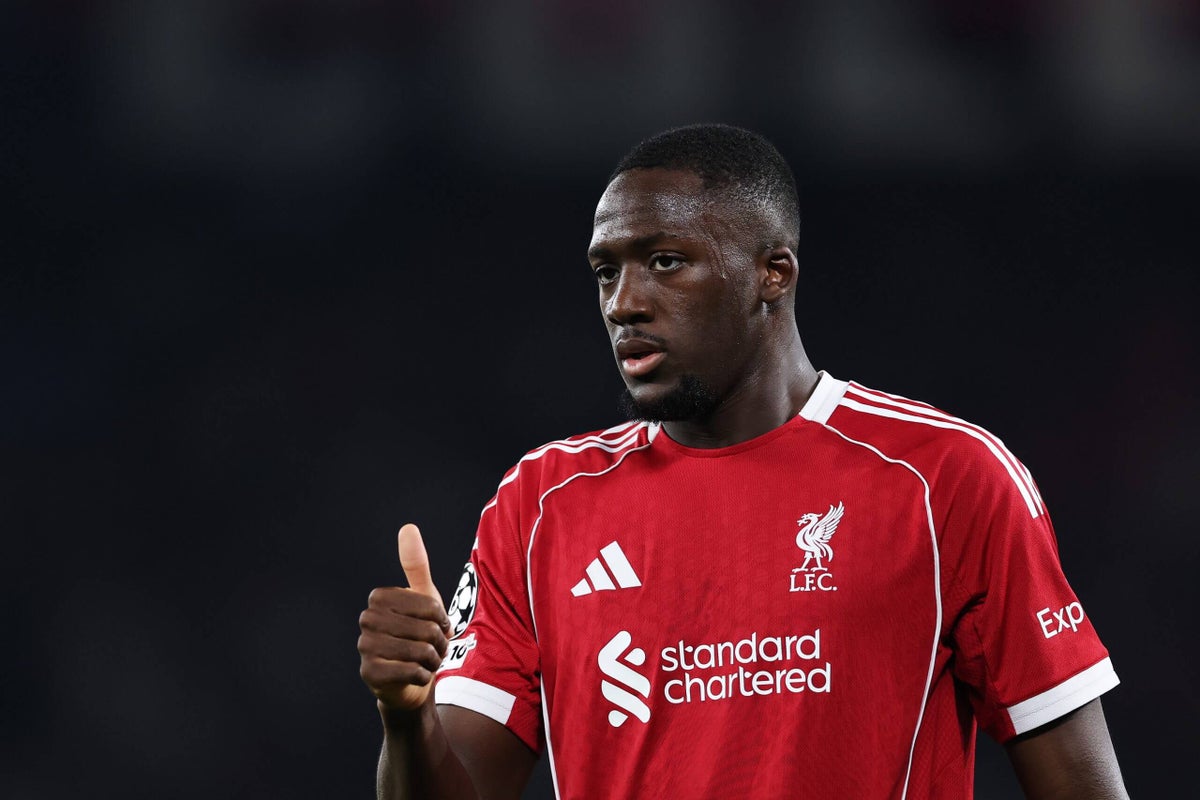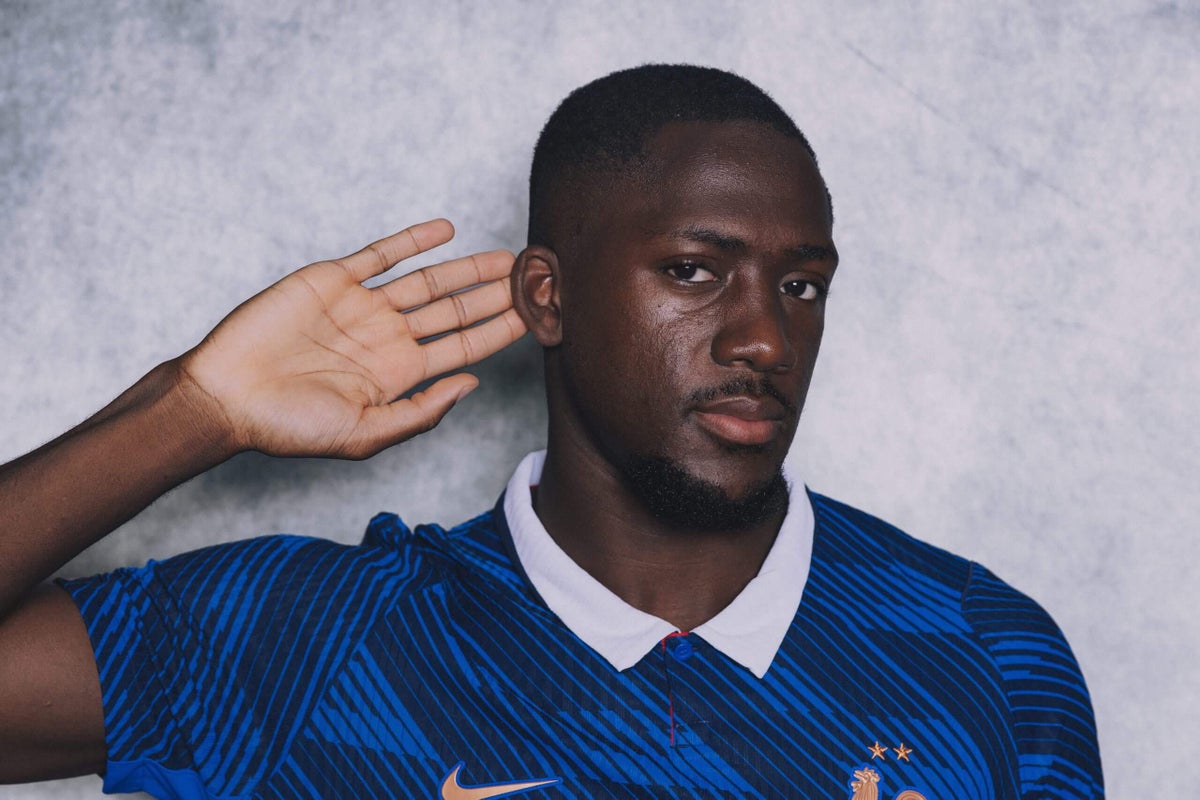
Albert Cartier’s mobile phone rang. Ibrahima Konate was on the other end.It was 2017, and Konate — then aged 18 — was set to be a free agent as his contract with FC Sochaux-Montbeliard was coming to an end. He had been offered a professional deal by the French side, but Bundesliga team RB Leipzig were pushing for his signature.Cartier had handed Konate his senior debut as a 17-year-old earlier that season. He had departed Sochaux by the time the centre-back had a decision to make, but his opinion still mattered to the youngster.“I told him that there were players who needed to take things one step at a time, but he wasn’t one of them,” Cartier tells The Athletic. “He was ready to go. Leipzig buy talented youngsters, launch their careers. I told him he could do it — that it may take time, but that he had the mental, physical and technical attributes. Most of all, he had the head for it. I didn’t see it as a risk.”The move paid off. He is a Premier League title winner at Liverpool with 27 senior international caps for France.Ibrahima Konate is in France’s World Cup squad (Damir Sencar/AFP via Getty Images)Fast forward to the present day. A call to Cartier may no longer be required, yet Konate’s career is again about to head in an intriguing new direction.After his five-year stay at Anfield ended with a protracted contract stand-off and a failure to agree new terms. Konate is now bound for Real Madrid.He is not the first to transition from Merseyside to Madrid — Steve McManaman, Michael Owen and Trent Alexander-Arnold all made that move — but his story is intriguing.Konate remains an enigmatic presence, on the field a defender of athletic brilliance who could easily end the summer as world champion with France. He is also someone who attracts scepticism around both his consistency and durability.Who is the real Ibrahima Konate?Head east from Paris’ centre, a mile or so from the cathedral of Notre Dame, and you’ll find yourself in La Roquette.Years ago, this was a working-class area of the 11th arrondissement, once home to two notorious prisons. Now, it is regularly cited as one of Paris’ hippest neighbourhoods, its bustling streets filled with tastefully shabby bistros, patisseries and brasseries.That air of chic was less pronounced when Konate was growing up in the area in the early 2000s. Instead, his focus fell on Square de la Roquette, built on the site of one of those prisons and which contains a football cage, bedecked in blue and red — a haven for local kids, away from the hipsters and tourists who clog up the surrounding streets.It was around here that Konate honed his burgeoning skills before he left the city aged 14 to pursue his dream of being a professional footballer.The Square de la Roquette, where Konate honed his skills (Tim Spiers/The Athletic)One of eight children to parents who emigrated from Mali in West Africa, Konate’s first chosen sport was frisbee. In his quest to be different, he had watched the majority of his school class sign up for football, but having enjoyed frisbee during a PE lesson, he chose to go against the grain.But he caught the football bug playing in the streets and cages aged nine. Ronaldo (the Brazilian one) was his inspiration and the skills flowed as he saw himself as a striker.One of his brother’s friends was coaching at Paris University Club, so Konate joined their under-10s. The registration fee was €100, a sum the family could not afford, so a compromise was eventually reached at €40.A year later, he was spotted by Paris FC and, after a successful trial, it was there, under coach Reda Bekhti, where his transition from striker to defender began. Initially, he dropped into midfield and trying to be Ronaldo became trying to replicate Yaya Toure.He attracted the attention of Sochaux and as a 15-year-old, he made the 270-mile move south-east to join their academy. Konate made a strong impression on academy director Eric Hely, who delivered a simple message to him which proved to be career-defining: have a good career in midfield or a great one in defence.“We immediately saw that he had potential,” Hely tells The Athletic. “He was clearly an athlete — quick, powerful, tall. Beyond that, he was just overflowing with charisma. There was something special about him.“The move was largely down to his athletic qualities. He was very good at defending one-on-one. His technique was tidy and efficient. He may have dreamed of being like Ronaldo, but he always kept things simple and made good choices.”Omar Daf was Sochaux’s first team assistant manager when he was introduced to a 17-year-old Konate, who quickly graduated to the reserve team, also under Daf’s control.Adductor muscle issues meant Konate was not playing regularly and was spending more time in the gym. It gave Daf the opportunity to discuss switching roles with him in further detail.“I moved him back (from midfield to centre-back) at half-time of a match against Besancon,” says Daf, now manager of Ligue 2 side Amiens. “It meant he could have the entire game in front of him.“He was a very intelligent boy, a big personality. Right from the start, he commanded the defence and was very good in the second half. He was alert, quick, good in the air and he could play those diagonal passes.Ibrahima Konate (left) and Troyes’ Adama Niane in 2017 (Sebastien Bozon/AFP via Getty Images)“He was always one of the leaders of the academy, be that on the pitch or in the corridors of the training centre. He united the other players. Whenever there was a problem, he was the one to speak on their behalf.”While Konate played the occasional game with his own age group in midfield, when he played for the under-19 and reserve teams, he formed part of the back four.“When I look at him today, it’s clear I was right,” says Hely. “In his duels, the security he provides… he is an incredibly effective centre-back.“He was — and is — a natural leader, the wise man in the squad. He was not someone who screamed and shouted, but when he talked, it was worth listening because he had the team’s interests at heart.”When Cartier arrived at Sochaux, he was unaware of the emerging defender, but after spending weekend mornings watching the club’s youth teams, he spotted the under-17 captain — although, at 6ft 4in, he was difficult to miss.“I thought he had potential,” says Cartier. “He was a reliable performer — not exceptional but consistent. Defensively, he was naturally dominant. He didn’t commit many fouls, but he was physical. His size had a psychological impact on opponents.”A string of injuries left the manager searching for solutions at centre-back for a 2016-17 French League Cup quarter-final against Ligue 1 side Monaco, who had Kylian Mbappe, Radamel Falcao, Thomas Lemar and Bernardo Silva on their books. Cartier called Konate up to first team training and then informed him he would be starting.Learning that could have been overwhelming and Cartier asked the youngster what he would do first if told that he was in the XI. Konate’s response was that he would do all of the research he could on the opposition forwards — calling his family would come later.“Most youngsters in that situation would call all their relatives and friends, start sorting out guest passes and tickets,” Cartier says. “They would expend a lot of energy on all that. Ibrahima said he would just focus on getting himself ready for the game. I thought, ‘This kid is a bit different’.“When you’re a coach, you ask certain players to dig deep, to push rocks to the top of the mountain. Some see it as punishment, but others treat it as a challenge. They think, ‘I’ll show him what I’m capable of’. That’s how he saw it. He was a winner. It is engraved in his DNA. I taught him, but I learned from him, too.”Ibrahima Konate playing for France Under-16s in 2015 (Chris Brunskill – The FA via Getty Images)Before kick-off, Cartier was asked by footballer-turned-journalist Jean-Luc Arribart for Canal+ why he was throwing a 17-year-old, who had never played a minute of first-team football, in at the deep end.“He thought I was taking an enormous risk,” says Cartier. “I told him to ask me after the match. When it was over, he said, ‘Albert, I’m not going to ask you that question again. I just want to tell you that what we saw today was incredible’.”A late Joao Moutinho goal was required to earn Monaco penalties and the Ligue 1 side ultimately prevailed 4-3 in the shootout. While Mbappe was an unused substitute and Falcao came off the bench in the second half, Konate was outstanding and earned a place in the first-team squad for the rest of the season.Konate’s quality was clear for all to see, but there were still wrinkles with his development.During a break in Sochaux’s campaign, Konate returned to train with the youth team. Hely spoke to Cartier a few days later to inform him that he was not training at the right intensity.“I asked (Konate) whether he was training properly,” recalls Cartier. “He said, ‘No, I was a bit relaxed because I wasn’t with the first team and I should make the most of a chance to take a breath’. I told him that he would train for another week with the youth team and that I would be asking Eric for daily reports about his attitude.”The following day, Hely’s report was glowing, with Konate promising he would not make the same mistake again. It is a lesson that has stayed with him.Individual development was focused on improving his aerial attacking threat – Cartier felt he should be scoring more goals – and long passing. He was asked to practise controlling the ball and playing diagonal passes out wide with both feet.Line-breaking passes also became a point of emphasis. Cartier wanted his defender to look for the 30-yard passes into Sochaux’s attacking midfielders to catch opponents off guard.At the end of the campaign, a number of European clubs were interested and his contract decision had to be made.“I spoke with him and his brother,” says Daf. “His brother called me when Ibrahima was struggling with injuries, to see how he was doing, whether he was working hard, whether his attitude was right.“I would tell him not to worry, that his brother would succeed when he was fit. We would have been happy for him to stay, but with the potential he had, we could not hang onto him.”Konate chose to move to Germany, a move that few inside Sochaux could really begrudge him. The main frustration was financial. Having seen his potential first hand, keeping hold of him would have likely netted Sochaux a significant profit if he continued to develop there and then been sold. Instead, they lost him for a nominal fee.Ibrahima Konate impressed at RB Leipzig (Jan Woitas – Pool/Getty Images)Supporters were less understanding and Konate screenshotted a number of negative messages sent to him on social media to use as motivation to prove people wrong.Leipzig had stepped up their interest after sporting director Ralf Rangnick viewed clips of the defender, put together by the German side’s scouting department. He was a raw 17-year-old, but attributes including pace and positional awareness stood out and convinced them that he could become a Bundesliga defender immediately.Rangnick travelled to France to speak to Konate and his family to lay out his vision for the player’s development. The defender was sold and while there were the expected growing pains, he established himself at the heart of their defence and became Liverpool’s priority defensive target in 2021.Nobody would claim that Konate’s progress at Anfield was seamless. There have been trying moments: his durability has, until last season at least, been a constant concern (he has played just 118 Premier League games in five campaigns) and he remains error-prone.There were serious wobbles in the early stages of last season, although the possible reasons why have become clearer in recent days. Konate gave a remarkably candid and eloquent interview to French radio about how the deaths of his team-mate Diogo Jota last July and his father in January left him feeling depressed.“There are low points, there’s depression. You can suffer from depression in football too; there’s no need to be ashamed to say so,” he told France Inter.“It’s true that I’ve often heard players say they were suffering from depression and that fans or people on the outside didn’t understand because they were earning a lot of money. But no, that’s rubbish and you shouldn’t say that.“Depression is personal; it’s deep inside you. When you’re depressed, it starts in the heart, goes up to the brain and takes over your whole body. For me, that’s what’s hard, and we need to talk about it.”It is a testament to his strength of character that Konate still made 36 Premier League appearances across the season, a career high in a single campaign. He even came back early from compassionate leave after his father passed away to play for Liverpool, who were struggling with a defensive injury crisis, against Newcastle United at the end of January. He duly scored in a 4-1 win.It is telling that the three former coaches who spoke to The Athletic all heaped praise on the player and person Konate has become.He has come a long way since those childhood days playing in the cages of La Roquette. Now his journey is taking him to Madrid.
Ibrahima Konate was the kid who ‘dreamed of being Ronaldo’. Now he’s at Real Madrid
Konate has come far since childhood football games in the cages of La Roquette. Now his journey has taken him to the World Cup — and Spain
2,269 words~10 min read