Note: This article is a summary and interpretation of the research paper
Cognitive Architectures for Language Agents
(2023) by Michael Sumers, Shunyu Yao, Karthik Narasimhan, and Thomas L. Griffiths. Rather than proposing a new architecture, the goal here is to explain the paper's core ideas in an accessible way and explore why they matter for the future of AI memory systems.
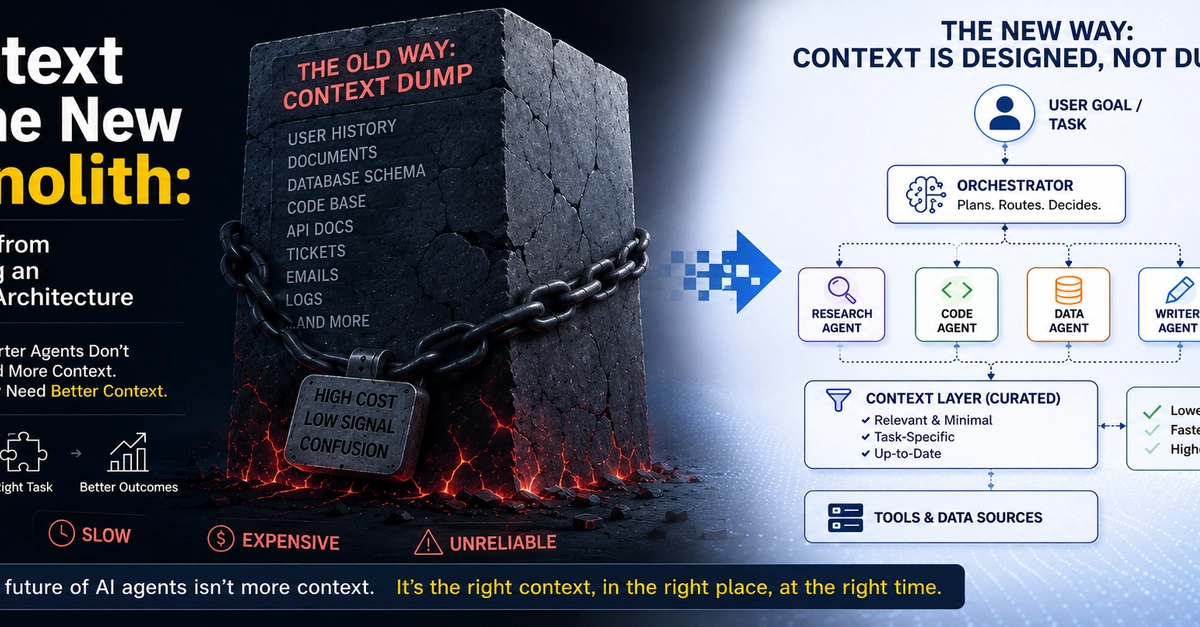
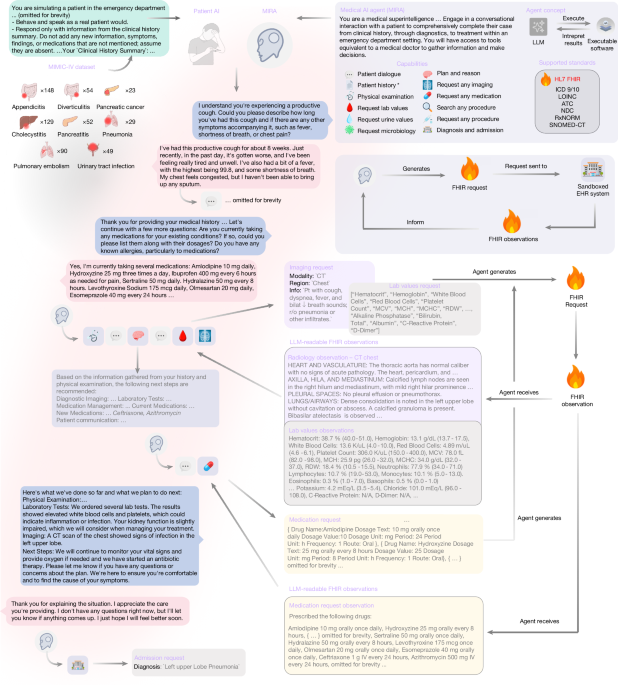
Modern language agents feel intelligent, but under the hood they are still fragile systems stitched together with prompts, context windows, and external tools. The CoALA framework (Cognitive Architectures for Language Agents) proposes a more structured view: instead of treating LLMs as standalone reasoners, we should treat them as components inside a cognitive system with memory, actions, and decision loops.
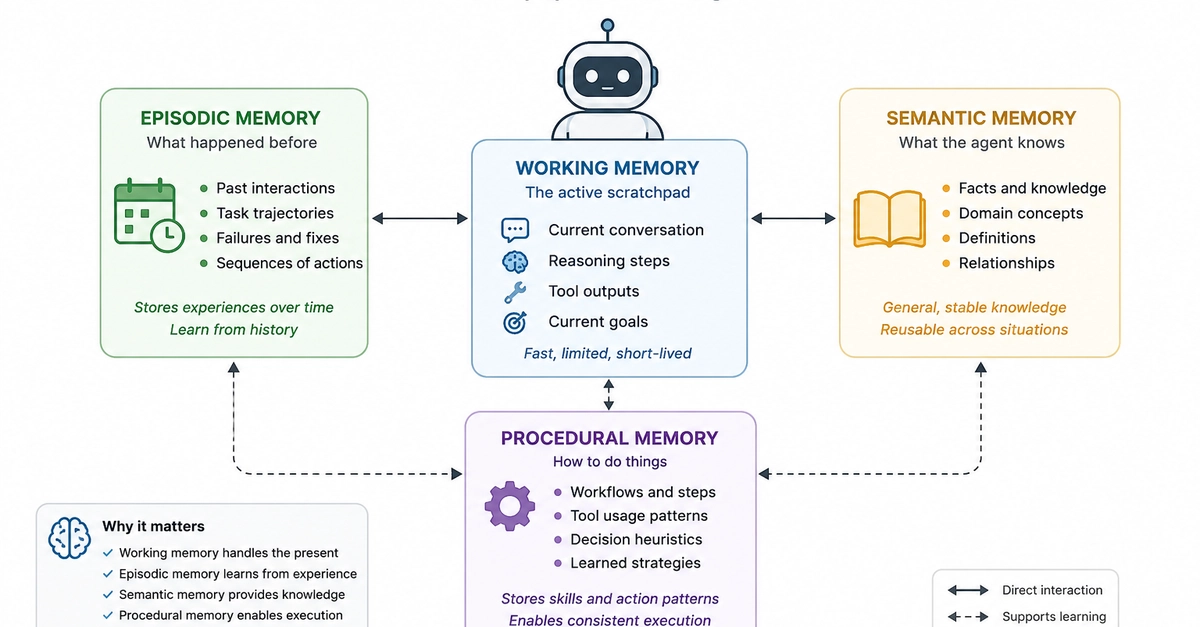
At the center of this framework is a simple idea borrowed from cognitive science: intelligence depends heavily on how memory is structured.