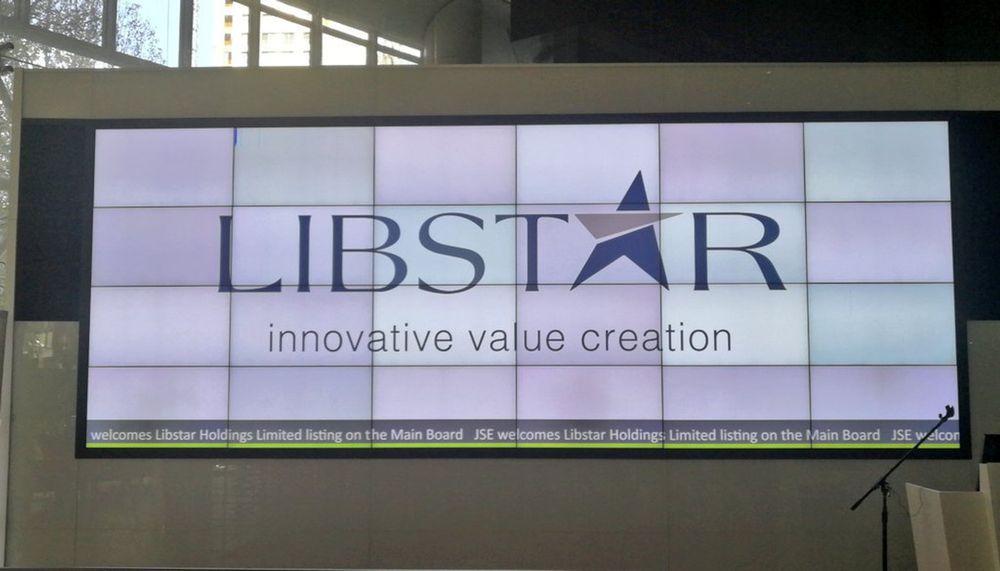
Story audio is generated using AILibstar is continuing with its share repurchase programme and portfolio reshaping strategy despite reporting weaker-than-expected trading for the first 21 weeks of 2026, with the group citing consumer pressures, rising costs and operational challenges.The food producer said on Thursday that it had spent about R43.3m to repurchase 9.4-million Libstar shares at an average price of R4.59 apiece. The group plans to continue the buyback programme during its closed period, subject to regulatory requirements and board approval processes.The share repurchases come as Libstar reported that revenue for the period to end-May was broadly in line with the previous year, increasing by 0.9%. Volume growth was 0.3%, while price and mix contributed 0.6%.“Libstar continued to generate resilient cash flows during the current period despite weaker trading,” the company said.The group’s trading performance was below its original expectations, with its performance affected by a constrained consumer environment and higher manufacturing costs.Management has accelerated mitigating actions, including targeted pricing adjustments, further enhanced cost control of labour and manufacturing costs and focused remediation within underperforming operations.— LibstarLibstar said inflationary pressure had increased due to sharp increases in petroleum-linked input costs, particularly packaging and distribution expenses.Gross profit margins declined by between 1 and 1.5 percentage points compared with the prior period, mainly due to weak cost recovery in Dickon Hall Foods (DHF) and dry condiments, as well as broader cost pressures, it said.DHF was one of the main areas under pressure, with labour challenges and water shortages disrupting production and resulting in the under-recovery of manufacturing costs. Dry condiment exports were also affected by shipment timing, a stronger rand and weaker demand in Australia and Asia.“Management has accelerated mitigating actions, including targeted pricing adjustments, further enhanced cost control of labour and manufacturing costs and focused remediation within underperforming operations,” Libstar said.The group said some divisions continued to perform well, with dairy, value-added meats and core wet condiments partly offsetting weaker areas. Food service delivered strong growth, while retail and wholesale showed a more muted performance.Alongside the buyback programme, Libstar is continuing its portfolio simplification strategy. The group said it had entered into a sale agreement for its Phesantekraal property in the Western Cape and has progressed discussions around the disposal of Contactim, its remaining non-food business.The integration of DHF into Montagu Foods is also continuing, with production lines transferred into operation in May and June. Commissioning of additional lines at a new site is expected to be completed by the end of July.Libstar’s balance sheet position improved during the period, with its last 12-month net interest-bearing debt to normalised earnings before interest, taxes, depreciation and amortisation (ebidta) ratio improving to 1.3 times from 1.6 times in the prior period. Interest cover also improved to 7.9 times from 5.9 times.“Although the inflationary outlook remains elevated, the group expects the second-half performance to improve relative to the first half,” Libstar said.The group expects the improvement in the second half of the year to be supported by seasonal trading patterns and continued progress on integration and operational initiatives.Results for the first half ending June should be released by September 8, Libstar said.
Libstar presses ahead with buybacks as tough trading weighs on growth
Trade has been hampered by a constrained consumer environment and higher factory costs
518 words~2 min read