In hardware, when you ship something broken, the consequences are severe and often irreversible. That’s the world I worked in for years, in verification roles at Mellanox and later at Alibaba. The stakes forced the industry to build a rigorous verification culture. You proved designs worked before they left the building.
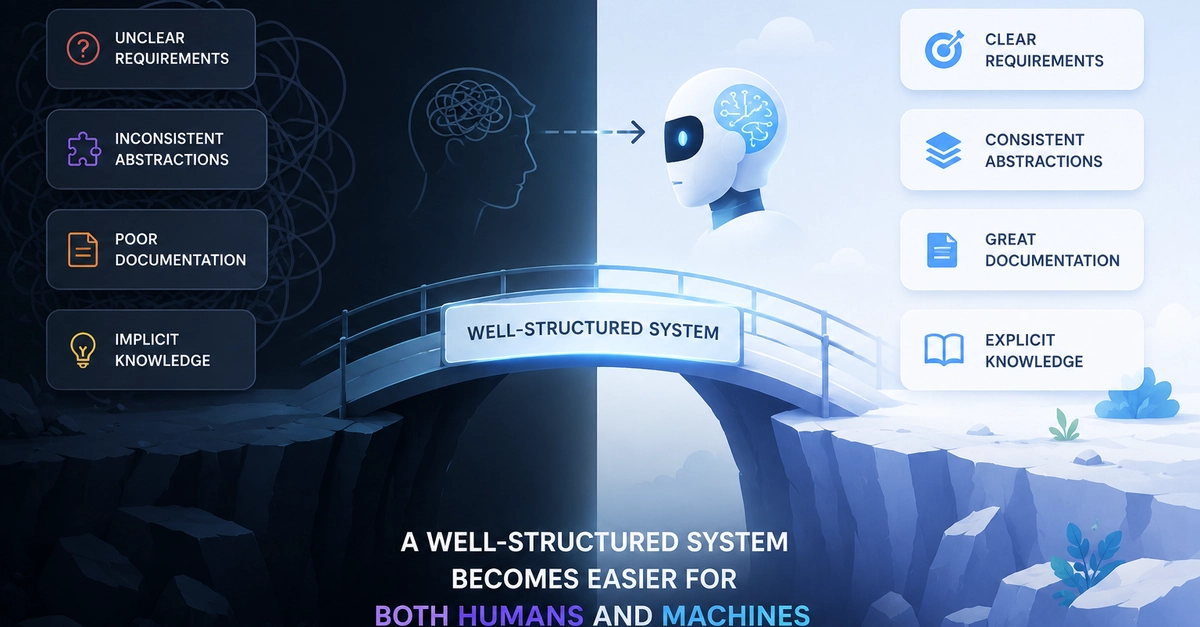
In software, verification disciplines look like CI/CD pipelines, static analysis, canary deployments, and observability. But those systems were built around code written at human speed, with human comprehension baked into the process. AI code generation has broken that assumption. The writing process can no longer be trusted to carry institutional knowledge and judgment into the codebase. The industry is being pushed toward the kind of rigorous verification culture that hardware engineers have practiced for decades.
Enterprises are generating code faster than at any point in history. Google recently disclosed that 75% of the company’s new code is now AI-generated. Meta has set internal targets requiring most of its engineers to generate the majority of their committed code with AI tools by mid-2026. The velocity gains are significant. But a growing body of evidence suggests the industry is accumulating a new form of technical debt, one that is less visible than the traditional kind and harder to unwind. It’s also preventable, and the organizations that get ahead of it will have a meaningful advantage over those that don’t.