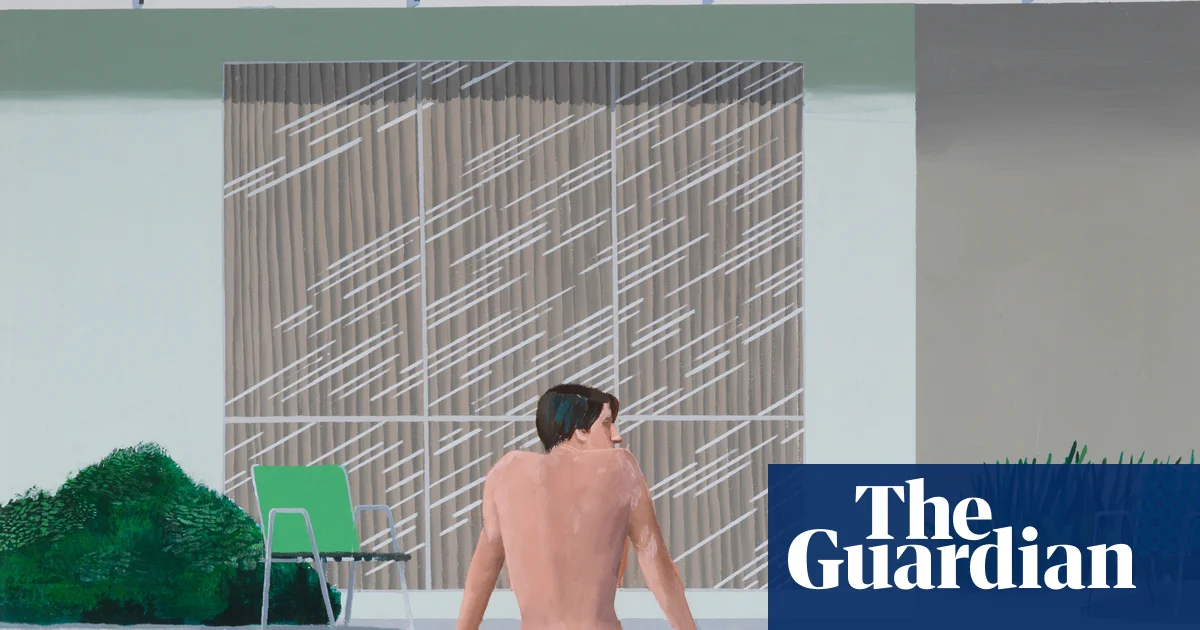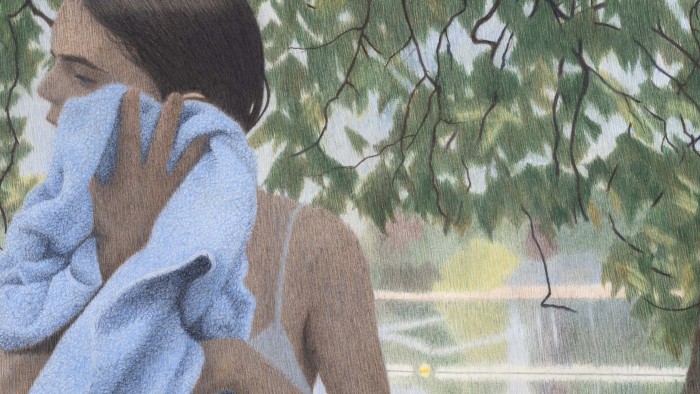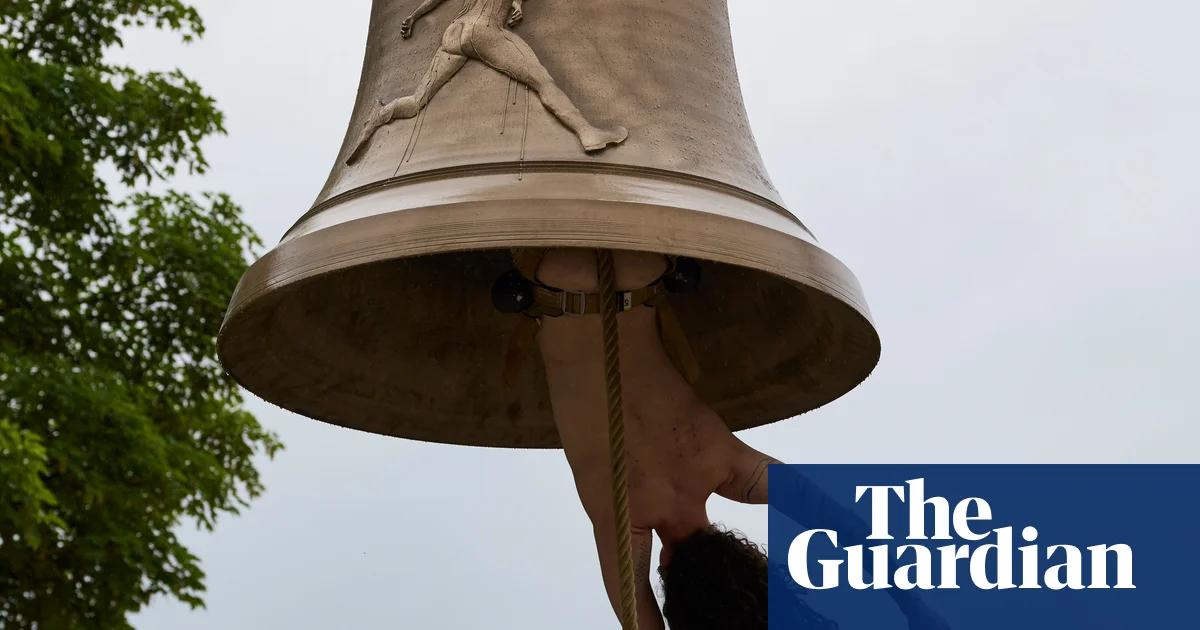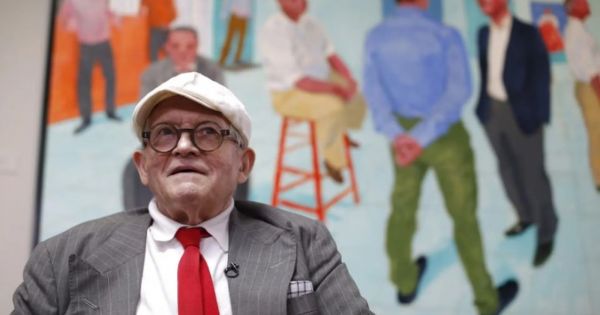
In 1911 Duncan Grant’s ‘Bathing’ went on display as part of a design scheme for the dining room of the Borough Polytechnic in Southwark. This large painting depicts a group of strongly muscled male bathers diving, swimming and hauling themselves into a boat. Only one of them is wearing a bathing slip, and while this kind of spectacle might have been familiar to anyone educated at a public school at this period, the art critic of the Times complained that it could well have ‘a degenerative influence on the children of the working class’.
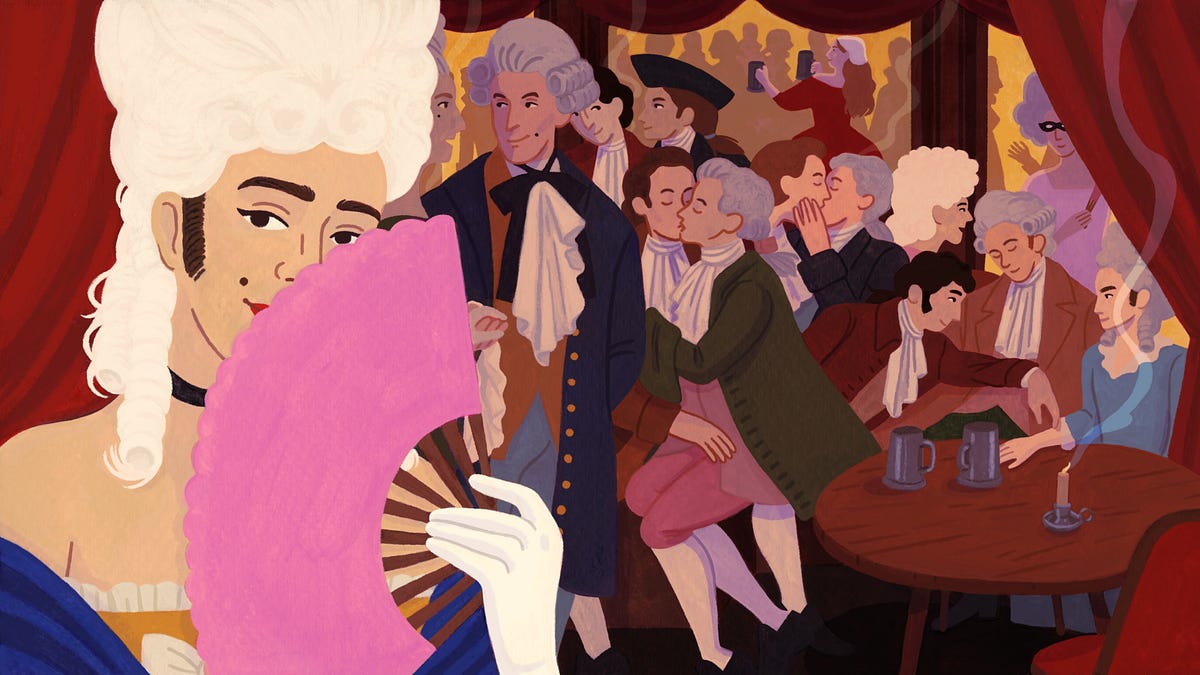
The picture now hangs in Tate Britain, and is used on the gallery’s website to direct people to an account of ‘Queer Life and Art’. This seems fair enough – Grant was after all largely homosexual and ‘Bathing’ clearly carries a homoerotic charge – but what precisely is ‘queer art’? This was a question addressed in 2017 when the gallery mounted its Queer British Art exhibition to mark the 50th anniversary of the partial decriminalisation of homosexuality in England and Wales. It was not simply a matter of artist and subject, for the exhibition’s curator also described ‘the possibilities of queer interpretations’ of art, ‘readings… that foreground connections with same-sex or gender-variant desires, lives, cultures, identities or perspectives’. Such interpretations, she added, ‘have often been excluded from the history of art or squeezed to its margins’.