Introduction
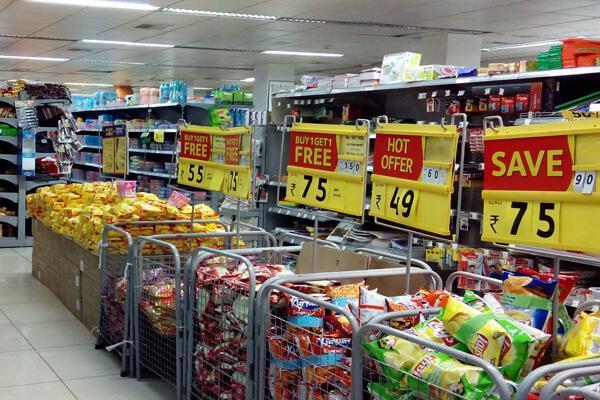
Nigeria’s sachet economy is one of the most commercially consequential features of the Fast-Moving Consumer Goods (FMCG) sector. Over three decades, what began as a practical response to declining purchasing power has matured into the dominant framework for product distribution across the country. Milk, cereals, detergents, beverages, cooking oil, alcoholic drinks, and water are now routinely packaged in ultra-small, low-cost units; the sachet has become as much a social institution as a packaging format.
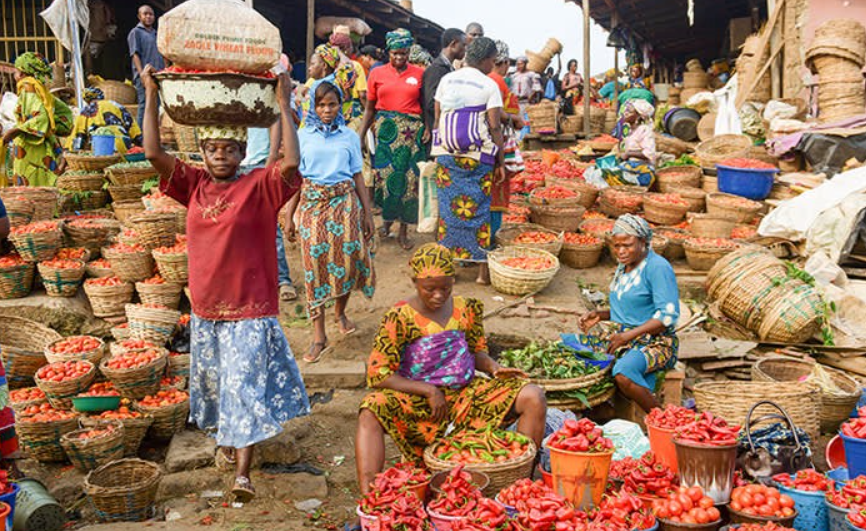
In a market shaped by persistent inflation, currency volatility, and constrained household incomes, affordability dictates consumer participation. Sachets allowed manufacturers to align pricing with daily cash-flow realities, unlocking access for millions of low-income Nigerians and enabling deep penetration into informal retail sectors. Smaller packaging formats also improved product portability, accelerated inventory turnover, and reduced entry barriers for informal retailers. This facilitated a deeper market reach into rural and semi-urban areas that rigid packaging could not efficiently serve.
The sachet economy has also generated substantial employment across manufacturing, logistics, wholesale distribution, retail trade, and waste recovery activities. Entire value chains are structured around sachet-driven commerce. Any regulatory intervention targeting sachet packaging, therefore, carries implications well beyond environmental policy: it touches employment, industrial production, retail accessibility, and consumer welfare simultaneously.