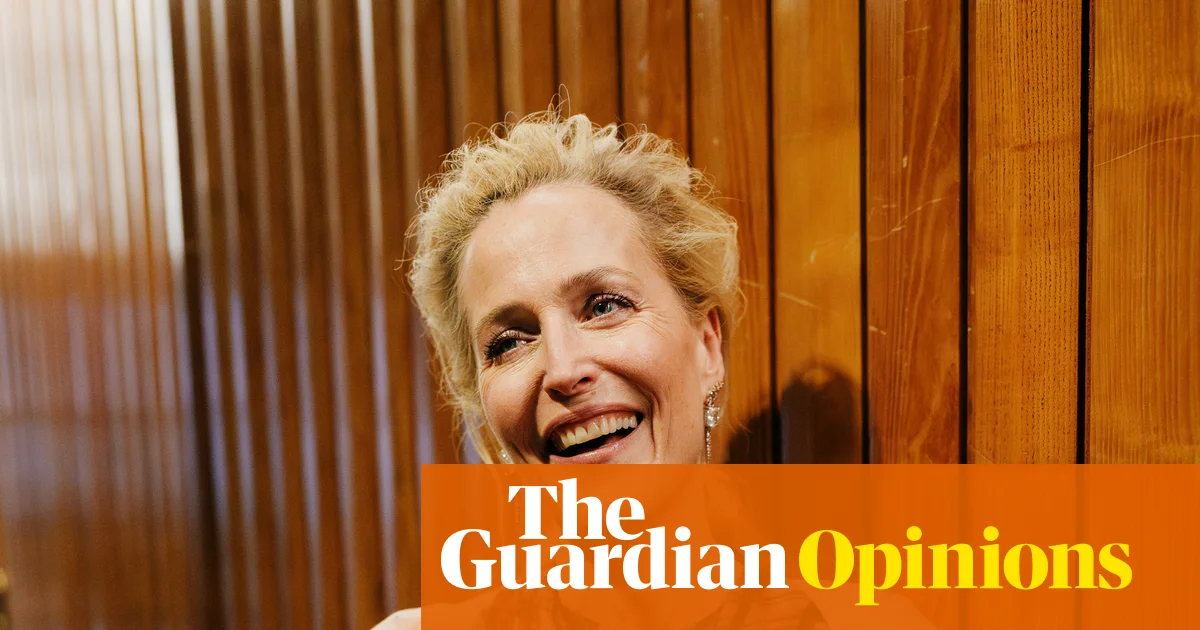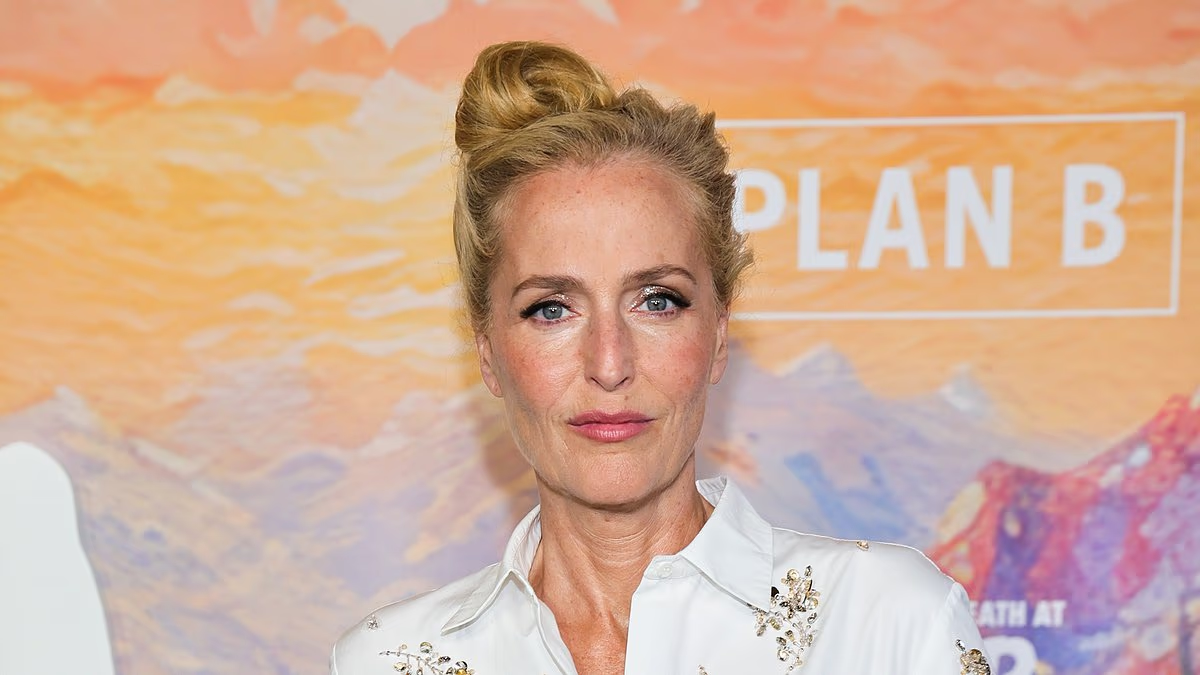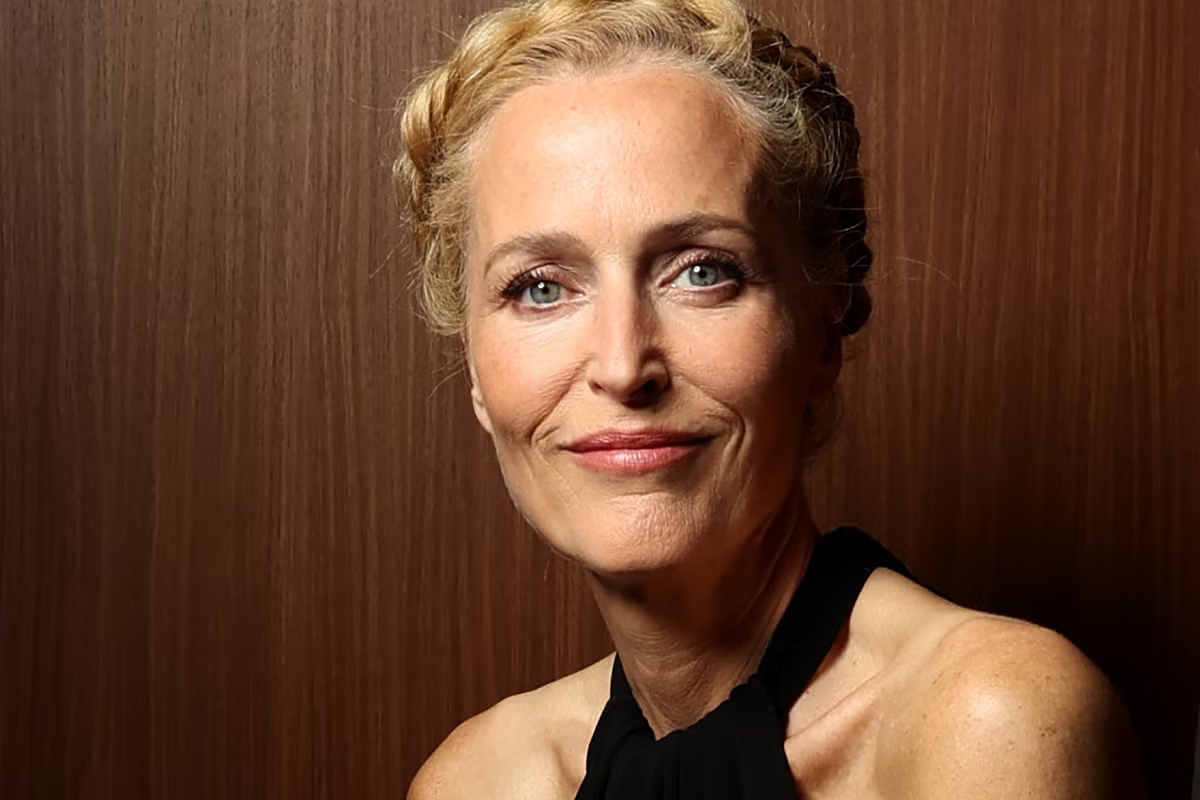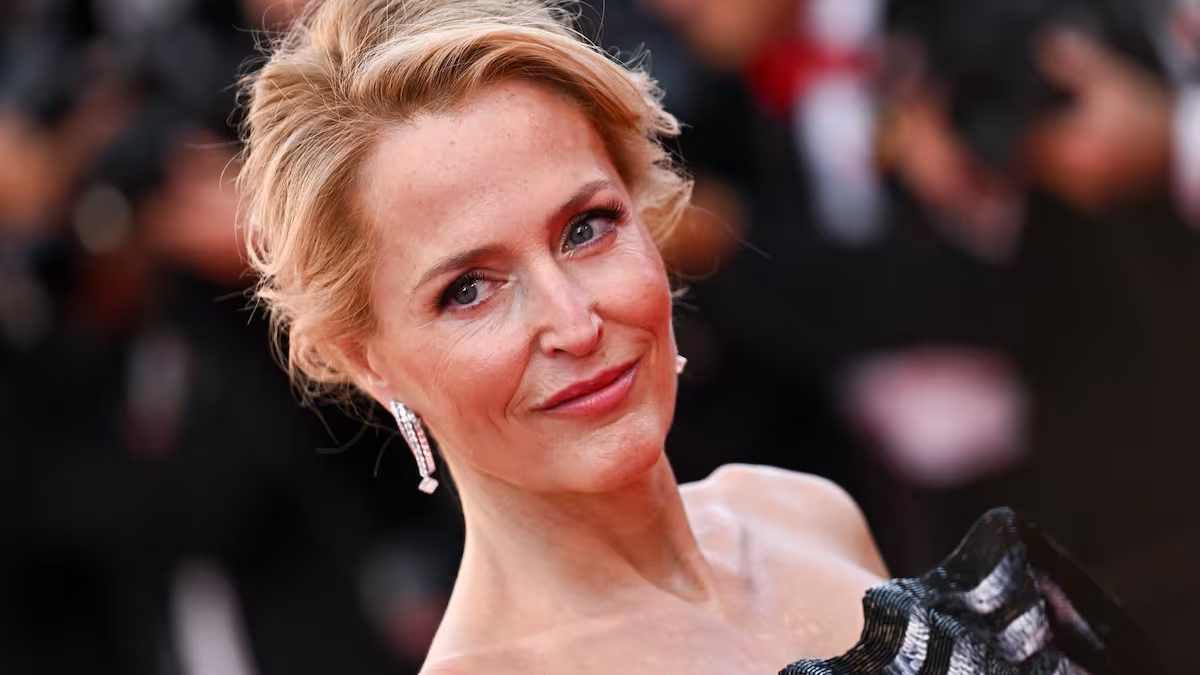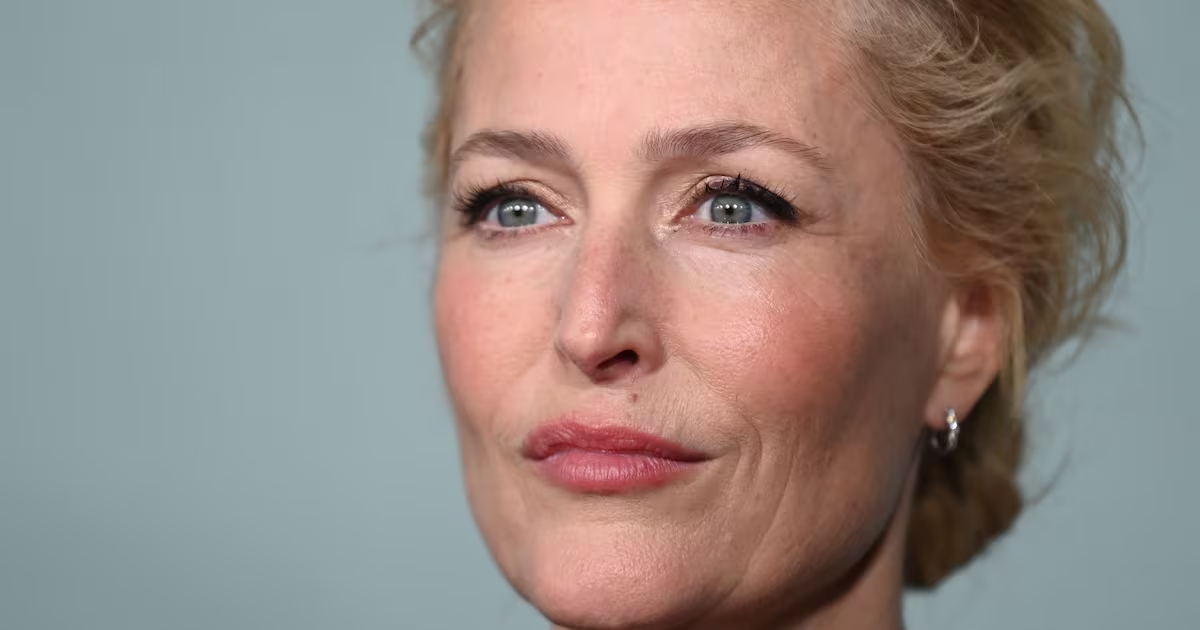
When one of the sexiest women in the western world tells you she’s not disappearing from work because of a few wrinkles or hot flushes, you’re likely to believe and applaud her. American actress Gillian Anderson’s Lessons of Worth campaign for L’Oreal – featuring some beautifully delivered cursing – highlights age-related experiences for women. More than 70 per cent of women over the age of 50 report feeling invisible as they age, according to a survey conducted by the beauty company. Anderson calls women’s perceived invisibility after a certain age crazy, concerning and ridiculous and urges us to see women’s lived experience and unfiltered confidence as an asset.Anderson is known for her many roles in cinema and in TV shows including Sex Education, The Fall and The X-Files, and for championing women’s rights and sexual health. At age 57, she bucks the trend in an industry known for “disappearing” women in leading roles after they turn 30. As with any advertising campaign, L’Oreal’s “research” is trying to sell something, but there’s a grain of truth to women disappearing from work in their 50s no matter who they are. Research in Ireland and internationally shows women’s early retirement is a pattern typically driven by increased caregiver responsibilities, part-time work restrictions and midlife health concerns.What is the data on “invisible women syndrome” for us mere mortals? Women have fought to establish their place in the workforce over the past 50 years and female employment is at record levels. In Ireland, the employment rate for women aged 15-64 is around 71 per cent. This is the highest since the Central Statistics Office (CSO) Labour Force Survey started in 1998. So far, so good.From age 25 to 55, the gap between men and women’s employment rates is around 10 percentage points for every age group but the gap doubles to a whopping 20 points for those over age 55, according to the CSO’s “Women and Men in Ireland.”Women are joining the workforce in greater numbers than a decade ago but they still leave it earlier than their male peers. [ ‘As I was saying’: Interruptions at work cost organisations more than they might thinkOpens in new window ]What’s contributing to women leaving the workforce at this age, just when they’re at the top of their professional power? Women and men in their late 40s and early 50s who are thriving at work may unwittingly find themselves part of the “sandwich generation”, wedged between both raising or financially supporting their own children and caring for their ageing parents. For some women, the list of responsibilities at this juncture includes full-time work, most of the housework and cooking, helping their children prepare for State exams while also assisting older parents and in-laws who have growing health, medical and organisational needs. It’s full-on.Women who have mainly been employed on a part-time basis during their reproductive years will find limited chances for progression. “Women over 55 are heavily over-represented in part-time work, which often leads to reduced career prospects and earlier exits from the labour market. This cumulative imbalance directly impacts overall career earnings and pension entitlements,” says the European Commission’s Eurostat.The invisibility timeline coincides with the unpredictable hellscape of menopause. On average perimenopause (the lead-up to menopause) hits at around age 45, with 51 the average age of menopause (when menstruation stops). There are 652,000 menopausal women in the State and 420,000 in paid employment, according to the 2022 Census. “The menopause can impact the daily lives of employees and have a negative impact on their performance and attendance at work,” says Ibec. One in 10 women leave their jobs because of menopause symptom severity, according to a 2025 University of Galway survey of 1,600 people (1,403 women and 240 men) led by Dr Maeve O’Sullivan. Research carried out by The Menopause Hub in Ireland 2025 found menopause significantly impacted women’s careers. Of the 2,500 women surveyed, 32 per cent stepped back from promotional opportunities, 29 per cent reduced their working hours and 36 per cent considered leaving work entirely due to symptoms.[ Menopause support must tread a fine line between awareness and stigmaOpens in new window ]Menopause is a long, winding and sometimes embarrassing road. Of those going through it, 80 per cent of women experience symptoms, with a third experiencing debilitating symptoms. Symptoms last on average seven to 10 years. There are 40 plus symptoms, including emotional, psychological, physical and genitourinary difficulties.The ones that most impact women at work are: cognitive (76 per cent), such as poor concentration or memory; fatigue (63 per cent); anxiety (52 per cent); feeling overwhelmed (48 per cent); and loss of confidence (48 per cent). Until recently, menopause was a taboo subject and women had to go through it alone, without the support of doctors, their families or friends. Investing in women Scientific and medical research and support on menopause is lacking and, in common with many other areas of women’s health, it’s overlooked, underfunded and under researched. Until now.“Nearly every woman goes through menopause, often during the years she’s also managing work and caregiving responsibilities” says philanthropist Melinda French Gates. Melinda French Gates: 'Women go through so many conditions in mid-life that go unnoticed or untreated and women are dropping out of the workforce because of it.' Photograph: Mike Lawerence/Getty/Gates Archive For many, it can be debilitating. Despite how common menopause is, so many women still aren’t receiving the care they need. Only a quarter of women with menopause symptoms in the US get treated, according to French Gates.Last week, she put her money where her mouth is and pledged another $215 million towards women’s health research and education, in addition to the $600 million announced previously for female healthcare. “Women go through so many conditions in midlife that go unnoticed or untreated and women are dropping out of the workforce because of it,” she said.“When women are healthier they can step up into their full potential and their full power. And, when a woman does that it changes families, workplaces, communities and whole economies”.Women long for greater visibility and understanding of their lifelong health needs in their workplace. Menopause Hub/ Ibec research in 2023 found that 90 per cent of women polled wanted training for HR and managers, and 94 per cent wanted a menopause policy.Since then, Ibec developed a fertility and menopause knowledge guide for members to help support employees affected by menopause symptoms in the workplace. Among others, the Health Service Executive, Bank of Ireland and An Post have introduced benefits including paid menopause leave, which is in addition to sick leave.“Organisations should treat the menopause as they would any other health issue, not only to break the stigma and taboo surrounding the menopause at work, but to create an inclusive environment where employees and managers feel able to discuss what supports if any are required during this time,” Ibec states.Supports like this provide more than just lip service to female employees. Psychological menopause symptoms contribute to lower satisfaction and performance levels at work but, crucially, structured organisational support helps to lower symptom severity, according to researchers at Dublin Business School, University College Dublin and Queen’s University Belfast (Smith, Cooney and Naraindas), writing in Comprehensive Psychoneuroendocrinology last year.As Gillian Anderson says, when women feel valued and visible they bring earned perspective, confidence and wisdom to all they do. “I’m not going anywhere: I’m a voice and a mind and body, stronger, more present and more unfiltered than ever.”Margaret E Ward is chief executive of Clear Eye, a leadership consultancy. margaret@cleareye.ie
Gillian Anderson may not be disappearing from work but many women in Ireland are
‘Invisible women syndrome’ is a reality in the workplace, particularly for those over 50
1,254 words~6 min read