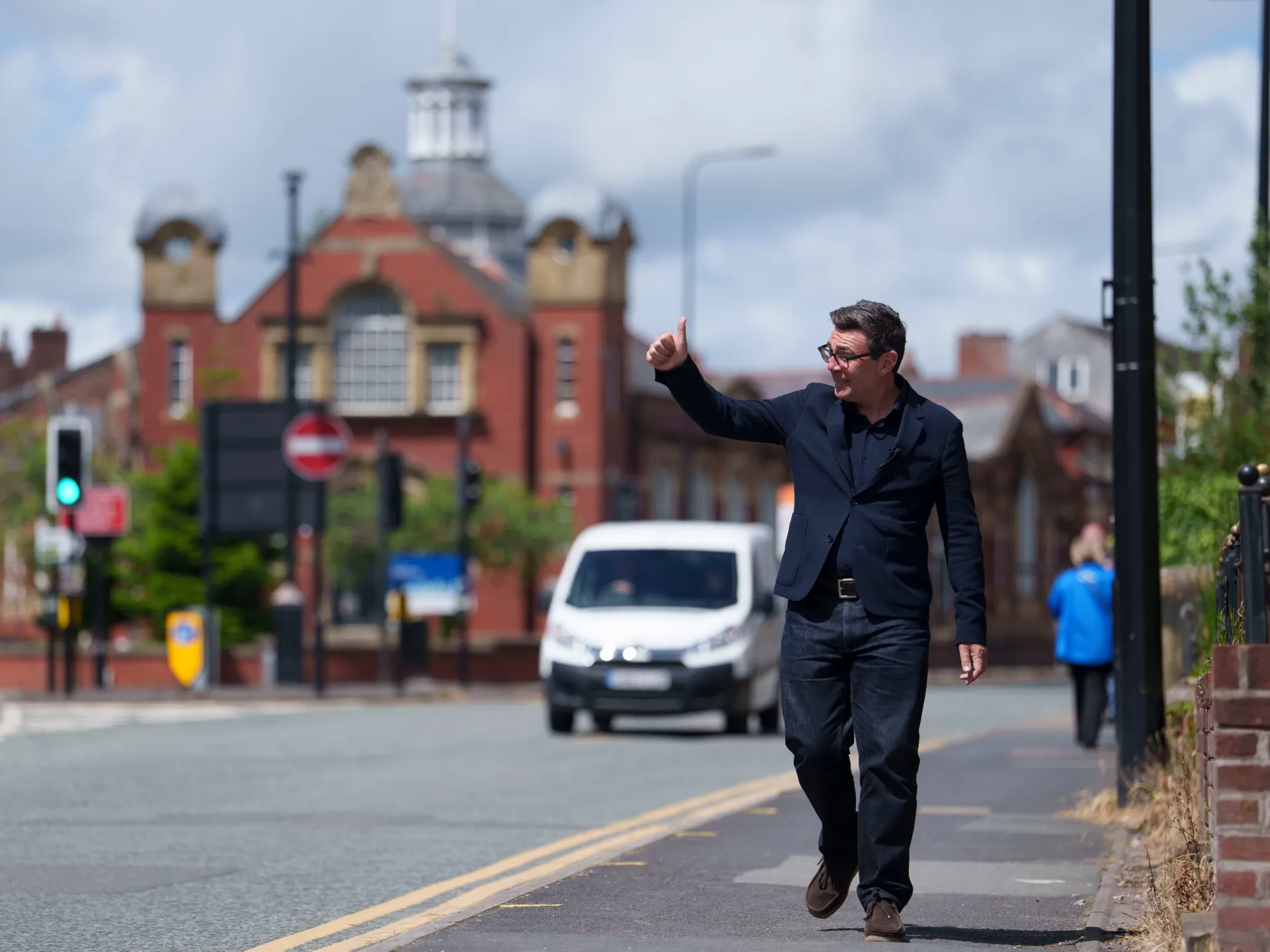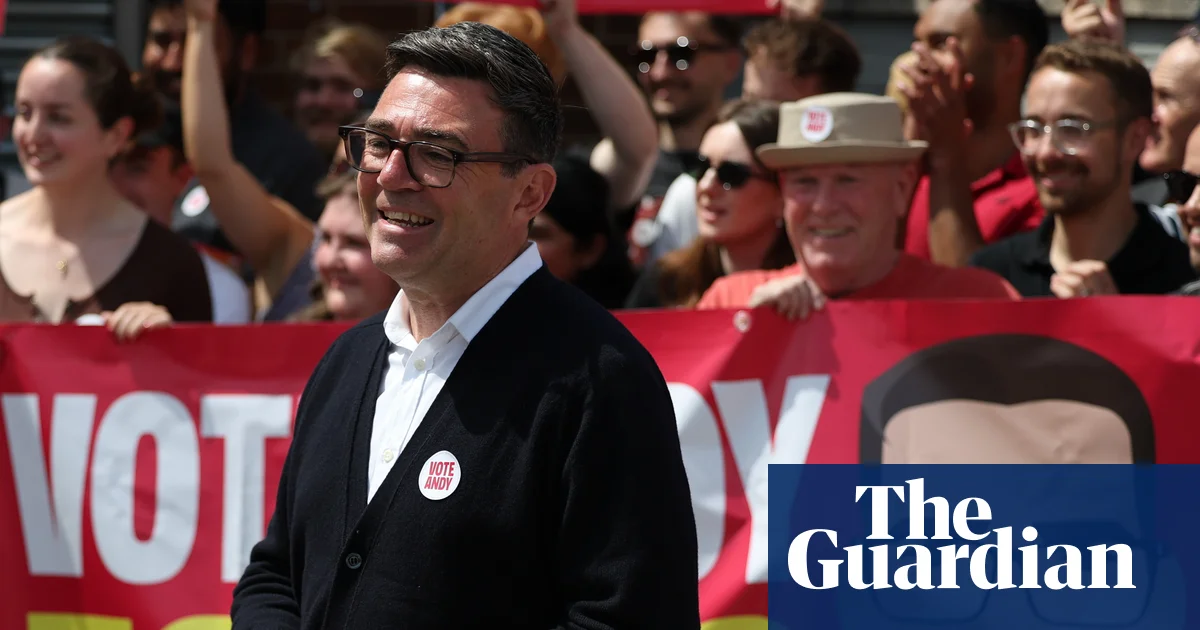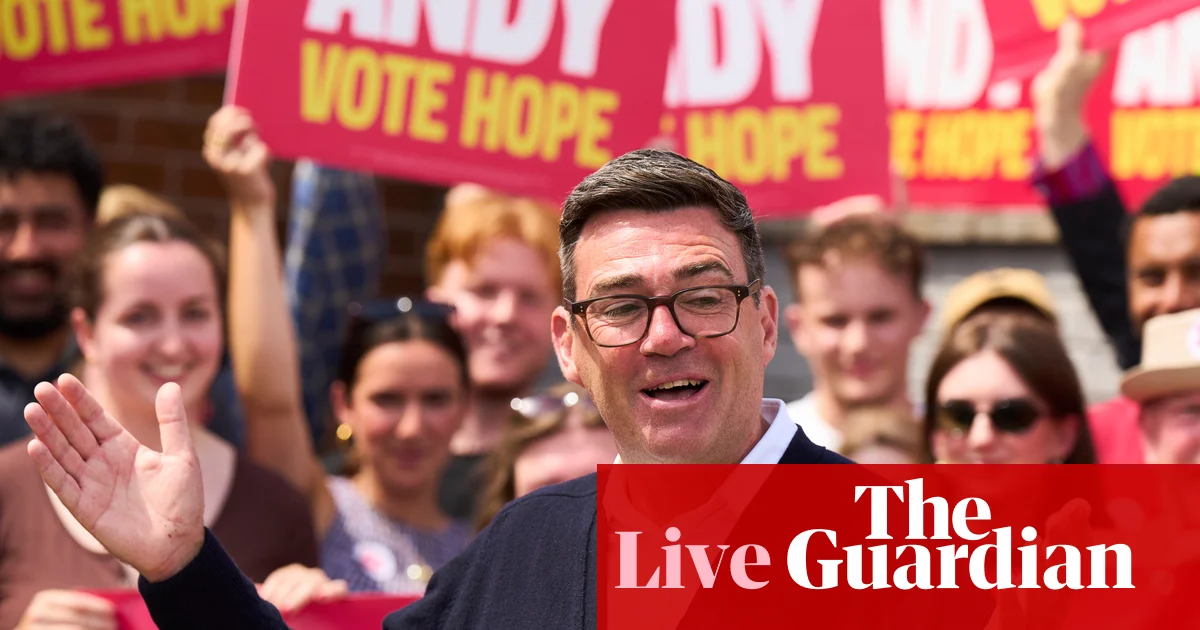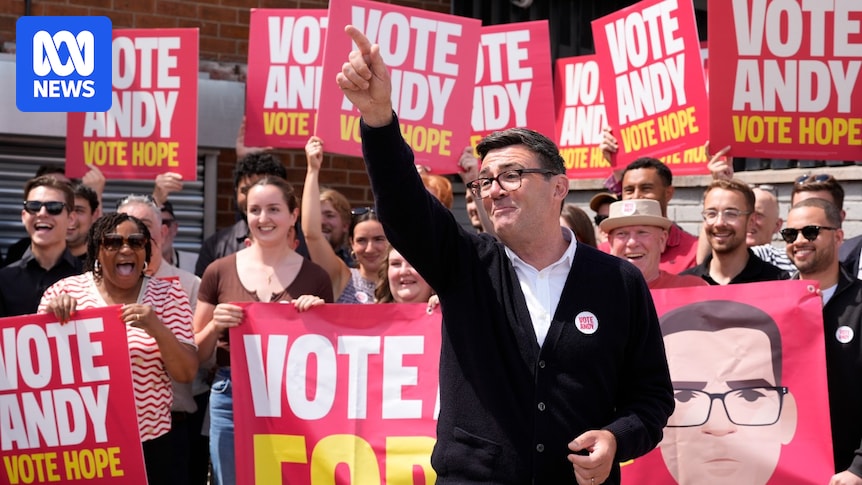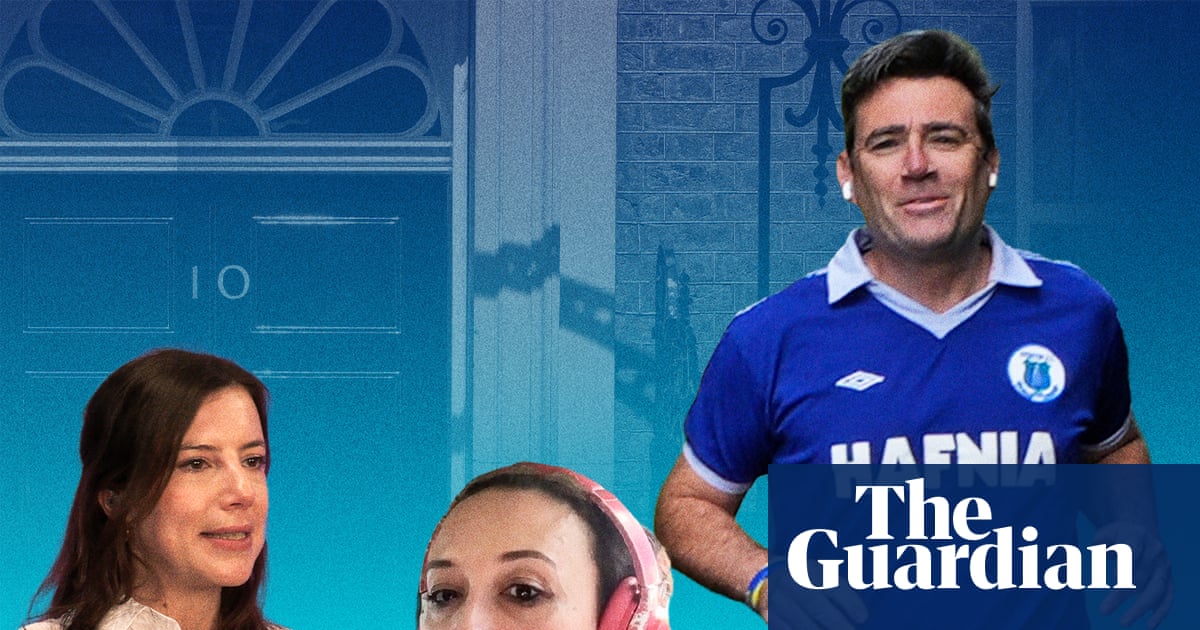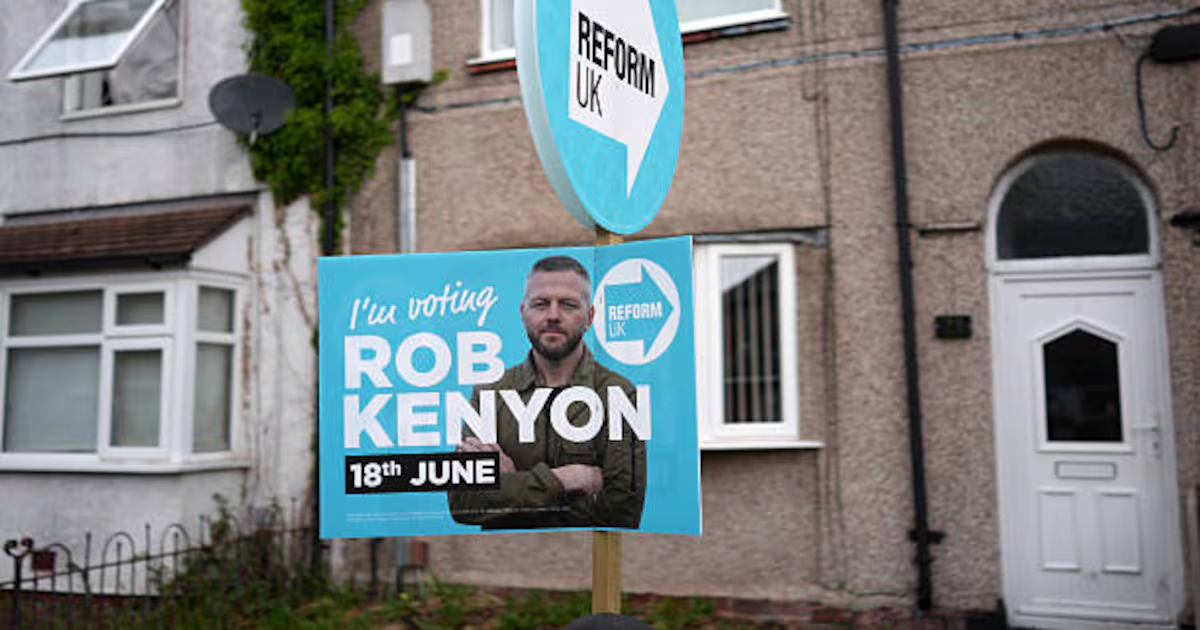
Today’s Makerfield byelection in northwest England is likely to be consequential far beyond its borders. The final opinion polls show a tightening race between Labour’s Greater Manchester mayor Andy Burnham and Reform UK candidate Robert Kenyon.Should Burnham win, he is well placed as a new and popular MP to usurp Keir Starmer as UK prime minister. But if Kenyon and Reform win, the result could be seismic – not just for Britain, but also for Ireland, Europe and, very specifically, the United Kingdom’s devolved nations.Potentially the game is up for the UK’s mainstream parties if Reform UK wins the byelection. If Burnham can’t win against Reform then it is difficult to see at present how any of the parties – including Labour under any leadership – could defeat Reform UK and Nigel Farage.If Labour fail today in former coal mining towns in a region where Burnham is often described as “the king” there may be no stopping Farage’s party when the next UK general election comes around. And that could have massive implications for Northern Ireland’s place within the supposedly “united” kingdom. Which, in turn, places Ireland at the centre of major political turbulence. Again.While Brexit won out through the brutality of a simple majority in a poorly informed referendum, the UK’s elections for parliamentary seats and general election outcomes use a very different system that contains its own perversities. Starmer’s Labour Party won 411 seats out of a total of 650 in 2024 – but on just one-third of the national vote. Reform is currently sitting below this at 27 per cent in the most recent opinion polls, but this is significantly above all other political parties and it is well positioned to lead the next government. A win today in Makerfield would likely boost its standing and support across England.Despite its name, Reform is perceived to be more an English nationalist party than a truly UK one. And some of its policies underline that. It supports public spending equality across the four nations – which would potentially mean significant funding cuts to Northern Ireland, Scotland and Wales, which each receive more per head than is spent in England.Reform includes some of the most hardline supporters of Brexit. A Reform government reopening the Brexit wounds by pulling back from negotiated compromises such as the Windsor Framework is an outcome likely to cause shivers in Dublin and Brussels.And Reform proposes leaving the European Convention on Human Rights – a foundation of the Belfast Agreement. Attempts to unravel the Belfast Agreement would be tugging at the still-fragile fabric of Northern society. It would also directly cause a crisis for the Irish Government, as co-signatory and co-guarantor of the Belfast Agreement.Reform’s attitude to Northern Ireland is complex. Farage has close political relationships with members of the Democratic Unionist Party and Reform has been close to the more hardline Traditional Unionist Voice of Jim Allister. Yet Farage has also predicted Irish unity. His party’s election to government would magnify calls for this from parts of Northern society.Just as Reform’s policies risk untangling connections between Northern Ireland and Britain, so too would links with Scotland and Wales become more vulnerable. Since this year’s local elections, all three UK devolved nations are led by nationalists who desire their territories to leave the UK. But, like Starmer, their electoral support was significantly below a majority while still being sufficient to form governments. How that would translate into votes in referendums is unclear and potentially determined by Reform in government. The future of the UK is all to play for.This may sound unrealistically pessimistic for the British political mainstream to those without intimate knowledge of English nationalism. Here I declare a part of my history as a one-time Labour Party councillor in Leicester, one of England’s most multicultural cities. The levels of nationalism and racism below the surface in some of that city’s communities should warn against complacency.These are all reasons why Irish society as well as the Government should keep a wary eye on what happens in Makerfield today. Just as Ireland planned for and anticipated a Brexit outcome, preparations are now required for a potential Reform government and the disentangling of what might be regarded as the last remnants of the British Empire.While the Belfast Agreement brought peace, it carries risks if the lead up to a referendum is not handled carefully. Change that is sudden can be dangerous. And as the sometimes heated debate on RTÉ’s Liveline programme this week underlined, there is significant opposition within Ireland to unity with the North. A referendum outcome that is “yes” in the North but “no” in the South could be destabilising in many different ways.Despite the work of the Shared Island Unit, we are a long way from being agreed on the details and implications of a united Ireland. What is the real size of the North’s fiscal subvention? Which state would take on liabilities such as state and public sector pensions in the North? What about the distribution of UK state assets and debts? Would Stormont be retained and what devolution would the new state contain? Then there are the emotional matters of anthem and flag.None of Ireland’s parties has yet provided a clear policy framework for dealing with these challenges. Fine Gael is now talking of a “blueprint” towards unity; Sinn Féin is focused on citizens’ assemblies; Fianna Fáil seems content to rely on the Shared Island initiative.Yet change may be triggered away from Ireland’s influence. The countdown to a unity referendum may begin today in Makerfield. Paul Gosling is author of the A New Ireland series of books
Paul Gosling: Today’s Makerfield byelection could be seismic for Ireland
If Labour can fail in former mining towns then there may be no stopping Nigel Farage’s populist Reform party
935 words~4 min read