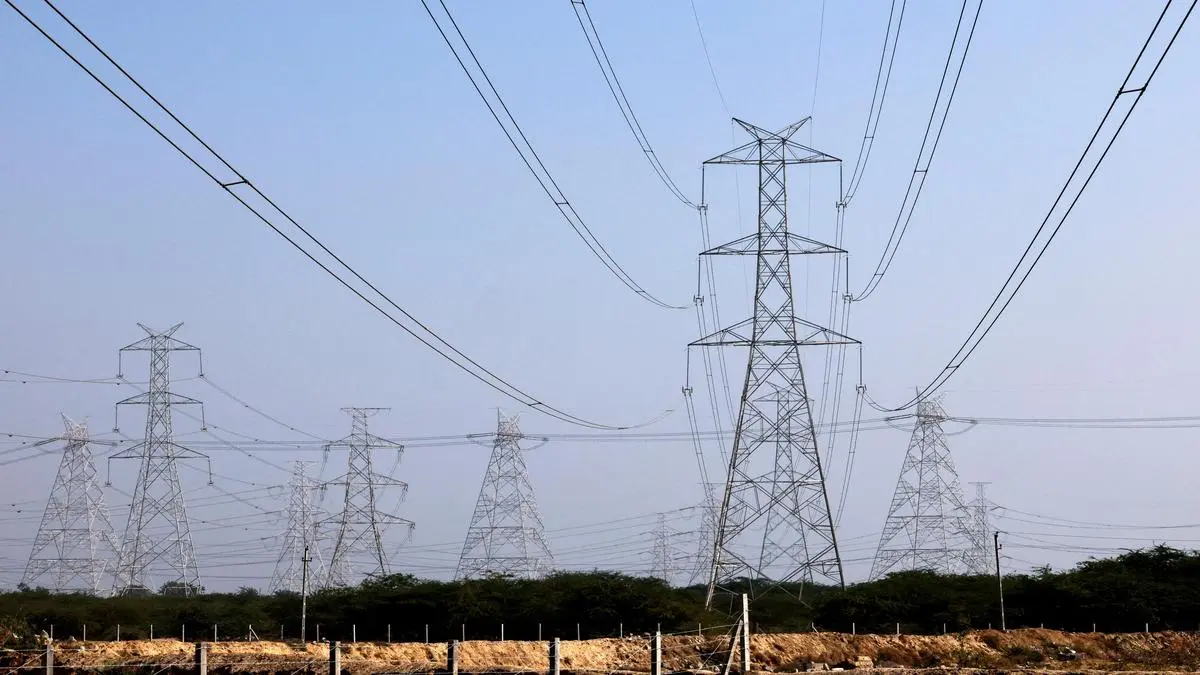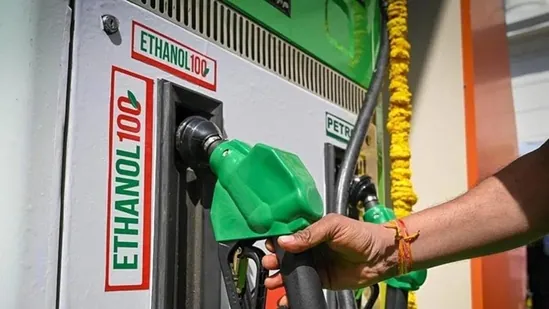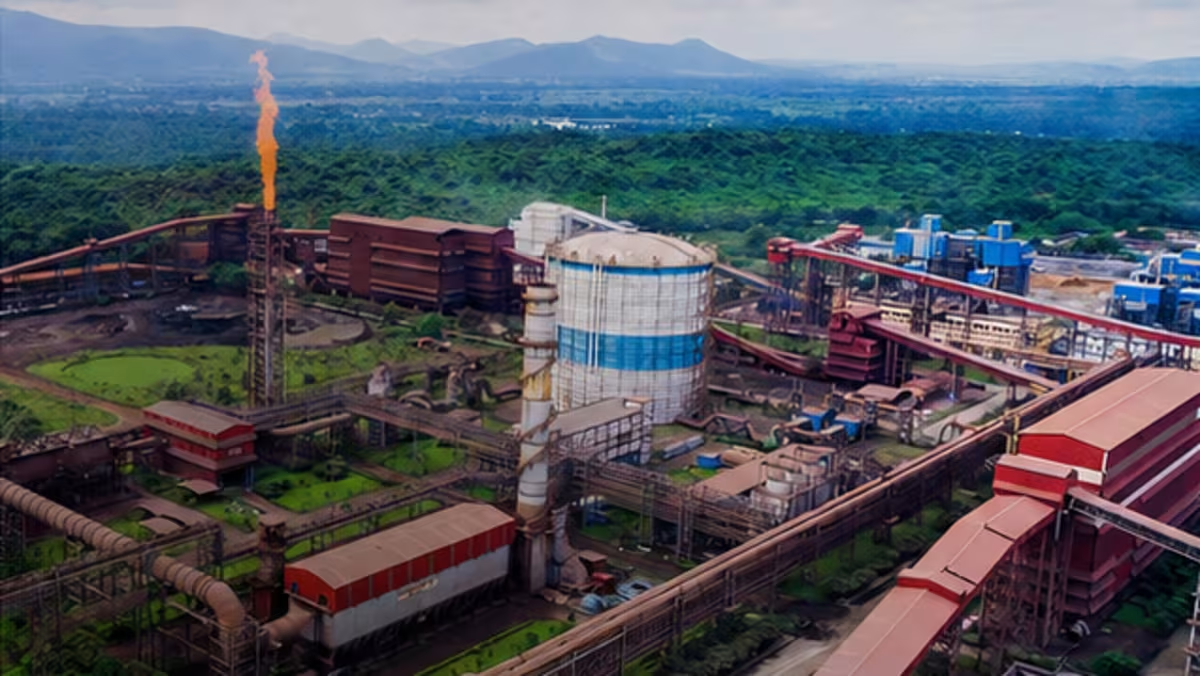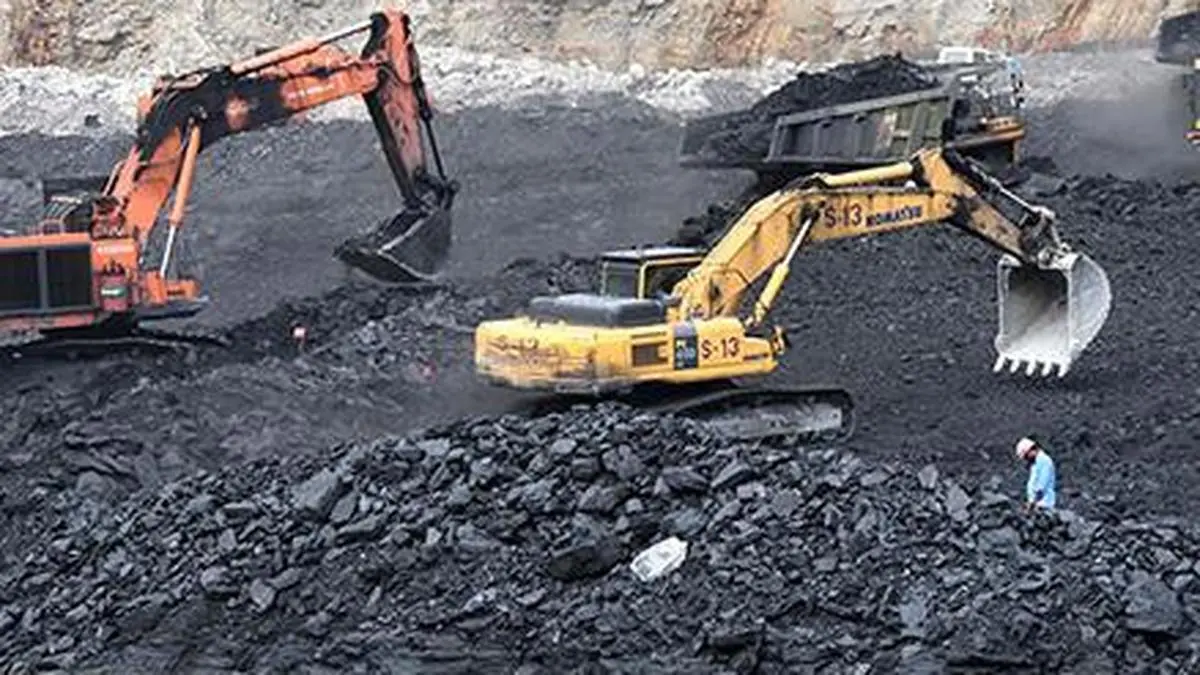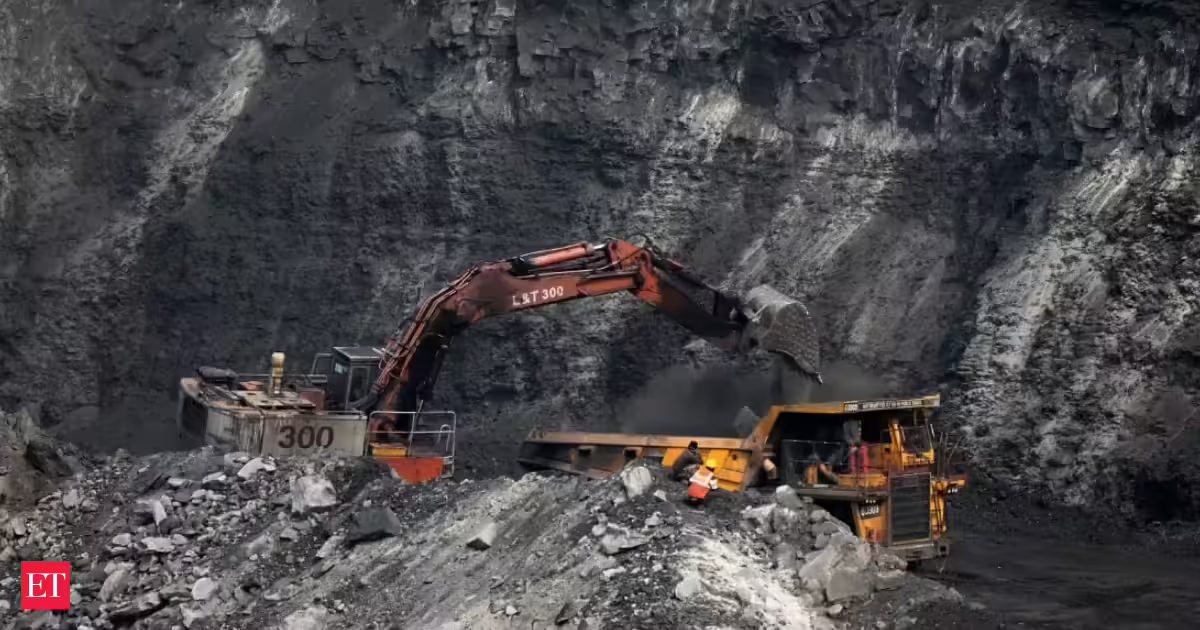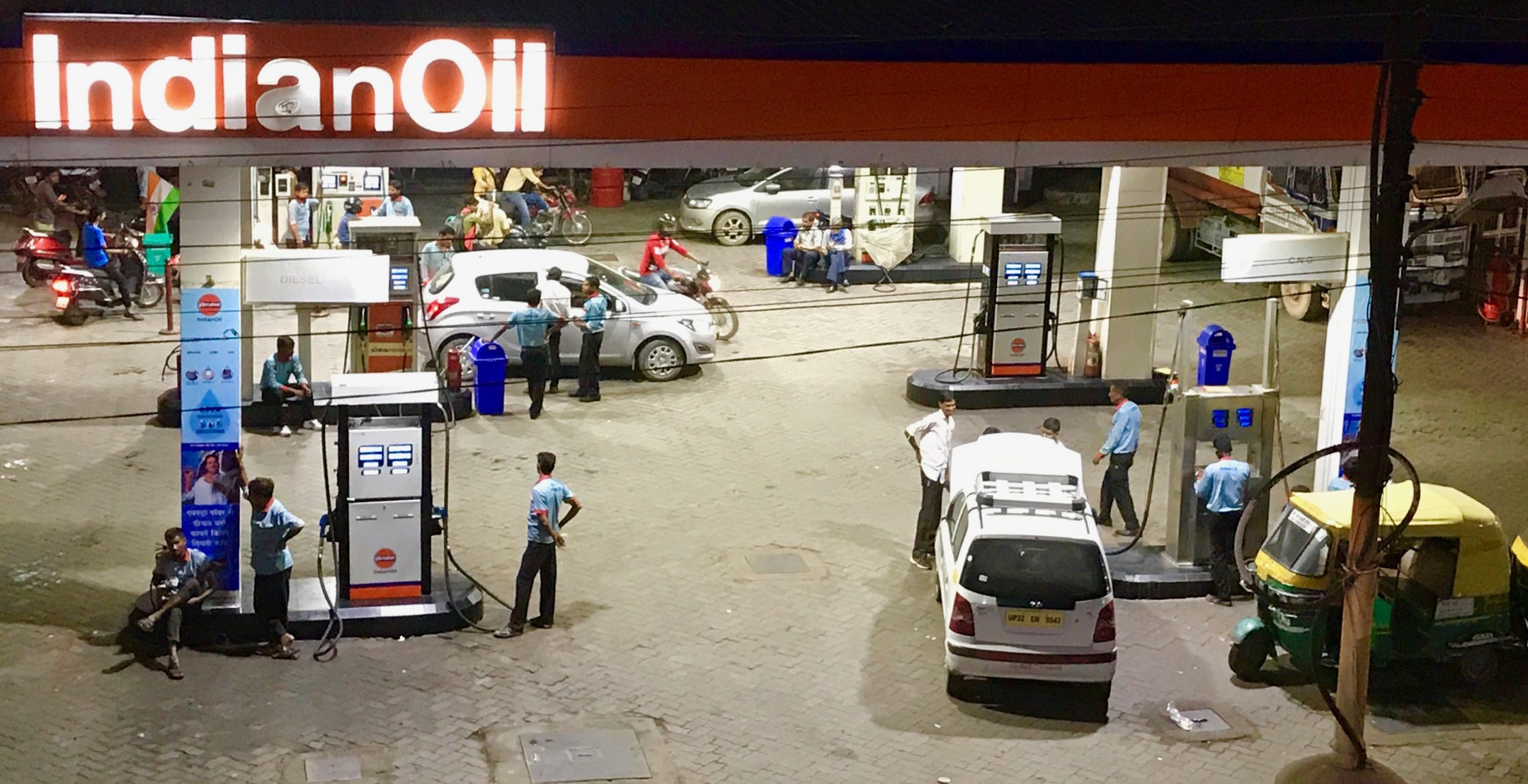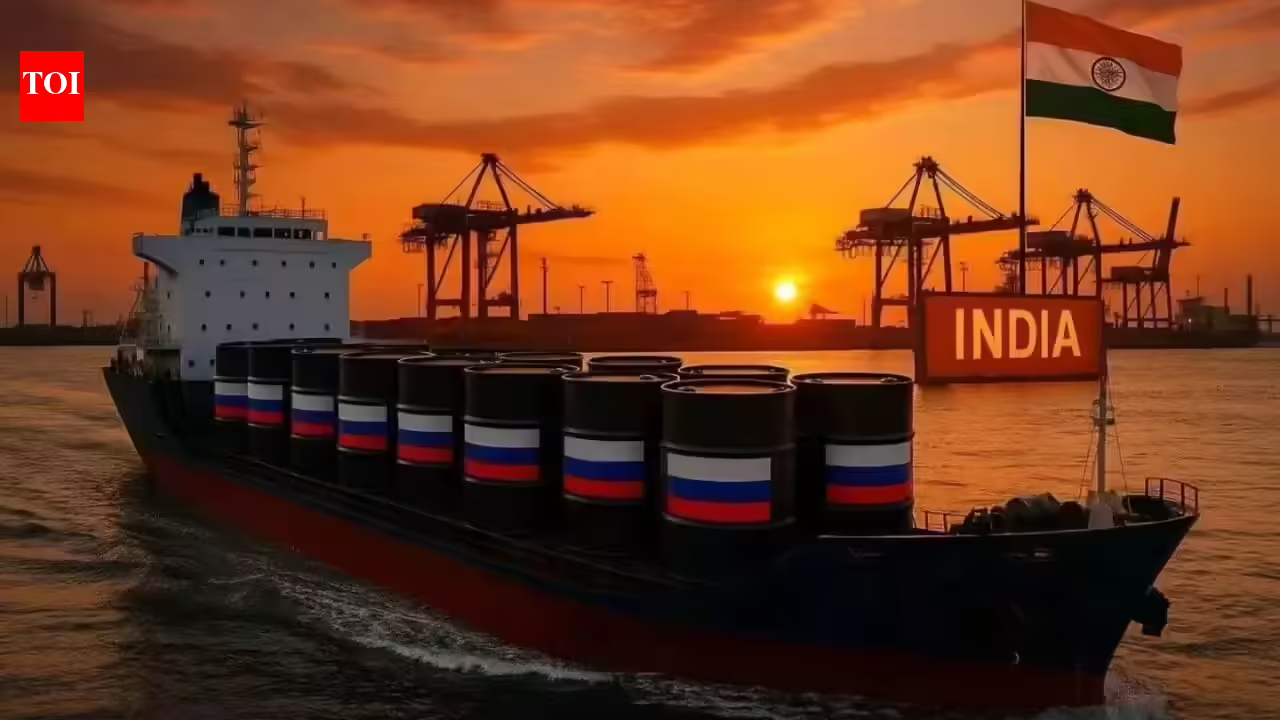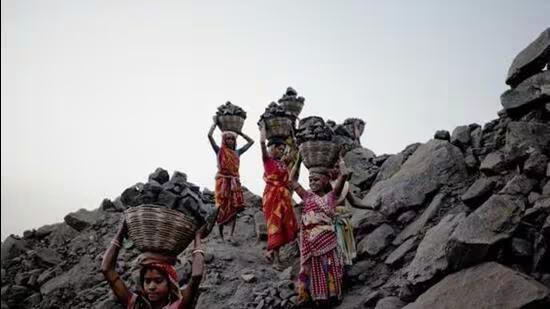
India’s fossil fuel dependence has evolved into a broader energy security risk, with vulnerabilities now extending beyond imports to supply chains, storage capacity, fuel affordability and strategic autonomy, according to a study released on Wednesday by the Council on Energy, Environment and Water (CEEW). The report— Securing India’s Energy Future: Assessing Fossil Fuel Risks through Accessibility, Reliability, and Affordability— found that India imported 88% of its crude oil, nearly 48% of its natural gas and about 26% of its coal in 2024. Meanwhile, fossil fuels accounted for more than 28% of the country’s total import bill during 2024-25.Other concerns raised in the study include India’s dependence on a handful of suppliers. (File Mint image)Other concerns raised in the study include India’s dependence on a handful of suppliers. While it said India imports crude oil from around 40 countries, more than 85% comes from just six countries, including Russia and nations in West Asia, leaving the country exposed to geopolitical disruptions and supply shocks.The report also highlighted limited emergency reserves. India’s strategic petroleum reserves can cover only nine to 10 days of net crude imports, supplemented by about 64 days of refinery operational stocks. This is significantly lower than countries such as Japan and South Korea, which maintain reserves exceeding 200 days.“The next phase of India’s energy security must move beyond securing fossil fuels to a clear transition plan,” said Hemant Mallya, fellow at CEEW. He said disruptions in crude oil, liquefied natural gas (LNG), liquefied petroleum gas (LPG), coal or critical shipping routes could rapidly affect cooking fuel costs, transport prices, fertiliser subsidies, industrial competitiveness and inflation.The report recommends that a strategic clean energy transition could be India’s security hedge, arguing that clean energy can reduce India’s exposure to continuously imported fossil fuels. The study further identified LPG as a major but often overlooked vulnerability. More than 330 million households rely on LPG for cooking, yet nearly 95% of supply depends either directly or indirectly on imports.Natural gas affordability also remains a concern. According to the report, if the share of imported gas in city gas distribution networks rises from 15% to 50%, compressed natural gas (CNG) prices could increase by 15-17% during periods of elevated global prices.The report further flagged continued dependence on imported coking coal, particularly from Australia, as a risk for India’s steel sector.CEEW argued that expanding renewable energy, electrification and domestic clean-energy manufacturing could reduce exposure to imported fossil fuels. It recommended building strategic reserves for oil, gas and LPG, accelerating electric vehicle adoption where commercially viable, promoting electric cooking and preparing a national refinery transition plan to strengthen long-term energy security.
India’s fossil fuel dependence evolved into broader energy security risk: CEEW study
The report further flagged continued dependence on imported coking coal, particularly from Australia, as a risk for India’s steel sector | India News
436 words~2 min read