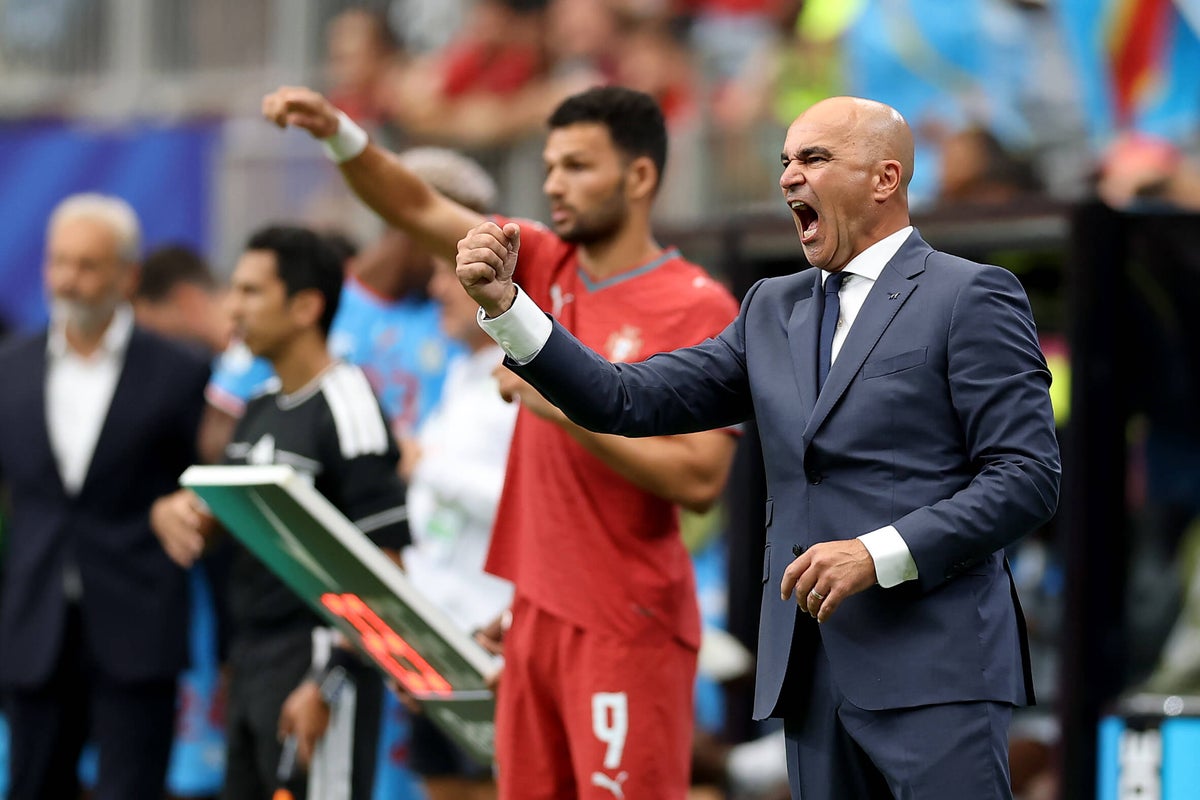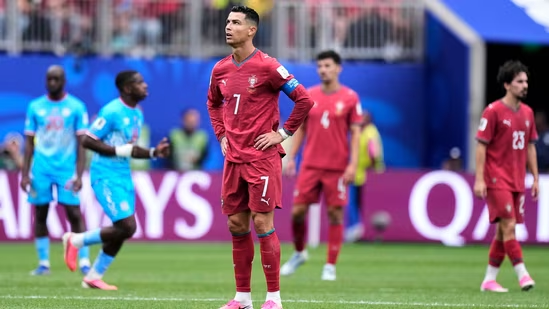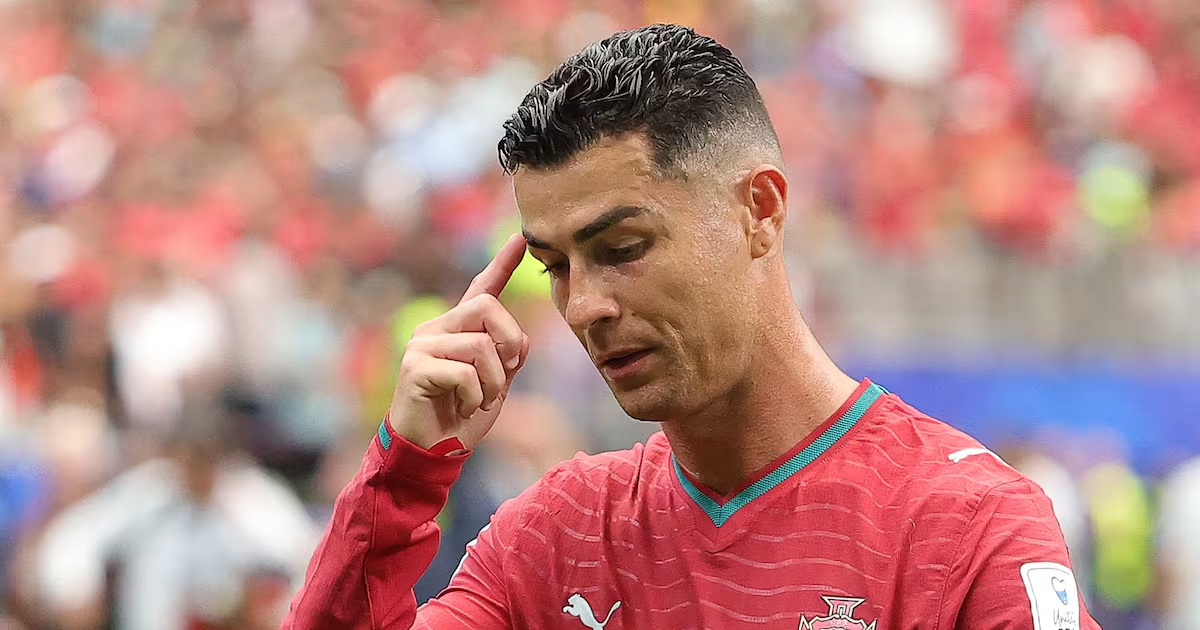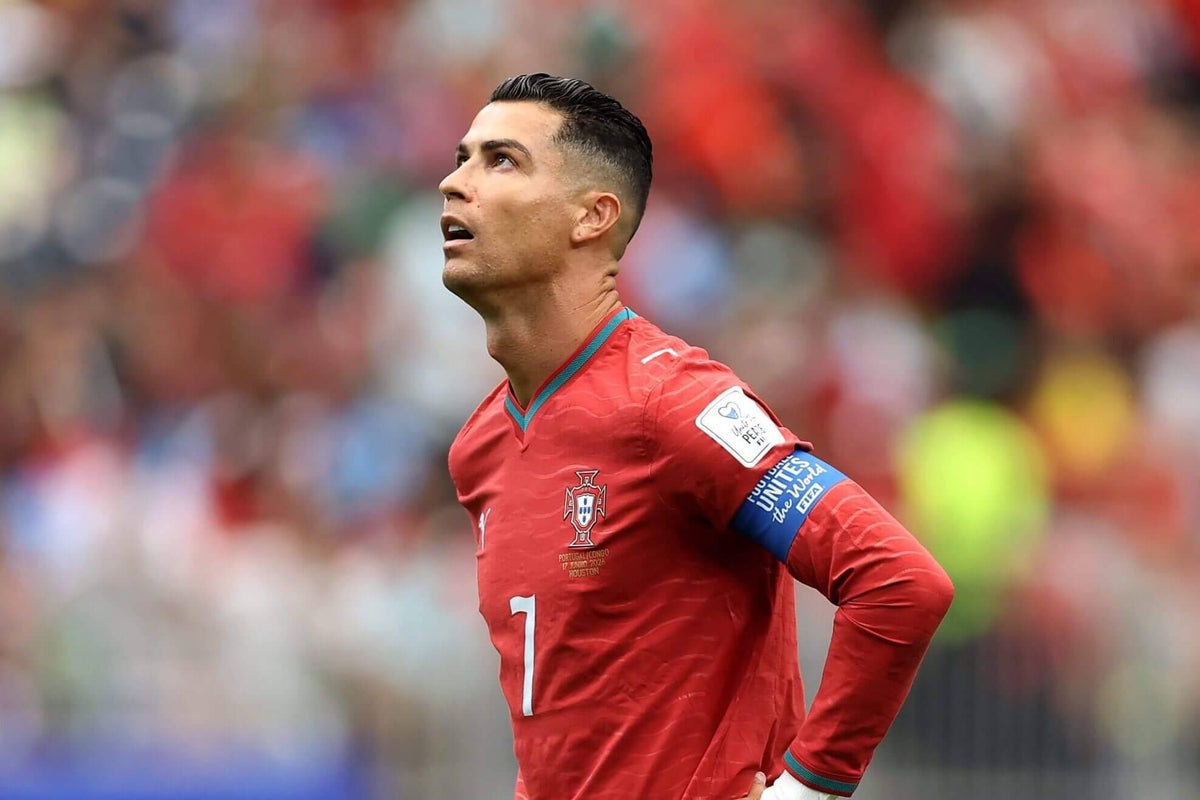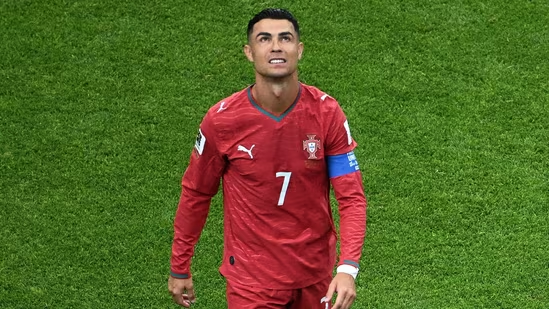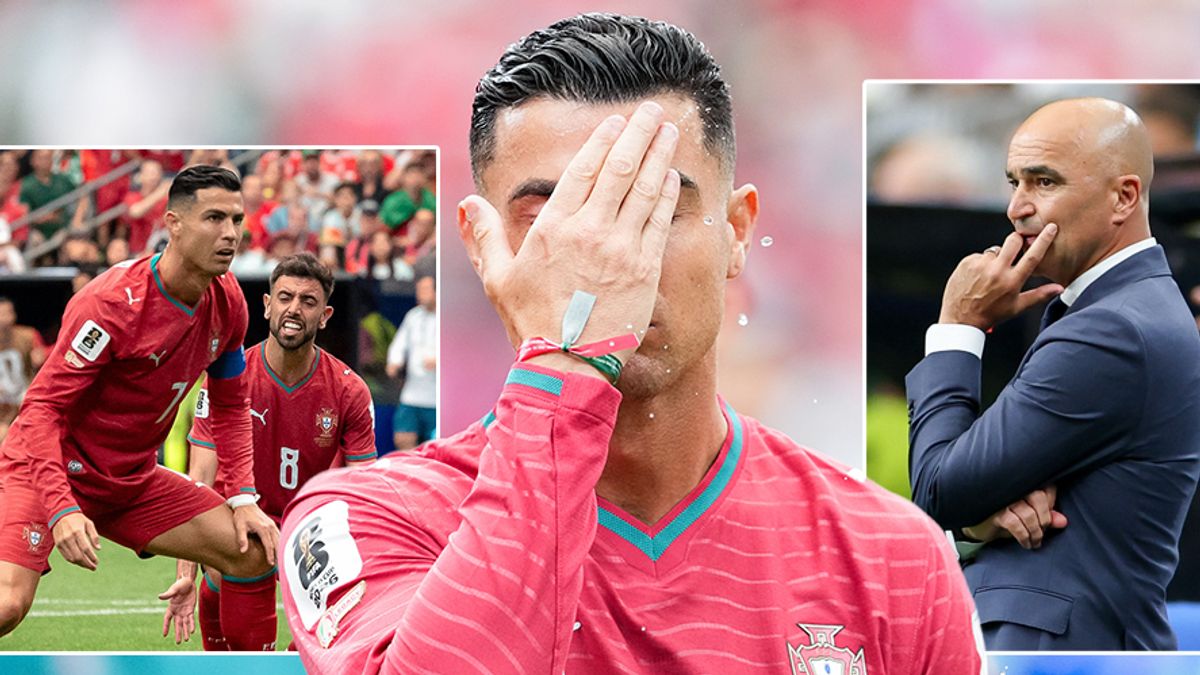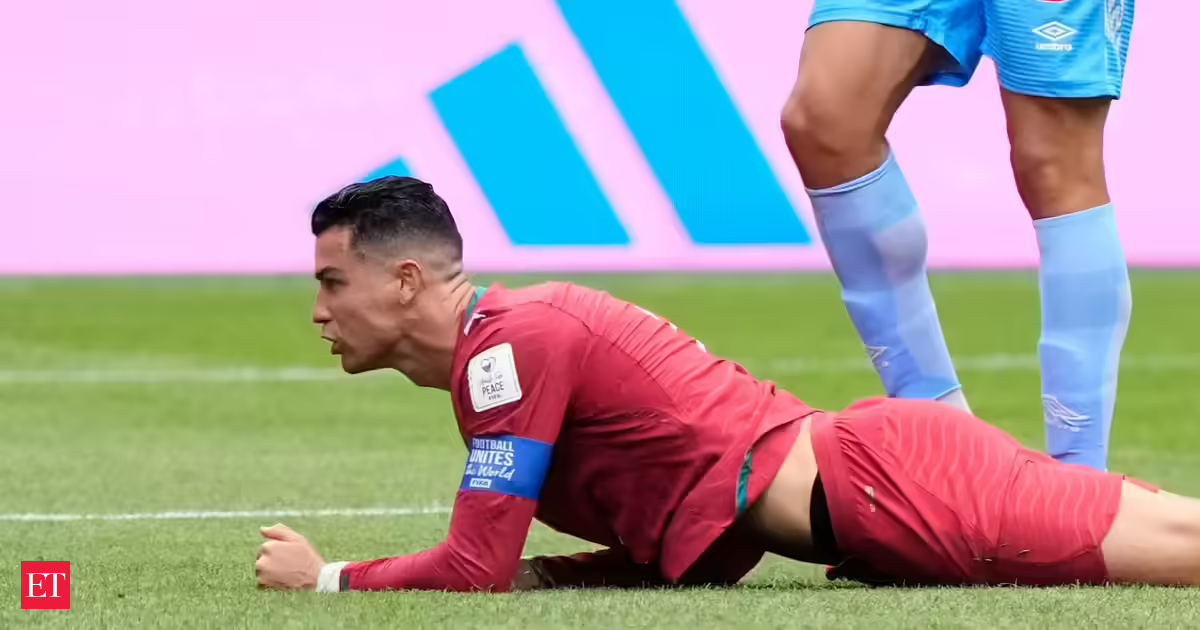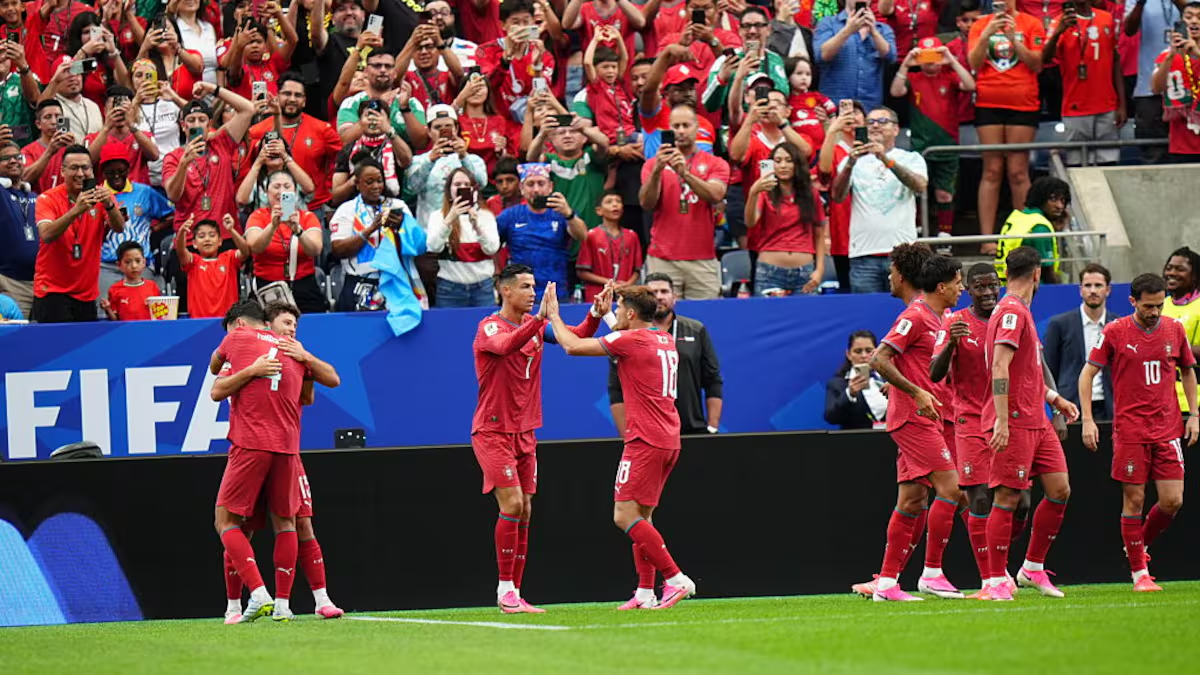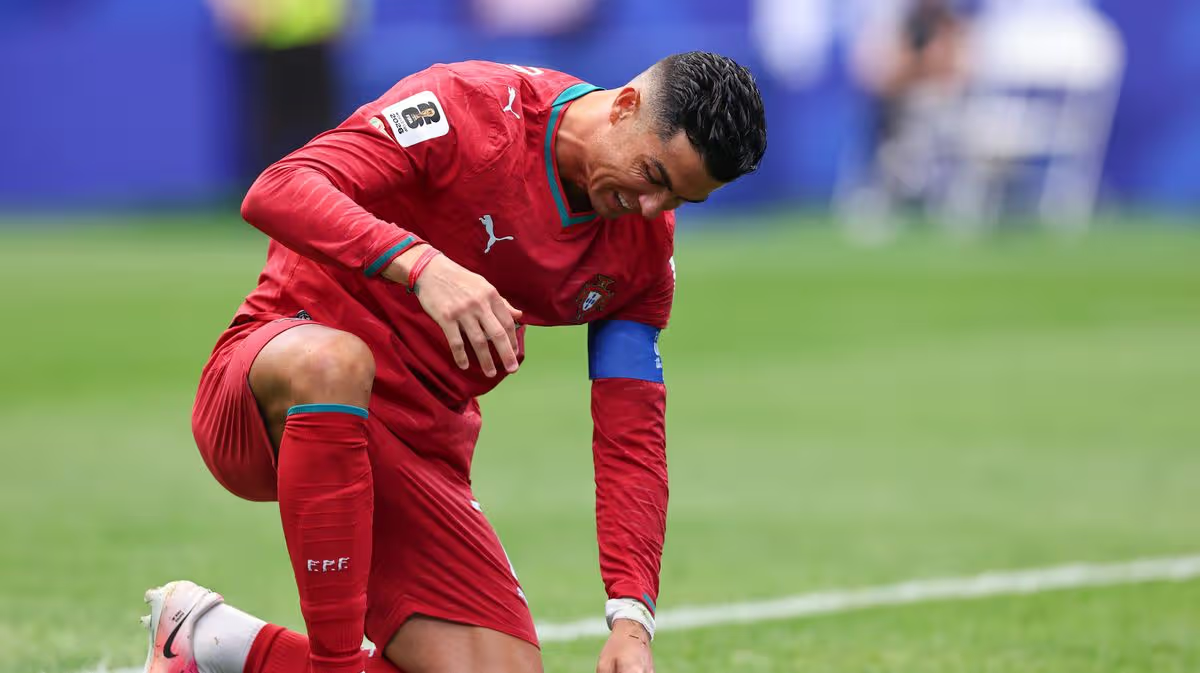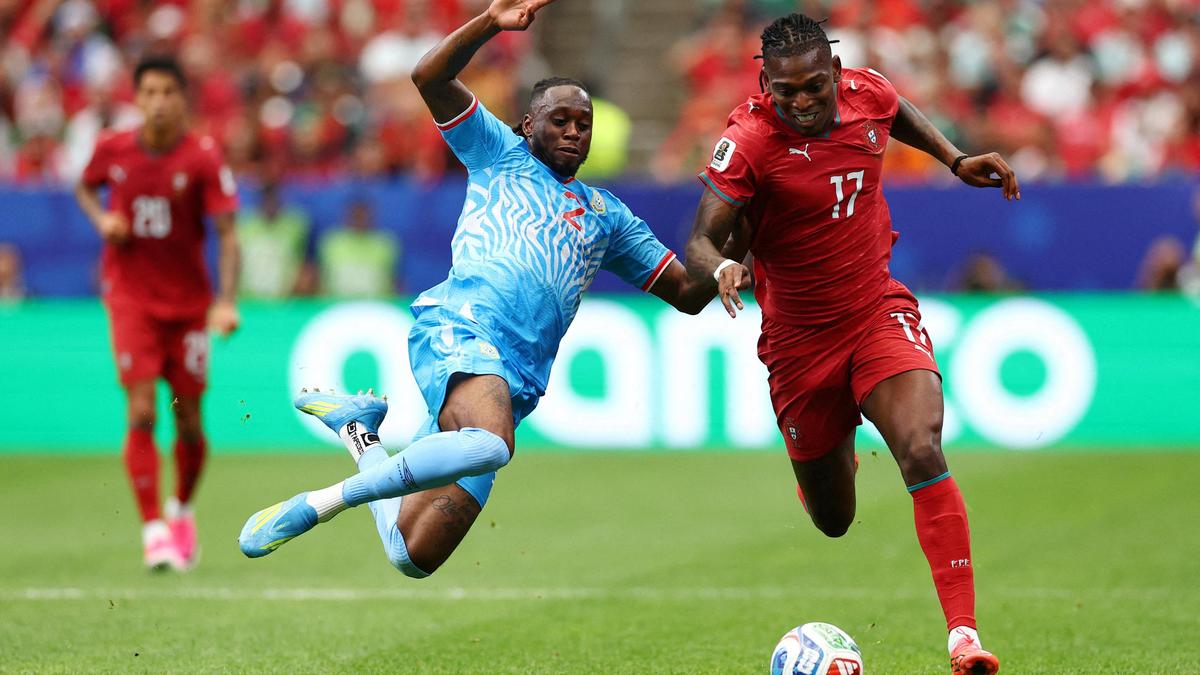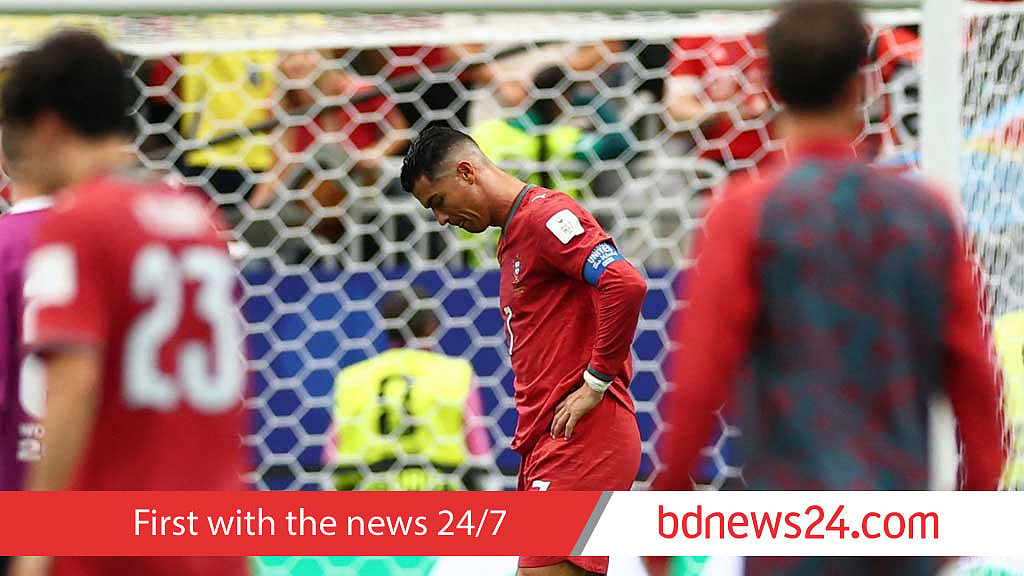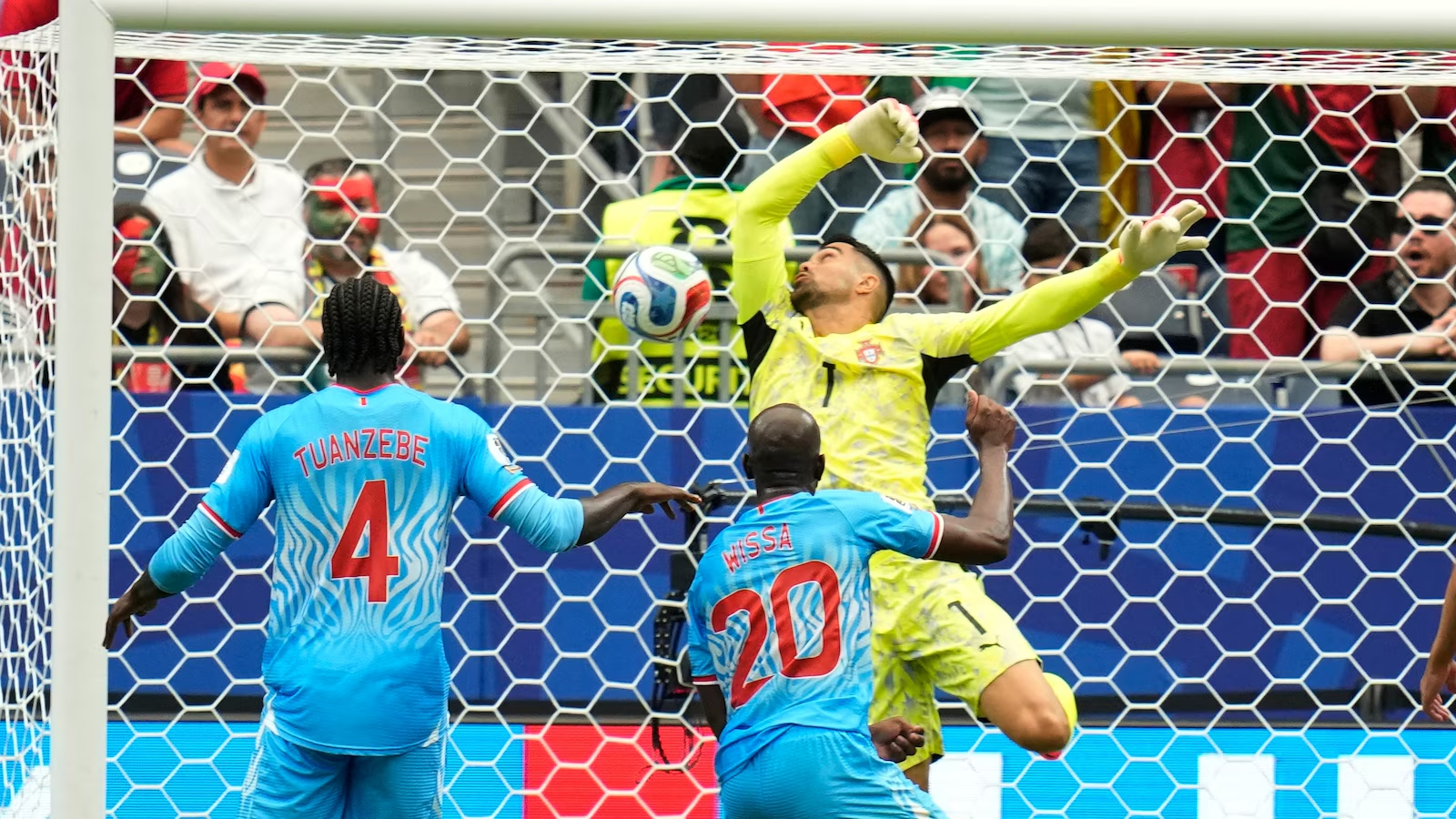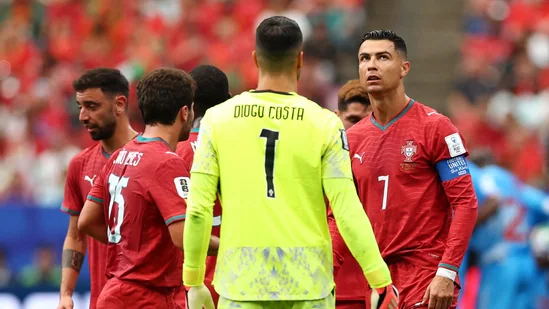
The World Cup has once again delivered a reminder that reputation alone counts for little on football's biggest stage. If a favourite drops its intensity or fails to take control against a lower-ranked opponent, the consequences can be costly. Spain experienced that against Cape Verde, and Portugal were handed a similar lesson when they were held to a 1-1 draw by DR Congo.Cristiano Ronaldo and Bruno Fernandes flopped against DR Congo. (REUTERS)The result came as a surprise to many. Portugal entered the match as clear favourites and were widely expected to dominate, but they struggled to turn possession into meaningful chances. While the draw itself was disappointing, the manner of the performance raised more questions.For a side boasting one of the strongest midfield units in the tournament, Bruno Fernandes, Joao Neves and Vitinha, along with football's all-time leading goalscorer Cristiano Ronaldo, Portugal managed just seven shots throughout the match, equalling their joint-lowest tally in a FIFA World Cup game, the same number they recorded against South Korea in 2002. The numbers were even more surprising considering the 2016 European champions completed 783 passes during the contest, yet could only turn that dominance into seven attempts at goal.DR Congo, on the other hand, completed just 249 passes but still managed eight shots, one more than Portugal. The contrast highlighted a major issue for Roberto Martinez's side: they had plenty of possession but lacked the urgency and creativity to turn it into a genuine attacking threat. Congo were far more direct with the ball and made Portugal pay for their inability to create enough clear-cut opportunities.Portugal controlled large spells of possession, circulating the ball comfortably and completing plenty of short passes, but there was little urgency in the final third. The midfield rarely played the line-breaking passes needed to stretch the DR Congo defence, leaving Ronaldo isolated for long periods. Now operating primarily as a penalty-box striker, the Portugal captain received limited service and struggled to influence the game.Had Joao Neves not scored inside the opening 10 minutes, Portugal could easily have found themselves in even greater trouble. DR Congo were organised, disciplined and willing to attack whenever opportunities arose. In fact, they finished the match with more shots than Portugal, registering eight attempts.The night also became a historic one for DR Congo. Yoane Wissa scored the nation's first-ever World Cup goal and, in the process, helped secure the country's first point in the tournament's history with a memorable draw against one of Europe's biggest footballing powers.In Portugal, much of the responsibility still falls on Ronaldo and Bruno, but both struggled to make their usual impact against DR Congo. The drop in their standards was difficult to ignore.Ronaldo finished the match with just 25 touches, the fewest he has recorded in a major tournament game for Portugal when playing the full 90 minutes. The veteran forward was largely confined to the final third and rarely dropped deeper to get involved in the build-up. As a result, he often found himself isolated and waiting for service that never arrived consistently. At this stage of his career, Ronaldo depends more on those around him to create opportunities, making Portugal's supply line all the more important.Also Read - Is Cristiano Ronaldo ‘mutton dressed as lamb’? Derogatory idiom not entirely out of context with his present situationThat is where Fernandes was expected to step up. As Portugal's chief creator, he was tasked with linking midfield and attack, but he endured a surprisingly quiet evening. Despite spending the entire match on the pitch, Fernandes failed to create a single chance during normal time. His first recorded chance creation came only in the 92nd minute, a statistic that summed up Portugal's lack of creativity. Alongside Vitinha, he controlled possession well enough, but neither player managed to provide the decisive passes needed to unlock a disciplined DR Congo defence. Vitinha, who arrived at the World Cup after winning the Champions League with Paris Saint-Germain and was widely regarded as one of the standout midfielders in club football last season, had 124 touches against DR Congo but managed to create just one chance.Meanwhile, Ronaldo's struggles on the biggest stage are becoming increasingly difficult to ignore, and the reality is that age catches up with every player, regardless of how great they are. The Portugal captain has now gone 10 consecutive major tournament matches for his country without finding the net across the World Cup and European Championship. During this drought, he has taken 33 shots, put 11 on target and still has no goals to show for it. For a player who built his reputation on delivering in decisive moments, those numbers are a stark contrast to the standards he set throughout his career. While Ronaldo remains a threat and continues to command attention from defenders, the drought has inevitably raised fresh questions about his effectiveness at the highest level and whether Portugal needs to find different ways to maximise his strengths.Can Martinez go Santos way?Fernando Santos was brave enough to make the big call of leaving Cristiano Ronaldo on the bench during key matches at the 2022 World Cup. The decision sparked a huge reaction from Ronaldo's supporters and became one of the major talking points of Portugal's campaign. Although Portugal eventually exited the tournament against Morocco in the quarter-finals and Santos later lost his job, many felt the move showed a willingness to put the team's needs above everything else.Ahead of the 2026 World Cup, several pundits questioned whether Roberto Martinez should consider a similar approach. The argument was simple: Ronaldo could be even more effective as an impact substitute, arriving against tired defenders in the final half-hour of matches. Portugal's opening draw against DR Congo is only likely to strengthen those views.At this stage of his career, Ronaldo remains a dangerous goalscorer, but bringing him on around the 60th or 65th minute could give Portugal a different dimension in attack. Fresh legs, sharp movement and his penalty-box instincts could cause major problems for defences already beginning to tire.For now, however, Martinez appears committed to starting his captain. Whether he is willing to make a difficult decision remains to be seen. What is clear is that Portugal need to find better solutions against teams that sit deep and defend in numbers. Their upcoming group-stage clash against Colombia presents an even tougher challenge. Colombia have the quality, organisation and attacking threat to punish mistakes, and Portugal already look like a side searching for answers after an underwhelming start.
Cristiano Ronaldo couldn't finish, Bruno Fernandes couldn't create: The story of Portugal's frustrating World Cup opener
In Portugal, much of the responsibility still falls on Cristiano Ronaldo and Bruno Fernandes, but both struggled to make their usual impact against DR Congo. | Football News
1,079 words~5 min read