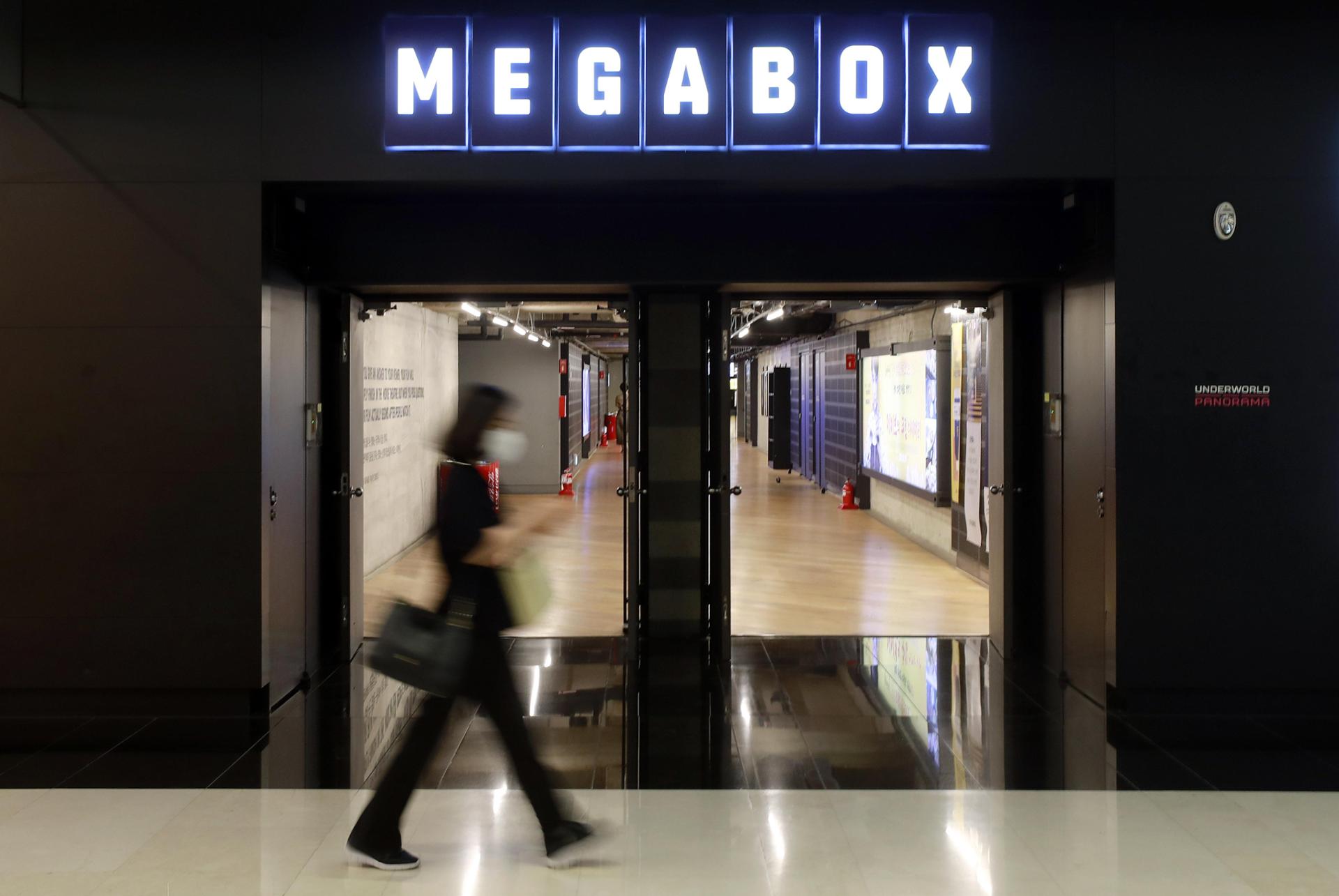
JoongAng Group's slide into court protection adds fresh strain to an already struggling industry A Megabox multiplex at Starfield Goyang, northwest of Seoul, in 2023 (Megabox) When five subsidiaries of JoongAng Group — the media empire behind streaming sensations like the Netflix cooking-competition hit "Culinary Class Wars" — filed for court-supervised restructuring this week, the damage was expected to spill into the country's film business right away.Two of the units seeking protection sit at the center of an industry that's been on its back foot since the pandemic emptied theaters: the multiplex chain Megabox and its distribution arm, Plus M Entertainment. Industry watchers now fear the group's troubles could ripple out to the distributors, exhibitors and small operators that make up the rest of the business.A burden for yearsFor years, Megabox offered its parent company little to lean on.The theatre chain was by no means the biggest sinkhole in the group — that distinction belonged to other arms, the broadcaster JTBC chief among them — but it bled all the same.As streaming platforms ate into an audience already thinned by pandemic-era disruptions, Megabox had been posting operating losses for six years running. The deficit reached 12.7 billion won ($8.9 million) in 2024 and 12.5 billion won in 2025; the first quarter of 2026 came in slightly better but still in the red, at 1.4 billion won.That crunch came despite a promising run from the company's distribution side in recent years (Megabox and Plus M operate as a single corporate entity and don't break out their results separately). Plus M has been behind some of the country's biggest hits in recent years — the military-coup drama "12.12: The Day" and the Ma Dong-seok-fronted "Roundup" crime action series among them. Even a slim 2025 slate turned out winners, from the underworld thriller "Yadang: The Snitch" to Yeon Sang-ho's micro-budget mystery "The Ugly."The strain showed up on the parent company's books. Contentree JoongAng, the group's entertainment division and Megabox's controlling shareholder, had lent the chain 168 billion won by late December 2025, corporate filings show — including back-to-back loans of 25 billion and 65 billion won days apart that month.A merger in limboBeyond the balance sheet, Monday's filing appears to scuttle a merger meant to redraw the country's multiplex landscape, one Megabox had spent months laying the groundwork for.Word came last May that Megabox and Lotte Cinema — the second- and third-largest multiplex chains, trailing only CGV — had signed a memorandum of understanding to combine. Both had been losing ground for years, and the tie-up was pitched as a way to turn things around by creating the country's largest exhibitor by screen count.The talks had been stalled for nearly a year as the two sides worked to line up outside investment and clear regulatory hurdles, the latest deadline set for the end of this month. Now the filing pushes the deal further out of reach.Entering court protection typically voids existing agreements, since most contracts let either party walk away if the other ends up in insolvency or restructuring proceedings. Reviving the merger, analysts say, would take far more than minor tweaks: Any deal involving a company under court protection would need the court's approval at every step, a slow and uncertain road with no guarantee at the end.Show me the moneyThe court process also raises a more immediate worry — whether the distributors whose films played in Megabox locations nationwide will collect what they are owed.Cinemas take in box-office receipts and pass each distributor its share, a split that typically runs about 55 percent to the distributor and 45 percent to the theater in Korea. A freeze on Megabox's assets could hold up those payments, leaving distributors waiting on money already earned.The cash has come through without trouble so far this year, distributors say, though the unease is building as a formal restructuring order nears.Another concern is the fate of the chain's franchise owners. Theaters belonging to major multiplex chains fall into two camps: those the company owns and runs directly, and franchise sites operated by independent owners who license the brand and route bookings through the head office.As of December 2025, 71 of Megabox's 114 theaters were franchise-run, most of them outside Seoul, the company's website shows.Those owners depend on the head office to settle a stack of fees — from online ticket sales to carrier discounts and membership deals — typically paid out the month after they're booked. With formal proceedings looming, franchisees may be left waiting on the next round of payouts.Hanging on 'Hope'For film fans, perhaps the biggest question hangs over Plus M's "Hope," the long-awaited blockbuster from auteur Na Hong-jin ("The Wailing"), due in theaters July 15.A 1980s-set alien-invasion epic starring Hwang Jung-min and Zo In-sung alongside Hollywood power couple Michael Fassbender and Alicia Vikander, the film premiered in competition at Cannes in May and stands as the event release of the Korean year. It is also reportedly the costliest production in the country's history, with a budget north of $33 million.Plus M both helped finance the film and is handling its release. Even before this week's filing, "Hope" had been seen as a make-or-break wager from a backer in no position to weather another flop.For now, there's no sign the release will be derailed, and few expect that to change with the date already set. But a court-ordered freeze on the company's funds could choke off the freewheeling spending such a major launch typically leans on, with the marketing push being the likeliest casualty, industry watchers say.The premieres, press screenings and ad blitz that fill theaters on opening weekend don't come cheap — for a film this size, the tab runs easily into the tens of billions of won. A cash crunch at the distributor could leave that machinery underfed right when it matters most.
A Korean media empire is unraveling. The movie business is paying the price
When five subsidiaries of JoongAng Group — the media empire behind streaming sensations like the Netflix cooking-competition hit "Culinary Class Wars" — filed f
970 words~4 min read