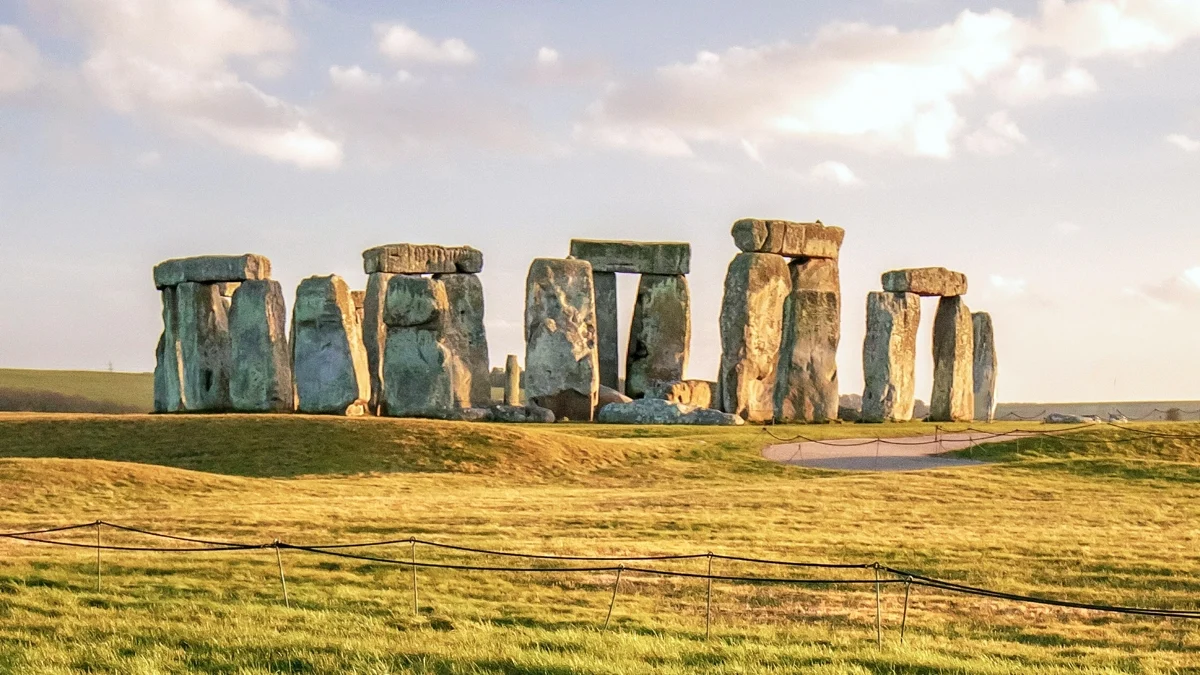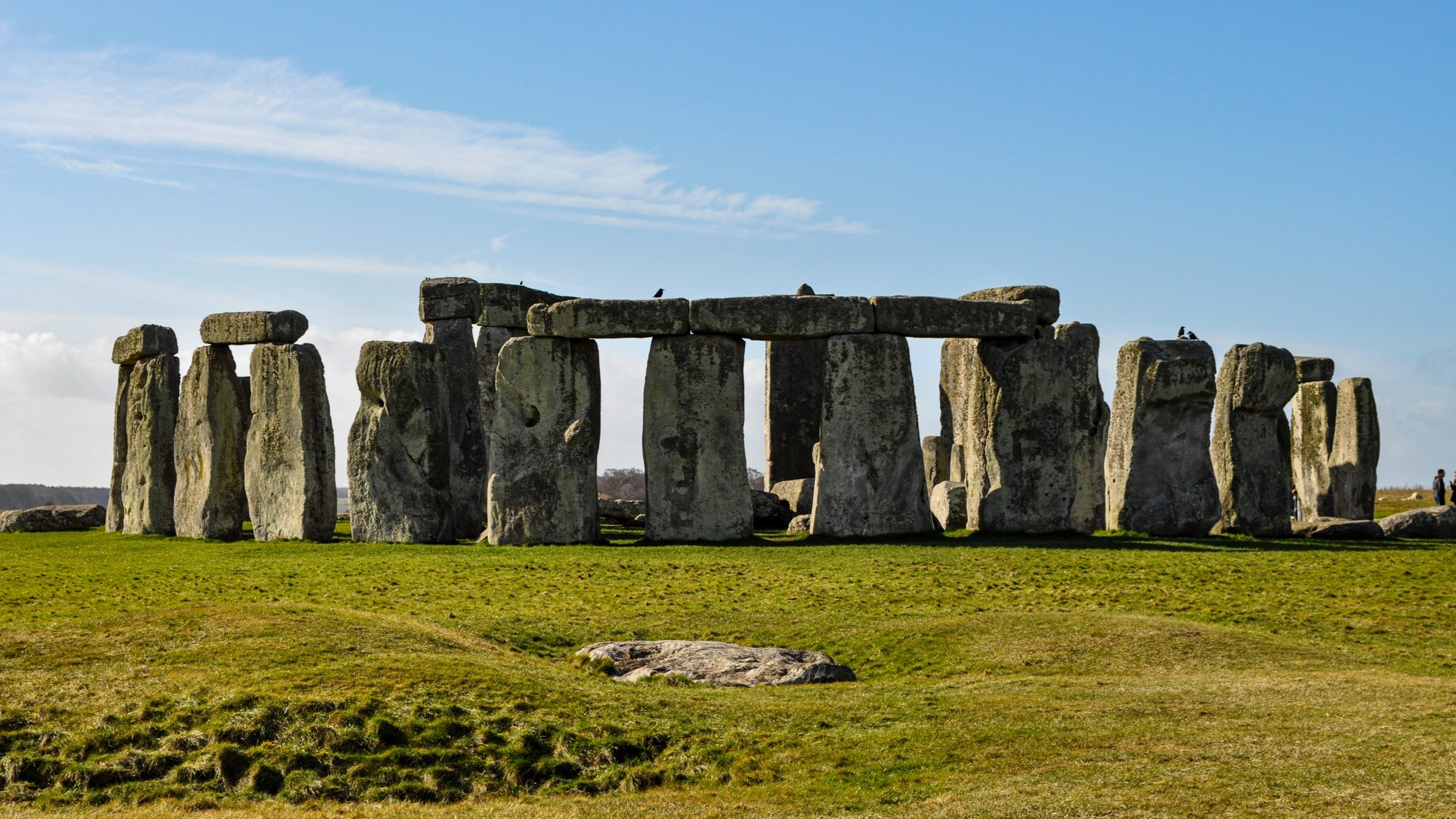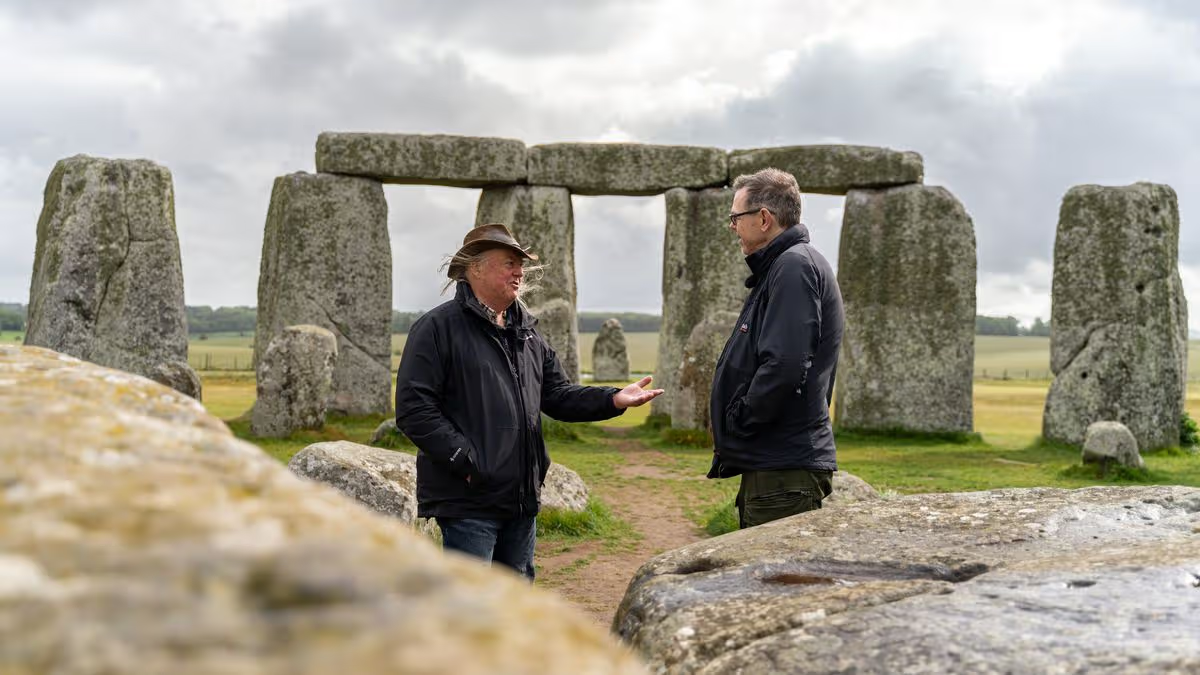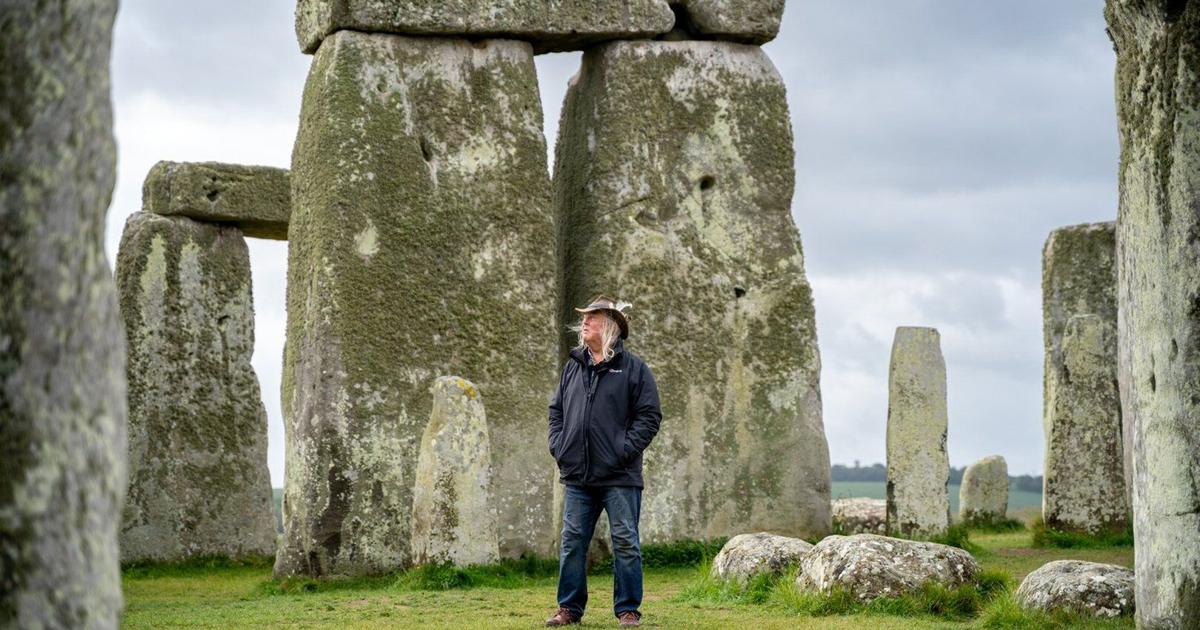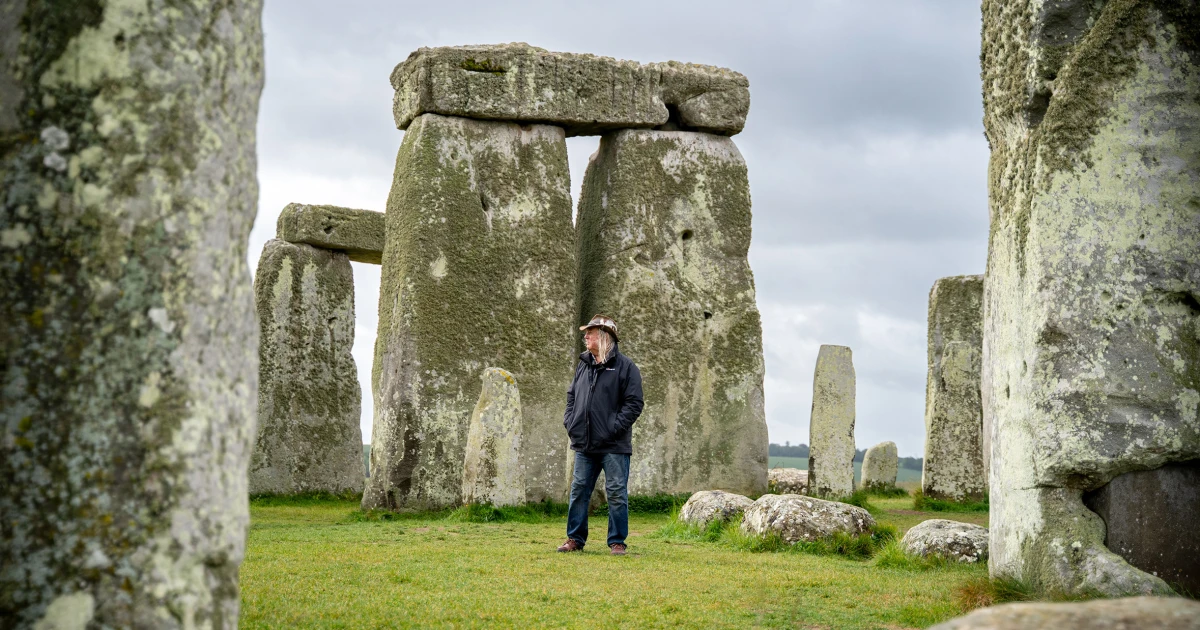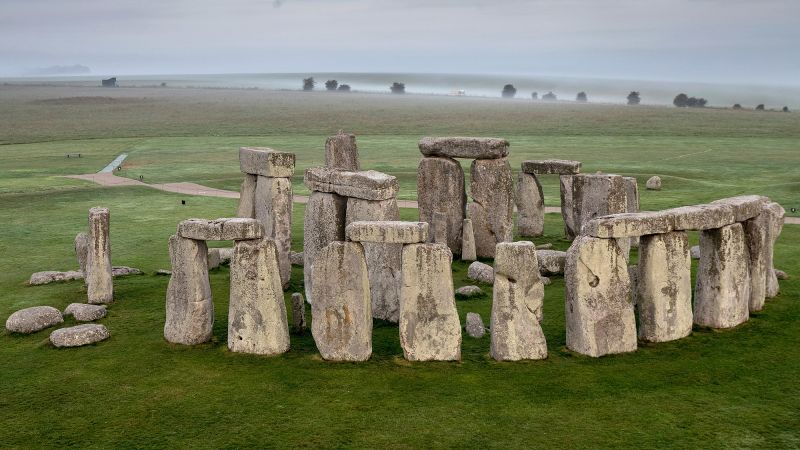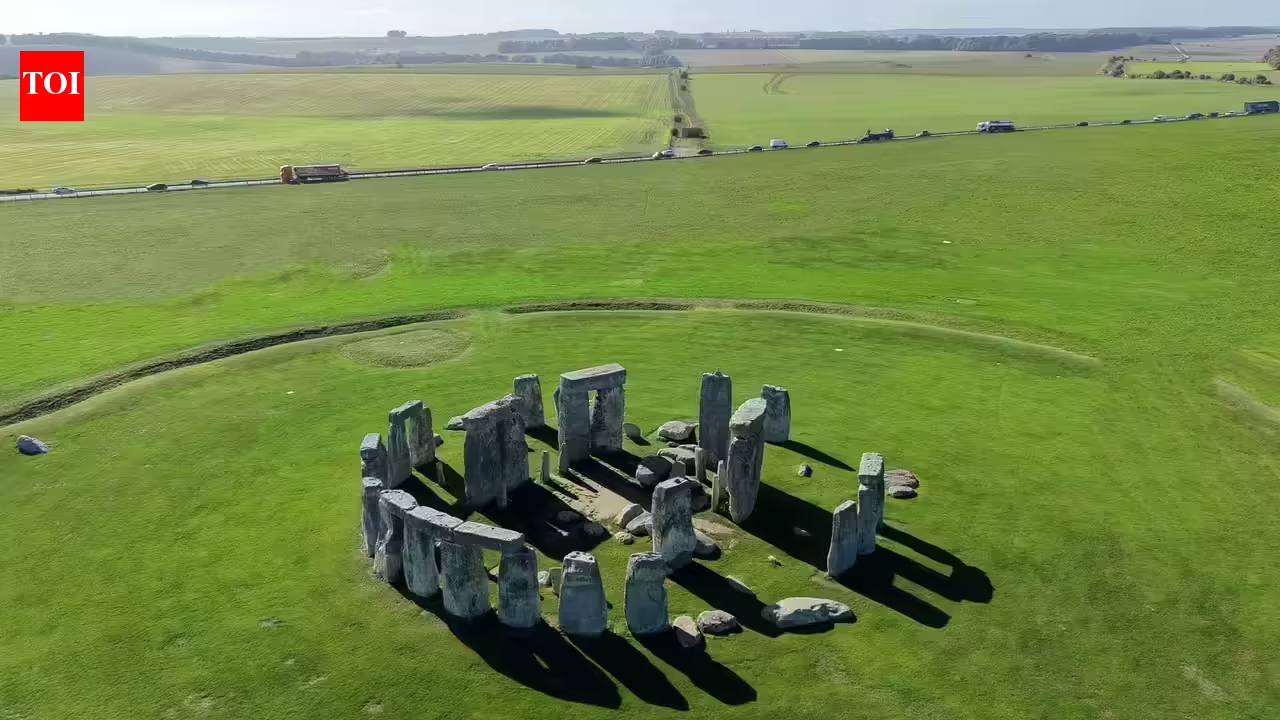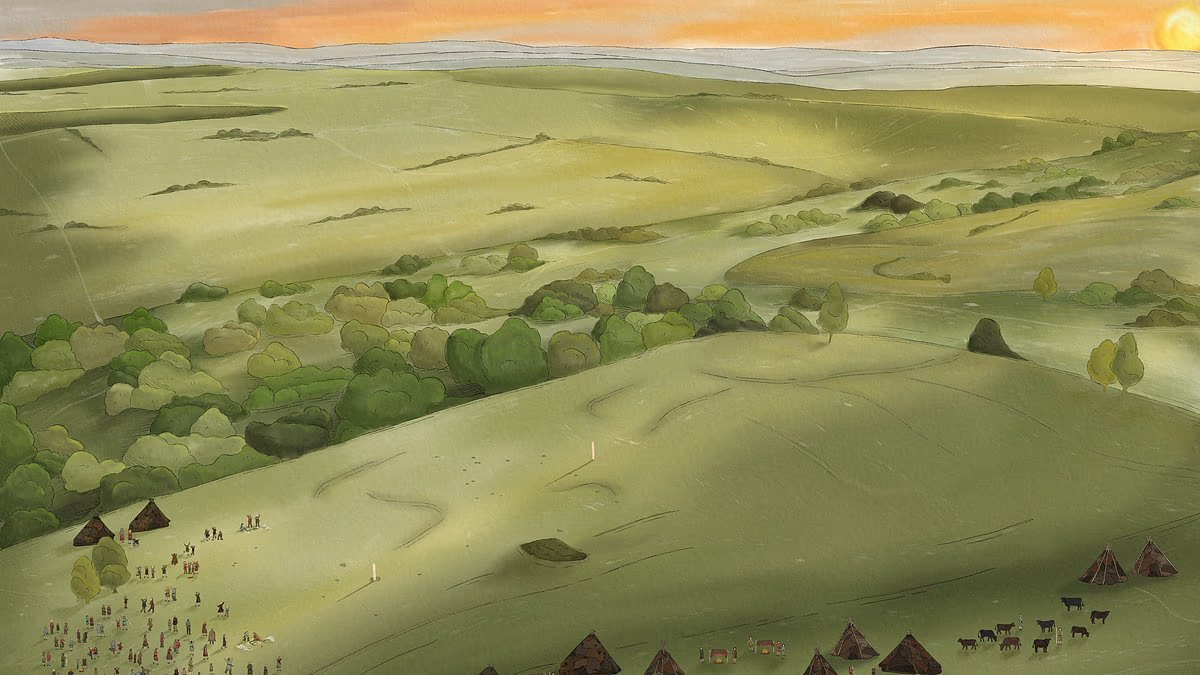
Archaeologists have discovered a secret sister monument to Stonehenge that might have served as a 'prototype' for the famous stones.This ancient site is just three miles away from Stonehenge itself, located in the village of Bulford, Wiltshire.Consisting of two wooden poles placed 400 feet (120 metres) apart, this long–lost monument might appear rather basic at first glance.However, scientists say the poles would have formed a perfect line pointing to the rising sun during the summer solstice and the setting sun on the winter solstice.In fact, reconstructions of the ancient sky and landscape show that the deceptively simple structure was built to align with the solstice within one degree of accuracy.More impressively, archaeologists have dated this structure back to around 5,000 years ago.That predates the monument we see at Stonehenge by 500 years, making this one of the very oldest examples of a structure built to align with the sun in the British Isles.Dr Fabio Silva, an archaeologist from Stone x Sky and the Skyscape Academy, says: 'Rather than marking the beginning of a story, Stonehenge now more clearly appears to have emerged from traditions and practices with much deeper roots in this landscape.'Archaeologists have discovered a secret sister monument to Stonehenge that might have served as a 'prototype' for the famous stones (artist's impression)
Ancient burial site may have served as 'prototype' for the Stonehenge
Archaeologists have discovered a secret sister monument to Stonehenge that might have served as a 'prototype' for the famous stones.
1,478 words~7 min read