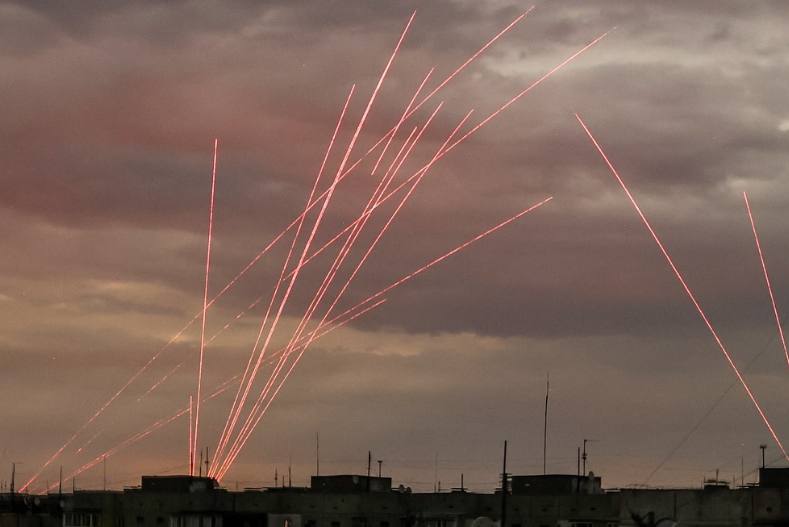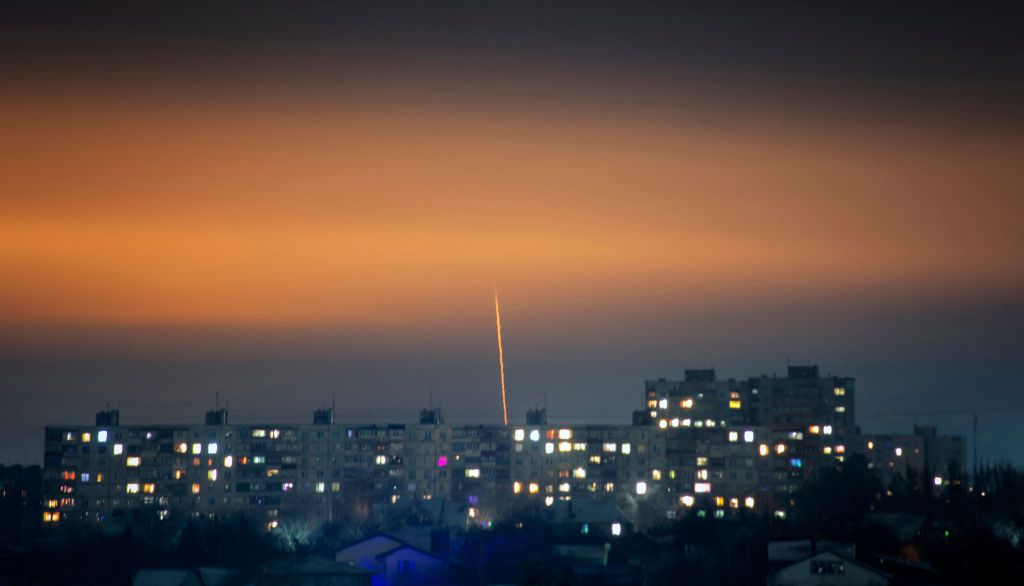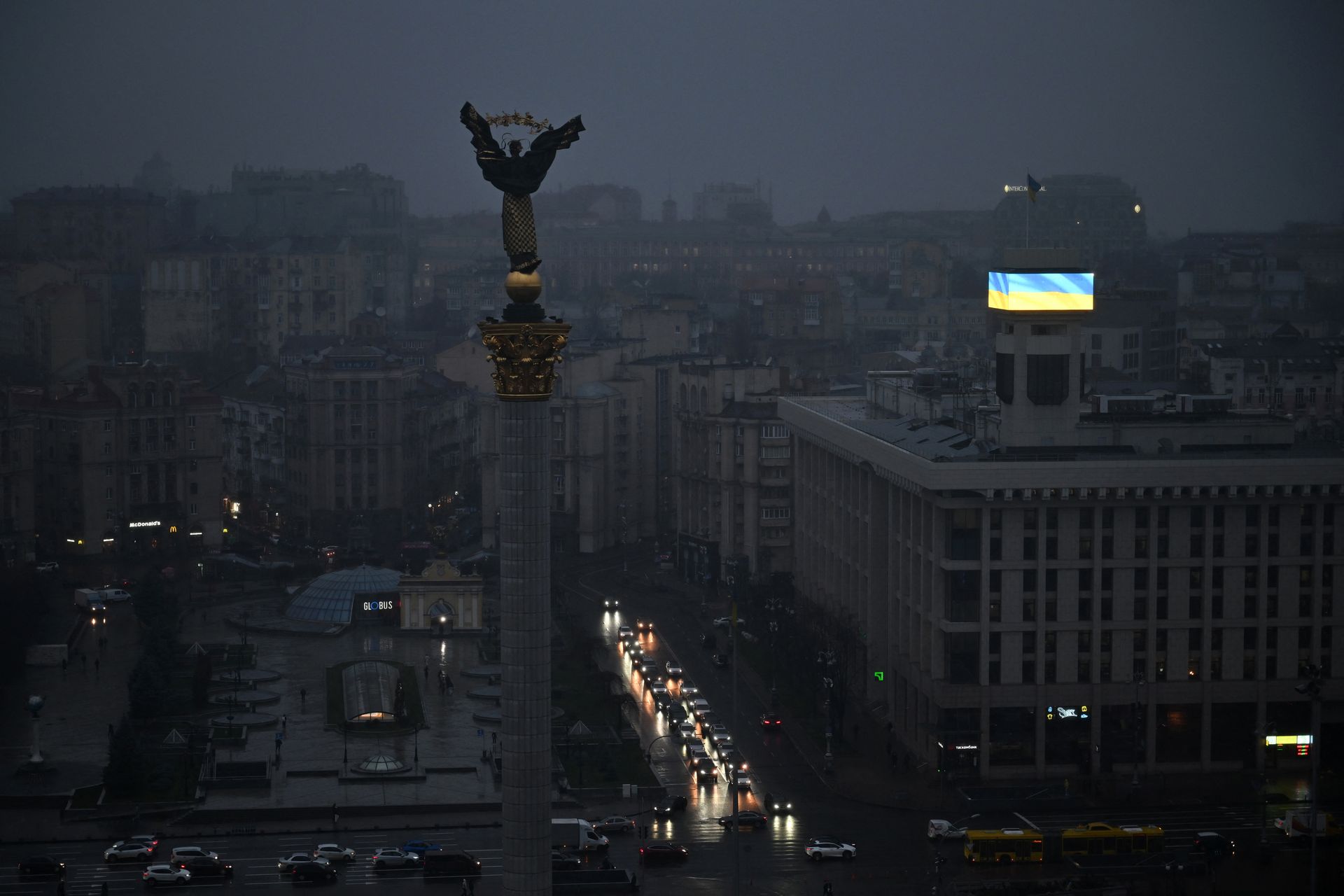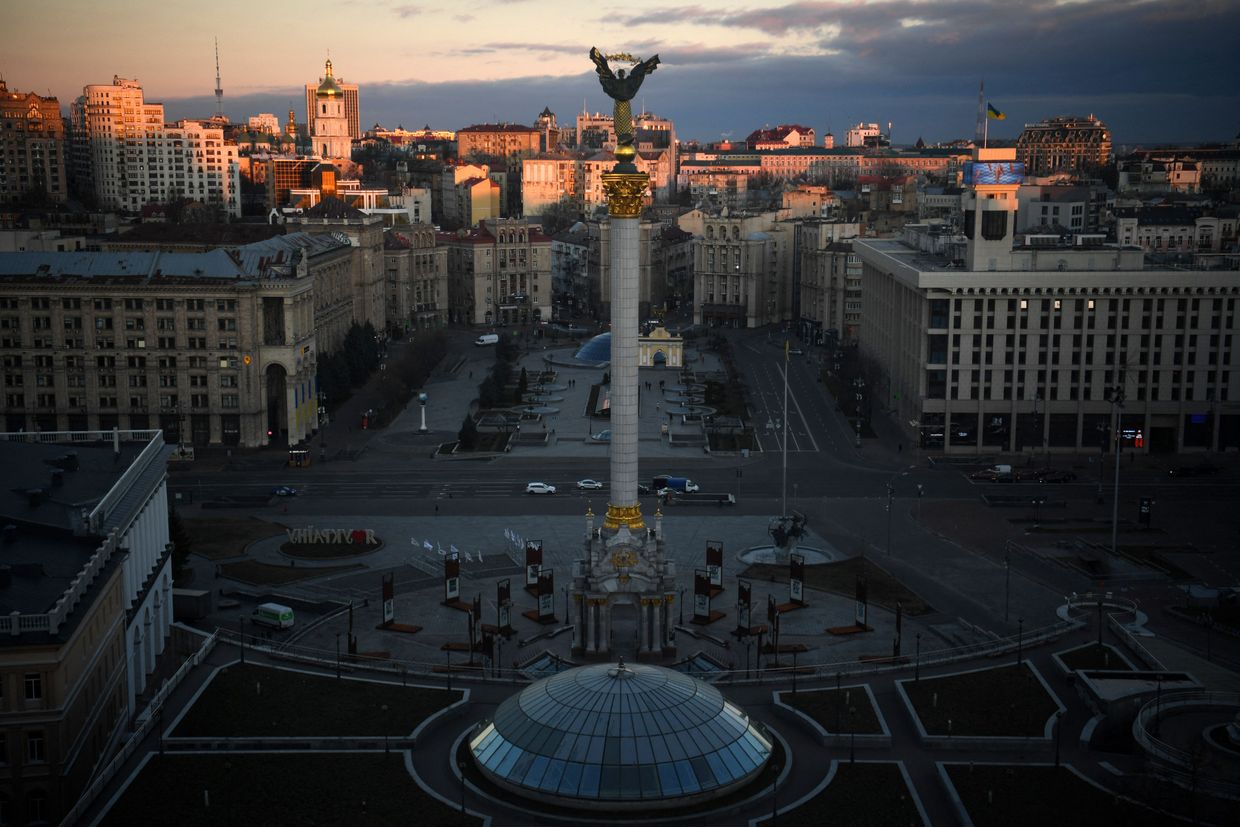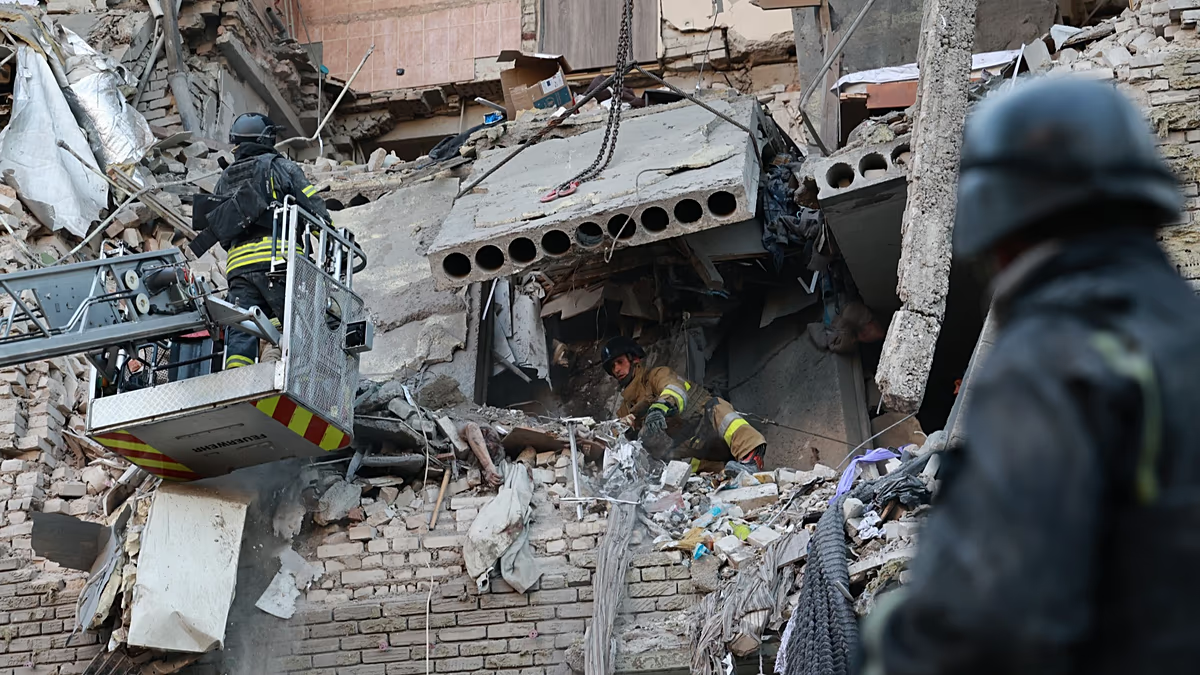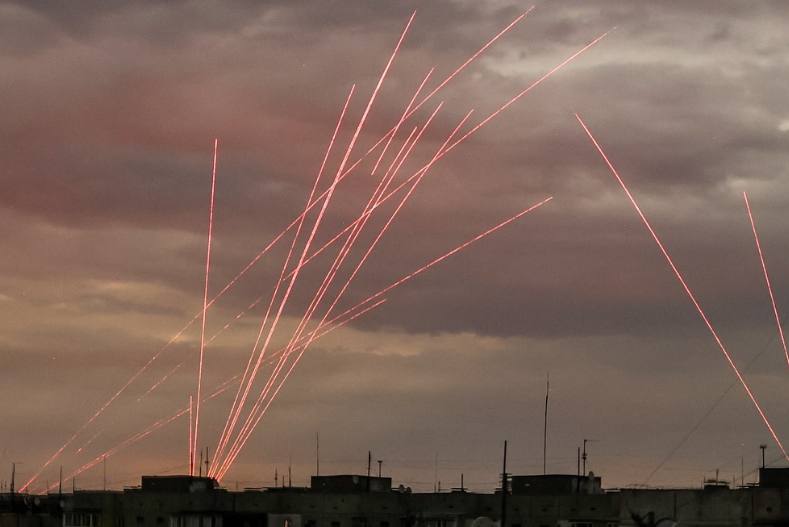
WarJune 18, 2026 4:53 am • 2 min readUkrainian air defenses firing at Russian drones early on July 31, 2024, in an unspecified location in Ukraine amid Russia's full-scale war against Ukraine. (President Volodymyr Zelensky/Telegram)Editor's Note: This is a developing story and will be updated.Russia launched ballistic missiles and strike drones at Kyiv in separate waves overnight on June 18. Explosions were first heard in the capital at around 1:30 a.m. local time. Kyiv Independent journalists on the ground reported hearing explosions, and officials said Russia had launched ballistic missiles at the city. The blast followed warnings from Ukraine's Air Force, which earlier issued a ballistic missile alert to Kyiv. Tymur Tkachenko, head of the Kyiv City Military Administration, later confirmed that Russian missiles were attacking the city. No immediate information was available on damage or casualties. The aerial alert was canceled at around 2:39 a.m.But just over an hour later, sirens blared again as Russian drones circled the city. Kyiv Independent journalists once again reported loud explosions and officials urged residents to seek shelter.Explosions were also reported in Sumy and Poltava. The full extent of the damage inflicted by the attack is not yet clear, and Russian strikes remain ongoing in multiple regions in Ukraine. The attack comes just days after Russia launched a large-scale assault on Kyiv that killed five people and injured 35 others. The June 15 attack also damaged the Dormition Cathedral at the Kyiv Pechersk Lavra, an 11th-century monastery and UNESCO World Heritage site that is among Ukraine's most important religious and cultural landmarks.Ukraine's ability to protect its cities from Russian ballistic missiles relies heavily on an increasingly dwindling supply of Patriot interceptors — ammunition for the U.S.-made air defense system that remains the only weapon to have proven effective against ballistic threats.
Russia terrorizes Kyiv with ballistic missiles, drones overnight
Russian strike drones circled the capital in a second wave of attacks after a round of ballistic missiles threatened Kyiv earlier in the night.
298 words~1 min read