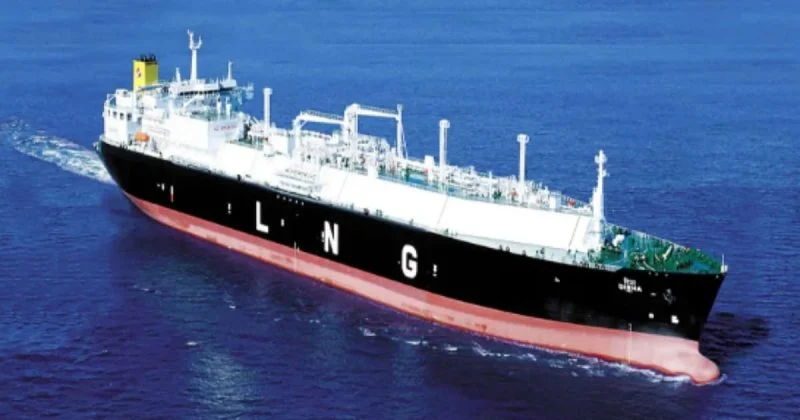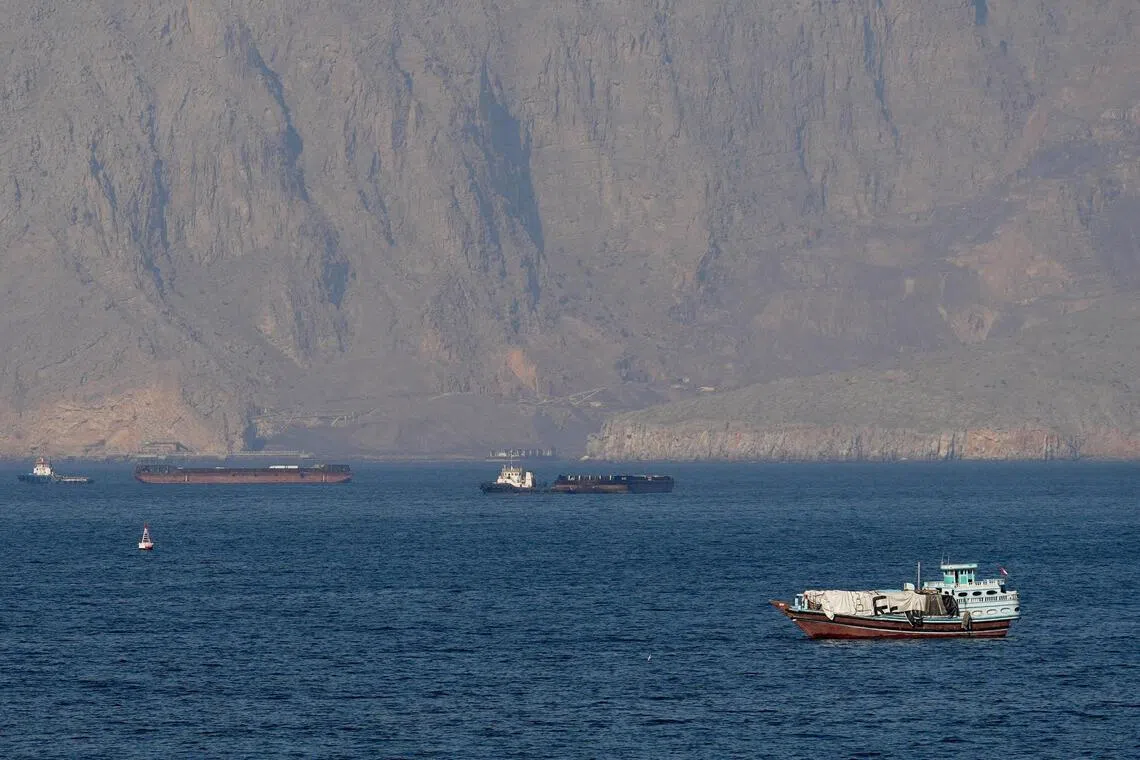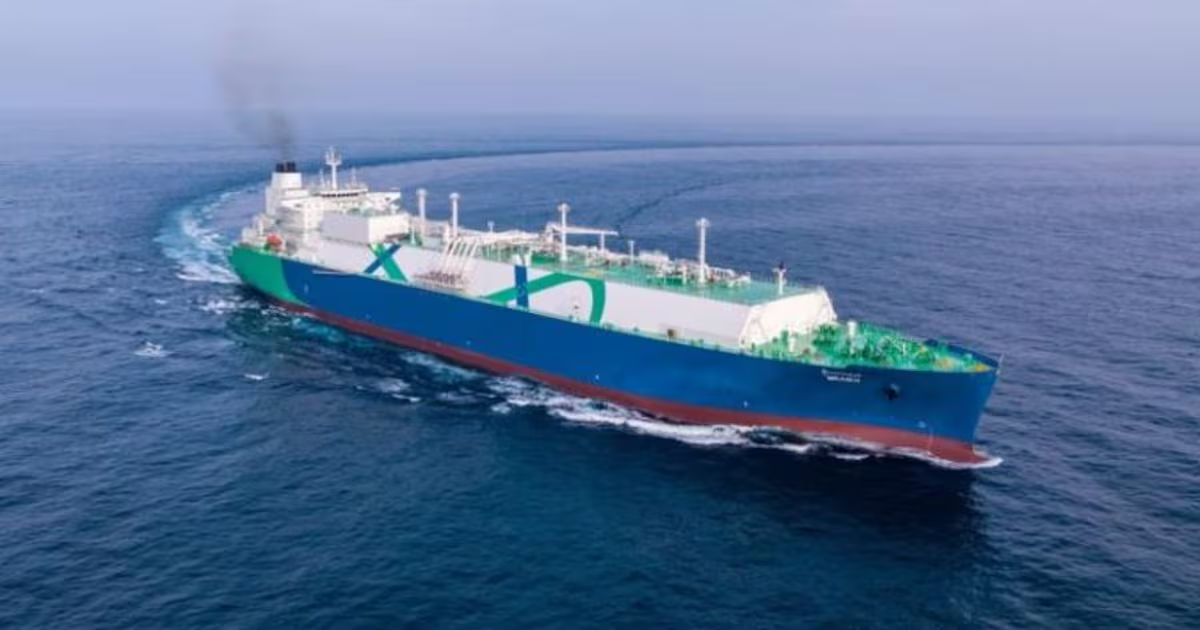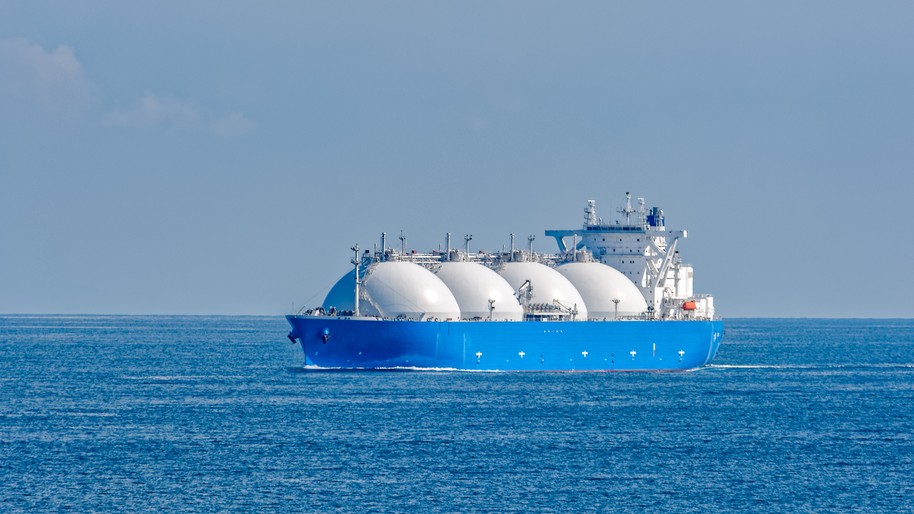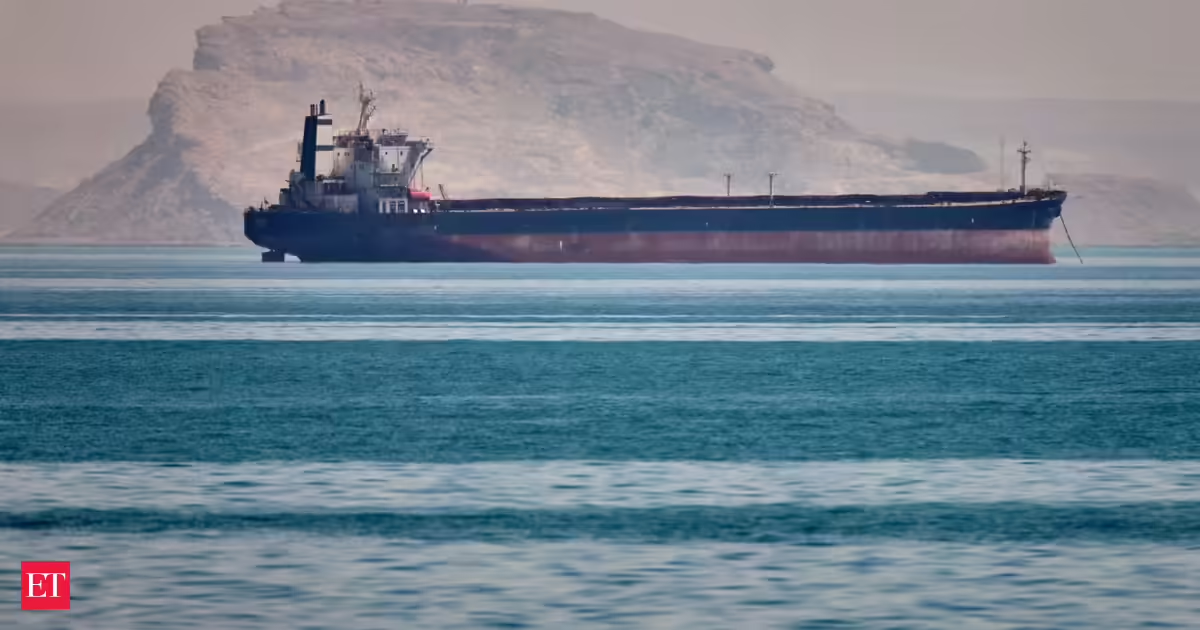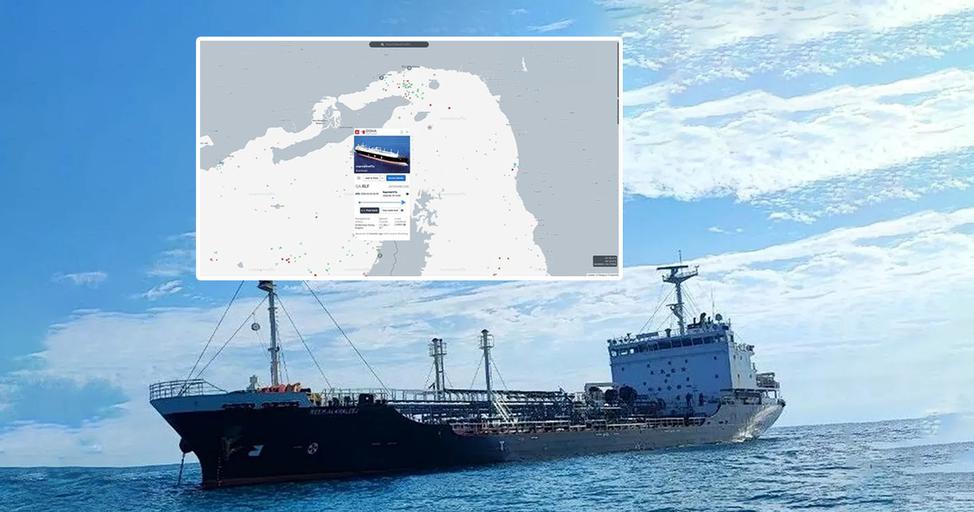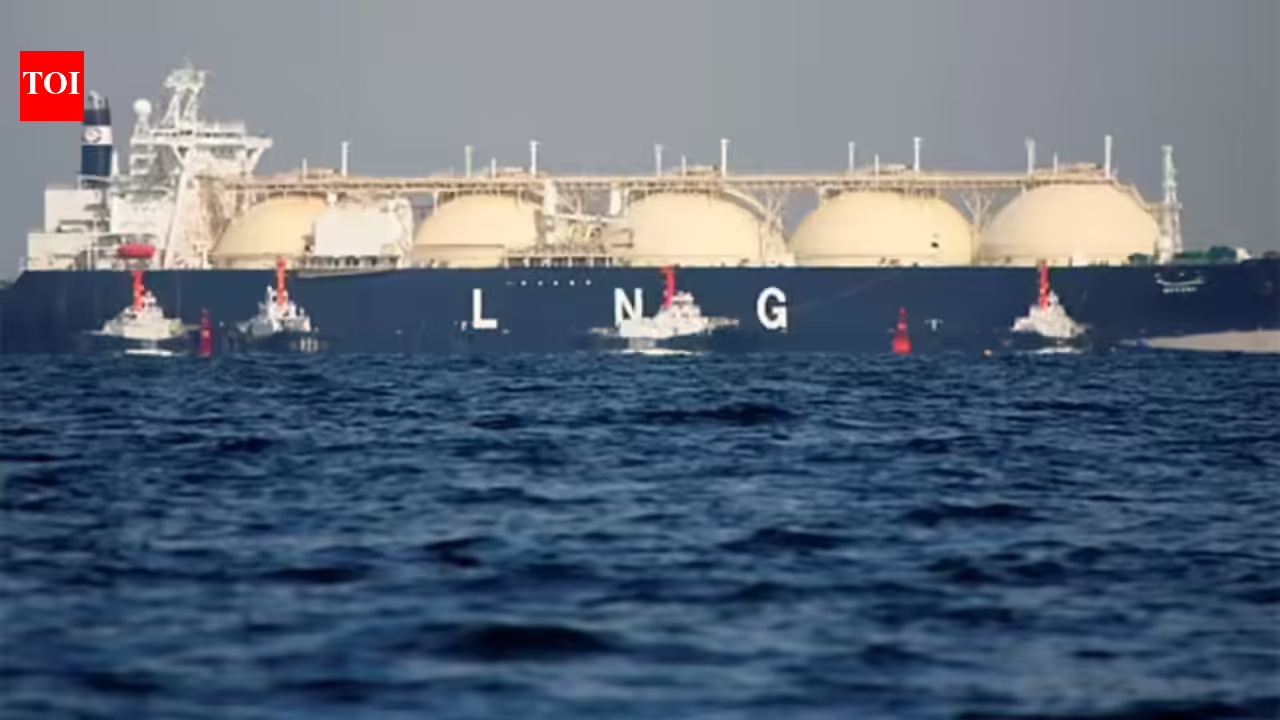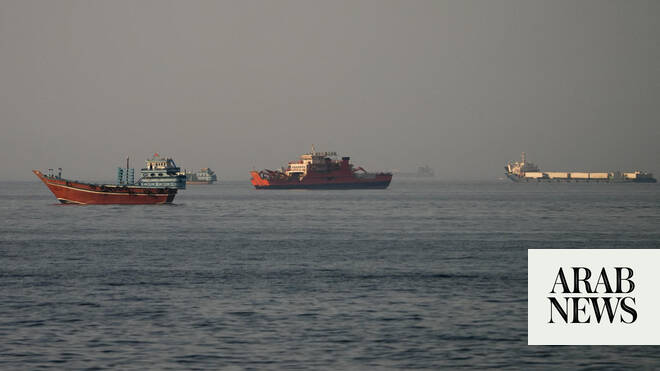
An LNG tanker named Disha, loaded at Qatar’s Ras Laffan terminal, is currently approaching the Strait of Hormuz, marking one of the first significant commercial transits since the US-Iran memorandum of understanding went into effect. The vessel had been idled just west of the strait before the deal was announced, waiting for the diplomatic green light that finally came.
The Strait of Hormuz normally handles roughly 20% of global oil and 20% of global LNG trade. When Iran closed it on March 4 following escalating tensions that began on February 28, the world’s energy markets went into a sustained panic. Now, with the Disha heading toward India’s Dahej terminal with an expected arrival around June 18, there’s a tangible sign that the chokepoint may be reopening for business.
What the deal actually covers
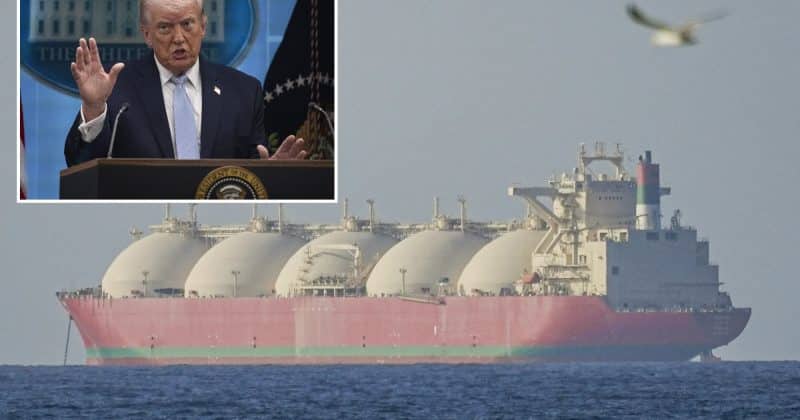
The MoU, unveiled around June 15, was advanced by US President Donald Trump and Iranian President Masoud Pezeshkian. A formal signing is scheduled for June 19 in Switzerland.
The framework has three main components: extending a ceasefire, reopening the Strait of Hormuz to commercial traffic, and initiating a 60-day negotiation phase on thornier issues like Iran’s nuclear program. There’s also a potential $300 billion reconstruction fund for Iran baked into the framework, which gives Tehran a significant economic incentive to stay at the table.