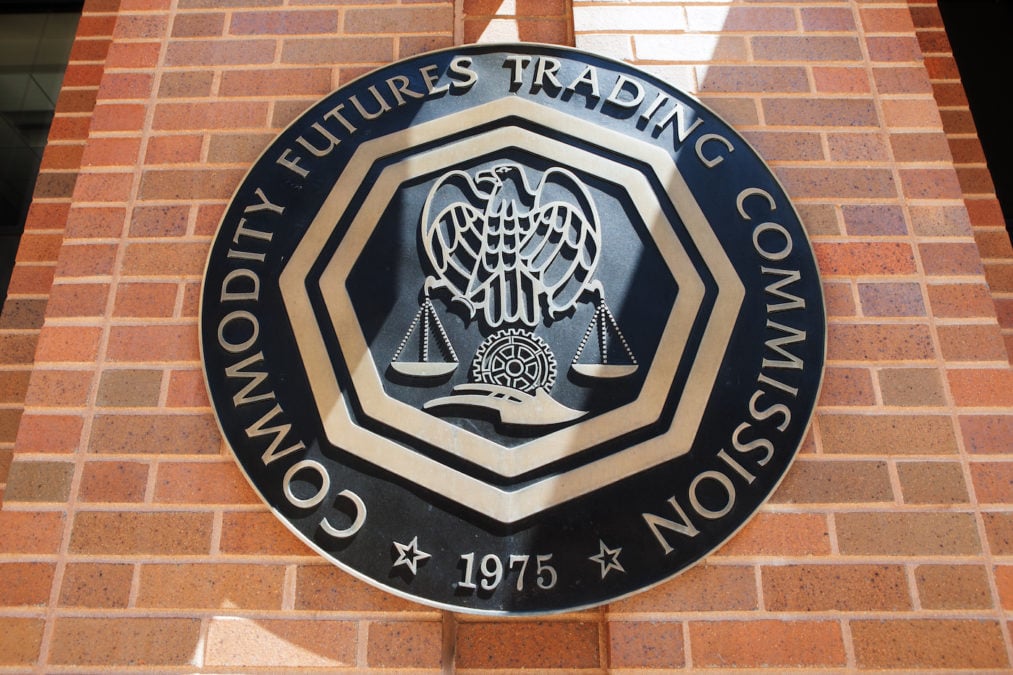
CME Group, the world’s largest derivatives exchange, is preparing to sue its own regulator. Outgoing CEO Terrence Duffy announced on June 17 during CNBC’s “Fast Money” that the exchange will file a lawsuit against the Commodity Futures Trading Commission, challenging the agency’s recent decision to approve perpetual futures contracts for US markets.
The lawsuit, set to be filed on June 18, takes aim at a specific product: KalshiEX LLC’s BTCPERP, a Bitcoin-linked perpetual futures contract that the CFTC greenlit on May 29. It was the first perpetual futures product ever approved for listing on a US regulated exchange. CME’s core argument is straightforward. These products aren’t futures at all, and should instead be classified as swaps under the Dodd-Frank Act.
Why classification matters more than you think
Perpetual futures, the instrument at the center of this fight, are a staple of offshore crypto trading but have never had a home on regulated US exchanges until now. They work like standard futures contracts with one crucial twist: they never expire. Traditional futures have set expiration dates. Perpetuals just keep rolling, indefinitely.
Duffy has been vocal about his concerns. Between June 4 and 5, he flagged what he sees as systemic risks baked into high-leverage products that lack expiration dates. His argument is that the absence of a natural settlement point creates vulnerabilities that traditional futures markets were specifically designed to avoid. The Dodd-Frank Act, passed in the wake of the 2008 financial crisis, created the swaps classification precisely for instruments that don’t fit neatly into the traditional futures framework.