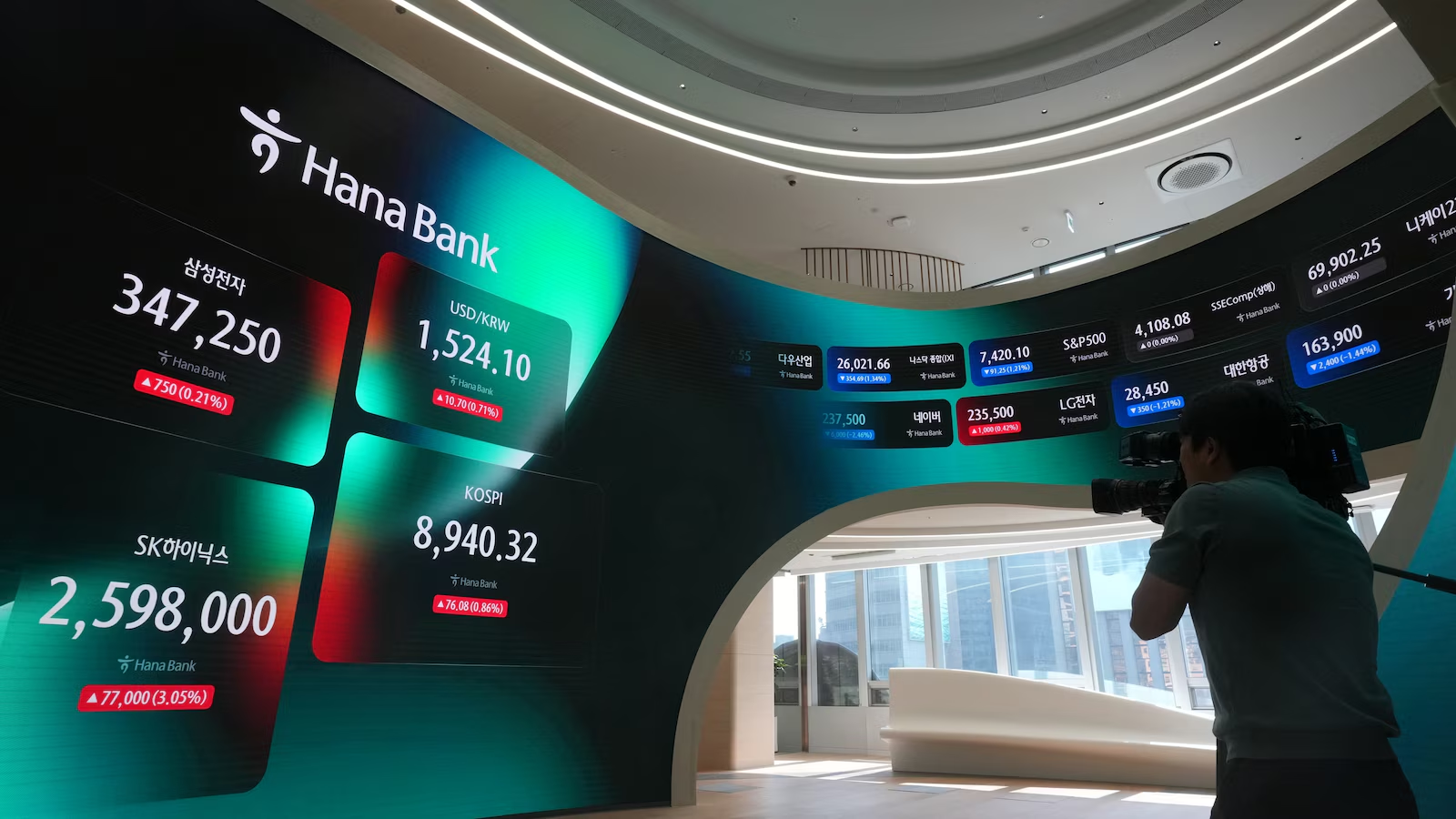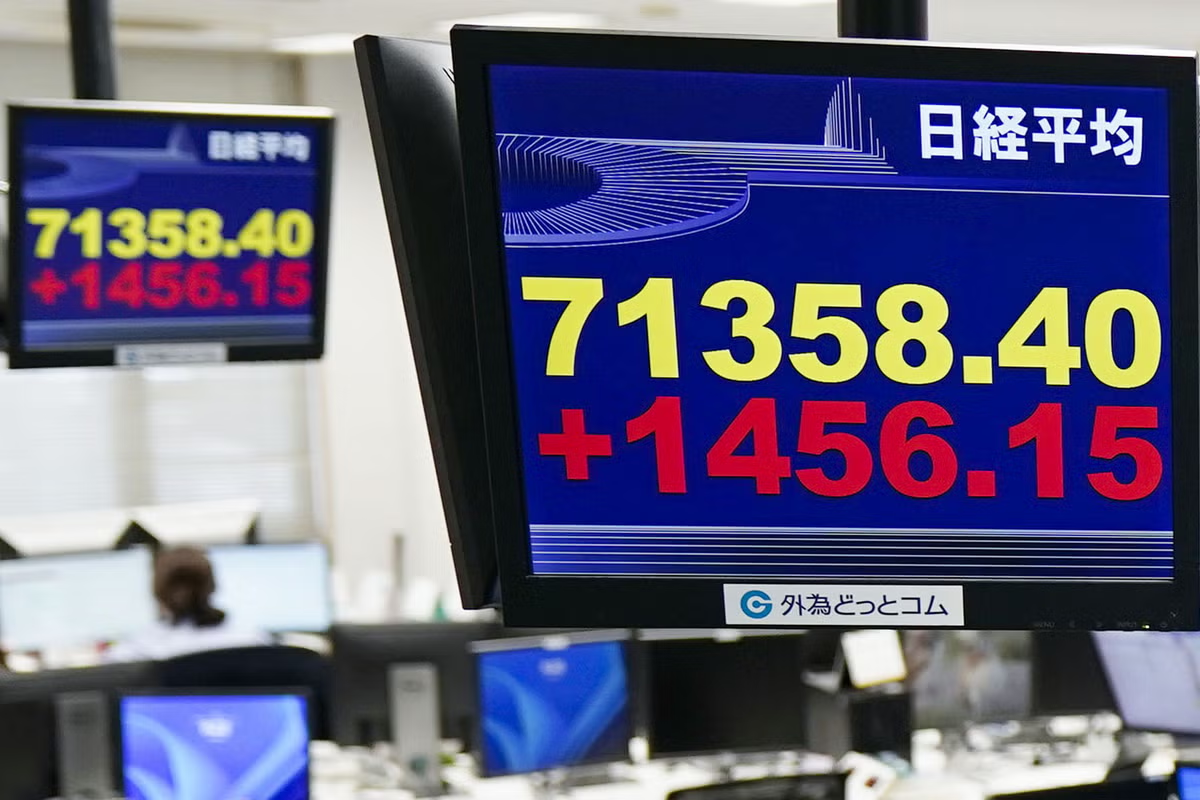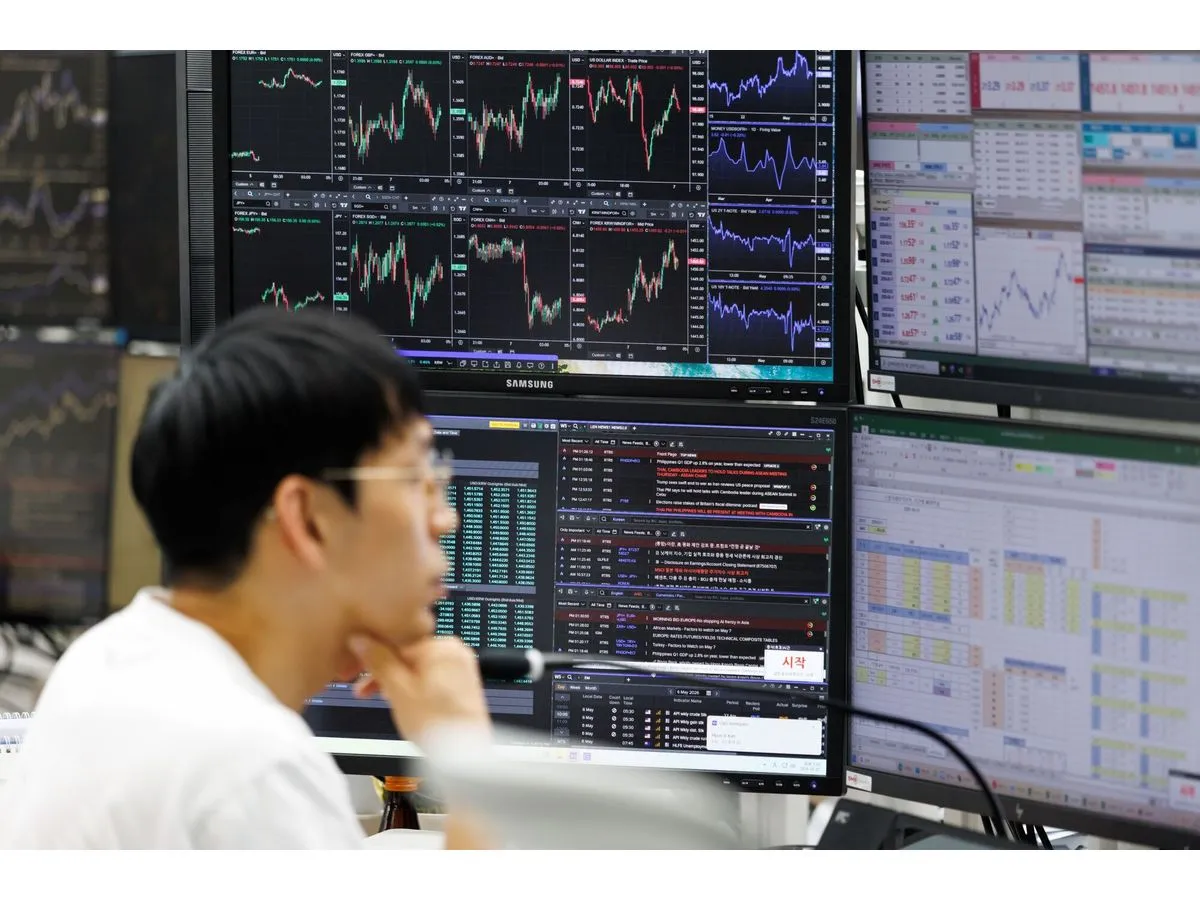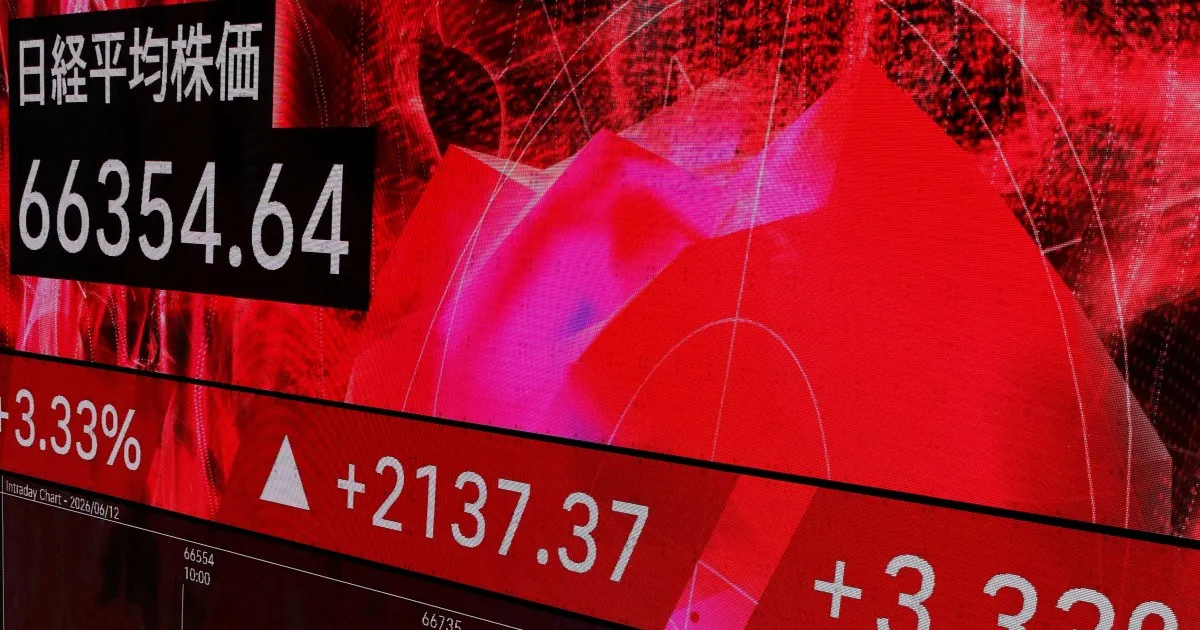
SynopsisUS stock futures rose as President Trump signed an interim deal to end the Iran war and reopen the Strait of Hormuz, easing energy concerns. This comes as the Federal Reserve signaled potential rate hikes to combat inflation, causing bond yields to climb and the yen to weaken.APWarsh also announced the creation of a task force to review the Fed’s $6.7 trillion balance sheet, an issue he has long criticized. The group would examine whether “monetary policy is coming from our interest rate tool or our balance sheet tool,” he said.US stock futures climbed while oil prices extended their slump as President Donald Trump signed an interim deal to end the war with Iran and reopen the Strait of Hormuz.Contracts on the S&P 500 climbed 0.8% while a gauge of Asian stocks rose 0.5%. Nasdaq futures jumped more than 1%. The moves followed a 1.2% drop in the US benchmark on Wednesday after the Federal Reserve signaled rates may need to rise further to contain inflation. Brent crude fell more than 1% early in Asia, dropping below $79 a barrel.“Trump’s signing of the Memorandum of Understanding following the G7 meeting represents another meaningful step toward reopening the Strait of Hormuz,” said Rajeev De Mello, global macro portfolio manager at Gama Asset Management. “This should further reduce energy-related risk premia, ease inflation concerns, and provide support for both bond and equity markets after the initial reaction to the Fed.”Trump told reporters he signed the document at the palace of Versailles near Paris, where he had dinner with French President Emmanuel Macron. The so-called memorandum of understanding is now in effect, a US official said. However, it was unclear if Iran had immediately begun taking steps to fully reopen the Strait of Hormuz.Meanwhile, yields on Australian and Japanese bonds climbed, tracking a selloff in US Treasuries following the Fed decision. Two-year Treasury yields, which are highly sensitive to Fed policy expectations, jumped 13 basis points to 4.18%. Roughly half of Fed policymakers projected rate hikes this year, prompting traders to fully price in an increase by October and see a strong chance of a move as soon as September.Fed Chair Kevin Warsh, in his first press conference as head of the central bank, declined to offer guidance on the next policy move. He emphasized that inflation has remained above the Fed’s 2% target for several years and reiterated the central bank’s commitment to restoring price stability.“Half the committee is expecting rate hikes this year, which is a real shot across the bow at the market,” said Bob Michele, chief investment officer and global head of fixed income at JPMorgan Asset Management. “I think they’re getting ready for rate hikes.”Central banks in Indonesia and the Philippines — two economies hit hard by the steep increase in global oil prices following the Iran war — are both expected to raise their policy rates by a quarter-point each on Thursday, according to the majority of economists surveyed by Bloomberg. The Fed decision marked the fourth consecutive meeting in which policymakers left rates unchanged. Officials described economic growth as “solid” and highlighted strong productivity gains and capital investment, while making clear that inflation has become a greater concern than labor-market weakness.“The Fed’s recent hawkish shift was not just about higher energy prices,” said Kay Haigh at Goldman Sachs Asset Management. “Despite the recent pullback in oil, half of the members of the FOMC expect rate hikes as soon as this year, reflecting strong labor market and inflation data.”Warsh also announced the creation of a task force to review the Fed’s $6.7 trillion balance sheet, an issue he has long criticized. The group would examine whether “monetary policy is coming from our interest rate tool or our balance sheet tool,” he said.Elsewhere in markets, the yen fell to its weakest level against the US dollar since July 2024, raising the risk of official intervention.Investors remained concerned the central bank was not tightening policy quickly enough to contain inflation and stabilize the yen, even after it raised its benchmark rate to the highest level since 1995 earlier this week. Deputy Governor Shinichi Uchida said the exchange rate is important to the economic outlook but is not a direct policy target.Read More News on(What's moving Sensex and Nifty Track latest market news, stock tips, Budget 2025, Share Market on Budget 2025 and expert advice, on ETMarkets. Also, ETMarkets.com is now on Telegram. For fastest news alerts on financial markets, investment strategies and stocks alerts, subscribe to our Telegram feeds .) Subscribe to ET Prime and read the Economic Times ePaper Online.and Sensex Today. Top Trending Stocks: SBI Share Price, Axis Bank Share Price, HDFC Bank Share Price, Infosys Share Price, Wipro Share Price, NTPC Share Price...moreless(You can now subscribe to our ETMarkets WhatsApp channel)Read More News on(What's moving Sensex and Nifty Track latest market news, stock tips, Budget 2025, Share Market on Budget 2025 and expert advice, on ETMarkets. Also, ETMarkets.com is now on Telegram. For fastest news alerts on financial markets, investment strategies and stocks alerts, subscribe to our Telegram feeds .) Subscribe to ET Prime and read the Economic Times ePaper Online.and Sensex Today. Top Trending Stocks: SBI Share Price, Axis Bank Share Price, HDFC Bank Share Price, Infosys Share Price, Wipro Share Price, NTPC Share Price...moreless
Global Market Today: Asian shares gain as US-Iran deal takes effect
US stock futures rose as President Trump signed an interim deal to end the Iran war and reopen the Strait of Hormuz, easing energy concerns. This comes as the Federal Reserve signaled potential rate hikes to combat inflation, causing bond yields to climb and the yen to weaken.
880 words~4 min read