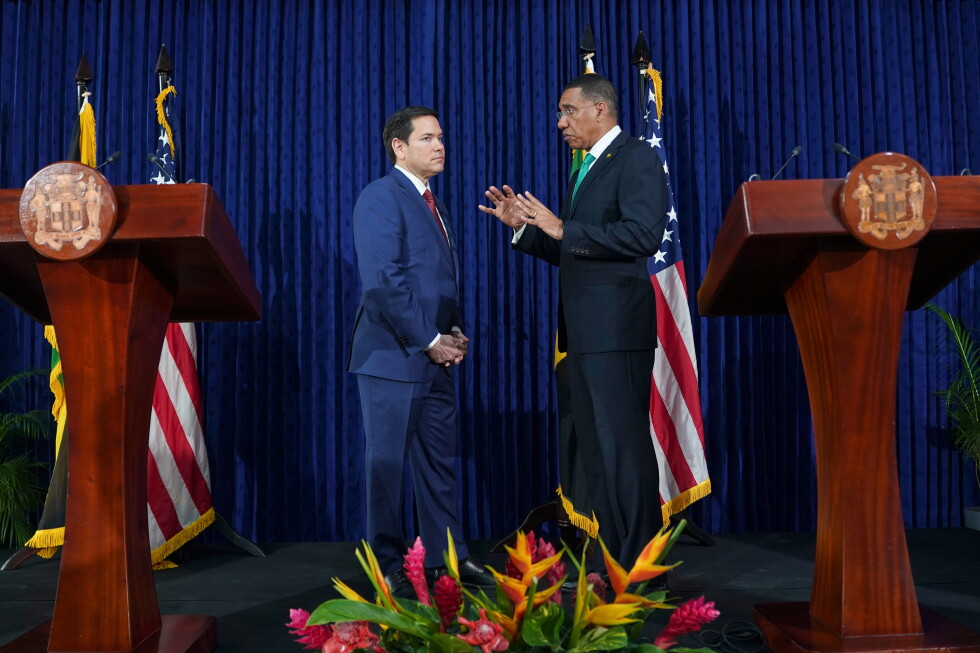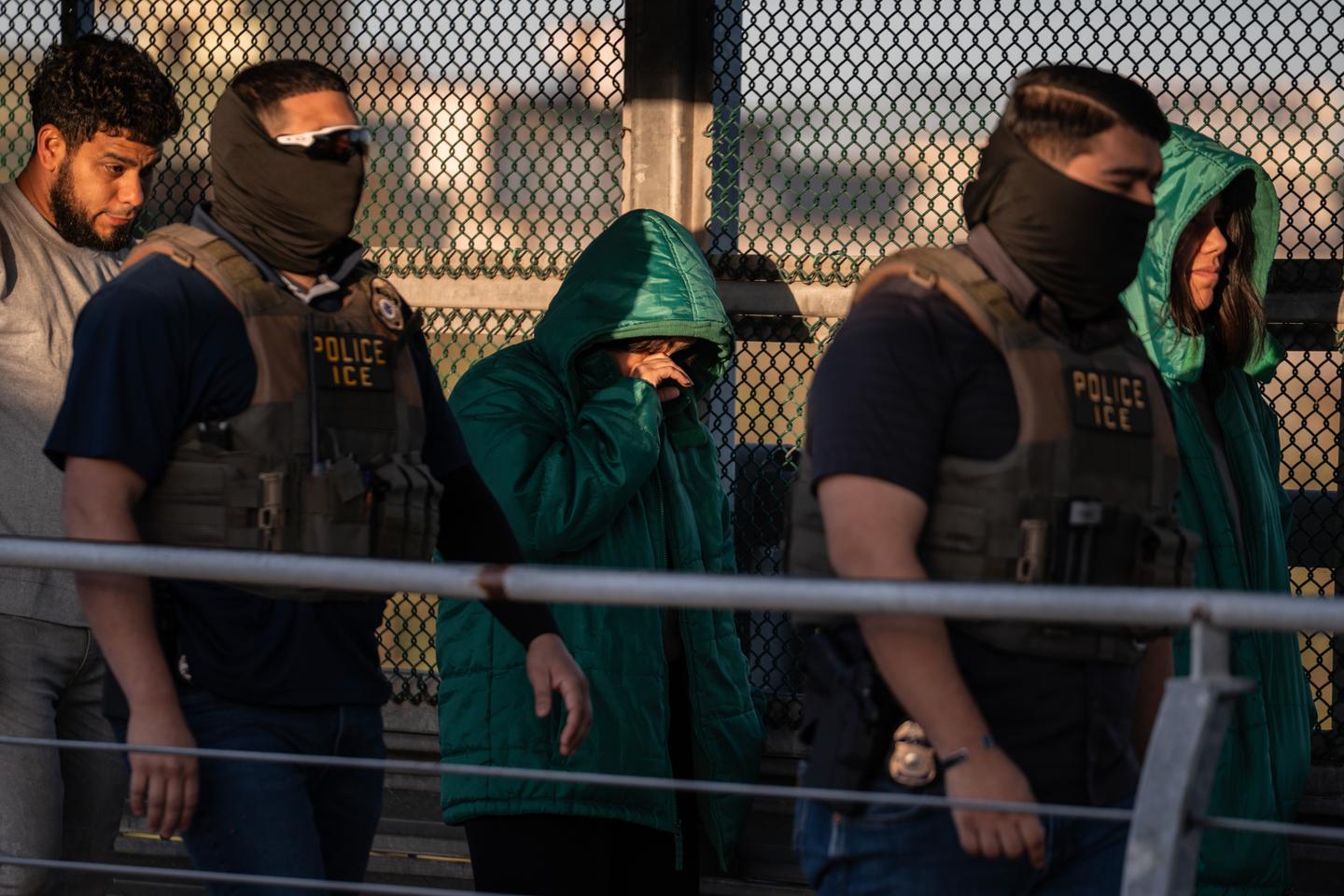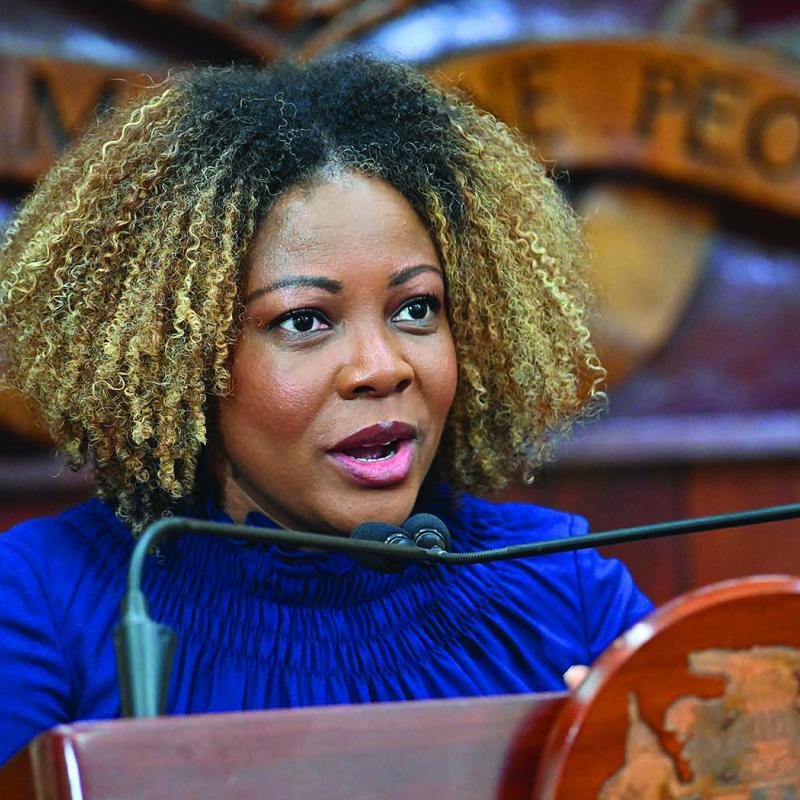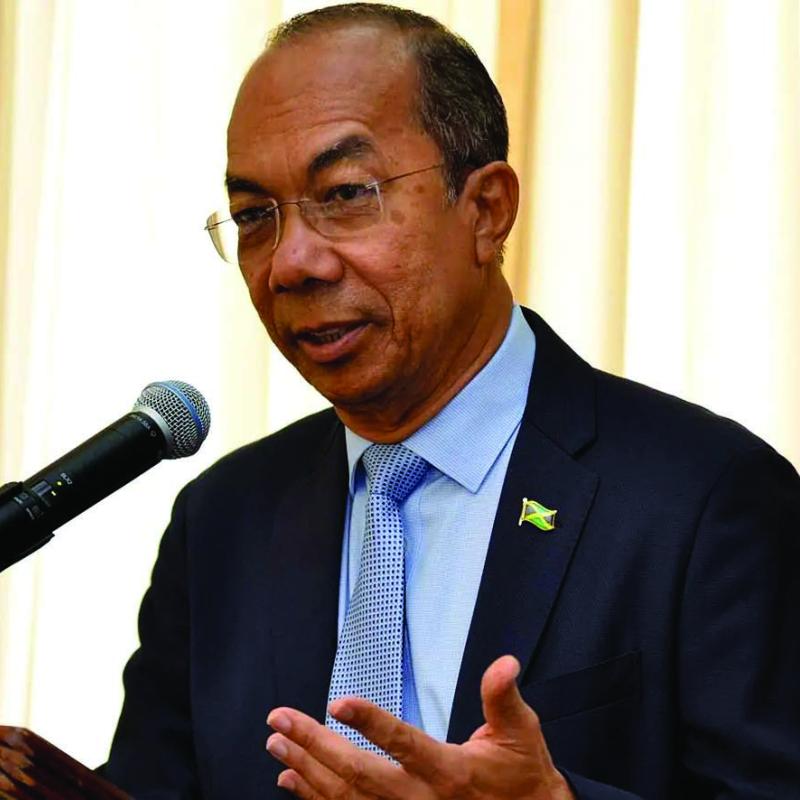
Jamaicans for Justice (JFJ) has raised concerns over Jamaica’s agreement with the United States to accept third-country nationals for temporary accommodation, warning that the arrangement could expose the country to human rights and legal risks without stronger safeguards.The advocacy group said that while the Government has outlined assurances, including that only non-criminals will be transferred, stays will be temporary, and Jamaica retains the right to refuse arrivals, these measures are insufficient without “robust, transparent, and independently verifiable safeguards.”JFJ cautioned that Jamaica could still be in breach of its international obligations under the 1951 Refugee Convention and the Convention Against Torture if proper screening mechanisms are not in place to prevent refoulement or chain refoulement. Refoulement is a term in international refugee law that refers to the forcible return of a person to a country where they face serious risk of persecution, torture, or other forms of serious harmIt also raised concerns about what it described as the risk of individuals being left in “prolonged limbo” if onward removal to their home countries is not possible, pointing to international examples where temporary transit arrangements have led to extended detention and legal uncertainty.“Once individuals land on Jamaican soil, the country assumes primary legal custody and responsibility under international law and principles of sovereignty,” said JFJ Executive Director Mickel Jackson.“The US largely relinquishes control at that point. If onward removal fails… people could be trapped in Jamaica indefinitely,” Jackson added.JFJ further warned that significant constitutional questions arise regarding the legal status, detention, and treatment of third-country nationals while in Jamaica, noting that the Charter of Fundamental Rights and Freedoms applies broadly to “every person” within the jurisdiction.The group also questioned whether Jamaica is prepared to conduct full asylum or protection assessments for individuals who may raise fears of return, including access to interpreters, legal counsel, and adequate time to prepare claims.Among its recommendations, JFJ is calling for the full memorandum of understanding and operational procedures to be made public, independent screening processes, strict limits on detention time, and civil society monitoring of the arrangement.It also urged the inclusion of an exit clause should human rights or operational concerns arise.“Jamaica can cooperate on migration, but we must do it responsibly and lawfully,” Jackson said. “We must not allow ourselves to become a backdoor route that helps any state bypass core international refugee protections.”The concerns come as National Security Minister Dr Horace Chang has confirmed details of the arrangement, saying third-country nationals sent to Jamaica would be free to move around and could apply for asylum if they choose to remain.Chang also said Jamaica is not accepting convicted criminals and insisted that all arrivals would be vetted before entry.He told the House of Representatives on Wednesday evening that the memorandum of understanding would not be tabled in Parliament but maintained it is not a secret document and would be made available to the public, while operational procedures would also be published.At a post-Cabinet briefing, Chang reiterated that the arrangement involves individuals “coming literally from being apprehended at the border,” with the US covering their airfare and most returning to their home countries.He also said Jamaica would halt the programme if intake levels created pressure on local systems.Follow The Gleaner on X, formerly Twitter, and Instagram @JamaicaGleaner and on Facebook @GleanerJamaica. Send us a message on WhatsApp at 1-876-499-0169 or email us at onlinefeedback@gleanerjm.com or editors@gleanerjm.com.
JFJ raises human rights concerns over US-Jamaica deportation deal
Jamaicans for Justice (JFJ) has raised concerns over Jamaica’s agreement with the United States to accept third-country nationals for temporary accommodation, warning that the arrangement could expose the country to human rights and legal risks without stronger safeguards.
560 words~3 min read