States and cities, tired of waiting for the federal government to deal with energy and climate challenges during the first Trump administration, started writing their own laws.
New York passed the Climate Leadership and Community Protection Act in 2019, setting mandatory renewable energy and emissions reduction targets. Virginia passed the Clean Economy Act in 2020, setting a schedule to retire fossil fuel power plants. Colorado set greenhouse gas reduction targets. Boston and Seattle revised their building codes to make buildings more energy efficient and their public transportation fleets cleaner.
In fact, close to half of all Americans live somewhere that made a legally binding commitment to cleaner energy in the early 2020s.
Those laws were written at the start of the energy transition, with the information available at the time. Six years later, several governments are backing away from their commitments.
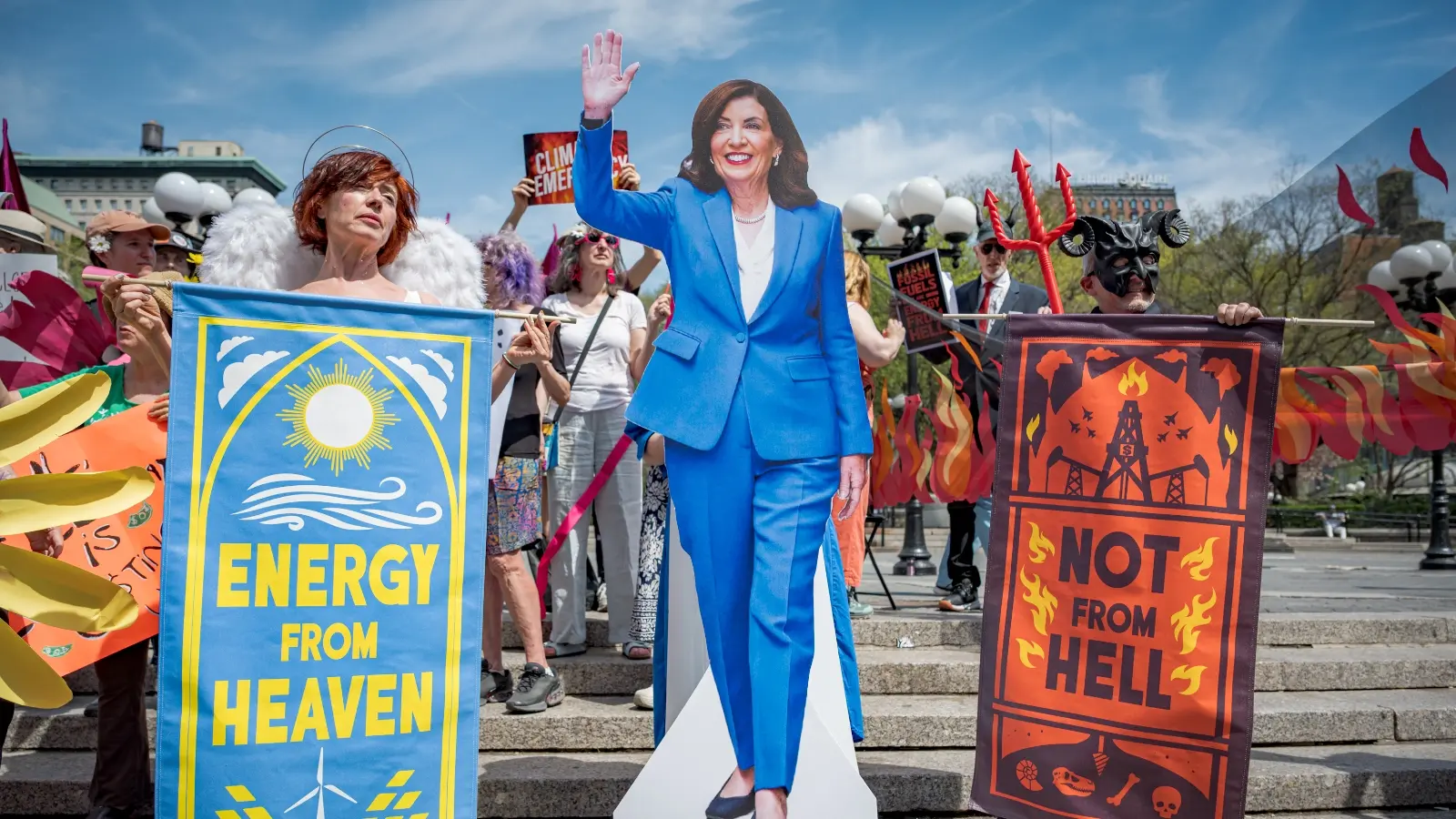
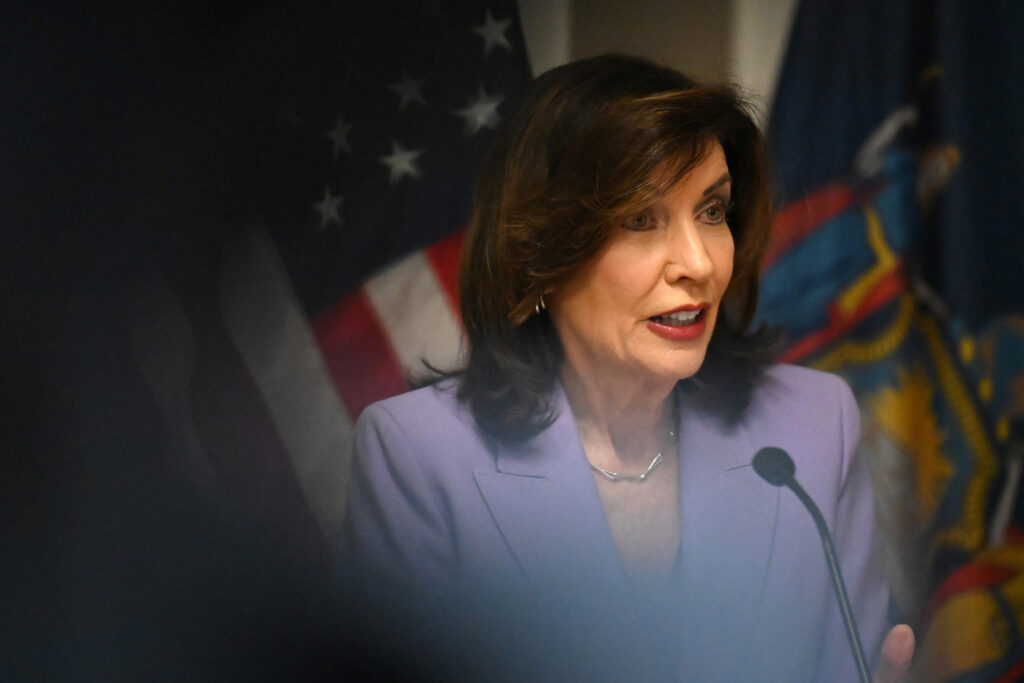
New York became the first state in the country to roll back its signature climate law in May 2026, trading a binding 2030 target to reduce emissions by 40% for a fuzzier 2040 goal. Gov. Kathy Hochul blamed high energy costs, though the move also killed a lawsuit she had just lost, in which a judge ruled her administration had ignored the law's deadline. She admitted the rollback wouldn't lower anyone's bills right away.