Artificial intelligence (AI) use is exploding. More than 50 percent of new internet content was generated by AI in 2025, according to an industry report. We even train AI on AI-generated content now, and although this can degrade performance, it continues at breakneck pace.
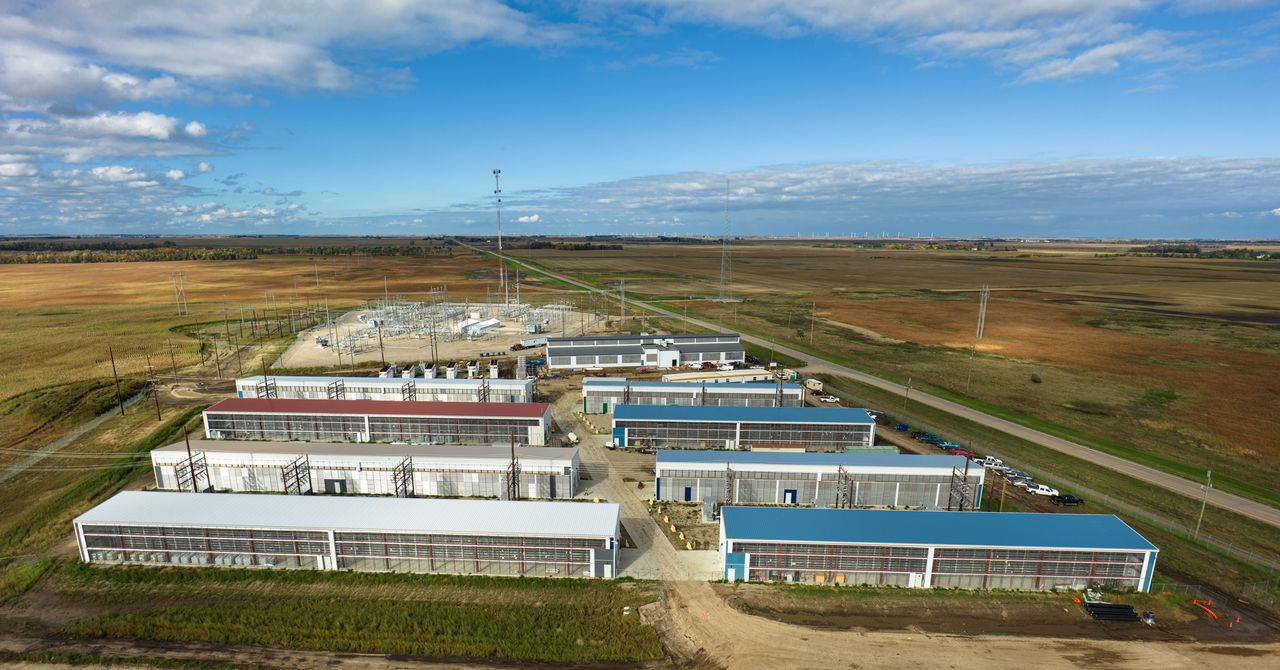
All this AI is consuming a lot of energy. It's straining the electrical system, raising consumer electricity costs and disrupting large-scale electrical grid planning. And the "AI energy crisis" is deepening. The International Energy Agency predicts that global electricity demand from data centers will double by 2030, to more than the electricity consumption of Japan today.
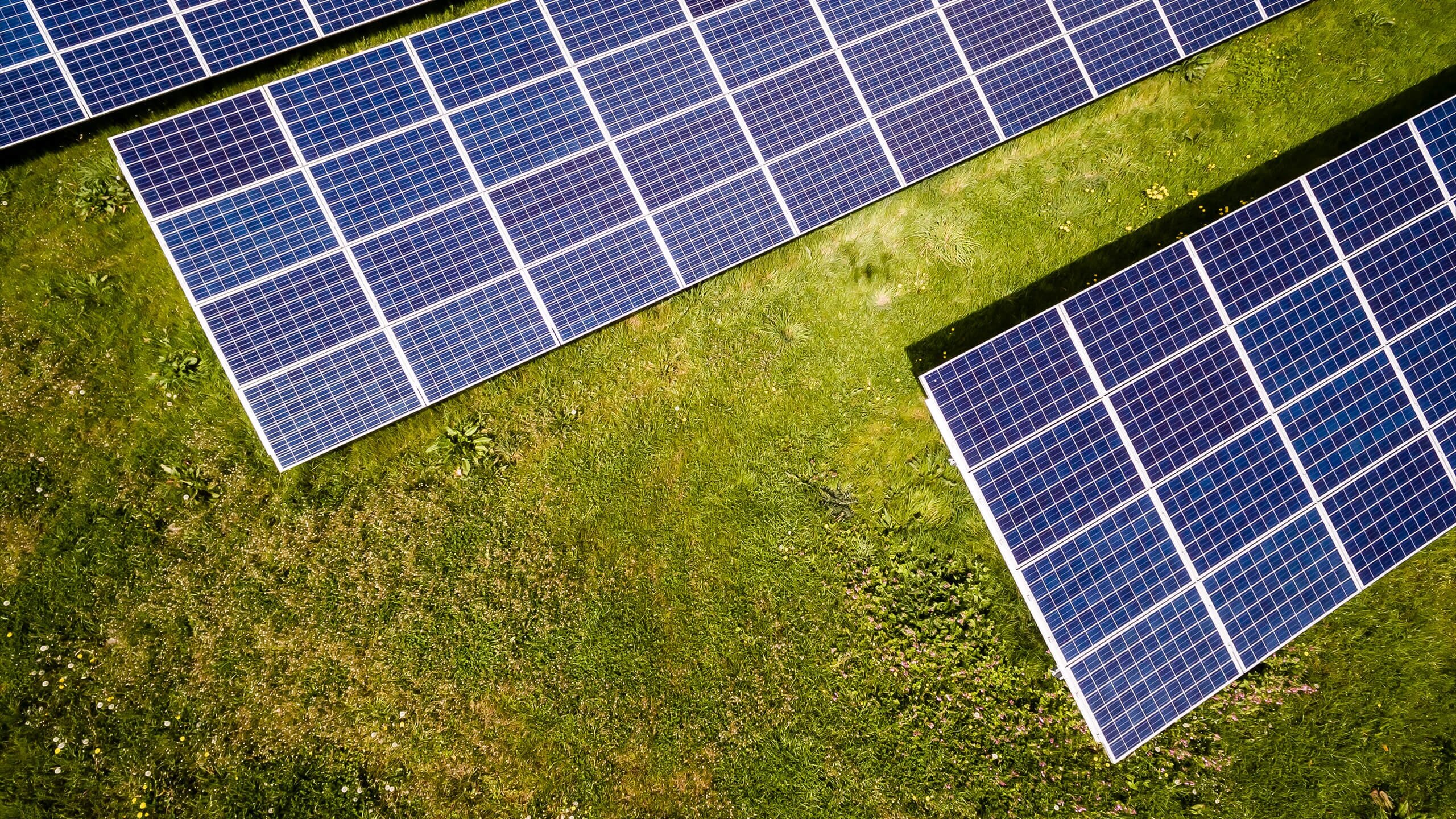
At the same time, solar photovoltaic technology—which uses the sun's energy to generate electricity—offers the cheapest energy in the history of the planet. The sector is growing rapidly. However, both solar and AI projects threaten to take over valuable agricultural land, generating public protests.
A new study I co-authored reveals "agrivoltaics"—the use of land for both electricity generation and food production—to be a promising solution.
In the first study of its kind, we found agrivoltaics to be a viable way to meet growing AI energy demands in the United States while also increasing food production.