Originally published on MRTD.NET — fast, sourced news on crypto security, cyber & SEO.
If you run a recent version of Google Chrome on a desktop, there is a decent chance your browser has quietly downloaded a ~4GB artificial-intelligence model in the background. It is called Gemini Nano, and it is the engine behind Chrome's new built-in AI features. The download is real — Snopes verified it — and it is worth understanding what it is, why it is mostly good, and where the legitimate concern lies.
What is actually on your machine
Gemini Nano is a compact, on-device language model that Chrome delivers through its component-updater system. The weights live in a file named weights.bin, inside a folder called OptGuideOnDeviceModel. You can check whether your browser has it — and its current size — by visiting chrome://on-device-internals in the address bar.
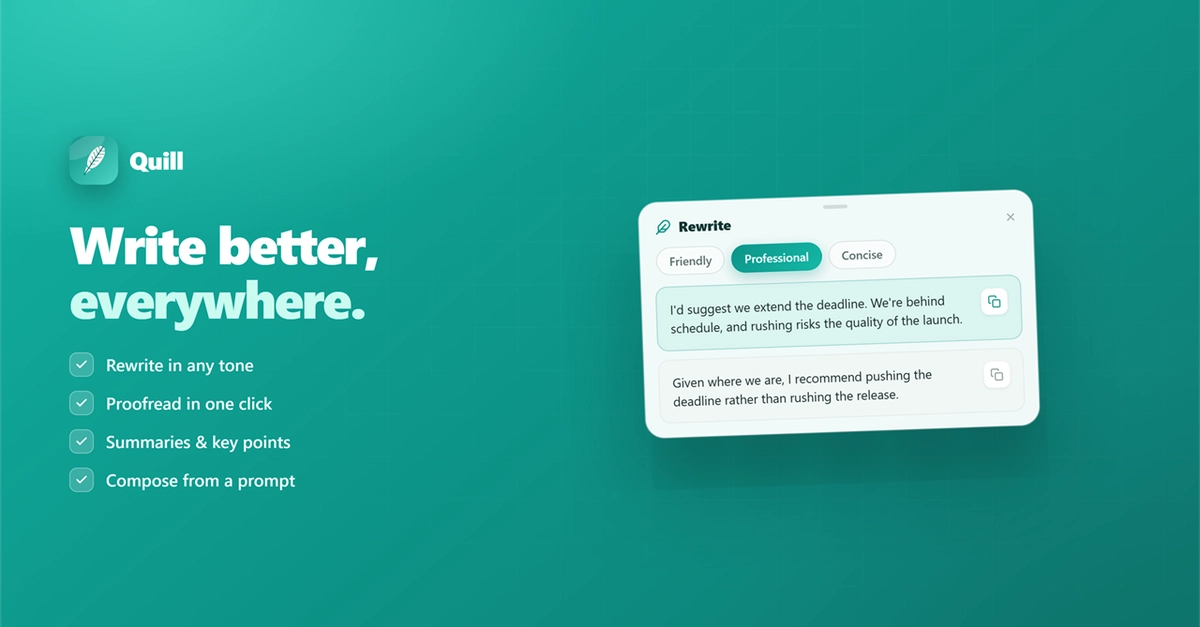
Per Chrome's developer docs, the model powers a family of JavaScript APIs that web pages and extensions can call directly: a general LanguageModel (the "Prompt API"), plus Summarizer, Translator, Writer, Rewriter and Proofreader. It runs on Chrome for Windows 10/11, macOS 13+, Linux and Chromebook Plus — not yet on Android, iOS, or ordinary ChromeOS devices. The full APIs remain in an experimental/early stage, with broad stable availability targeted for Chrome 145–150 (late 2026 into 2027).