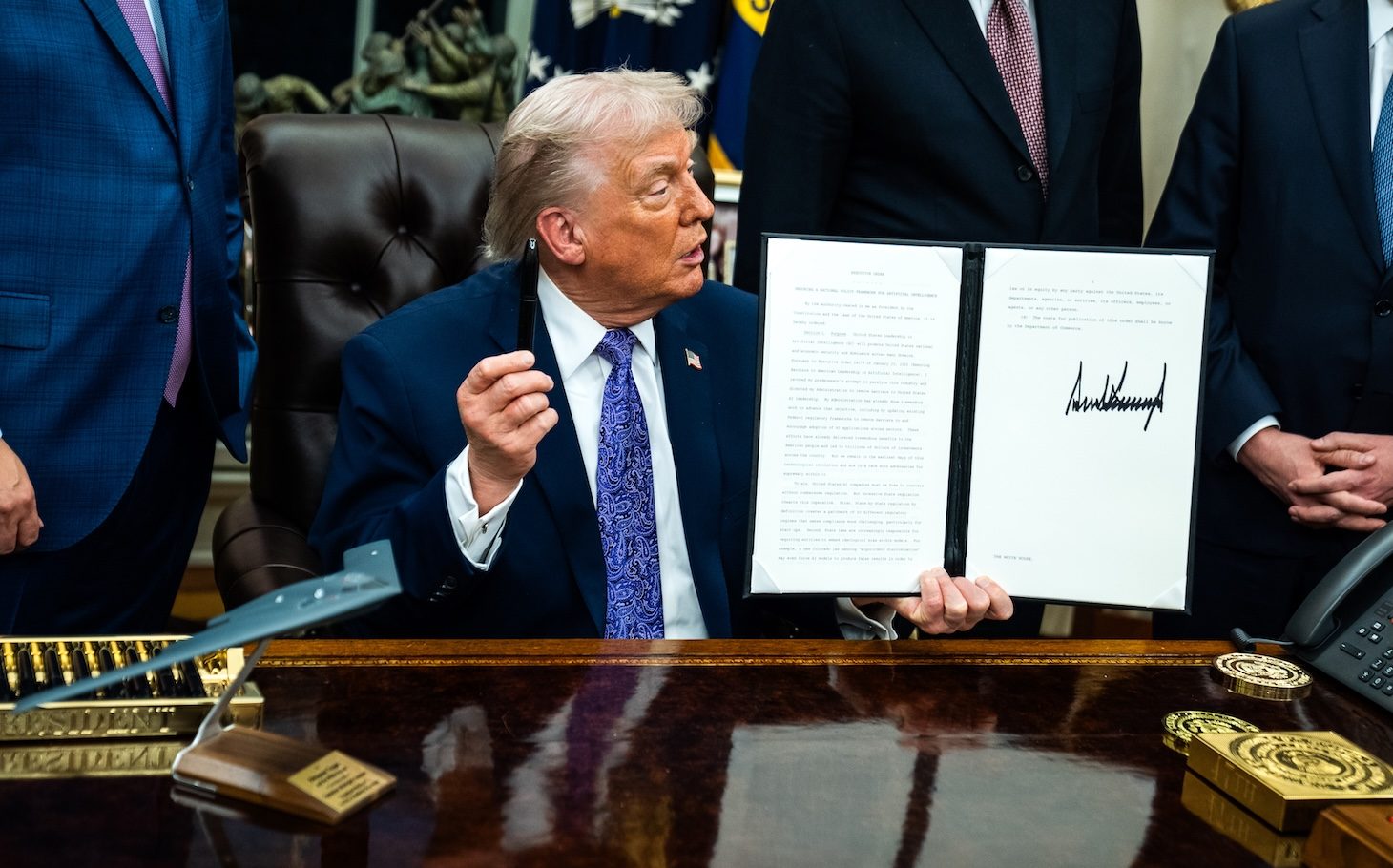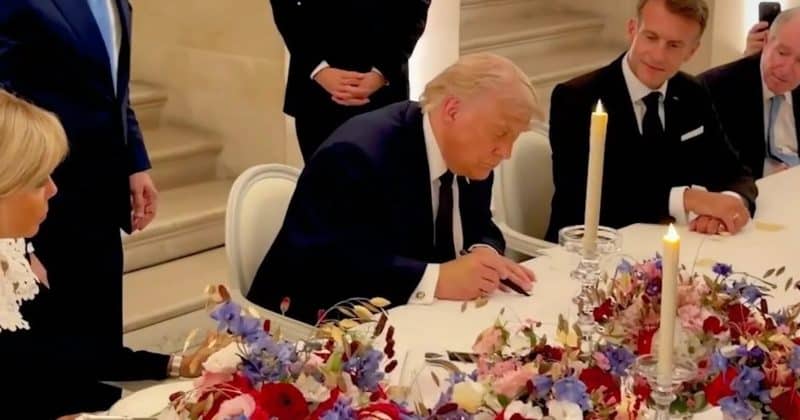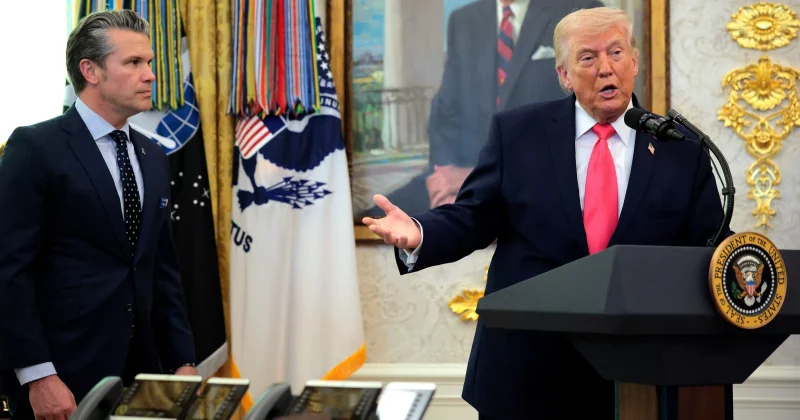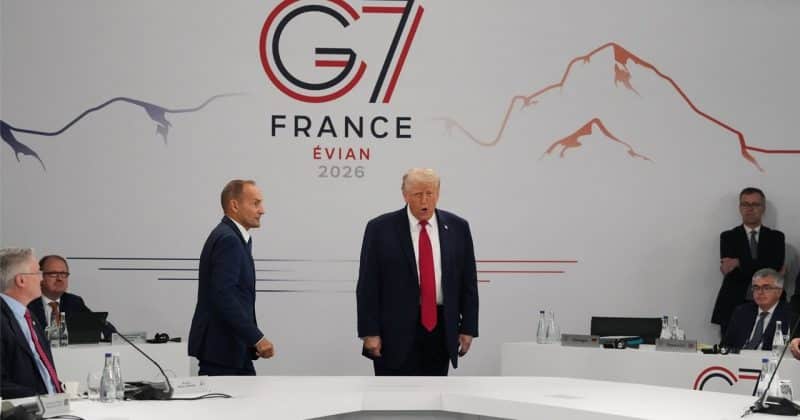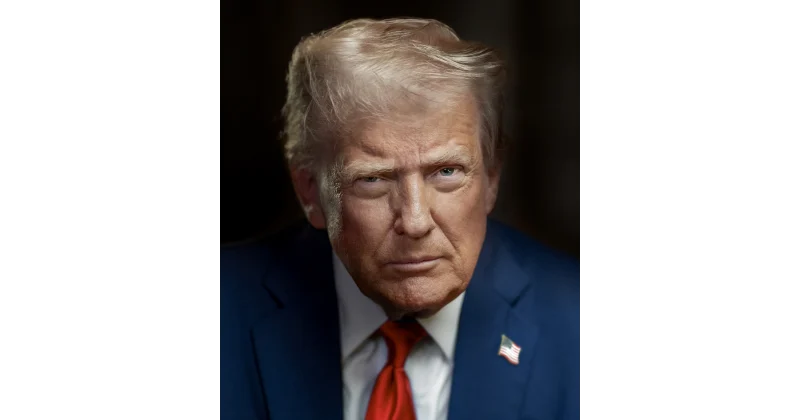
US President Donald Trump and Iran’s president signed a memorandum of understanding on June 17 at the Palace of Versailles, a deal designed to end the long-running US-Iran conflict. The agreement, inked during dinner with French President Emmanuel Macron following the G7 summit in Evian-les-Bains, France, sent an immediate jolt through global markets, with Bitcoin climbing above $65,000 as investors recalculated risk across the board.
What’s actually in the deal
The core terms of the MoU read like a grand bargain. Iran commits to reopening the Strait of Hormuz and diluting its enriched uranium stockpile. In return, the US lifts sanctions and lays the groundwork for a $300 billion reconstruction plan aimed at rebuilding Iran’s economy.
There’s a 60-day deadline baked in for reaching a final agreement. That clock is already ticking.
G7 leaders, including Macron, voiced support for the framework, framing it as a genuine step toward regional stability. But Trump himself attached a very Trumpian caveat: failure to comply could mean a re-escalation of military action.