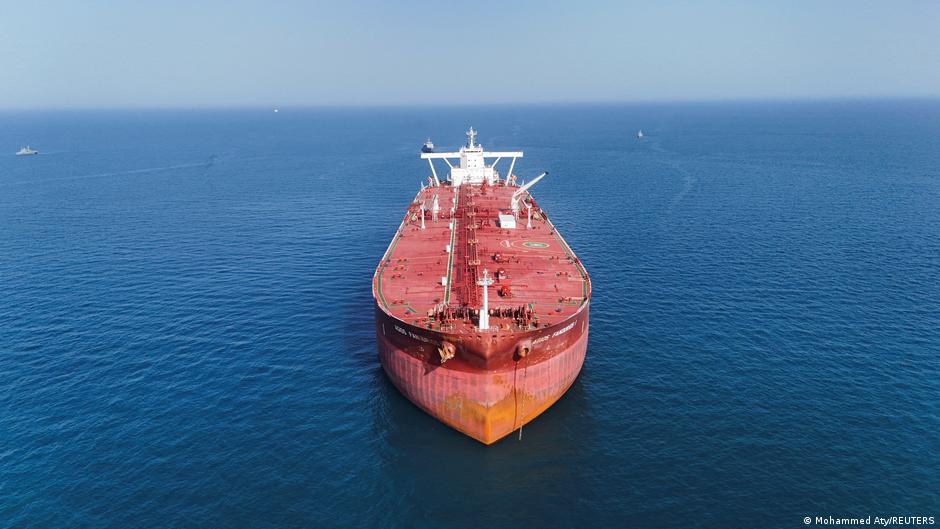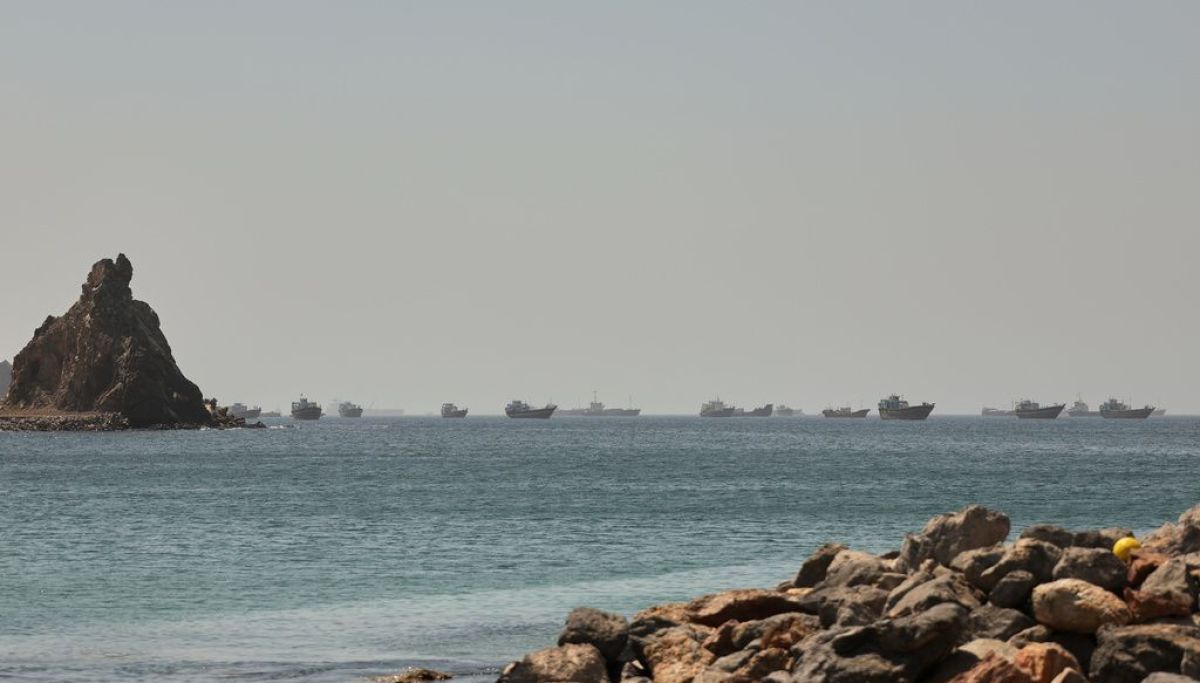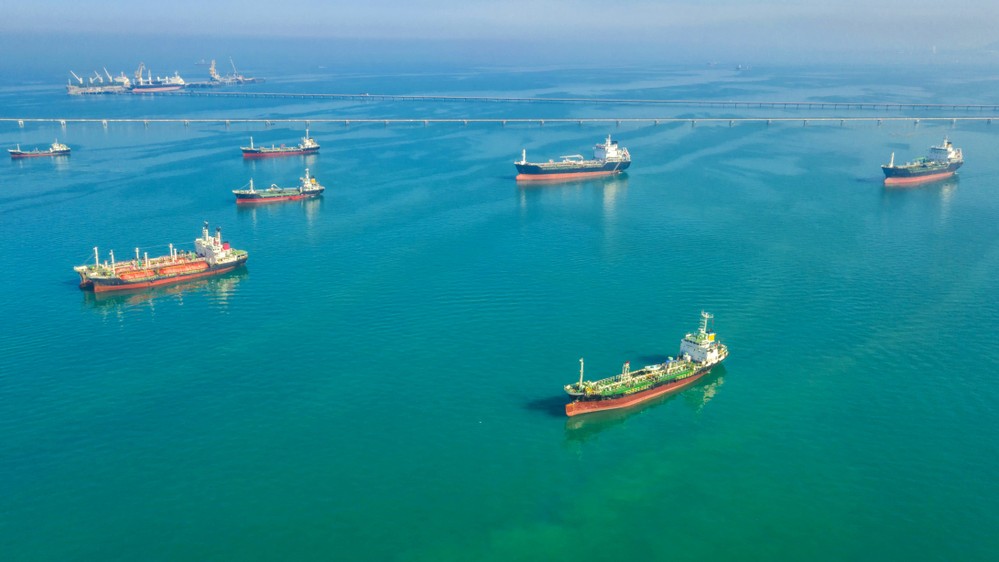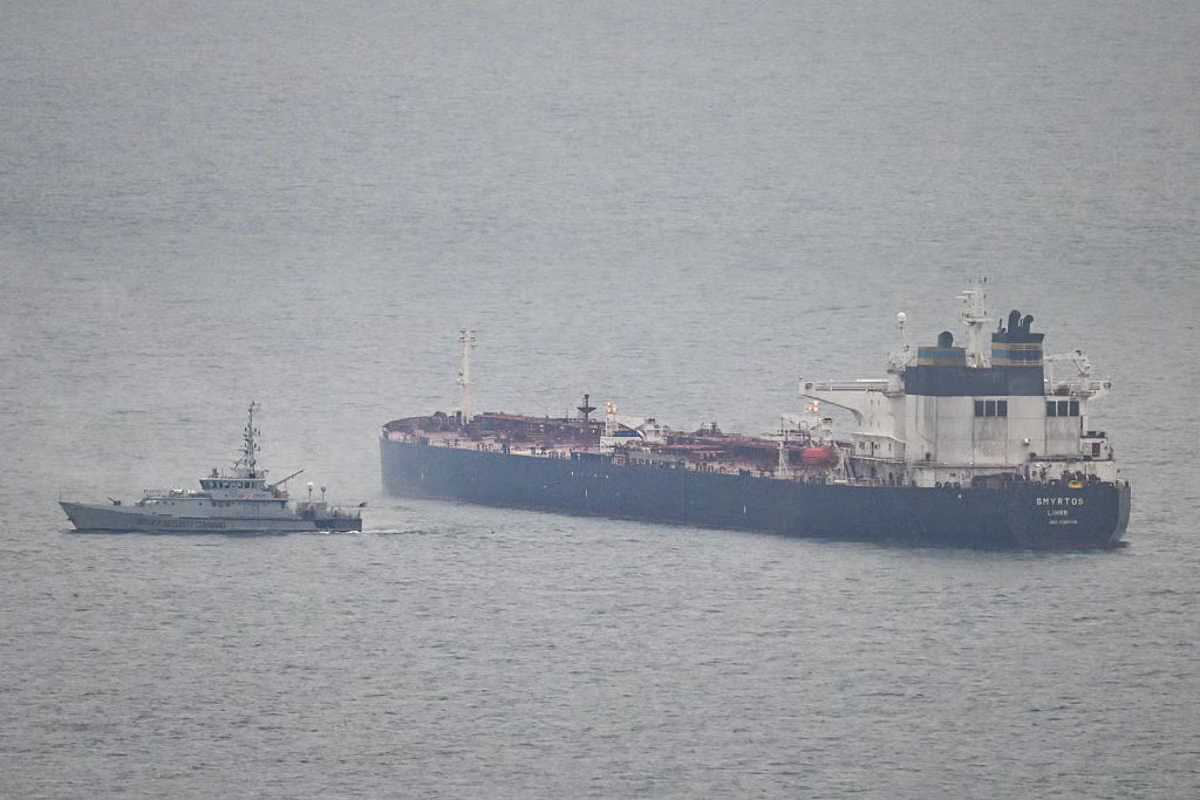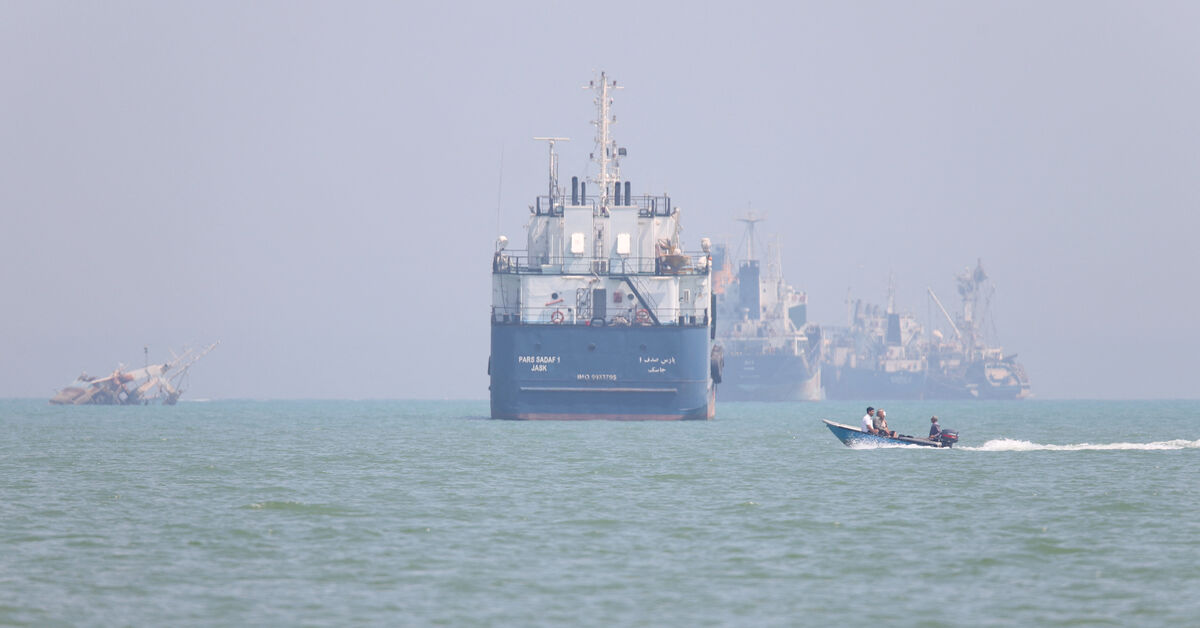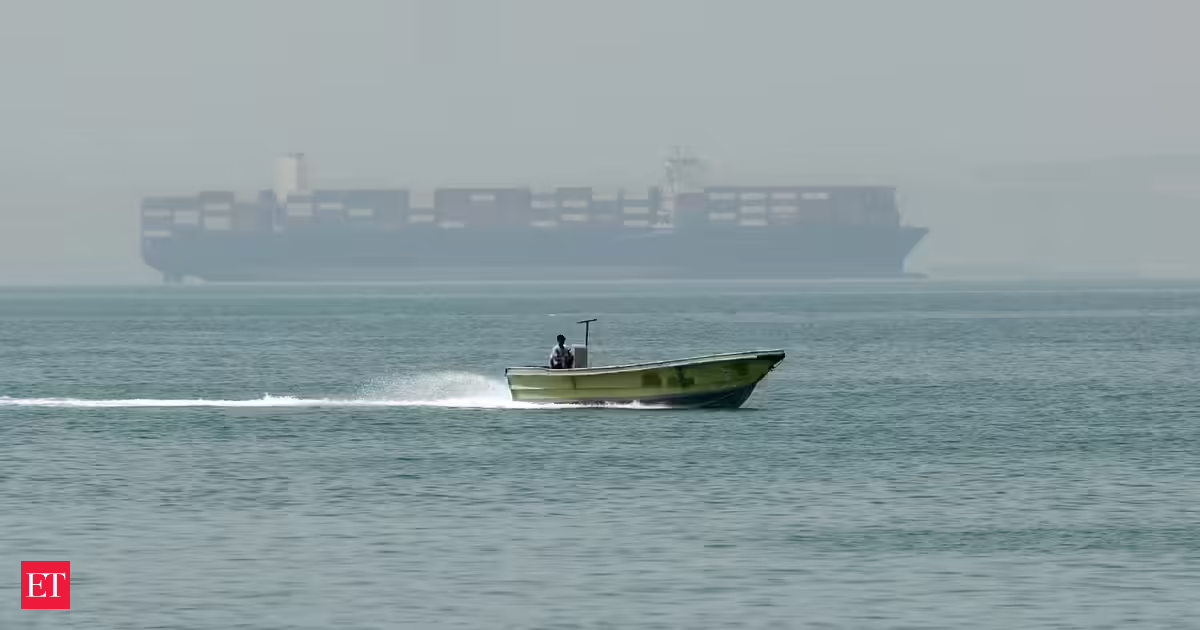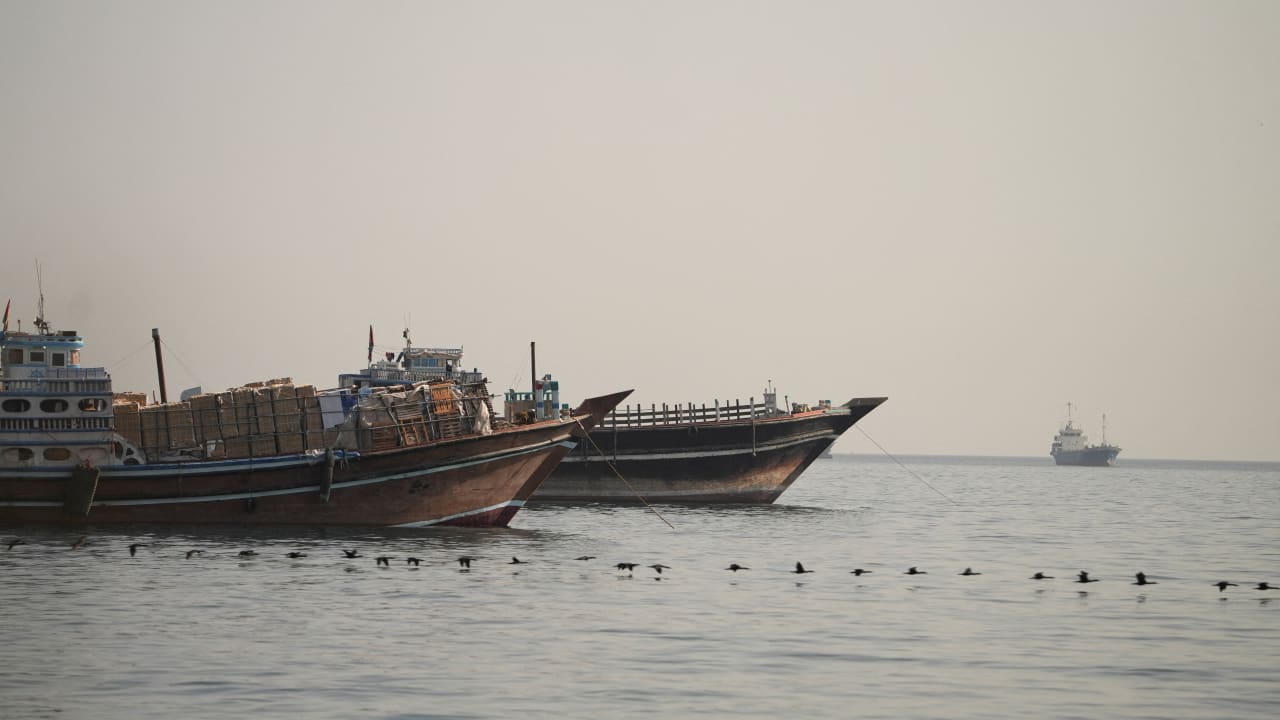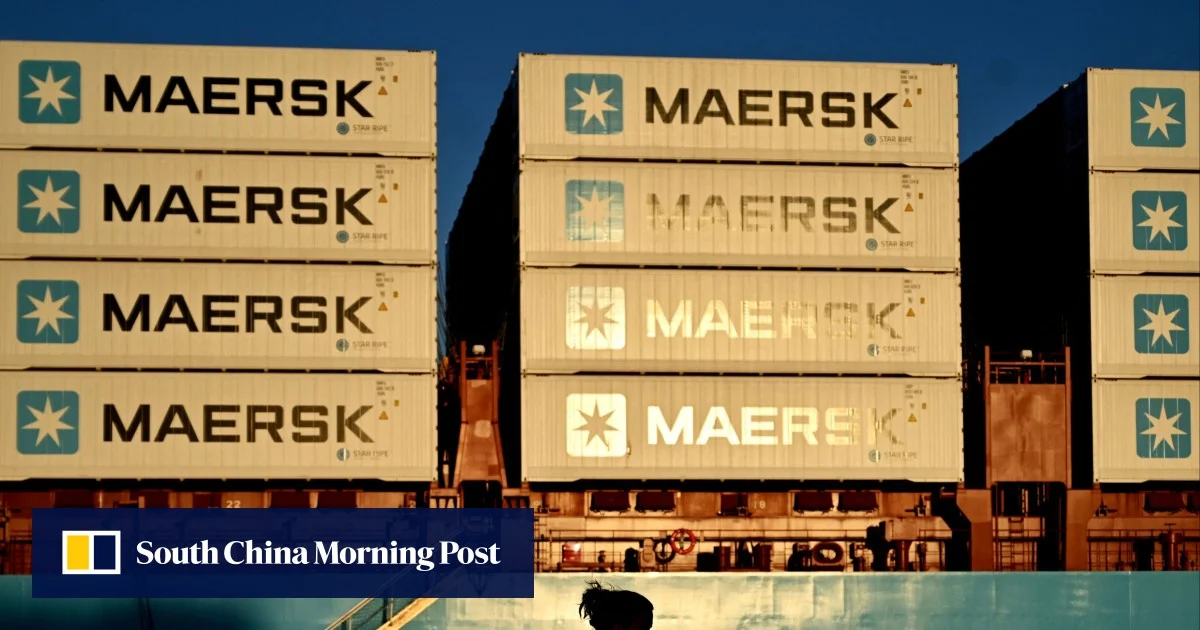
As US President Donald Trump moves to reopen the Strait of Hormuz through a peace deal with Iran, major shipping companies such as Maersk are likely to stop short of resuming normal operations in the near term amid lingering concerns about the waterway’s security and the durability of the agreement, according to observers.Some industry insiders said the deal’s impact on the global shipping industry would hinge on whether the United States extended sanctions relief beyond the initial agreement, as well as on sustained efforts to clear mines from the strategic waterway.Washington and Tehran announced a framework accord earlier this week, suspending hostilities and giving both sides 60 days to negotiate a settlement on some of the main points of contention in the relationship – including Iran’s nuclear programme. But while Danish shipping giant Maersk welcomed the development, it cautioned that it was still too early to gauge its implications for regional logistics and maritime operations.“At this stage, there are no changes to our operations in the Middle East,” the company told the South China Morning Post on Wednesday.American and Iranian officials are expected to sign a memorandum of understanding in Switzerland on Friday aimed at ending the conflict and reopening the Strait of Hormuz, after shipping has been at a near standstill since the US and Israel launched military strikes on Iran in late February.The strait serves as a critical artery of global trade and, before the conflict, carried about one-fifth of the world’s seaborne oil and liquefied natural gas, as well as critical agricultural inputs such as urea.Although the agreement promises to restore commercial shipping and ease some restrictions on Iran, analysts said the industry was likely to adopt a wait-and-see approach.
Why the US-Iran deal may fail to revive shipping through the Strait of Hormuz
Industry insiders and vessel-tracking data point to continued caution among operators despite geopolitical breakthrough.
283 words~1 min read