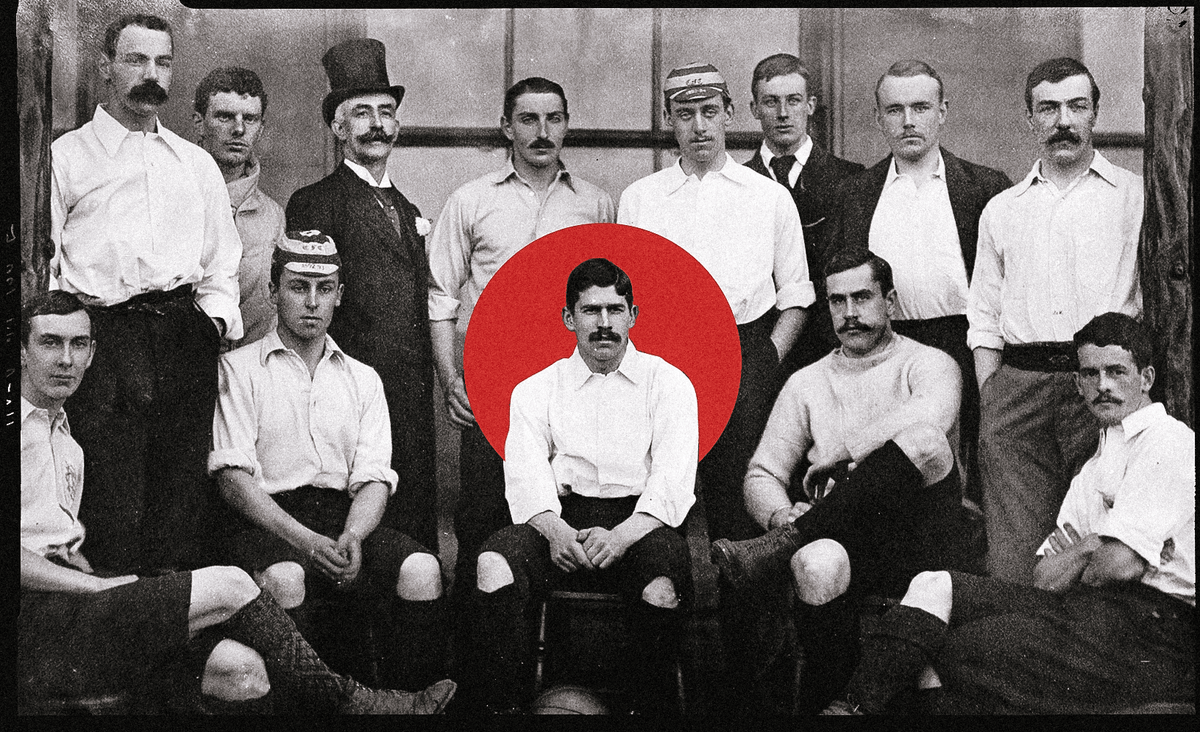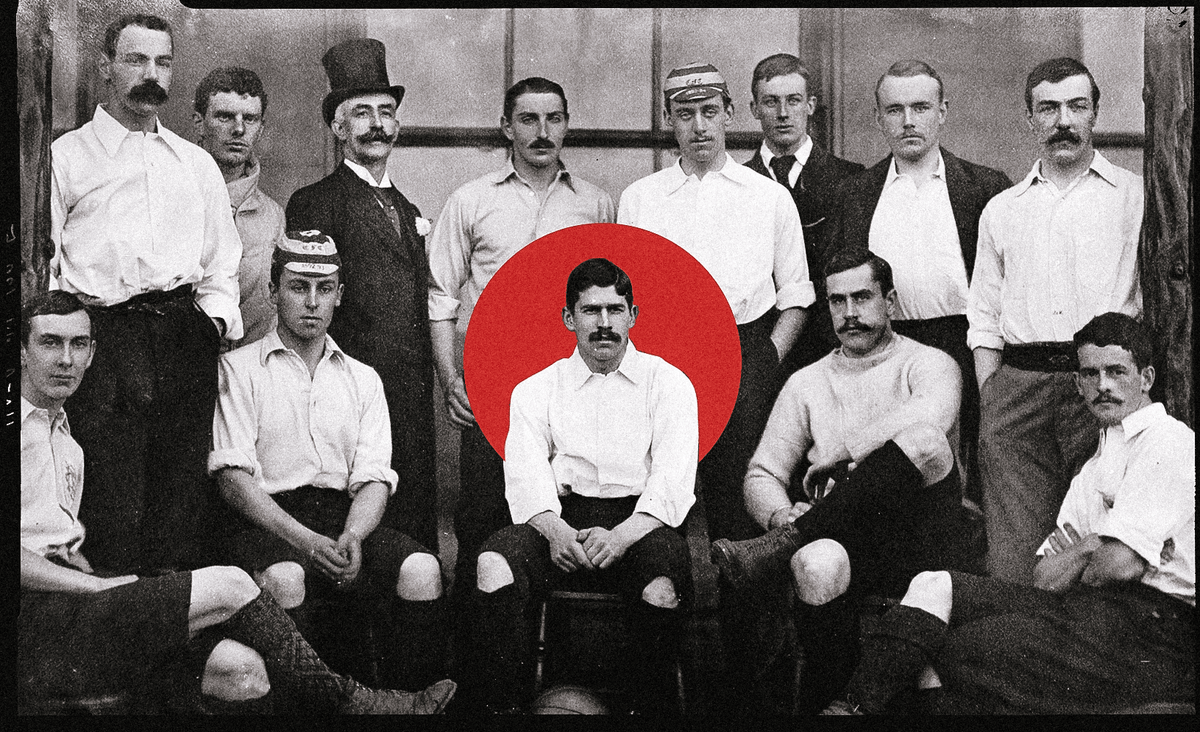
The word ‘soccer’ remains at the heart of one of the most enduring, if comparatively low-key and petty fronts of the culture war.At its most basic level, it’s a transatlantic disagreement over language, but there seems to be more to it than that. The most basic and probably most sensible point of view is that it’s simply one country — America, though there are others — using a word to differentiate one extremely popular sport from a slightly less popular sport.But use the word in the wrong context — which is to say, ‘in England’ — and you can expect paroxysms of disgust from people who seem to think it represents something much deeper. These people are, admittedly, those who are far too easily outraged (check their sent email files and there’s a reasonable chance they have also complained to a TV station about a newsreader not wearing a tie), but it seems like these people think of this as somehow chipping away at the identity of the game, and even themselves. It’s an Americanism, as everyone knows, and this is apparently something to be suspicious of.If you look on Etsy (surely the great battleground for any sporting culture war), you can find merchandise on either side: in one corner, a T-shirt with the slogan, ‘It’s football, not soccer’, in the other a hoodie proclaiming, ‘It’s called soccer’, complete with suitably patriotic Star-Spangled Banner.It’s a curious thing. As Stefan Szymanski and Silke-Maria Weineck wrote in their book It’s Football, Not Soccer (And Vice Versa), “In general, transatlantic relations have remained peaceful when it comes to sweaters and jumpers, trucks and lorries, boots and trunks, or pants and trousers. Americans get to marvel at the quaintness of the English, the English get to take joy at the Americans’ failure to master basic vocabulary. Everybody is happy. Except when it comes to soccer. Why does this word generate such vitriol?”The quick answer is that some people will get outraged about anything. Perhaps more interesting is to look into the story of how the word ‘soccer’ came into being, which is a bit more detailed than you might think.You probably already know the basics. These days, it is viewed as an Americanism (and also used in Australia, Canada and a few other countries whose own version of football dominates the collective consciousness) but the word soccer came from England at some point in the 1800s. Then, there were two types of football: rugby football and association football, and ‘soccer’ comes from a contraction of the latter, to differentiate it from the former.Every position in soccer explainedTifo SportsBut where did that contraction originate? It’s hard to say exactly how the word came into being, but the most common origin tale comes, as with many things in England in the 1800s, from private schools.The story goes that a student and amateur footballer called Charles Wreford-Brown (who would go on to be a relatively senior figure at the Football Association) was having breakfast at Oriel College, part of Oxford University. The English have a habit of essentially giving nicknames to nouns by adding ‘er’ onto the end, or by contracting the word and then adding the ‘er’, with the colloquial word for a five-pound note (‘fiver’) acting as a good example.
Why does America call it soccer? Where does the word come from?
While 'soccer' is used to differentiate between two popular sports in America, it originated at a prestigious British university
1,530 words~7 min read