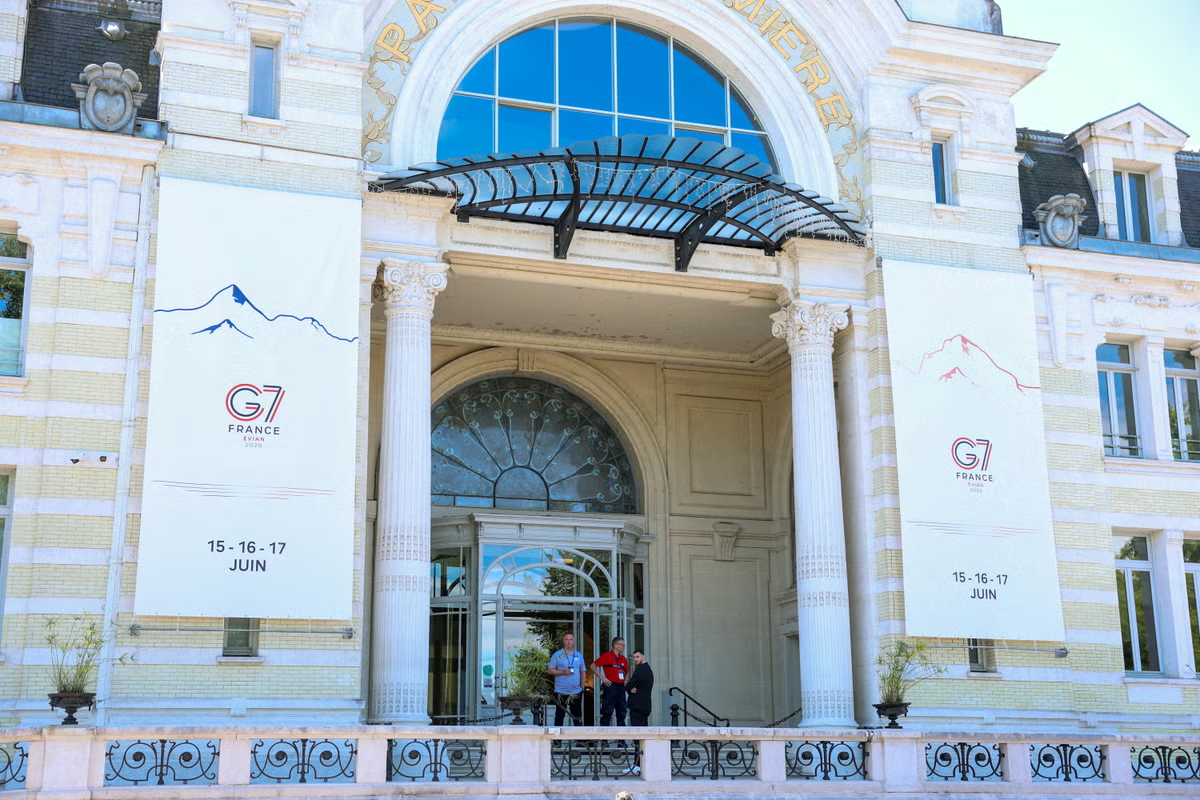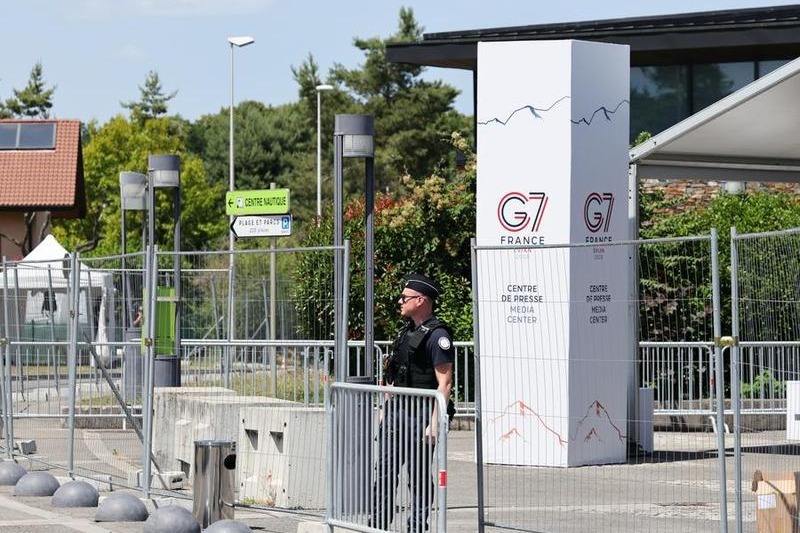
A security member is seen near the G7 summit International Media Centre in Publier, France, June 15, 2026. [Photo/Xinhua]
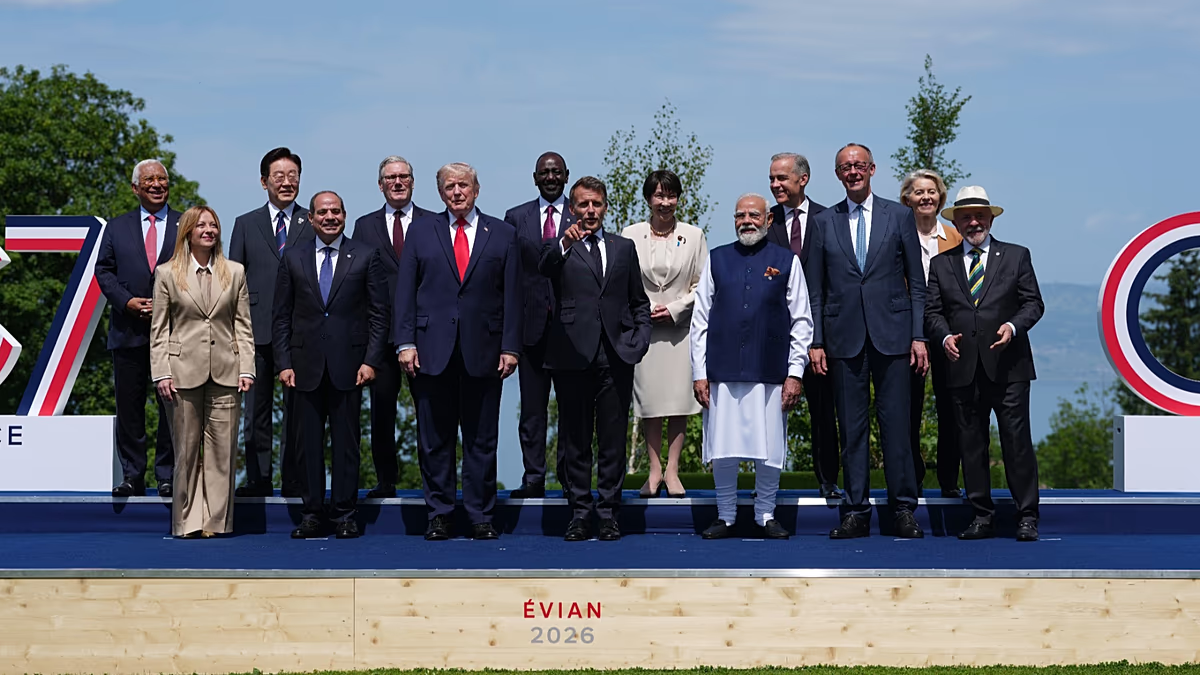
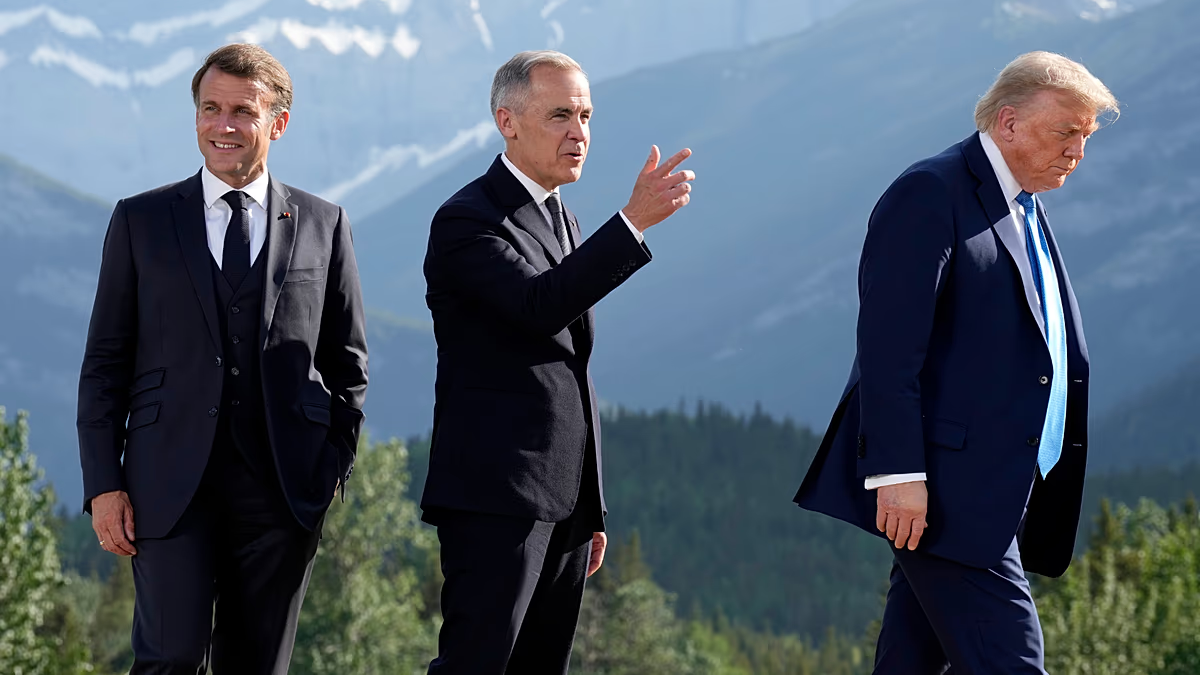
The ongoing summit of the Group of Seven nations in Evian-les-Bains, France, has been marked by visible tensions between the United States and Europe, a situation that has the potential to weaken the grouping's global influence and reduce its ability to shape international affairs, experts said.
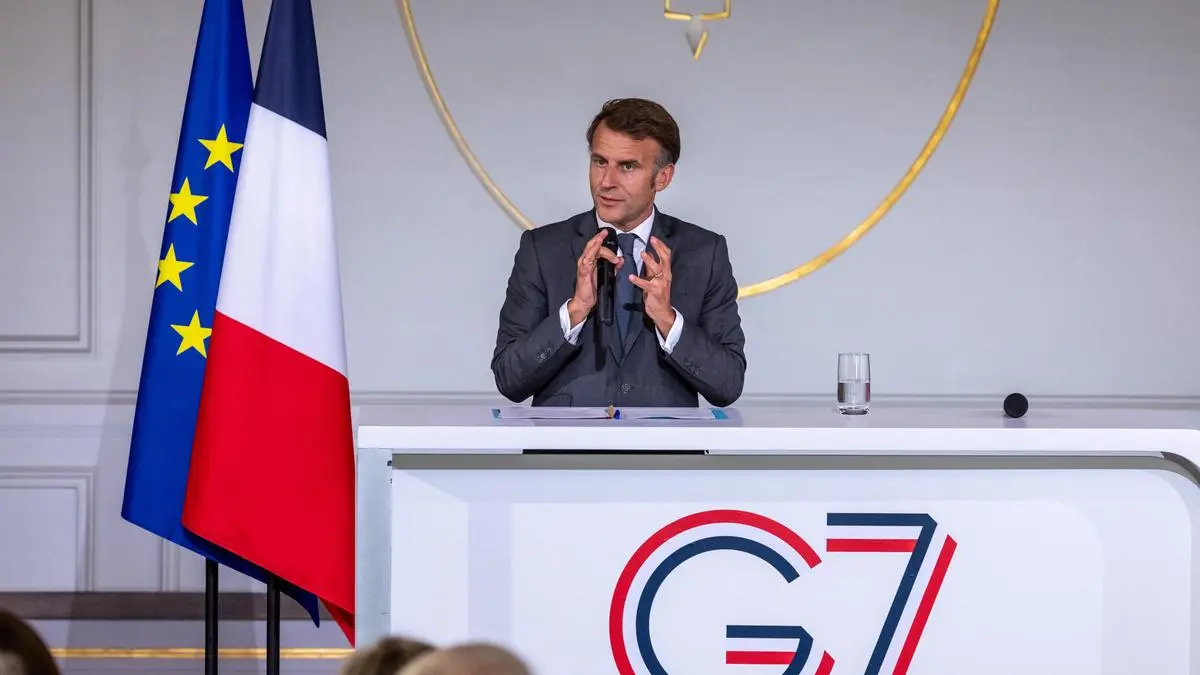
On Monday, US President Donald Trump threatened to impose 100 percent tariff on French champagne and wine unless France abolished its 3 percent digital services tax on major US technology companies. French President Emmanuel Macron responded by calling for "firm" and "respectful" discussions, stressing that Washington and Brussels had already reached a tariff agreement and that stability should now be the priority.
"Tariffs do no one any good, including the United States," Macron told the media.
Jian Junbo, director of Fudan University's Center for China-Europe Relations, pointed out that average tariff levels between the US and Europe have historically remained relatively low, generally around 1 to 2 percent for many industrial goods. Under the new framework, however, tariffs on a large share of EU exports to the US could rise to around 15 percent.