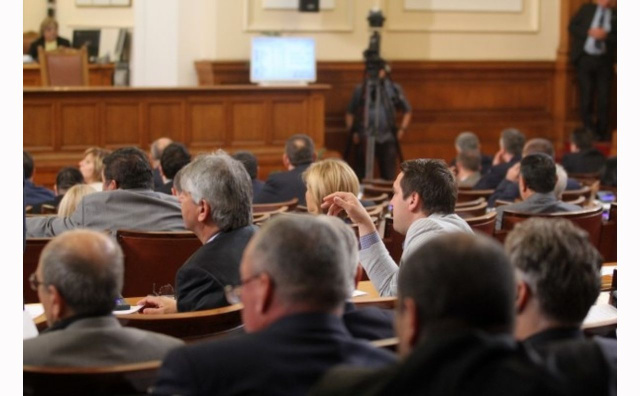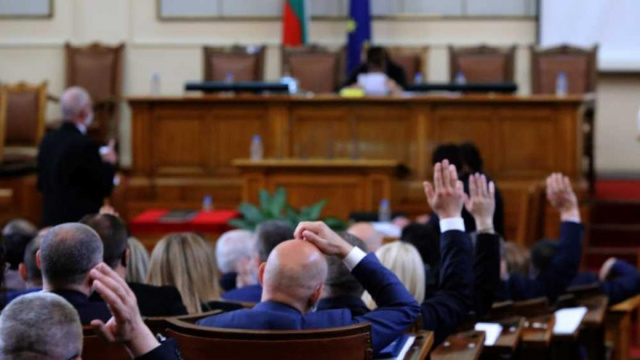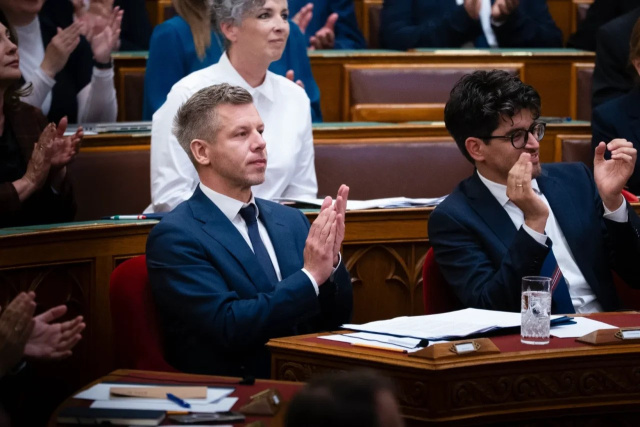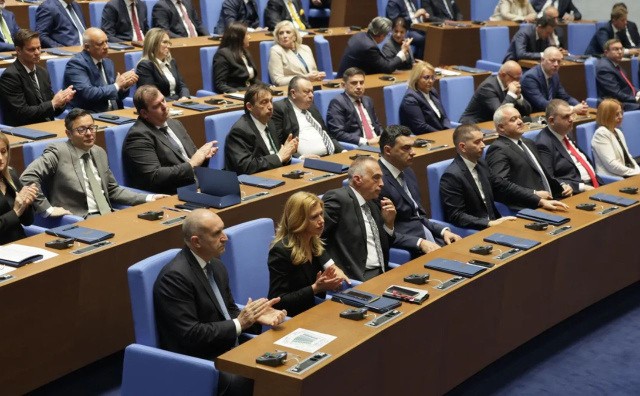
Bulgarian lawmakers voted to freeze their own pay, ending the system of quarterly automatic adjustments tied to public sector wages. The decision was adopted in parliament with a large majority and no plenary debate, effectively locking MPs’ salaries at current levels.
A total of 193 MPs supported the proposal submitted by Petar Vitanov, head of the Progressive Bulgaria parliamentary group, through an amendment to the National Assembly’s rules of procedure. The move comes shortly after MPs had already benefited from a recent indexation increase before the freeze was introduced.
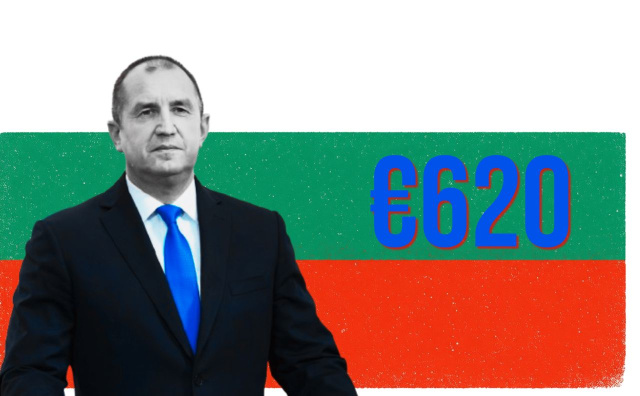
Under the new arrangement, the basic monthly salary of MPs is set at three times the average wage in the public sector, based on National Statistical Institute data for March 2026. That figure places the fixed monthly remuneration at €4,236, calculated from an average public sector salary of €1,412.
Parliamentary rules previously allowed salaries to rise automatically every quarter in line with changes in public sector earnings. The new decision ends that mechanism, although future adjustments may still be made if explicitly approved under the state budget framework.
MPs also plan to review the broader system of automatic indexation across the public sector. According to government discussions, the aim is to introduce a more unified income policy to prevent regular, formula-based pay increases.