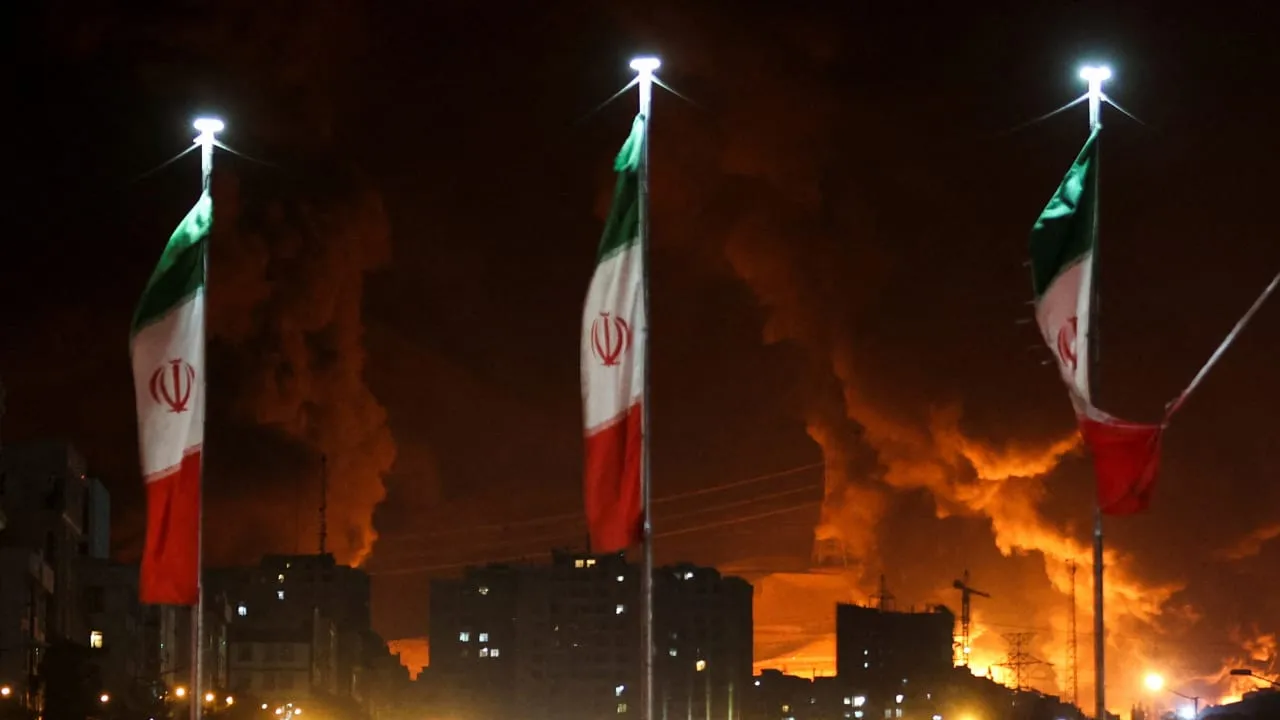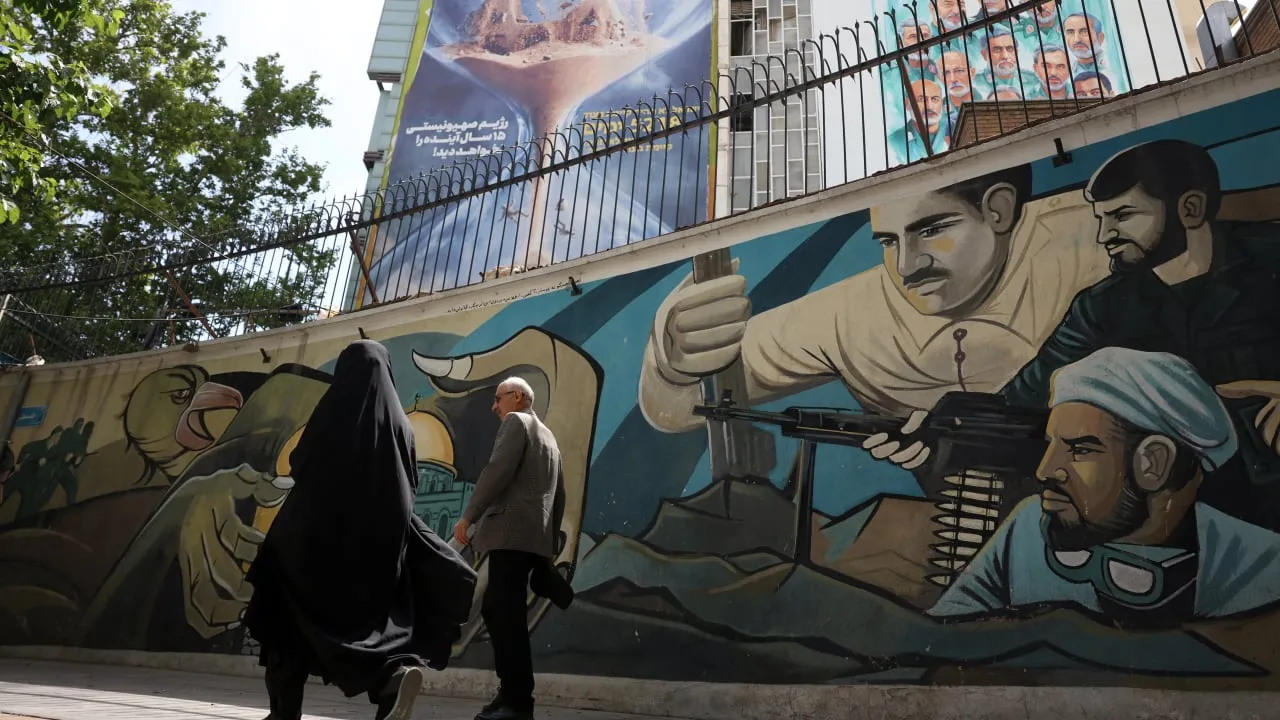
The cease-fire agreement reached between Washington and Tehran following the war that erupted on Feb. 28 has left Israel in an increasingly uncomfortable position. While debates over the durability and sustainability of this deal continue to dominate regional discourse, Tel Aviv is watching the process unfold not as a neutral observer, but as a party that feels directly wronged. For Israel, this is not merely a diplomatic setback. It represents something far more consequential: a public admission that its core strategic objectives against Iran have not been achieved.
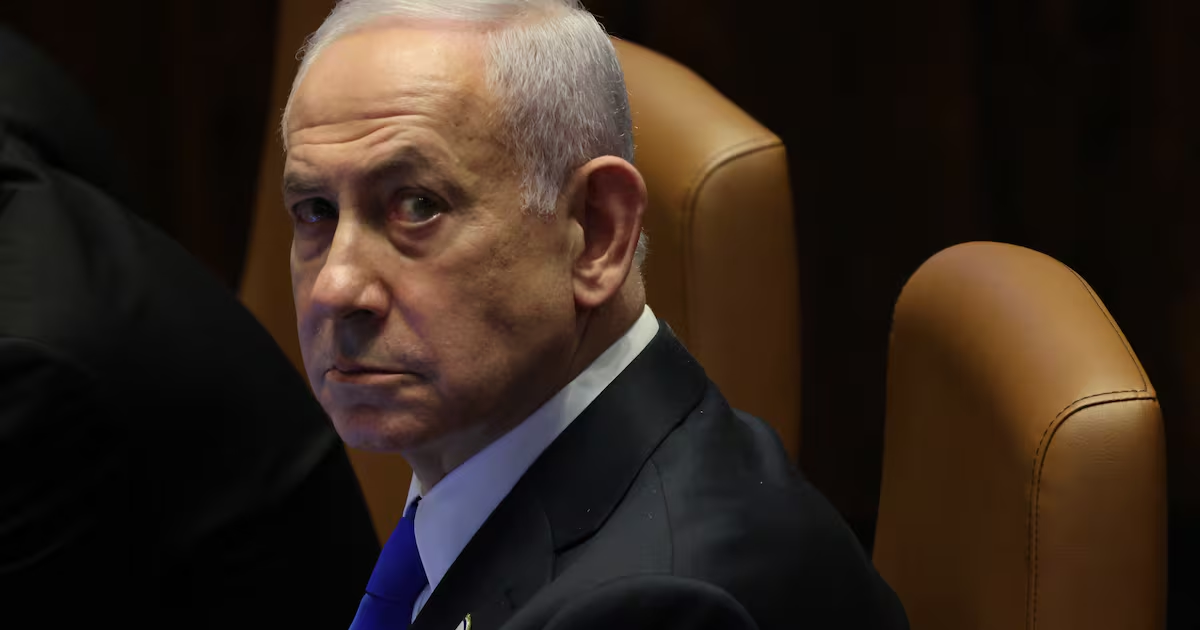
Israel's reaction to the deal has been blunt and unambiguous. The Netanyahu government has made no effort to conceal its opposition, viewing the agreement not as an imperfect compromise but as a de facto defeat. Israel had argued that the war must continue until it produced decisive, irreversible results against the Iranian regime. In Tel Aviv's reading, a cease-fire that leaves Iran standing is not a pause in the conflict; it is a victory for Tehran. The war that Israel wanted to use as a transformative moment for the region ended before the transformation could take hold.
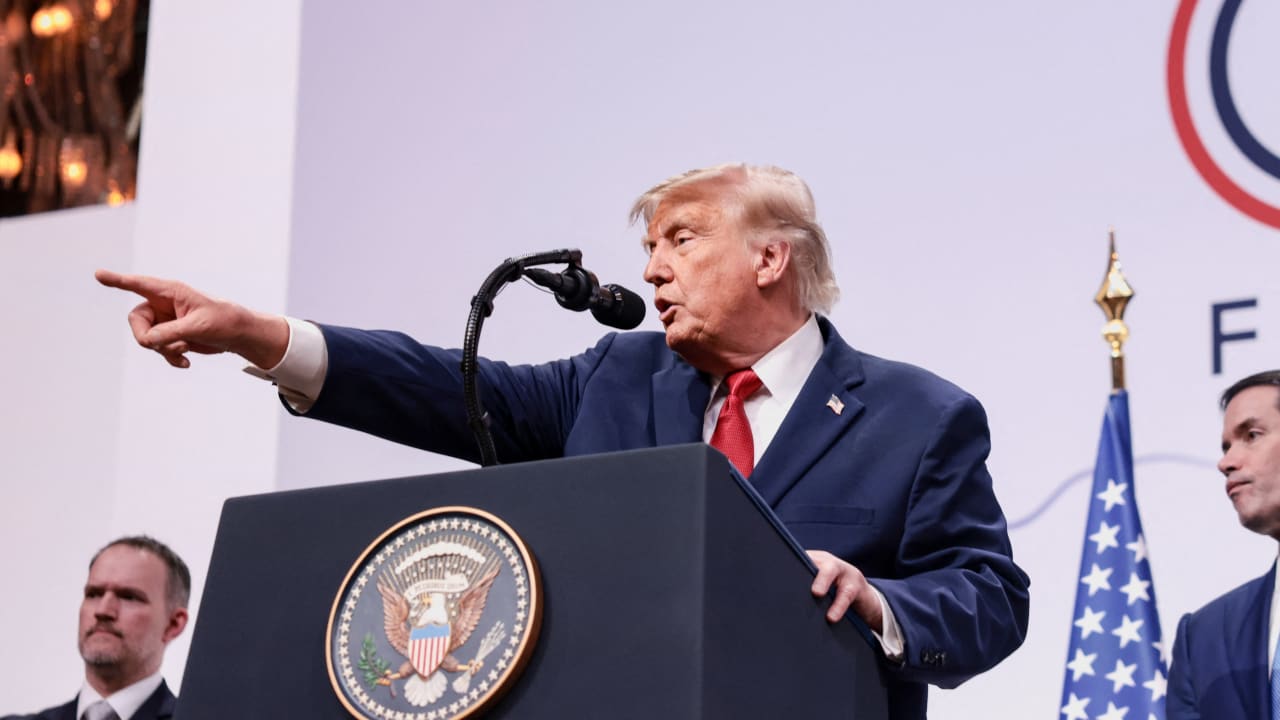
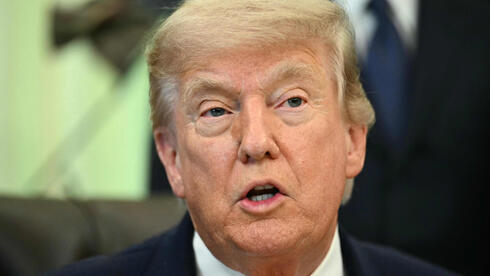
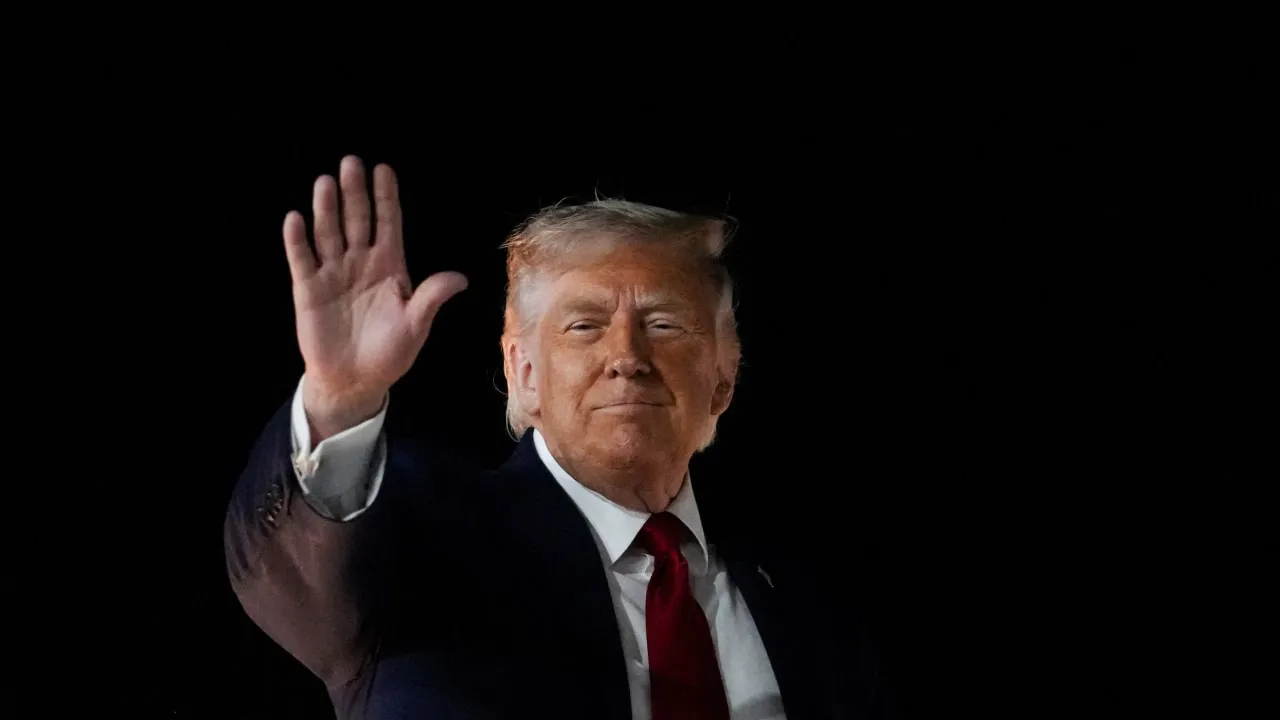
What makes Israel's predicament even more acute is the failure of its fallback option. Striking Hezbollah in Lebanon to provoke Iran and reignite the broader conflict had long been a card in Israel's strategic hand. That card, however, has now been rendered largely unplayable. The stance adopted by Washington, and by President Donald Trump specifically, has made clear that the United States will not tolerate Israeli escalation that undermines a deal it brokered.