Audio By Vocalize
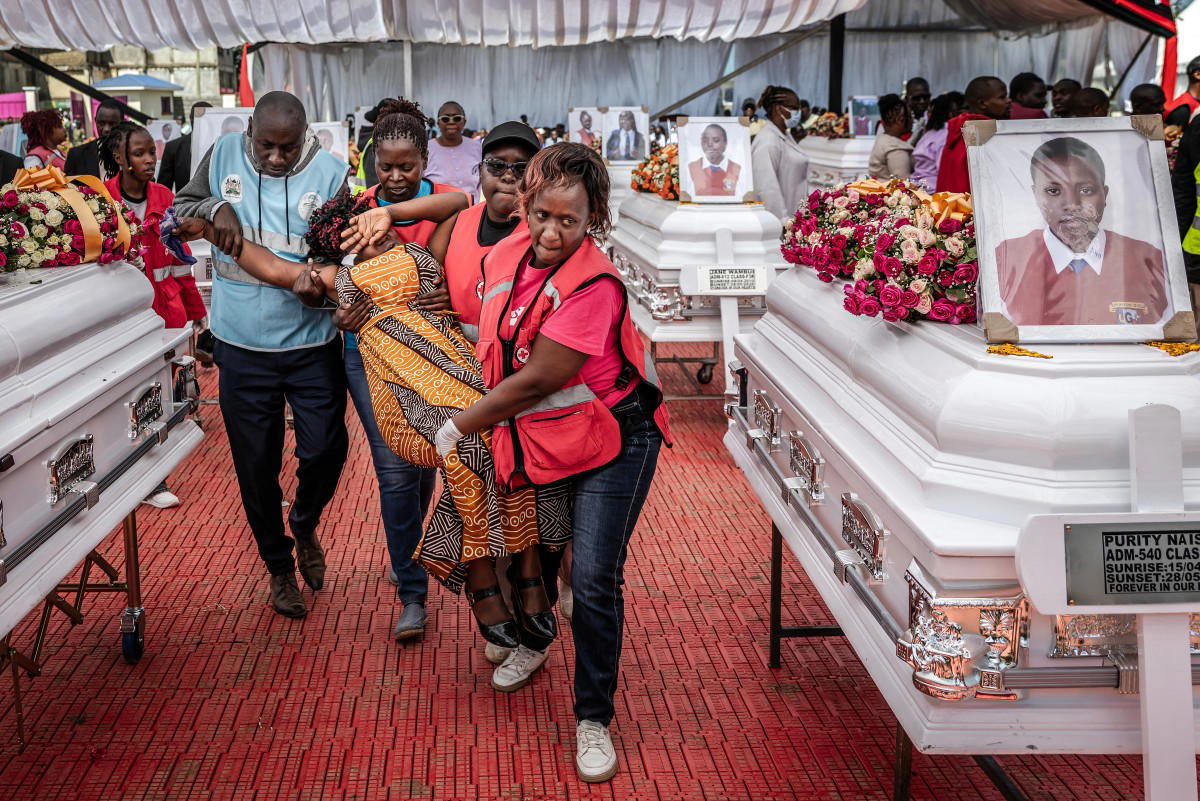
A dormitory that was set on fire in Utumishi Girls Academy, Gilgil. [File, Standard]
The tragic event at Utumishi Academy has once again exposed a troubling national habit: When disaster strikes in schools, teachers become the first suspects. Before investigations are concluded, public discourse shifts from seeking facts to finding individuals to blame. Yet history, research and common sense suggest that such an approach rarely delivers justice or lasting solutions.
Sociologist Stanley Cohen's theory of moral panic helps explain this phenomenon. In times of public fear and uncertainty, societies often search for easily identifiable groups to blame. These "folk devils" become convenient targets for public anger, allowing deeper systemic failures to escape scrutiny. In Kenya's education sector, teachers have increasingly become those convenient targets.
History offers several examples. Following school tragedies around the world, investigations have often revealed complex institutional failures rather than the negligence of a single individual. After the 1999 Columbine High School shooting in the United States, attention initially focused on teachers and school administrators. However subsequent investigations highlighted broader issues including mental health challenges, gaps in threat assessment systems and societal factors beyond the school's control. Similar lessons emerged after the 2007 Virginia Tech shooting where institutional communication failures and systemic shortcomings received as much attention as individual actions.