Audio By Vocalize
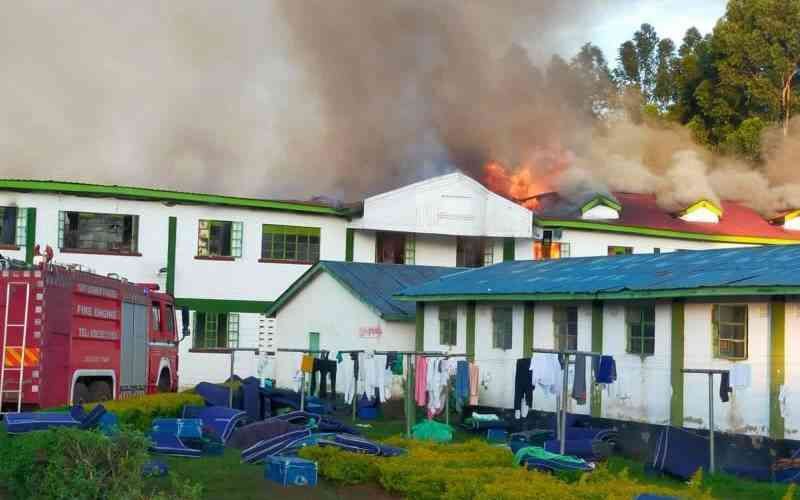
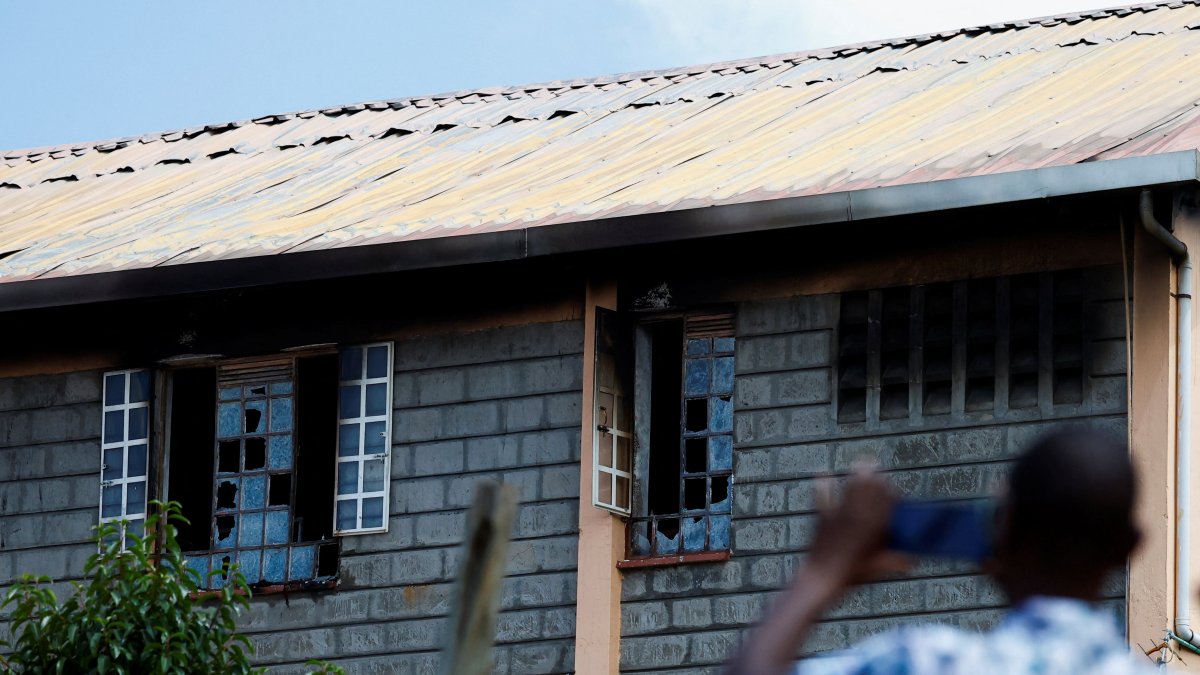
The dormitory that was damaged by fire at Utumishi Girls Academy in Gilgil, Nakuru county, on May 28, 2026. [Julius Chepkwony, Standard]
Kenya is mourning, again! Another dormitory. Another inferno. Another group of children trapped between flames and locked exits. Another morning of parents standing outside school gates praying that the body covered with a sheet is not that of their daughter. This time, it is Utumishi Girls Academy in Gilgil.
At least 16 students are dead. Dozens are nursing injuries after a fire tore through a dormitory in the wee hours on Thursday May 28, 2026. Survivors say some girls jumped from upper floors to escape the flames. Parents speak of confusion, panic and emergency exits that may not have opened in time. The country is once again asking the same painful question, how many children must die before Kenyan schools become safe? And perhaps the more uncomfortable question is, when did schools stop being centres of learning and become death traps?
The tragedy at Utumishi Girls is not an isolated incident. It is becoming a tragic pattern Kenyans know too well. In September 2001, the Kyanguli Secondary School fire in Machakos shocked the nation after 67 boys were burnt alive in one of the worst school tragedies in Kenya’s history. The images were horrifying. Charred beds. Melted iron sheets. Parents collapsing in grief. The country promised never again.