AI adoption was everywhere at London Tech Week 2026: in the keynotes, the breakout sessions, and the conversations between talks. So was the usual hiring agenda: curiosity, adaptability, T-shaped professionals, engineers with business sense. I took notes, nodded along, and heard plenty I’d expected. What I hadn’t expected was a recurring thread across multiple sessions: what the smartest companies had decided not to do with AI, and why.
The leaders who stood out weren’t the ones talking about which skills they were looking for. They were the ones asking a harder question: not which skills to hire for, but what happens to the people you already have.
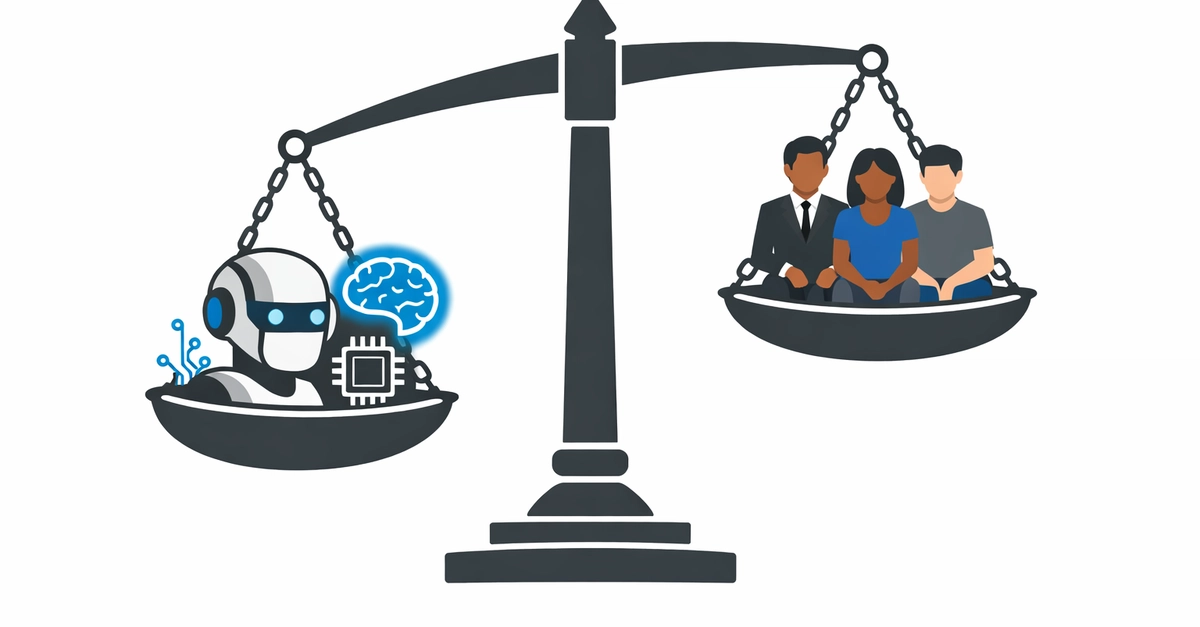
The obvious move, when AI can demonstrably do the work of several people, is to reduce headcount. The logic is clean: same output, lower payroll, better margins. Plenty of companies are making exactly this calculation. But the leaders who gave me pause were the ones arguing the opposite: that committing to no AI-driven redundancies wasn’t just the ethical choice, it was the strategic one.
Their reasoning was straightforward. If your engineers suspect that every productivity gain they unlock is a step toward their own redundancy, they will stop unlocking productivity gains. Not consciously, perhaps, but the instinct for self-preservation is hard to override with a company memo about embracing change. Fear produces compliance, not curiosity. And curiosity, as every leader at the event was keen to stress, is the thing they most want and find hardest to hire for.