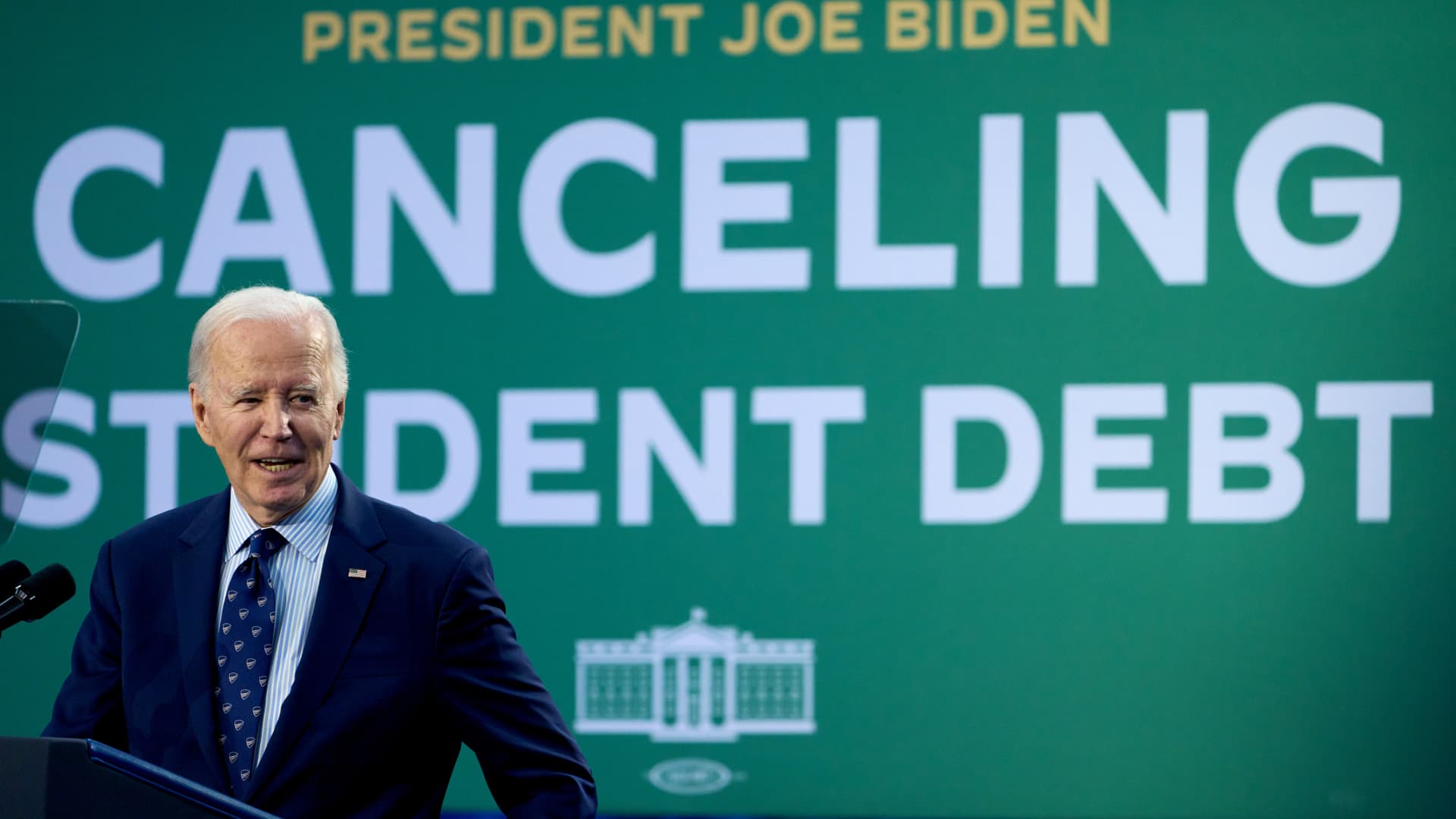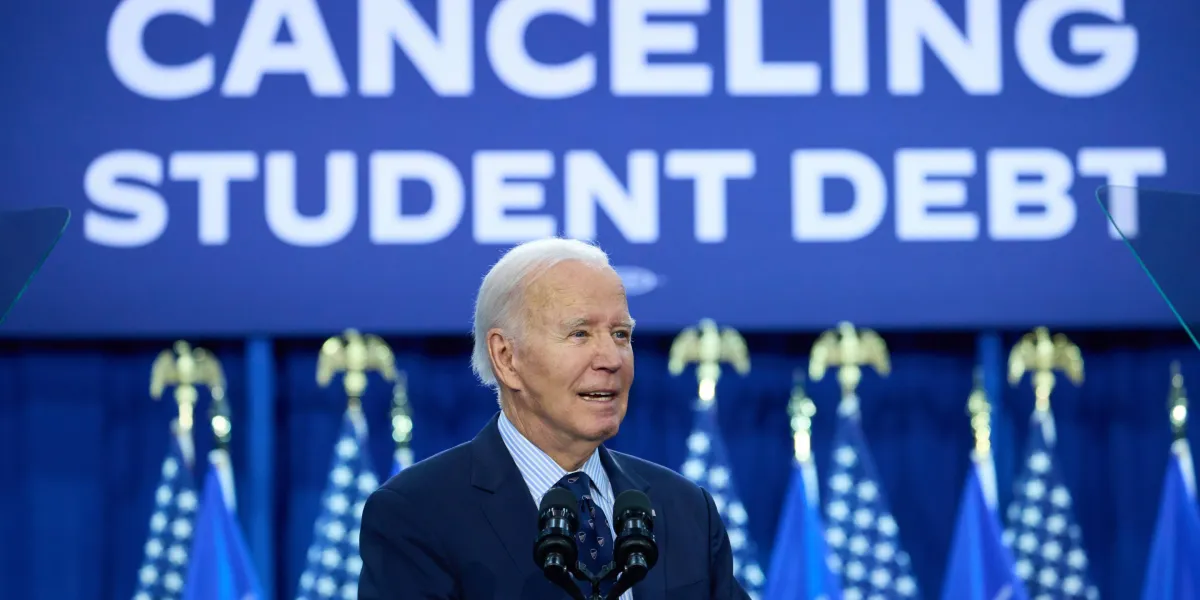
When President Joe Biden announced in August 2022 the federal student loan payment pause would be extended one “final” time, millions of borrowers took him at his word. Then he extended it again. And again. By the time payments actually resumed in October 2023, some borrowers had gone years without making a single payment, convinced forgiveness was imminent—while others took him at his word and paid aggressively, thinking it was indeed the “final” time.
That flip-flopping forced American federal student loan holders to go through a rollercoaster of emotions at the time, and now, researchers have put a real financial cost to it too.
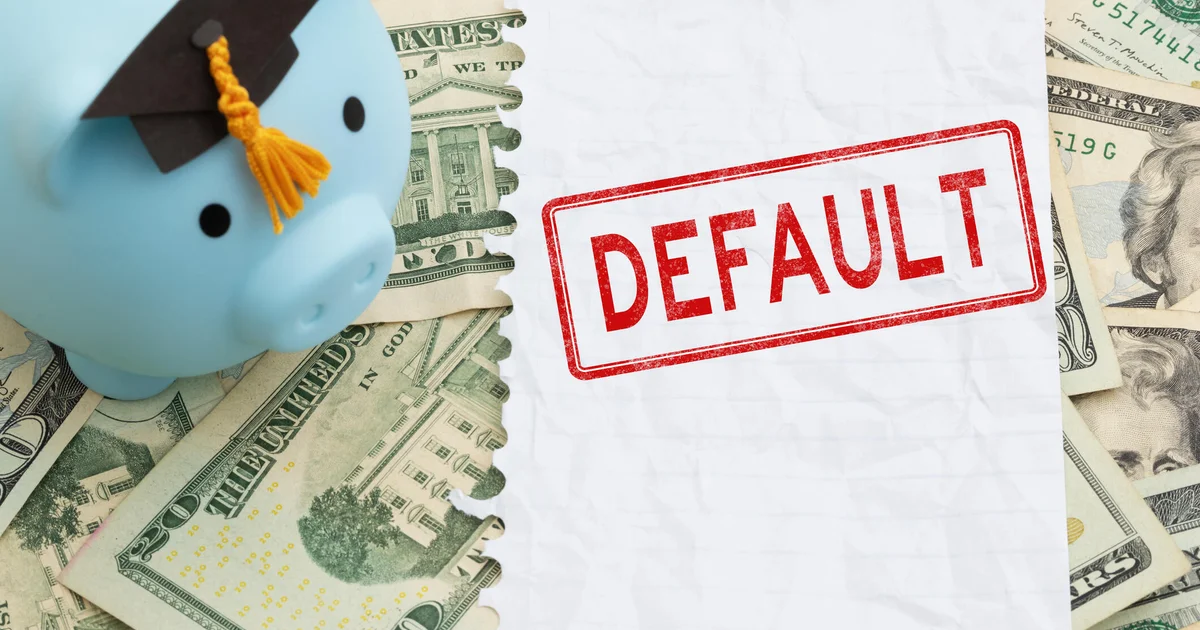
Borrowers who believed Biden’s repeated promises of relief were 7.5 percentage points more likely to be 90 days past due on their loans by May 2025, according to new research from the National Bureau of Economic Research. The finding, drawn from a study linking survey data on borrower beliefs to credit bureau records, puts a precise number on the financial damage inflicted by years of government policy whiplash on student debt.
“There are very real costs for consumers of politicians flip-flopping,” said Constantine Yannelis, an economist at the University of Cambridge and one of the paper’s co-authors. “If consumers take actions based on beliefs that are not actually true because of mistaken policy promises, they may engage in financial planning that actually turns out not to be in their best interest.”