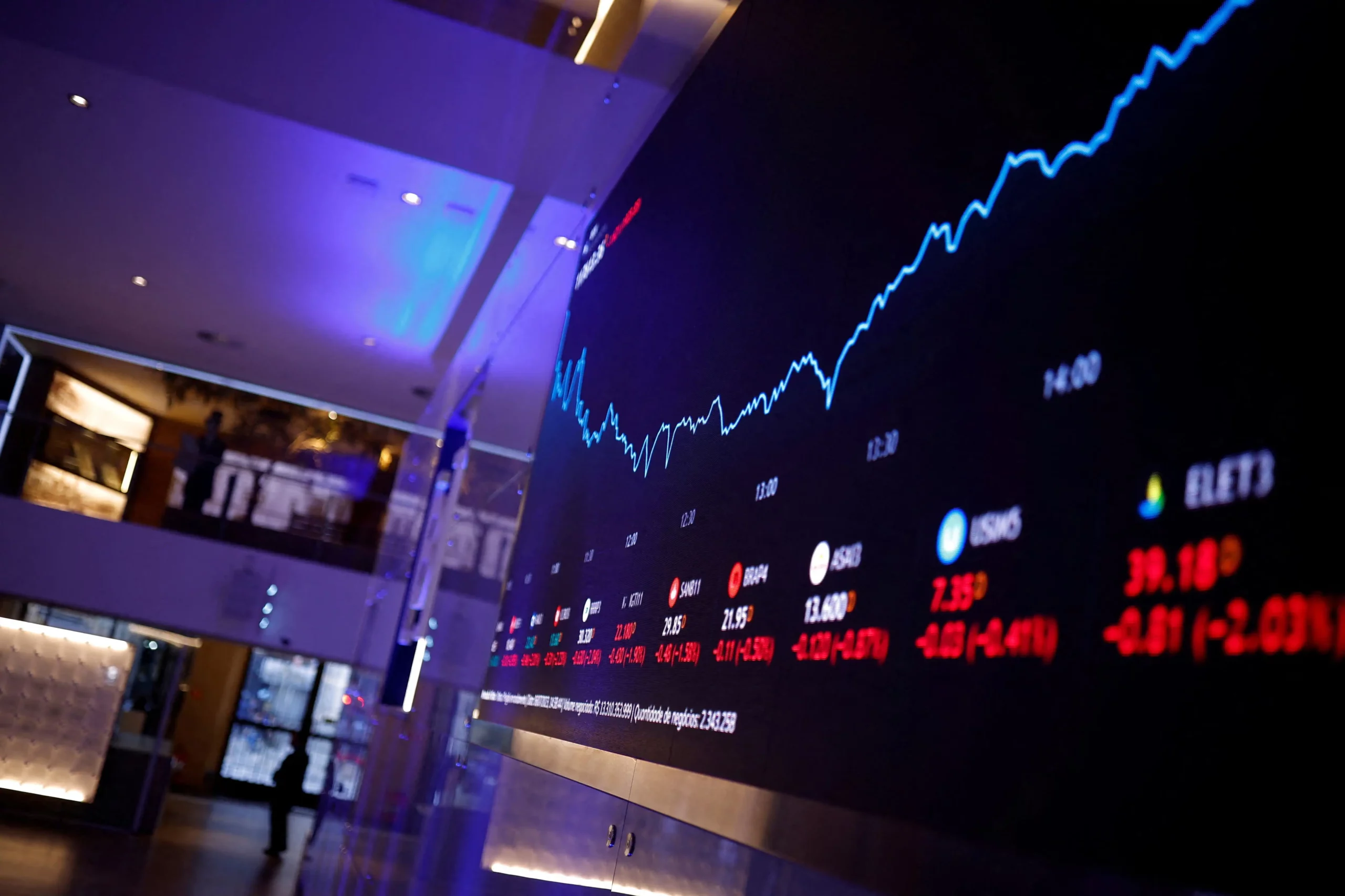
Amazon.com shares are experiencing downward pressure. What’s pulling AMZN shares down?
Growth Stocks Face Valuation PressureThe central bank held the federal funds rate steady at 3.50%-3.75%, but the accompanying Summary of Economic Projections surprised traders by signaling one rate hike later this year, a pivot from previous expectations of a cut.Economic Outlook And Inflation ConcernsFurthermore, the Fed's updated outlook projects higher inflation and a lower unemployment rate, suggesting that borrowing costs may remain elevated for longer than the market previously anticipated. For a capital-intensive giant like Amazon, sustained high interest rates raise financing costs and may dampen consumer discretionary spending, a core pillar of its retail and cloud computing revenue streams. With all eyes now on Chair Kevin Warsh's first press conference, the market is bracing for further clarity on the Fed's inflation tolerance and the path for future rates.Critical Moving Averages Levels To Watch For AMZNAmazon is now trading 6.3% below its 20-day SMA ($255.40) and 6.6% below its 50-day SMA ($256.16), which keeps the near-term trend pointed down despite the stock still holding above the longer-term 200-day SMA ($232.67). The 20-day SMA sitting below the 50-day SMA reinforces that the recent downswing has had enough duration to tilt short-term trend signals bearish.MACD is the cleaner momentum read right now: it's below its signal line and the histogram is negative, which tells traders upside pressure is fading versus the prior upswing unless momentum can re-accelerate. In plain terms, MACD compares faster and slower trend momentum, and being below the signal line often shows buyers are losing control in the near term.The bigger-picture trend is still trying to stabilize after the golden cross in May (50-day moving above the 200-day), but price action since the May swing high has been choppy and mean-reverting. If the stock can't reclaim the 20-day/50-day area, traders often start focusing on whether the 200-day zone becomes the next "line in the sand."