Regulations
Creating a functioning mineral exchange requires building the necessary infrastructure, trading systems and market confidence, which analysts say could take longer than the time remaining until the targeted Jan. 1 rollout.
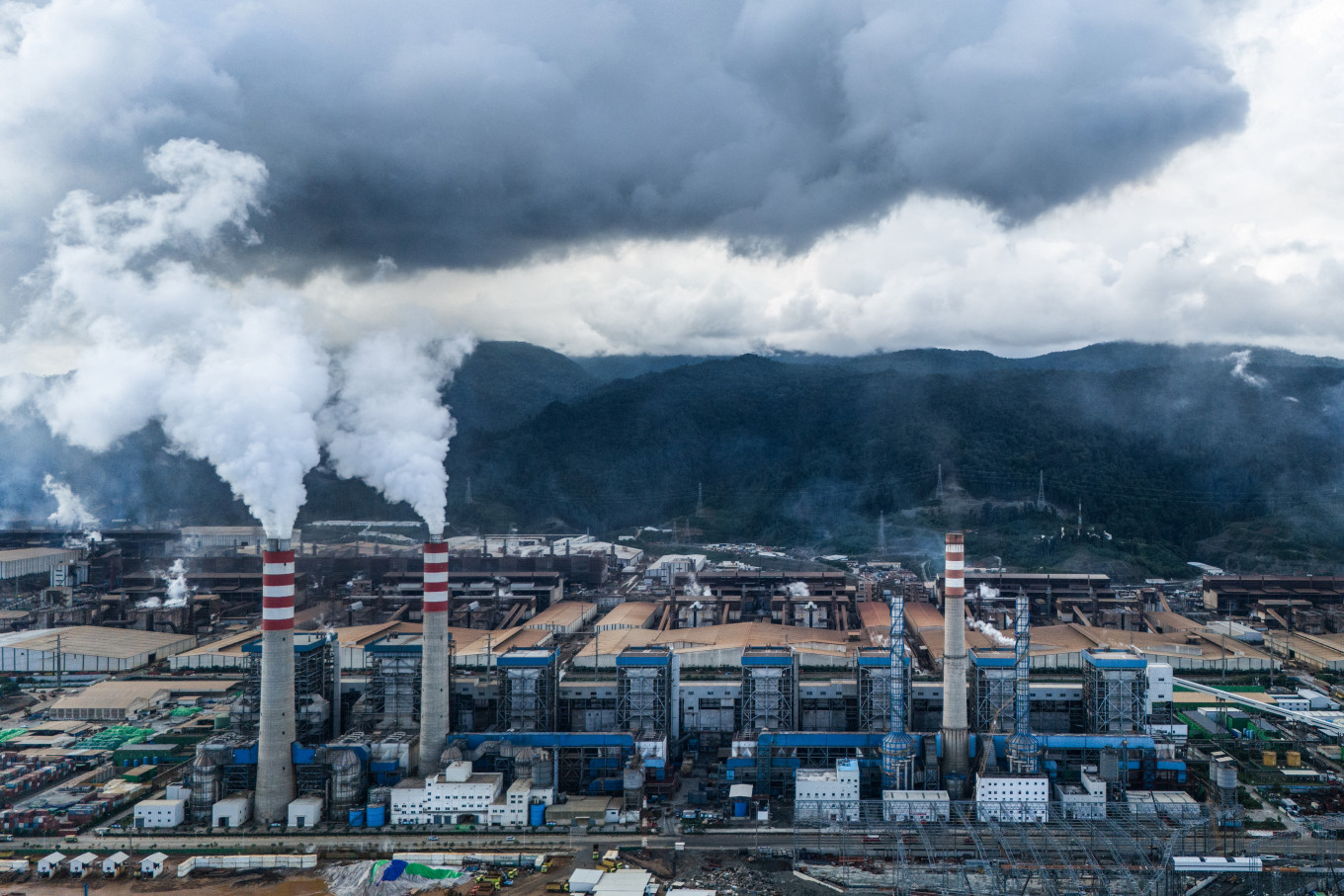
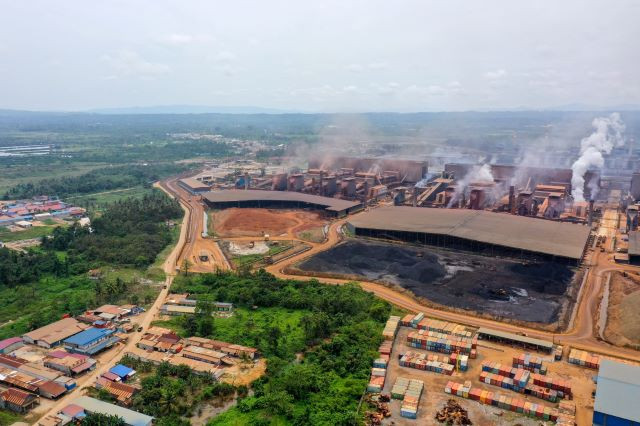
Steam and other emissions rise on Feb. 10, 2023, from a nickel smelter operated by Chinese miner Virtue Dragon Nickel Industry (VDNI) in Morosi, Southeast Sulawesi. (AFP/Adek Berry)
The government’s aim to establish a new mineral and strategic commodities exchange in less than a year promises to strengthen Indonesia’s position as a key global exporter, but analysts stress that the plan needs more time to build credibility and strong market foundations.The domestic exchange is set to operate under the supervision of the Financial Services Authority (OJK) as mandated by the newly revised Financial Sector Development and Strengthening Law (P2SK) enacted on June 4, and is intended to serve as a broader price discovery platform for strategic commodities such as coal and nickel.
This is different from existing bourses such as the privately owned Indonesia Commodity & Derivatives Exchange (ICDX), which primarily facilitates futures trading and is overseen by the Commodity Futures Trading Regulatory Agency (Bappebti).