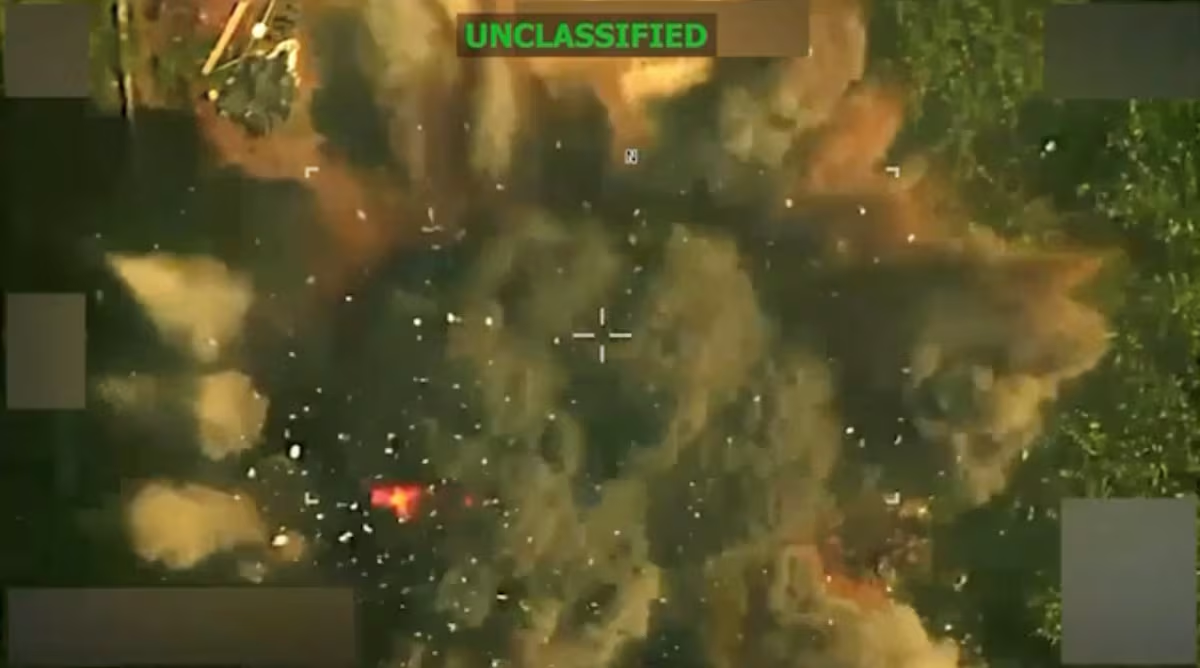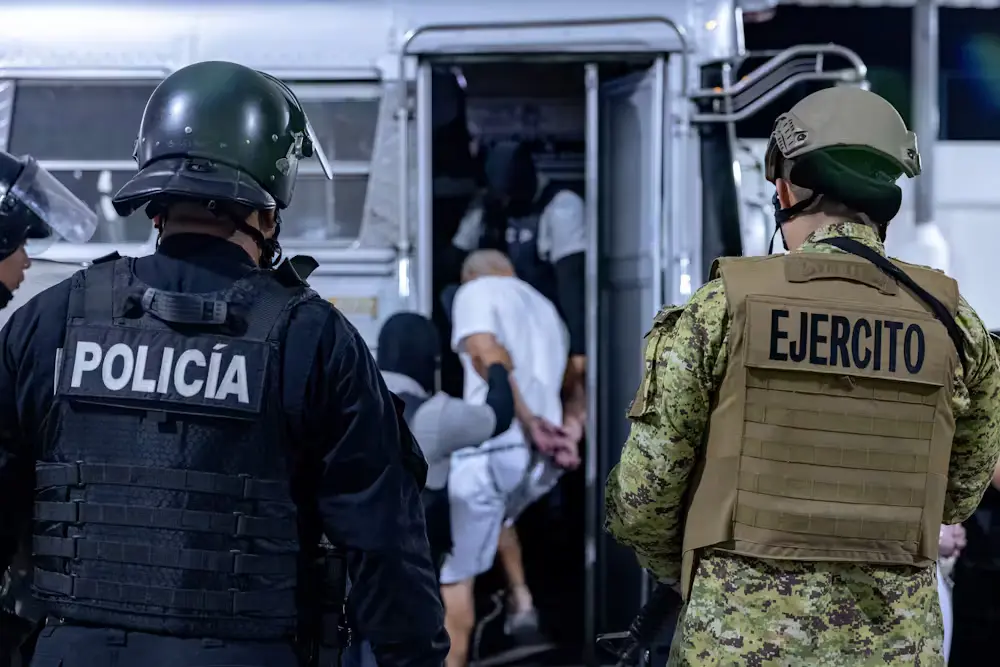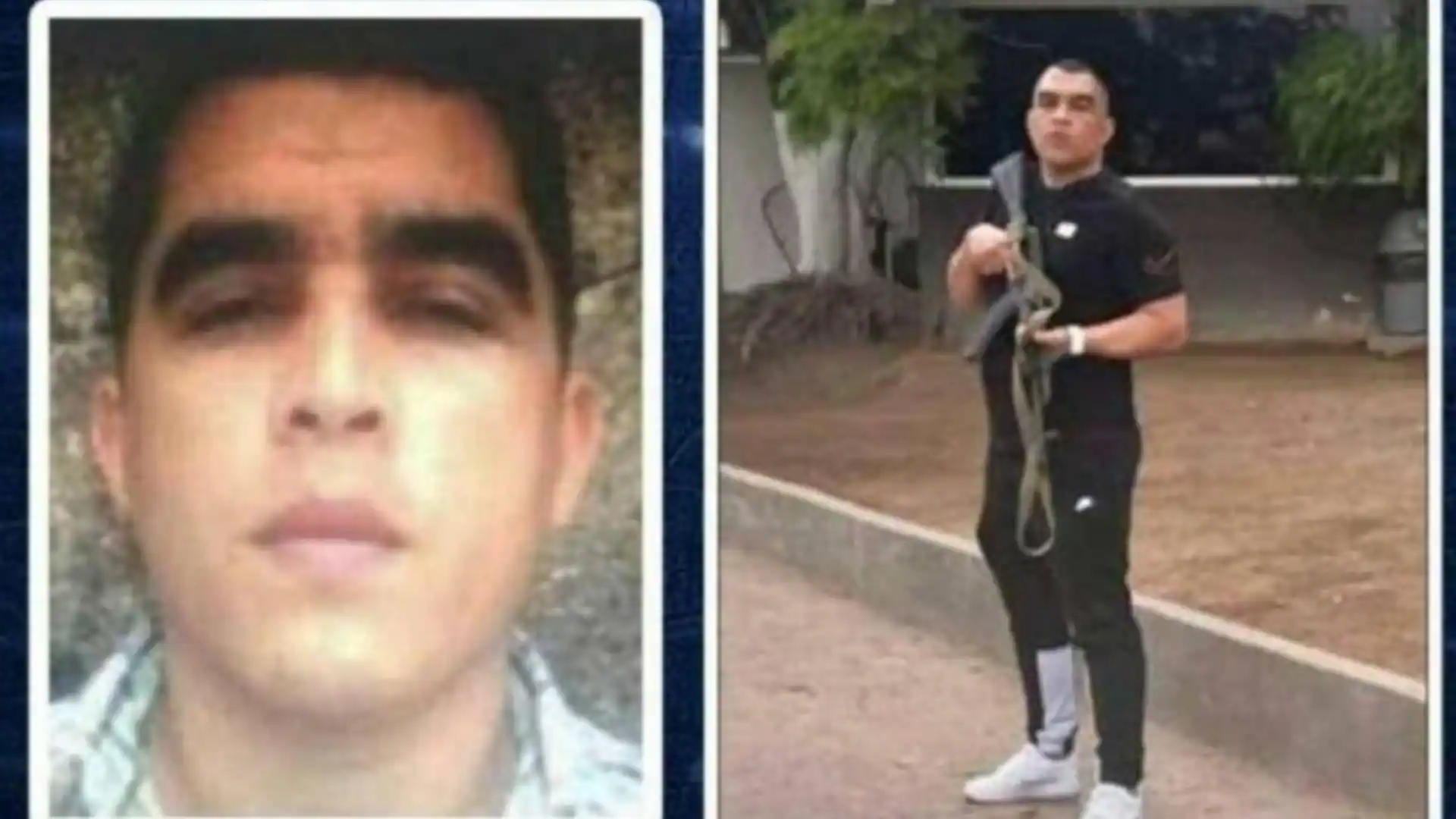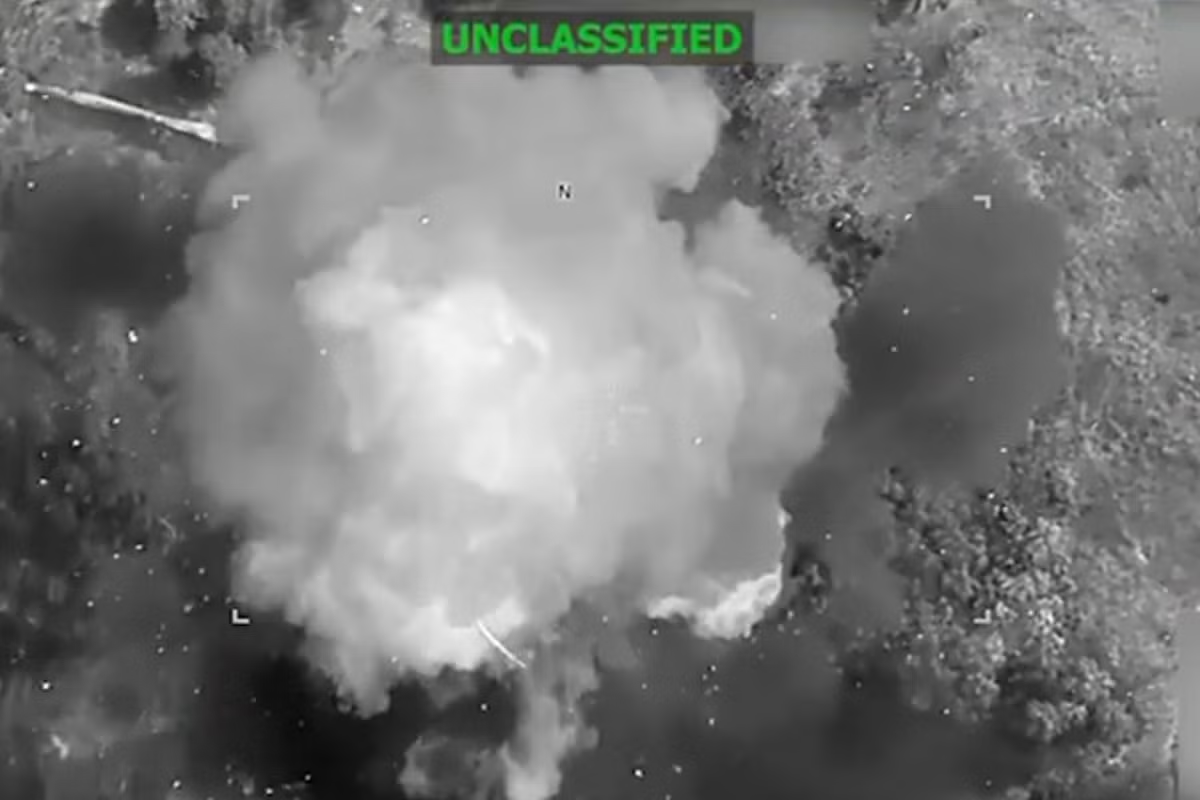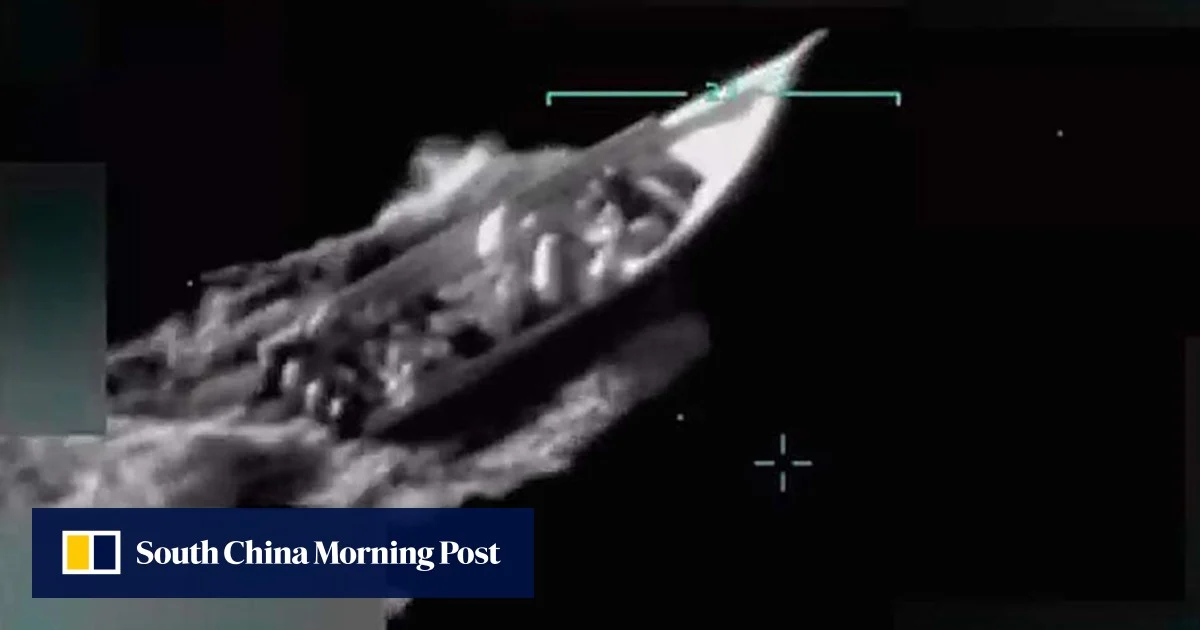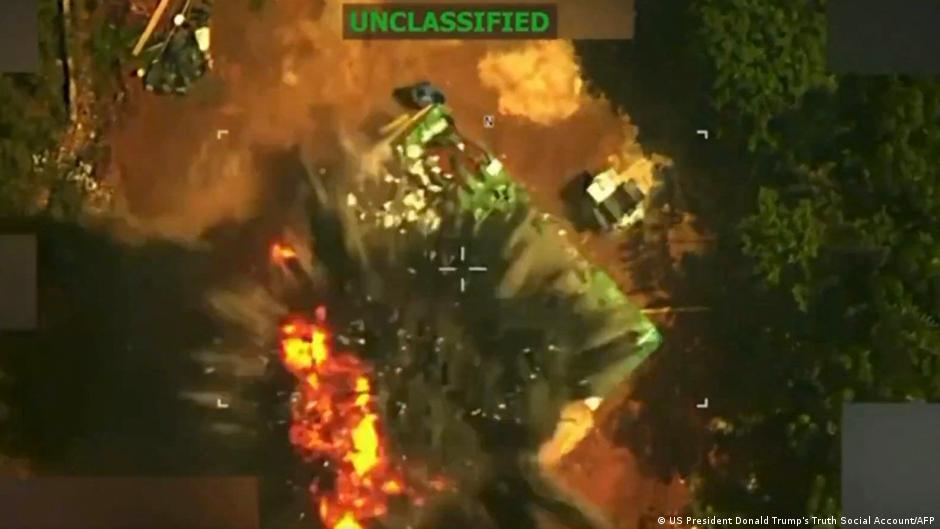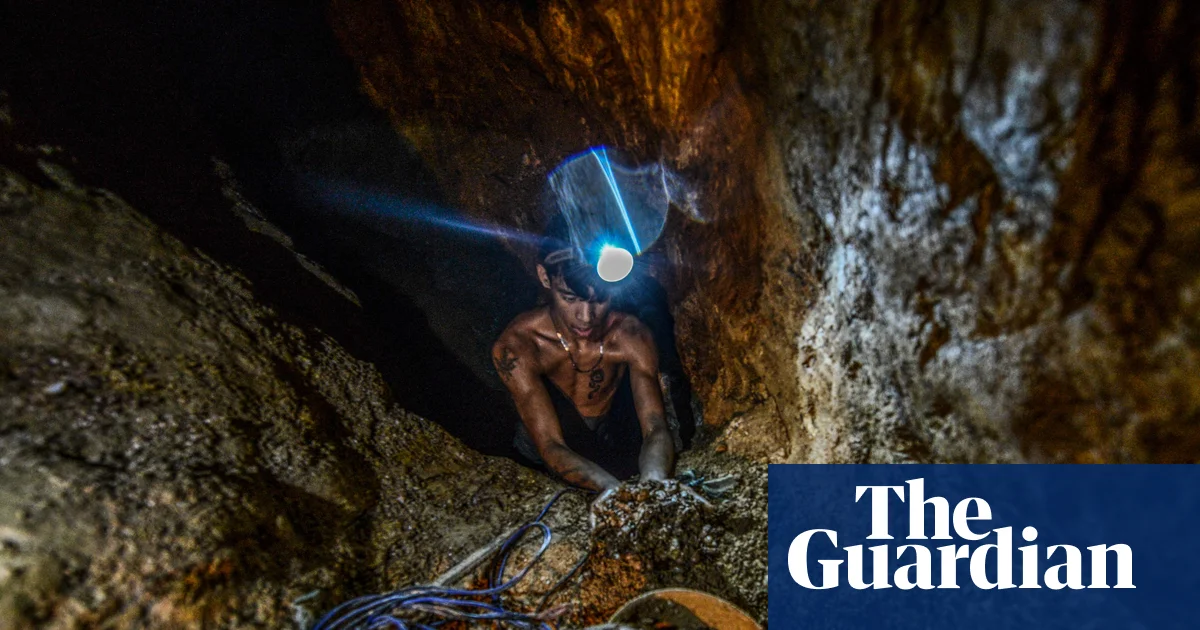
Public radio’s longest-running daily global news program.AboutContactDonateMeet the TeamPrivacyTerms of use©2026 The World from PRXPRX is a 501(c)(3) organization recognized by the IRS: #263347402.Strike on Venezuela gang leader may open door to mineral wealthThe US Southern Command airstrike on a compound in Venezuela last week killed Tren de Aragua leader Héctor Rusthenford Guerrero Flores, alias “Niño Guerrero.” Guerrero was hiding for many years in a vast strip of land in southern Venezuela, rich with gold and cobalt. Phil Gunson, a Caracas-based analyst for the International Crisis Group, tells The World’s Host Carolyn Beeler that eliminating Guerrero may be one “first, small step” to opening up the mining region to US interests. Conflict & JusticeJune 17, 2026Updated: June 17, 20267:49Soldiers raid the Tocorón Penitentiary Center, where the Tren de Aragua gang originated, in Tocorón, Venezuela, Sept. 20, 2023. US forces killed the leader of the Tren de Aragua criminal gang late last week. Héctor, also known as “Niño” Guerrero, died during an airstrike that US Southern Command launched on a compound in Venezuela, according to US and Venezuelan leaders. The strike was carried out in collaboration with Venezuelan authorities. The hit has put much of Latin America on edge, fueling concerns that the operation could set a precedent for US strikes elsewhere in the region. At the same time, countries including Chile are stepping up their own operations against alleged Tren de Aragua cells. For a view from inside Venezuela, The World turns to Phil Gunson. He’s a Caracas-based analyst for the International Crisis Group. According to him, Niño Guerrero had been on the run, living underground for many years.Chief Prosecutor Hector Barros, center, arrives to a courthouse for the arraignment of suspected members of the Venezuelan gang “Tren de Aragua” in Santiago, Chile, June 7, 2026. Esteban Felix/AP PhotoHe’s one of the three original, main leaders of the Tren de Aragua, a Venezuelan organized crime gang that used to be under their control. They used the Tocorón prison as their base for their illegal activities. Eventually, the government closed that down. A lot of the members of the Tren de Aragua, including, I think, at least initially, Guerrero himself, moved out of Venezuela during the mass exodus we saw from about 2014 onwards, which led to something like a third of Venezuela’s population leaving because of the economic crisis. So, the Tren de Aragua, as a criminal gang, moved along with them, preying on them, particularly around borders, also engaging in contraband, extortion, and other forms of criminal activity. But part of it ended up reinforcing its presence in southeastern Venezuela, in the mining region. Guerrero appears to have ended up there at some point.Oh, yes, absolutely. I mean, I think we have to see this in the context of what happened in Venezuela on January 3rd, when the US military intervened to depose and remove — some people would say kidnap — President Nicolás Maduro and his wife, Cilia Flores, and take them off to the US for trial. What that’s led to is a situation in which Maduro’s vice president, Delcy Rodríguez, is essentially running a government that’s under US tutelage. The US is [largely] determining what happens in Venezuela, particularly regarding the opening up of the country to foreign capital, especially US capital, of course. And that mining region is a very, very much a focus of interest for Washington. There’s a huge deposit of gold, or various gold deposits, in that area, but there are also many other strategic minerals, including coltan. And the US wants to get its hands on that and stop the Chinese getting their hands. So, the fact that this is an area which is largely controlled by not just Venezuelan criminal gangs, elements of the uniformed security forces in Venezuela who’ve been very much involved in the business, but also Colombian guerrillas and former guerrillas. And they, of course, may prove a much more difficult target when it comes to trying to reestablish territorial control. The fact that the US is interested in all these minerals means that of course they want security, they want physical security in, in, in the region. And that’s maybe one first small step towards securing that.Well, very much the same as they’ve been saying about the legality, or more to the point, the illegality of the strikes that the US has been carrying out now for getting on for, I suppose, about 9 months. In the Caribbean and in the Eastern Pacific, where they’ve been blowing up alleged drug boats, killing to date over 200 people in a way that completely violates US law and international humanitarian law and the laws of war. So although the US claims to be at war with drug cartels, that doesn’t entitle them to go around killing civilians, especially without trial or any form of proof that these people are actually engaged in criminal activity. So that’s very much the model that’s now been transferred onto land, if you like, onto Venezuelan territory.There is no regional response. Very much a case of individual governments determining what their own approach to Trump is going to be. Many governments, of course, are lining up behind Washington and saying that this is fine. And in fact, if you want to come and do it in our country, you can do that anytime you’d like. The Ecuadorian government, for example, has been very much open to this kind of thing. Others, like particularly Mexico, for instance, or Brazil, have been saying, ‘Absolutely not. We are sovereign nations, and we don’t want the US coming in either invited or uninvited.’Government supporters protest against a U.S. emergency and air evacuation drill conducted at the U.S. Embassy in Caracas, Venezuela, May 23, 2026. Pedro Mattey/AP PhotoThere’s very much a mixed feeling on the part of the Venezuelan population, if we can talk, you know, in very general terms. Because most people, I think, are happy that Maduro was removed, especially because it was done with relatively limited violence and civilian casualties were kept to a minimum, and it was over very quickly. Then, of course, there’s the frustration that real improvements to ordinary people’s lives, you know, haven’t been seen so far. But the opinion polls suggest that Trump and even Marco Rubio are very popular here. But as for the role of the military, I’ve not seen any polling evidence on that. It smarts. It hurts to some extent. Even people who welcome the intervention on the 3rd of January still feel somewhat humiliated that a foreign power came in and removed the president, and the Venezuelan armed forces were unable to do anything about it.Parts of this interview have been lightly edited for length and clarity.
Strike on Venezuela gang leader may open door to mineral wealth - The World from PRX
The US Southern Command airstrike on a compound in Venezuela last week killed Tren de Aragua leader Héctor Rusthenford Guerrero Flores, alias “Niño Guerrero.” Guerrero was hiding for many years in a vast strip of land in southern Venezuela, rich with gold and cobalt. Phil Gunson, a Caracas-based analyst for the International Crisis Group, tells The World’s Host Carolyn Beeler that eliminating Guerrero may be one “first, small step” to opening up the mining region to US interests.
1,122 words~5 min read