Writing software shouldn’t be a felony. That’s the core argument from Kyle Olney, co-founder of SaveOurWallets.org, who is warning that Senate negotiations over the Digital Asset Market Clarity Act could strip away protections that keep non-custodial developers from being treated like money transmitters under federal law.
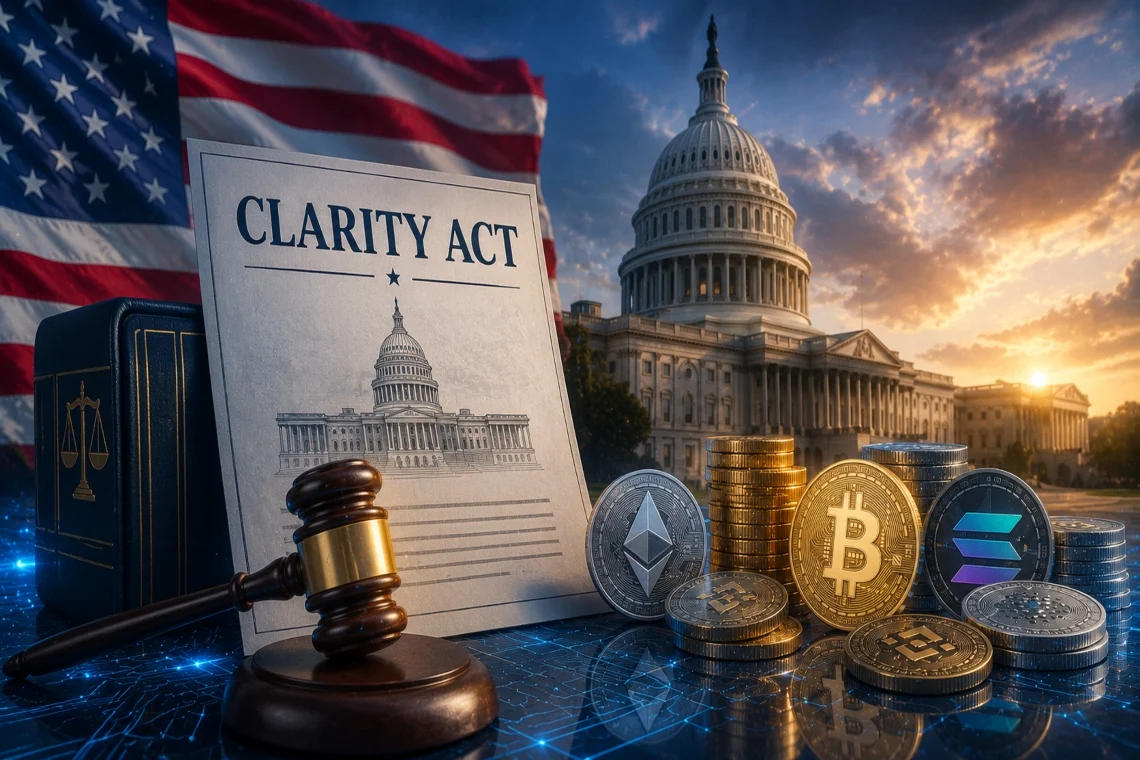
The concern centers on the Blockchain Regulatory Certainty Act, or BRCA, a provision that passed the House with roughly 70% bipartisan support and was folded into the House version of the CLARITY Act (H.R. 3633). If that carve-out gets diluted or dropped during Senate deliberations, Olney argues, developers who build wallets, decentralized protocols, and other non-custodial tools could face criminal liability under existing money transmission statutes.
What the BRCA actually does
The BRCA is a narrow but important piece of legislation. It exempts developers and infrastructure providers who never take custody of user funds from being classified as money transmitters at the federal level. It doesn’t touch Anti-Money Laundering rules for custodial entities like exchanges. It simply draws a line between people who hold your money and people who write software.
Senate discussions have reportedly drifted toward stablecoin yields and other topics, raising fears among industry advocates that the BRCA’s protections are being traded away.